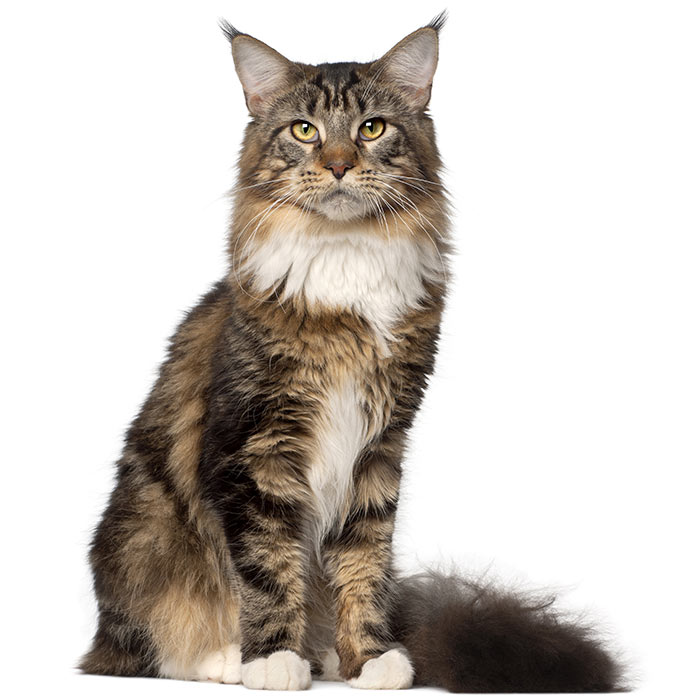
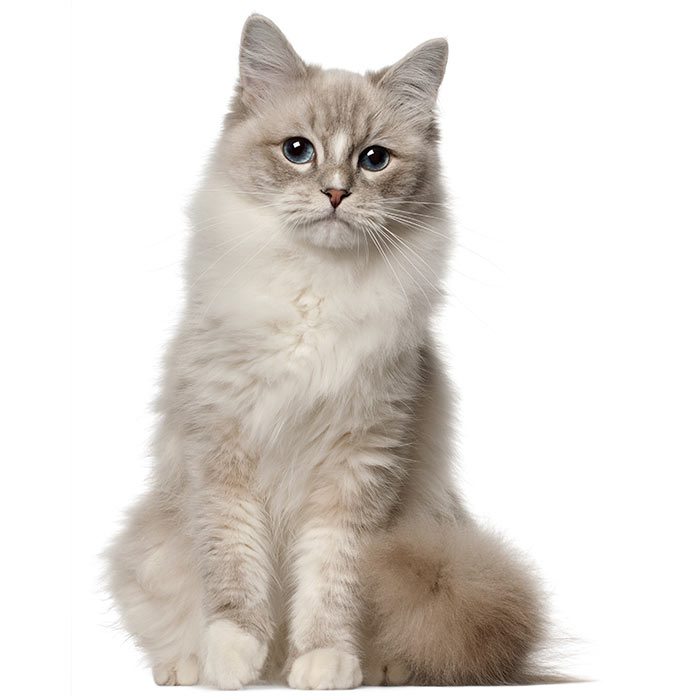
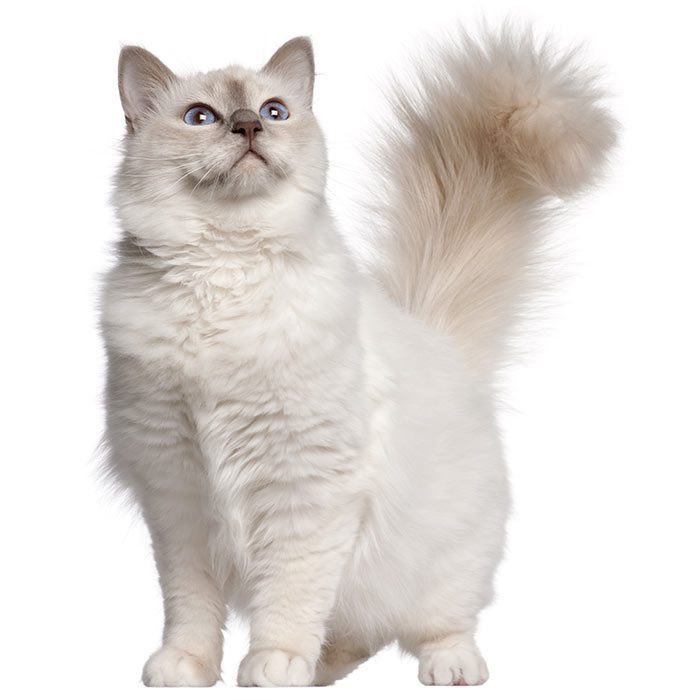
Are Siberian cats hypoallergenic?


Siberian
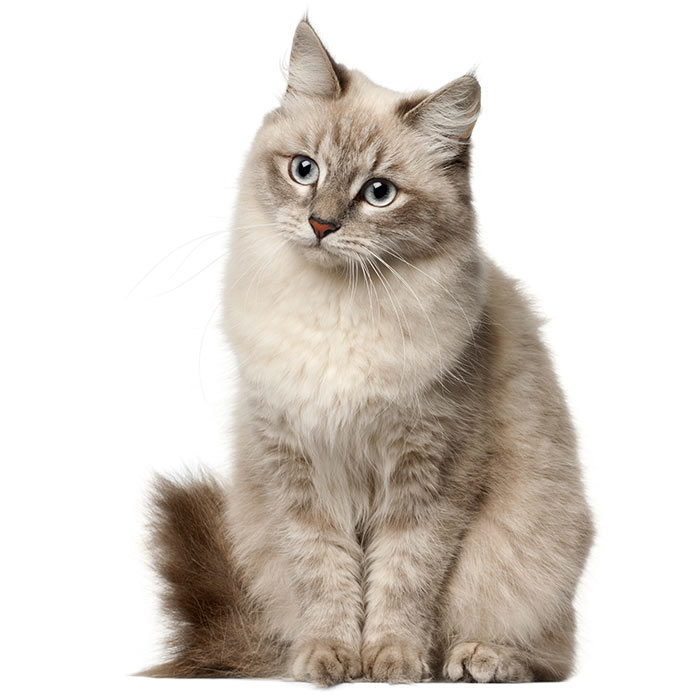
The Siberian is a large, strong, semi-longhaired cat from Russia, known for its athletic build, affectionate personality and impressive weather-resistant coat. They are playful, loyal and often good family companions, but their coat and activity level need regular attention.
| Recommended for | Families, active households and owners wanting a robust, affectionate cat |
| Breed Classification | Semi-longhair / natural breed |
| Other names | Siberian Forest Cat |
| Lifespan | 12–18 years |
| Size | Medium to large |
| Temperament | Playful, affectionate, confident and loyal |
| Intelligence | High; curious, problem-solving and often responsive to training |
| Tendency to vocalise | Low to moderate; usually not as loud as Siamese-type breeds |
| Maintenance Level | Moderate to high grooming, especially during shedding seasons |
| Health Risk | Generally robust, but hypertrophic cardiomyopathy, dental disease, obesity and grooming-related skin issues should be monitored. |
Thinking of insuring a Siberian?
Explore the Top 5 health issues claimed for Siberians, including highest claims paid and how much pet insurance could help you save on eligible vet bills.
See Siberian pet insurance Ready to get cover? Get a quick quote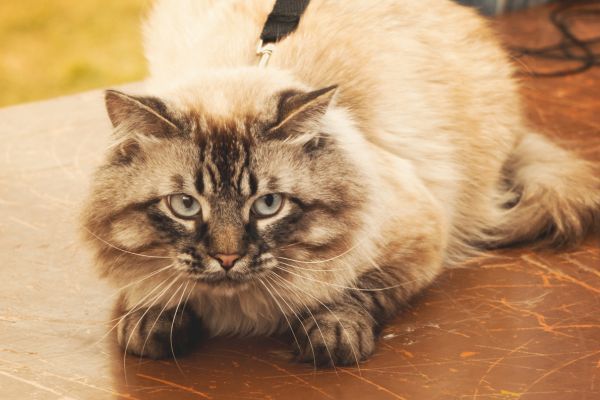
Siberian personality and temperament
Siberians are usually affectionate, confident and playful. They often enjoy being near their people without being excessively demanding. Many remain kitten-like in their curiosity and enjoy climbing, chasing toys and investigating household activity. Their personality is generally warm and steady rather than frantic.
They can adapt to apartments and indoor environments if they have enough space, vertical territory and daily play. Because they are athletic and strong, a bare apartment with little enrichment is not ideal. Secure outdoor enclosures can be a good option for owners who want to give them fresh air without the risks of roaming.
Siberians with kids and other pets
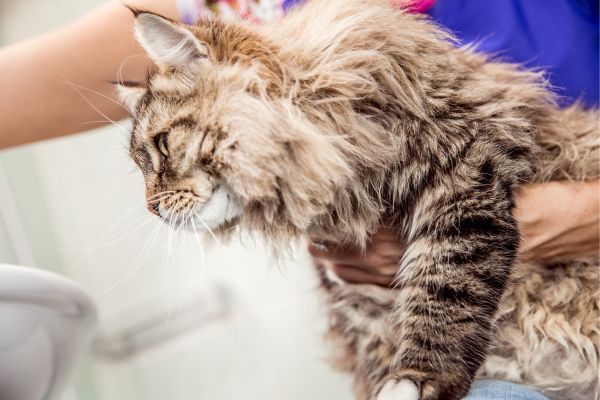
Siberians can be good family cats because they are sturdy, playful and often tolerant. They may enjoy interactive games with children, provided the children are taught respectful handling. Their size and confidence can make them more robust than some delicate breeds, but they still need choice and escape spaces.
They often get along with other cats and cat-friendly dogs after gradual introductions. Because Siberians can be sociable, many enjoy a companion, although they should not be forced into contact. In multi-pet homes, provide separate feeding stations, litter trays and resting spots.
Siberian training and exercise
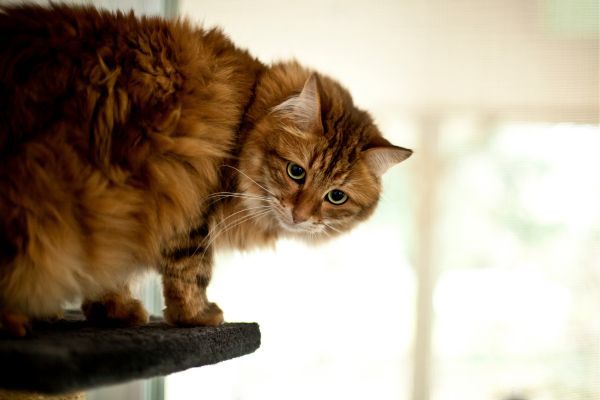
Siberians have moderate to high exercise needs. They are active, capable jumpers and enjoy climbing, chasing, hunting-style play and exploring vertical spaces. Cat trees, shelves, tunnels and wand toys are excellent ways to channel their athleticism indoors.
Training can be enjoyable because many Siberians are intelligent and curious. They may learn recall, carrier training, harness walking and puzzle-feeder routines. Use positive reinforcement and keep sessions fun rather than repetitive.
| Energy level | Moderate to high |
| Exercise requirements | High; daily play, climbing, hunting-style games and puzzle enrichment |
Common health issues for Siberians
What do Siberian owners claim for the most?
Siberians are generally considered a hardy breed, though they can still be prone to certain inherited health conditions. Responsible breeders usually screen breeding cats to reduce the likelihood of passing on genetic diseases. Common health concerns include:
- Hypertrophic Cardiomyopathy (HCM) is the most recognised condition associated with the Siberian breed. This heart disease causes thickening of the heart muscle, which can affect how efficiently the heart pumps blood. Some cats show no early symptoms, though signs may include lethargy, breathing difficulty, or reduced activity. Regular veterinary check-ups and heart monitoring can help with early detection.
- Polycystic Kidney Disease (PKD) can occasionally occur in Siberians. This inherited condition causes fluid-filled cysts to form in the kidneys, which may affect kidney function over time. Symptoms can include increased thirst, frequent urination, and weight loss. Veterinary screening and routine health monitoring can help detect this condition early.
- Dental Disease may also affect Siberians, particularly gingivitis and periodontal disease. These conditions can lead to gum inflammation, discomfort, and tooth loss if not treated. Regular dental care, including brushing and veterinary dental check-ups, can help reduce the risk of dental problems.
Routine veterinary visits, including heart checks, dental examinations, and general health screenings, can help detect health concerns early and support the long-term wellbeing of your Siberian.
Not all conditions are covered by Pet Insurance. For details of Bow Wow Meow Pet Insurance cover, refer to the Product Disclosure Statement.
How to choose the right insurance for your Siberian
When comparing cover for your Siberian, look for:

Cover for common Siberian conditions:
Check that the policy covers conditions Siberians can be prone to, including common health issues.

Cover for hereditary conditions:
No exclusions for hereditary or congenital conditions⑅.

Flexible cover options:
Options to adjust your annual benefit limit, reimbursement rate and excess.
Bow Wow Meow's Nose-to-Tail Cover offers flexible options for your Siberian, with cover for accidental injuries, illnesses and hereditary conditions⑅. Get a quick quote for cover that suits your Siberian and your budget.
Siberian feeding and nutrition
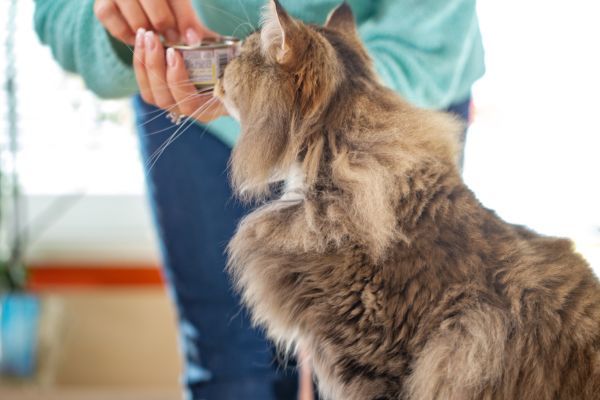
Siberians need a balanced diet that supports a muscular body and active lifestyle. Kittens and young cats may grow for several years, so life-stage appropriate feeding is important. Adults should be kept lean and strong rather than allowed to become heavy under the coat.
Because the coat can hide body condition, owners should regularly feel the ribs and waist and ask a vet to assess weight. Wet food can support hydration, while puzzle feeders can make meals more interesting for this clever breed. Any sudden appetite or weight change should be checked.
Siberian care and grooming
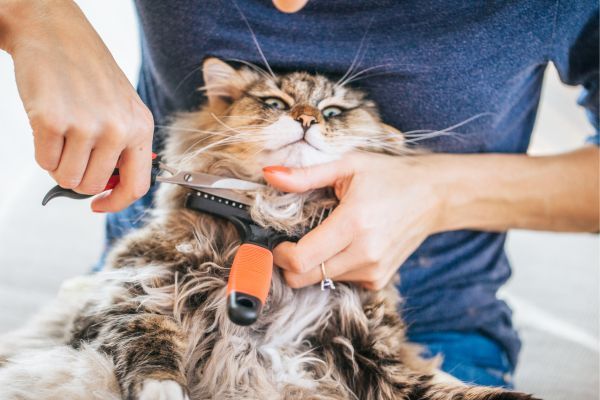
The Siberian coat needs regular grooming, usually several times a week, and more during seasonal shedding. The undercoat can loosen heavily, and tangles may form behind the ears, under the legs, around the ruff and on the belly. A comb that reaches through the coat is useful.
Routine care should also include nail trimming, dental hygiene and ear checks. Siberians are strong cats, so early grooming training makes adult care much easier. They are sometimes marketed as hypoallergenic, but no cat is guaranteed safe for allergy sufferers. Anyone with allergies should spend time around the breed before committing.
Size, appearance and coat of Siberians
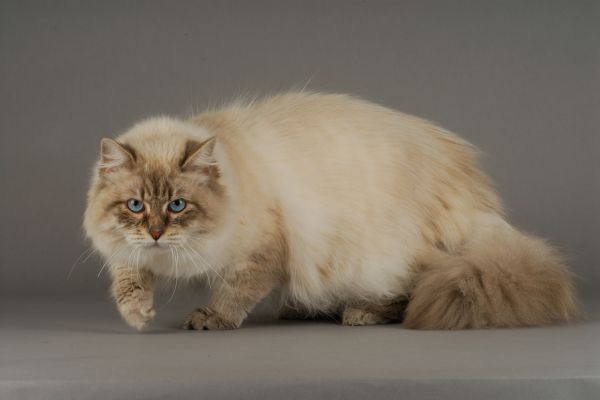
Siberians are strong, medium-to-large cats with muscular bodies, rounded contours, broad chests and powerful hind legs. They are surprisingly agile and often good jumpers. The head is gently rounded, with medium-large ears, expressive eyes and an alert but friendly expression. They mature slowly and may take several years to reach full size.
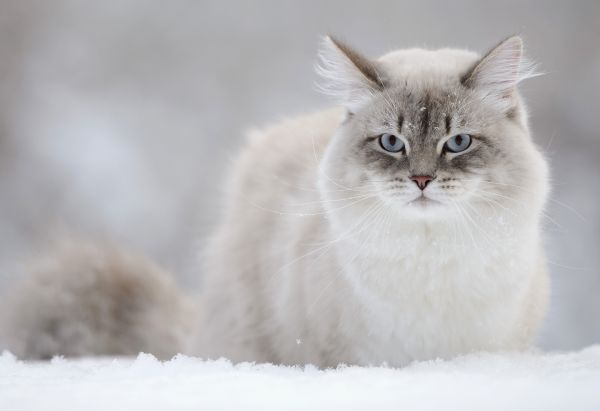
The coat is semi-long and dense, with a triple-coat effect that helps protect against cold weather. It includes guard hairs, awn hairs and a thick undercoat, with seasonal variation. The ruff, breeches and tail can be particularly full in winter.
| Weight range | Females about 4–6 kg; males about 5.5–8 kg or more |
| Height range | About 25–30 cm at the shoulder |
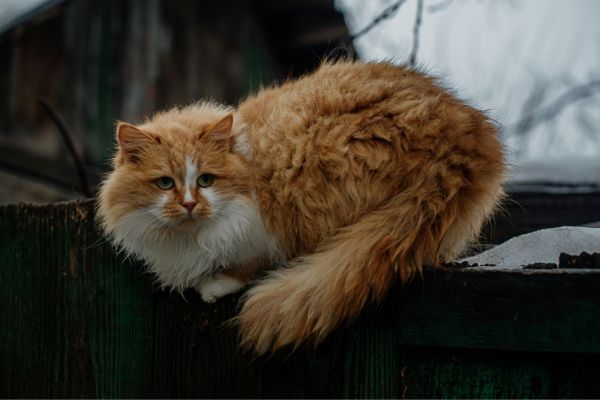
| Colours | Wide range of colours and patterns, including tabby, solid, smoke, shaded, tortoiseshell and colourpoint in Neva Masquerade lines |
| Coat length | Semi-long, dense and weather-resistant |
Breed history of Siberians
The Siberian is a natural Russian breed with a long history in a cold climate. Cats of this type developed thick protective coats, strong bodies and good hunting ability, making them well suited to rural and domestic life. They appear in Russian stories and folklore and were valued as hardy, capable cats.
Although the Siberian has existed for a long time as a regional cat type, formal pedigree recognition developed much later. The breed became better known internationally from the late 20th century as cats were exported and breeding programs were established. Today, Siberians are admired for combining a substantial, weather-resistant build with an affectionate, playful temperament.
Explore related breeds
Siberian facts!
- Siberians may take up to five years to reach full maturity.
- Their winter coat can be much fuller than their summer coat.
- They are strong jumpers despite their substantial build.
- Siberians appear in Russian folklore and stories.
- Some people with cat allergies report better tolerance, but no breed is truly hypoallergenic, despite common claims about Siberians.
Summary
The Siberian is an intelligent, playful, and confident breed. They are affectionate and enjoy spending time with their family, often forming strong bonds with the people in their home. While they appreciate attention and companionship, they can also be independent and content entertaining themselves.
Siberians are curious cats that enjoy exploring their surroundings and engaging in interactive play, making them a great match for owners who enjoy an active and engaged pet.
FAQs about the Siberian
Siberian cats are sometimes described as producing fewer allergens than some other breeds. However, they are not completely hypoallergenic. People with allergies may still react to dander or saliva proteins.
Siberians do shed, particularly during seasonal coat changes. Their thick triple coat means regular brushing helps remove loose fur and keep the coat healthy.
Siberians are a medium-to-large breed. Males commonly weigh between 5.5 to 8 kg, while females usually range from 4 to 6 kg.
Siberian cats typically live between 11 and 18 years with proper care, a balanced diet, and regular veterinary check-ups.
The price of a Siberian cat can vary depending on the breeder, pedigree, and location. Cats bred for show or breeding may cost more than those intended as pets.
Siberians are generally social and adaptable. Many can live comfortably with cat-friendly dogs when introductions are handled gradually.
Siberians adapt to warmer climates when kept indoors with good ventilation and access to fresh water. Their thick coat developed for cold environments, so cooler indoor conditions help maintain comfort during hot weather.
Siberians are considered a generally hardy breed, though they may be prone to conditions such as hypertrophic cardiomyopathy and dental disease. Routine veterinary care helps manage potential health risks.
Siberians benefit from a balanced diet rich in protein. High-quality wet and dry cat food can support muscle health, energy levels, and overall wellbeing.
Siberians mature more slowly than many breeds and may continue growing until around three to five years of age. Their full size and coat development can take time to reach maturity.”
MORE INFORMATION
NSW Cat Fanciers Association: https://nswcfa.asn.au/
Cats NSW breeder directory: https://catsnsw.com.au/breeders/
Australian Cat Federation breed standards: https://www.acf.asn.au/index.php?page=standards
Purebred Cat Rescue Australia community: https://www.facebook.com/groups/pcraus/

Get 2 months free for your kitten!
Cover your kitten from Nose-to-Tail
To ensure your precious fur baby is covered from the start, we'd like to offer your first 2 months of our Nose-to-Tail Cover for free2!
Get a quick quote