Are Birman cats good family pets?


Birman
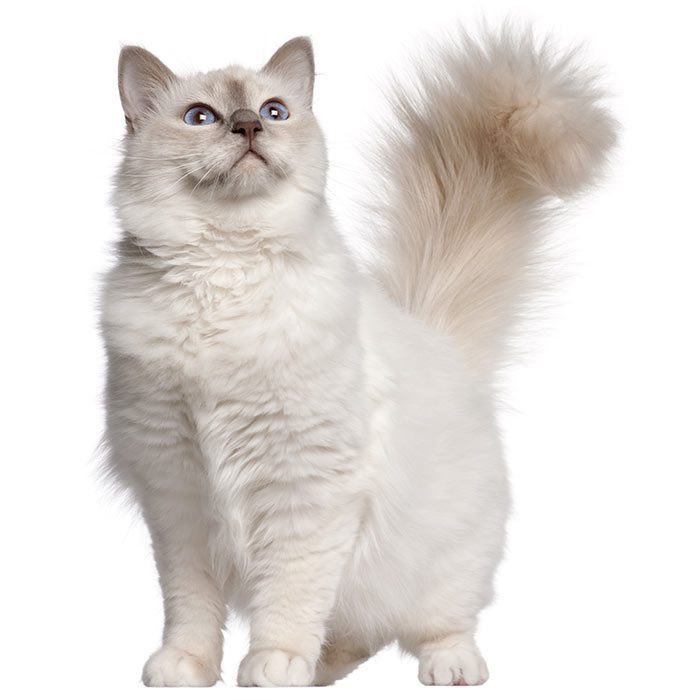
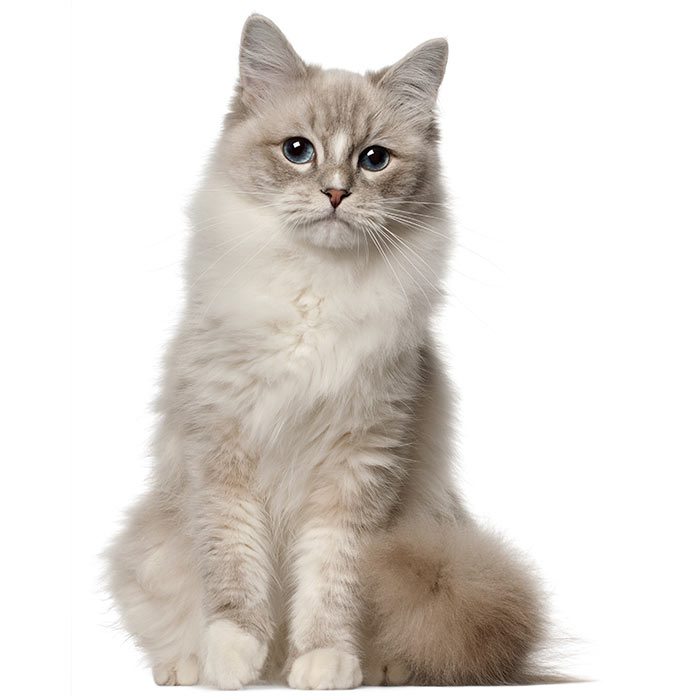
Birmans are calm and gentle medium to large sized cats with striking blue eyes and a silky, medium-length coat. Birmans form strong bonds with their family and are highly social, enjoying interaction and companionship. Intelligent and curious, they thrive in homes where they receive attention and regular play sessions. They get along well with children, other pets, and even strangers.
| Recommended for | Families or individuals seeking a sociable and affectionate companion |
| Breed Classification | Semi-longhair |
| Other names | Sacred Cat of Burma |
| Lifespan | 12 to 16 years |
| Size | Medium to large |
| Temperament | Affectionate, calm, friendly |
| Intelligence | Highly intelligent and sociable; they enjoy interacting with their owners |
| Tendency to vocalise | Moderately vocal, usually to express affection, curiosity or when seeking attention |
| Maintenance Level | Moderate grooming needs, require social interaction to stay happy |
| Health Risk | Generally healthy but may be prone to kidney issues and heart conditions, so regular check ups are essential. |
Thinking of insuring a Birman?
Explore the Top 5 health issues claimed for Birmen, including highest claims paid and how much pet insurance could help you save on eligible vet bills.
See Birman pet insurance Ready to get cover? Get a quick quote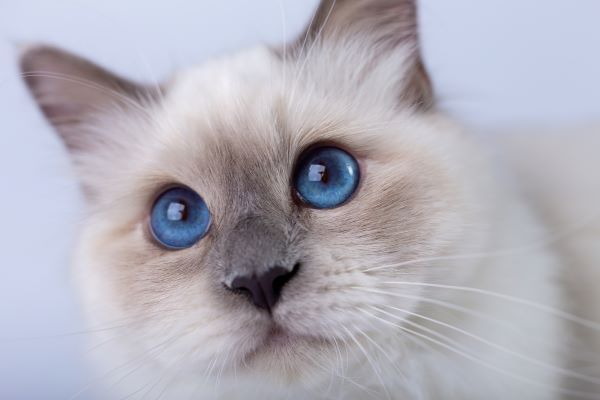
Birman personality and temperament
Birmans are affectionate, gentle,and friendly cats who enjoy spending time with their families and form strong bonds, but are not overly bossy or demanding of attention. They love to cuddle with their owners and is content to relax with them on the couch. While they love companionship and will follow their owners around, Birmans are also independent enough to entertain themselves when needed. They are calm and adaptable, making them excellent companions for both singles and families seeking a loving and affectionate cat.
Birmans are content indoors, and are well-suited for apartment living due to their calm, quiet and docile nature. They do not require as much space to roam as more energetic breeds, making them a good choice for those with smaller living spaces. Regular playtime and interaction will keep them engaged and content, but they are generally content to relax and enjoy a quieter lifestyle. While they are not as adventurous as some other breeds, they still enjoy exploring their environment when given the chance. If allowed outdoors, they should be supervised to ensure their safety.
While they are not overly noisy, Birmans do vocalise to express their affection, curiosity, or when they want attention. Their meows are soft and pleasant, reflecting their calm and affectionate personality, and include gentle meows, soft trills, and purring, particularly when they are content or being petted. They may also chirp or trill when excited or seeking attention.
Birmen with kids and other pets
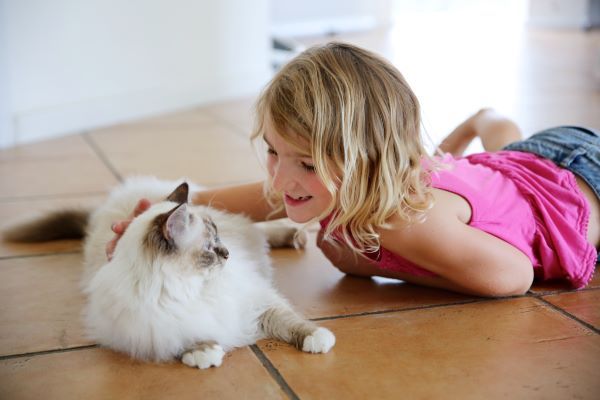
Birmans are typically good with children and other pets, especially when raised in a household with them. They have a patient and friendly nature, making them great for families with kids and other pets, including dogs. Their gentle temperament and sociable personality make them a wonderful addition to many homes.
Birmans appreciate the company of another cat, especially if they are to have long periods on their own while their owners are out at work for the day.
Birman training and exercise
Birmans have moderate energy levels and enjoy playful activities but are not as hyperactive as some other breeds. They need regular interaction and mental stimulation to stay happy, but they are equally content lounging with their humans or engaging in mild play. Daily playtime and bonding with their family will keep them content and engaged.
Birmans are a relatively low-energy breed, but they still require regular exercise to stay happy and healthy. They enjoy interactive play with toys like feather wands and laser pointers, which stimulate both their mind and body. Birmans also enjoy exploring and climbing, so access to cat trees or shelves will keep them physically active.
| Energy level | Low to moderate |
| Exercise requirements | Daily play sessions with interactive toys |
Common health issues for Birmen
What do Birman owners claim for the most?
- Hypertrophic Cardiomyopathy (HCM) is a heart condition that causes thickening of the heart muscle, making it harder for the heart to pump blood. Birmans are more susceptible to this condition, which can lead to heart failure if not managed. Regular vet check-ups and heart screenings are essential for early detection.
- Kidney Disease can affect Birmans, particularly as they age. Symptoms may include increased thirst, frequent urination, and weight loss. Regular vet visits for early detection and management are key to maintaining their health.
- Progressive Retinal Atrophy (PRA) is a genetic condition that causes degeneration of the retina, leading to vision loss. While not very common, it remains a potential concern for Birmans. Symptoms may include night blindness and dilated pupils, so regular eye exams are recommended.
- Dental Disease, such as gingivitis, can also affect Birmans. Regular teeth brushing and dental check-ups are recommended to prevent oral health issues and maintain overall well-being.
- Congenital hypotrichosis is a rare condition causes the cat to be born hairless and with an immune deficiency that leads to increased susceptibility to infection and can lead to death.
- Corneal dermoid refers to skin and/or hair which grows over the surface of the cornea. It can be corrected with surgery.
- Spongiform degeneration is a progressive degenerative disease affects the central nervous system, causing weakness in the back legs and lack of coordination.
Not all conditions are covered by Pet Insurance. For details of Bow Wow Meow Pet Insurance cover, refer to the Product Disclosure Statement.
How to choose the right insurance for your Birman
When comparing cover for your Birman, look for:

Cover for common Birman conditions:
Check that the policy covers conditions Birmen can be prone to, including common health issues.

Cover for hereditary conditions:
No exclusions for hereditary or congenital conditions⑅.

Flexible cover options:
Options to adjust your annual benefit limit, reimbursement rate and excess.
Bow Wow Meow's Nose-to-Tail Cover offers flexible options for your Birman, with cover for accidental injuries, illnesses and hereditary conditions⑅. Get a quick quote for cover that suits your Birman and your budget.

Birman feeding and nutrition
The Birman thrives on a balanced diet that supports its calm yet active nature. High-quality, protein-rich food is essential to maintain muscle mass and overall health. A combination of wet and dry food is recommended to promote hydration and digestive health. Choose food with essential vitamins, minerals, and fatty acids to support their coat and general well-being.
Portion control is important to prevent overfeeding, as Birmans have a healthy appetite. Their food intake should be divided into two or three meals a day to maintain a healthy weight. Always provide fresh water and consult your vet for dietary recommendations based on your Birman’s age, activity level, and health.
Birman care and grooming
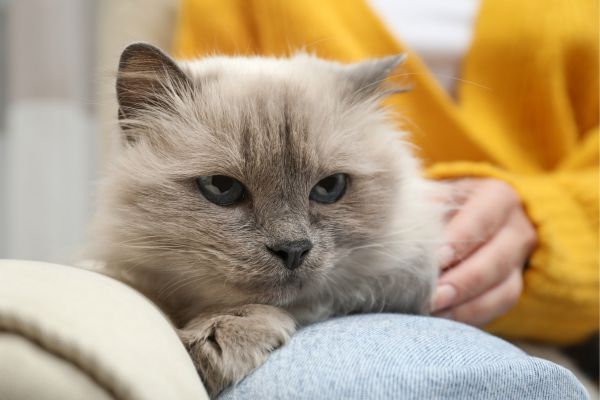
Birmans have a medium-length, silky coat that requires moderate grooming to keep it in good condition. Because they lack an undercoat, their fur is much less prone to matting, so brushing once or twice a week is recommended to keep it looking sleek and reduce shedding.
While Birmans don’t require frequent baths, occasional bathing can help maintain the coat’s softness and shine. Regular ear cleaning and nail trimming should be included in their grooming routine, and dental care, such as teeth brushing and dental chews, is also essential for their overall health.
Their medium-length single coat is suited to moderate temperatures, and extra warmth may be necessary in colder environments, as they are not naturally equipped to handle very cold temperatures.
Size, appearance and coat of Birmen
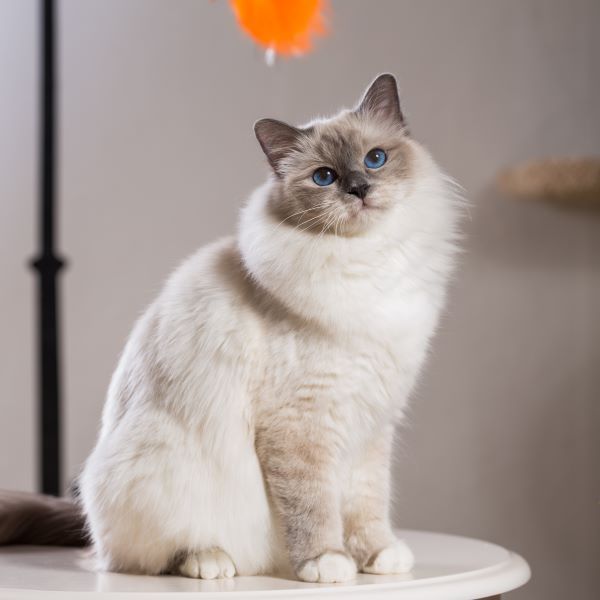
The Birman is a medium to large-sized cat with a sturdy, well-muscled, rectangular body, broad face and a Roman-shaped nose. They have large, round, deep blue eyes, their ears are medium-sized and rounded, and their tail is long and bushy.
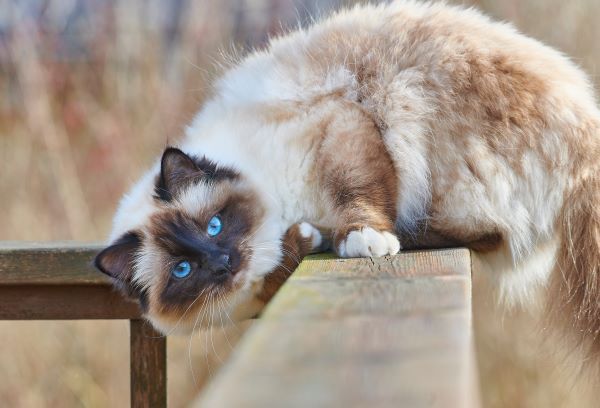
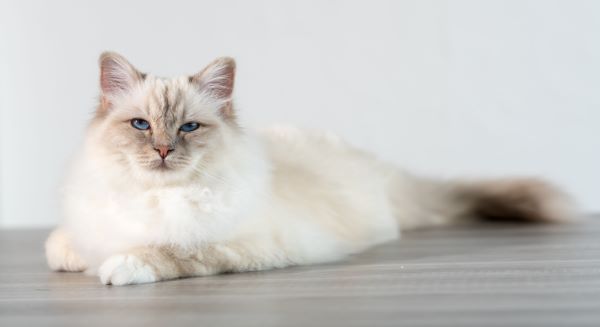
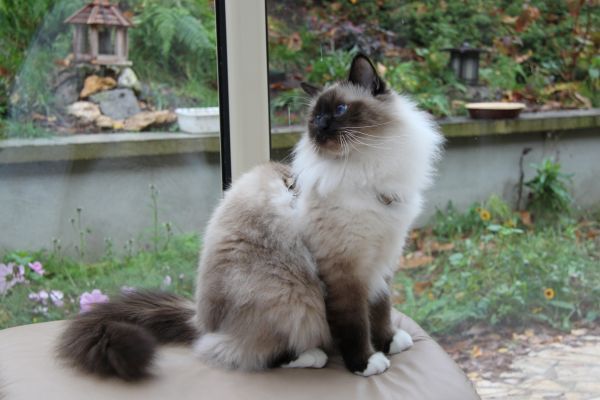
One of the most distinctive features of the Birman is its luxurious, silky, single coat. Their coat is medium-length and colourpointed, meaning that they have a light coloured body contrasting with darker colouration on the face, ears, legs and tail. These colourpoints come in a variety of shades and patterns including seal, chocolate, blue, lilac, red and cream, and they may have tabby or tortoiseshell patterning.
Birmans are born all-white and develop their colour as they mature, although their feet remain distinctively white, giving the appearance of a white glove on each paw.
| Weight range | Males: 5 to 7 kg; females: 4 to 6 kg |
| Height range | Approximately 20–25 cm (8–10 inches) at the shoulder |
| Colours | Point colours include seal, blue, chocolate, lilac, red and cream |
| Coat length | Medium (semi-long) |
Breed history of Birmen
The Birman, also referred to as the “Sacred Cat of Burma” is believed to have originated in Burma (now Myanmar) in the early 20th century. Though its exact origins are not known, it is thought to have been developed by local temples where they were revered as sacred cats.
There are many legends surrounding this majestic cat, the most famous one telling of a group of white, yellow-eyed cats living in a monastery in Burma as guardians of the Temple of Lao Tsun. The temple’s head priest, Mun-Ha, and his cat Sinh would pray in front of the temple’s blue-eyed goddess, Tsun-Kyan-Kse, every night, until one night Siamese invaders took over and Mun-Ha was killed. Sinh guarded his deceased owner, and he eventually took on a golden colour and his eyes turned blue. As a symbol of purity, the cat’s paws remained white.
In reality, it is more likely that these “Siamese invaders” were in fact Siamese cats who bred with the local cats, resulting in the Birman.
Birmans were first introduced to Europe when a pregnant female was brought to France in 1919. Sadly, the records of the Birman and their breeding history perished in World War II, and only two Birmans survived the war in France. That the breed was reestablished after such a setback shows the dedication of the Birman fanciers at the time. The first imports to Australia arriving in the 1960’s, with local breeding programs being established shortly thereafter.
Birman facts!
- Birmans are classed as a semi-longhair due to the fact that their coats do not achieve the length or texture of the pedigree Persian.
- All four feet are pure white, known as ‘gloves’ on the front feet and ‘gautlets’ on the back feet, the latter extending about halfway up the back legs.
- Birmans are very people orientated. When you walk in the door, your Birman will be waiting to greet you – and probably everyone else that comes to your door too!
- They love to be groomed and preened, and will happily lay fully stretched out for you while you do this, and will help you too!
- The coat pattern of the Birman resembles that of a Siamese, with the colour being on the face, ears, legs and tail (the points) with a contrasting lighter body colour.
Summary
The Birman is a calm and gentle medium-to-large cat with striking blue eyes and a silky, medium-length coat. Highly social, Birmans form strong bonds with their family and enjoy regular interaction and companionship.
Intelligent and curious, they thrive in homes where they receive attention and play sessions. Birmans generally get along well with children, other pets and even unfamiliar people, making them adaptable companions for sociable households.
FAQs about the Birman
Yes. Birmans are typically gentle, affectionate and sociable cats that enjoy companionship and often fit well into family households.
They are generally tolerant and friendly and can live successfully with respectful children, other cats and cat-friendly dogs when introductions are gradual.
Birmans have moderate activity levels. They enjoy play and climbing but are usually less intense than highly athletic breeds such as Bengals.
They tend to have soft voices and are usually moderately communicative rather than constantly vocal.
Their semi-long, silky coat is less prone to matting than some long-haired coats, but brushing once or twice a week helps remove loose hair and prevent tangles.
Yes. Their companionable temperament makes them well suited to indoor homes, provided they have play, scratching and climbing opportunities.
Most Birmans enjoy company and may become lonely if regularly left alone for long periods, so they often suit homes where people or other compatible pets are around.
Birmans are generally healthy, but polycystic kidney disease has been reported at low prevalence in some lines. Routine veterinary care and responsible breeding remain important.
MORE INFORMATION
The Birman Society Australia: http://www.thebirmansociety.com/
The Birman, Ragdoll and Associated Breeds Club Inc.: https://www.birmanragdollclub.com/
The Birman Cat Fanciers Club of Queensland Inc: https://www.birmanclubqld.com/

Get 2 months free for your kitten!
Cover your kitten from Nose-to-Tail
To ensure your precious fur baby is covered from the start, we'd like to offer your first 2 months of our Nose-to-Tail Cover for free2!
Get a quick quote