Constant paw licking? Why dogs do it and what to do
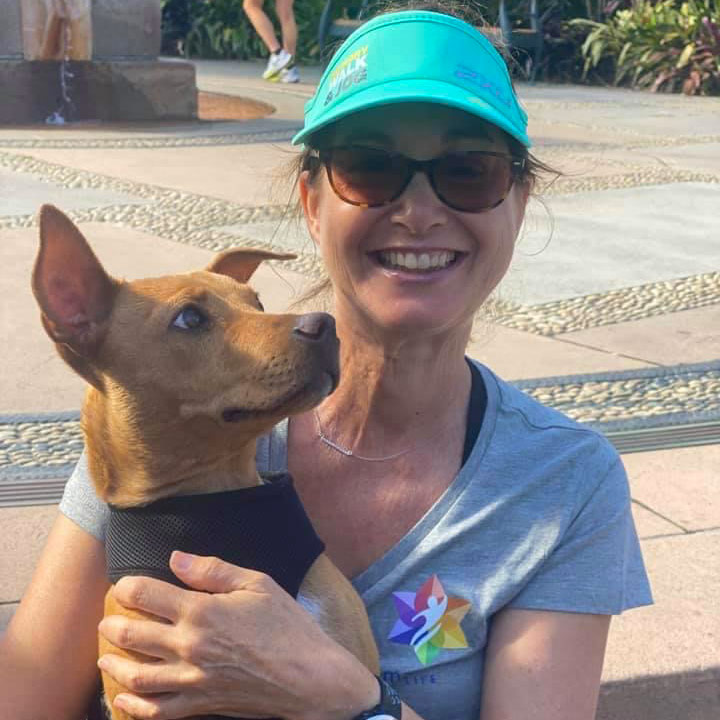
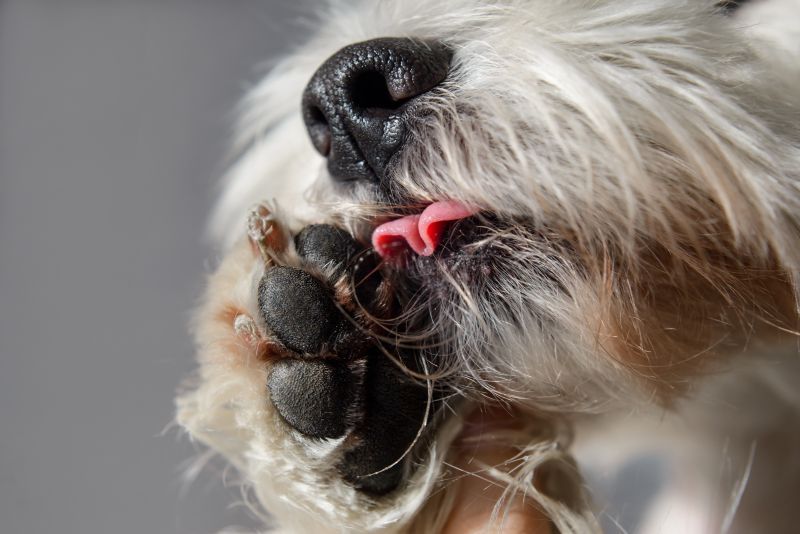
If your dog’s constant paw-licking has become a cause for concern, you’re not alone. When paw-licking morphs from a quick clean to a full-time hobby, it can become annoying (those slurpy sounds!), messy (those flying flecks of saliva!), and frankly, a little worrying (does my dog have a foot-licking fetish?).
The good news is that your dog’s paw-licking compulsion is very treatable once you’ve worked out what’s triggering it. The tricky part is figuring out your dog’s specific trigger for this behaviour. Here’s what constant paw-licking can mean, what you can check at home, and when it’s time to bring in your vet.
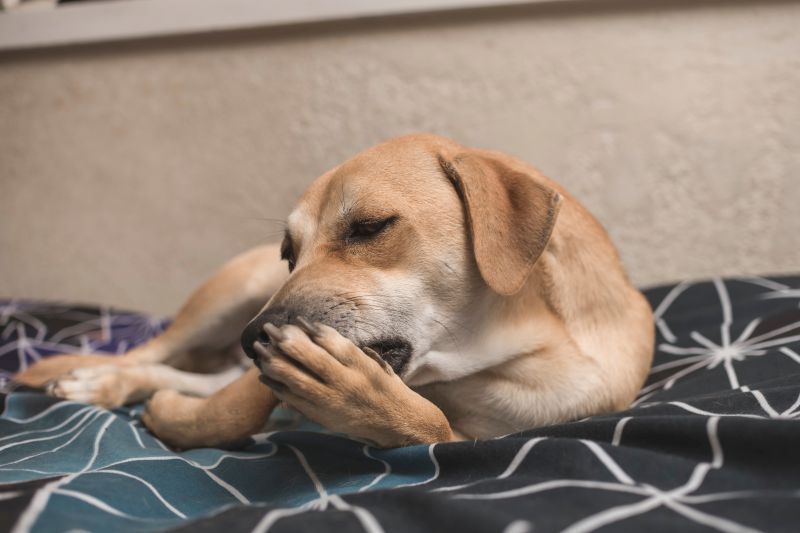
Is paw licking normal dog behaviour?
A bit of paw licking can be completely normal. Dogs may lick their paws after a walk to clean off dirt, sand or grass, after a meal as part of general grooming, or as part of their “wind-down” routine before sleep.
Some dogs also lick briefly if their paws are wet from rain, a quick swim, or freshly washed — similar to how we might towel-dry our hands. In these cases, the licking is usually short-lived, easy to distract them from, and doesn’t cause any redness, soreness or ongoing dampness.
Occasional, quick paw licking is completely normal; it’s the frequent, repetitive licking that’s a sign something may be bothering them. It’s worth taking notice if your dog is:
-
licking every day
-
licking for long periods (especially at night)
-
chewing at paws or nails
-
licking the same paw repeatedly
-
leaving paws red, damp, stained, or sore
If the skin is starting to look irritated, the licking can quickly become a vicious cycle: itch → lick → more irritation→ more licking.
The most common reasons dogs lick their paws constantly
1) Allergies (the big one)
Allergies are one of the most common causes of paw licking in dogs, and especially relevant when you notice red feet, licking between the toes, or recurring ear and/or skin issues.
This can include:
-
Environmental allergies (grass, pollen, dust mites, mould)
- Food allergies or sensitivities
-
Contact irritation (lawns, cleaning products, certain surfaces)
Why do allergies show up in the feet?
Many dogs with allergies become “foot-focused” because their paws are like built-in ‘allergen collectors’. They’re in constant contact with grass, pollen, dust, mould spores, fertilisers and cleaning chemicals on footpaths and floors, so irritants can stick to the pads and lodge between the toes.
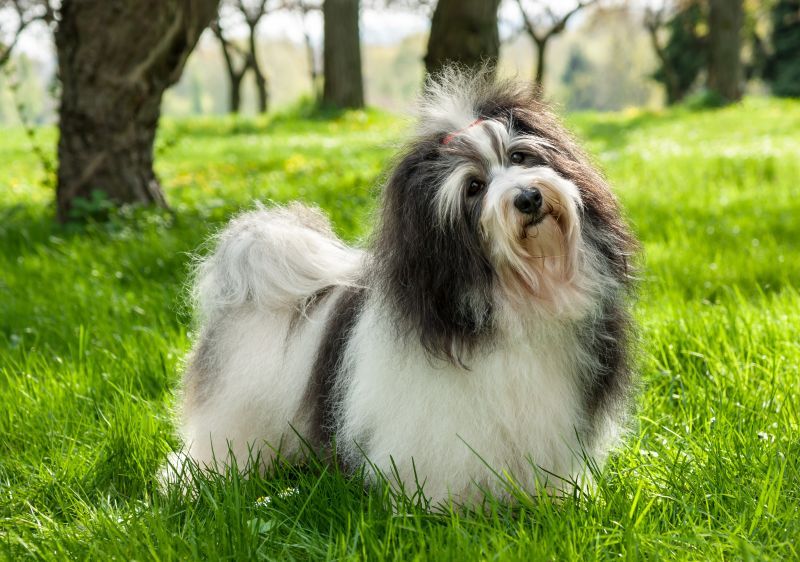
On top of that, the skin on the feet is warm and often slightly damp, especially after walks, rain or swimming, which makes it easier for allergens and microbes to irritate the area.
The result is that even when the rest of the body looks fine, the paws can become the main hotspot for itching, leading to persistent licking, chewing and redness around the toes and paw pads.
Clues your dog’s foot-licking may be caused by allergies:
-
Seasonal flare-ups
-
Licking multiple paws, not just one
-
Itchy ears, face rubbing, tummy itching
What to do:
Rinse paws after walks (especially if on grass), dry well, and keep nails trimmed. If it’s happening most days or you’re seeing red/itchy feet or ear issues too, book a vet visit; allergies usually need a plan, not just guesswork.
2) Yeast or bacterial skin infections
If paws remain damp (from licking, swimming, rain, or humid weather), yeast and bacteria can move in. The skin between the toes is warm and often a bit enclosed, so moisture can get trapped and create the perfect environment for microbes to multiply.
Some dogs also develop infections secondarily because constant licking damages the skin’s protective barrier, making it easier for germs to take hold.
Clues foot-licking may be caused by infection:
-
Redness between toes
-
A strong “corn chip” smell or yeasty smell
-
Dark staining on fur
-
Greasy or thickened skin
-
Tenderness when you touch the paw
What to do:
Keep paws clean and very dry, and stop the licking if you can (with the help of a sock/boot or cone). If there’s smell, redness between toes, discharge, or soreness, see your vet; infections often need targeted treatment.
Because it is difficult to predict the costs of veterinary care, it can help to have measures in place to help prepare for the unexpected. Pet insurance can help by covering a portion of the eligible vet bill if the unexpected does happen.
Get a quick quote
3) Grass seeds and other foreign bodies
If your dog suddenly starts licking one paw like mad after a walk, a grass seed, splinter or thorn could be the culprit.
In Australia, grass seeds can be a real troublemaker, especially in warmer months. These are the small, dry seed heads from certain grasses (often called awns) that can stick to your dog’s fur and work their way into the skin, especially after walking through long grass.
Clues it may be caused by a grass seed or other foreign body:
-
Very sudden onset
-
Mostly one paw
-
Limping, favouring a foot or refusing to walk
-
Swelling between toes
What to do:
Check your dog’s footpads and between the toes and pads, and look for swelling or a tiny puncture. If you can see a grass seed, splinter or thorn sitting on the surface and your dog is calm, you may be able to gently remove it. But if your dog is limping, the paw is swollen, or you can’t find the source, it’s best to see a vet, because grass seeds can work deeper.
4) Sore pads, cracked skin, or burns
Hot pavement, rough ground, sand, salt, and dry weather can all cause paw pad irritation, especially in warmer months. Hot surfaces can burn or blister paw pads, while rough tracks, sand and hard footpaths can cause small scrapes or wear the pads down.
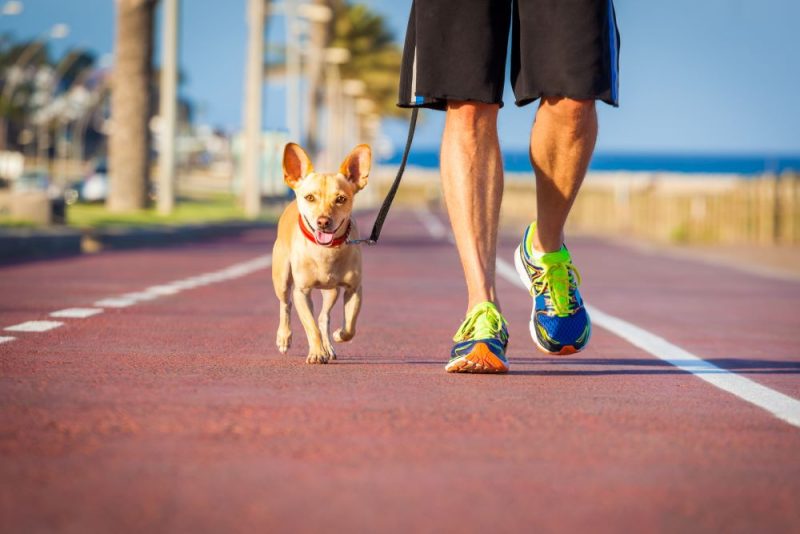
Salt, sand and grit can also get trapped between the toes and rub against the skin as your dog walks. In dry weather, paw pads may become cracked and flaky, which can sting and make dogs lick to soothe the discomfort.
Clues it may be pad damage:
-
Licking after walks
-
Visible cracks or rough patches
-
Reluctance to walk on certain surfaces
What to do:
Avoid hot or rough surfaces and do shorter walks on cooler ground. A simple check: if you can’t comfortably keep your hand on the pavement for several seconds, it’s probably too hot for paws.
Check pads for cracks or blisters, rinse with cool water, and rest for a day or two. If there’s broken skin, bleeding, or ongoing pain, see a vet.
Unsure how serious it is?
Bow Wow Meow policyholders can get access to trusted vet care anytime, anywhere, at no additional cost. Connect to an experienced Australian registered vet via video call, 24/7. Whether it’s providing vet advice, setting up at-home treatment plans, or confirming if you need to visit a vet in person, you can get help when you need it.
Find out more about our pet insurance cover options.
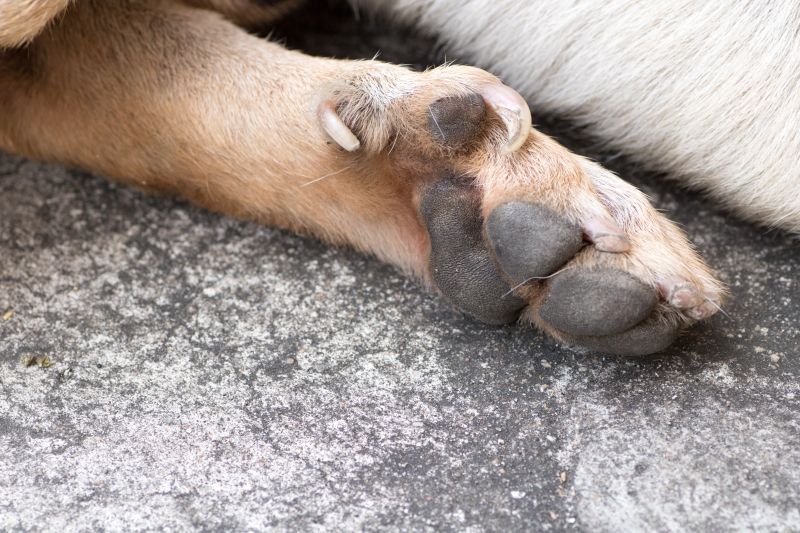
5) Nail issues or minor injuries
A broken nail, a cracked claw, or irritation around the nail bed can trigger a lot of licking. Dogs can also lick if they’ve had a tiny cut or thorn, even if it’s hard to spot.
Clues it may be a nail issue:
-
One toe targeted constantly
-
Sensitivity when you touch the nail area
-
A bit of bleeding or redness around the nail
What to do:
Inspect nails for splits and check for tenderness or bleeding. Keep nails trimmed and avoid rough play for a couple of days. If a nail is broken or bleeding or your dog keeps targeting one toe, get it checked, because nail injuries can be very painful.
6) Pain (toe/joint strain, arthritis, injury)
Sometimes paw licking isn’t about itch at all, it’s about pain. Dogs may lick an area that hurts, including a toe joint, the wrist, or a paw that’s been strained.
Clues it may be pain:
-
Licking happens after exercise
-
Your dog is slower getting up
-
Mild limping or stiffness
What to do:
Reduce high-impact activity for a few days and monitor for stiffness or limping. If licking is focused on one paw, keeps returning, or your dog seems uncomfortable, a vet check is best to rule out injury or joint pain.
7) Stress, boredom or habit
Some dogs lick their paws as a way to self-soothe, especially if they’re under-stimulated, anxious, or struggling with big changes (new people in the home, changes in routine, noisy environments).
This one can be tricky because stress licking can start from a real physical trigger (like an itchy bite) and then turn into a habit even after the original trigger settles.
Clues it may be behavioural:
-
Licking mainly at night or when resting
-
Licking increases when alone
-
No obvious redness or swelling (at least early on)
What to do:
Increase enrichment (sniff walks, training games, food puzzles) and give your dog a calm routine. If licking happens mostly at night or when alone, try a “settle” routine (mat + chew). If it’s constant or causing sores, your vet can help rule out medical causes and guide the next step.
What about nail biting?
Nail biting and chewing at the toes is very common, and it’s usually part of the same paw-itch story. Many dogs will nibble at nails when paws are irritated by allergies, yeast, or a foreign body. Sometimes it’s as simple as overgrown nails or a small crack that’s uncomfortable.
If your dog bites one specific nail repeatedly, or you spot bleeding, swelling, or pain around the nail bed, that’s a good reason to book a vet check. But if it’s general nibbling across multiple paws, it often fits the same “itch and irritation” pattern as paw licking.
What you can do right now to reduce paw-licking
If your dog is otherwise happy and well:
-
Limit licking so the skin can heal (try a sock, boot, or Elizabethan collar if necessary)
-
Rinse paws after walks and dry well
-
Avoid long grass for a week if you suspect seeds
-
Keep nails trimmed
-
Add enrichment: sniff walks, lick mats, training games (a busy brain is less likely to fixate)
- Avoid using human creams or harsh antiseptics unless your vet tells you to, because paws can get worse if the wrong product is applied.
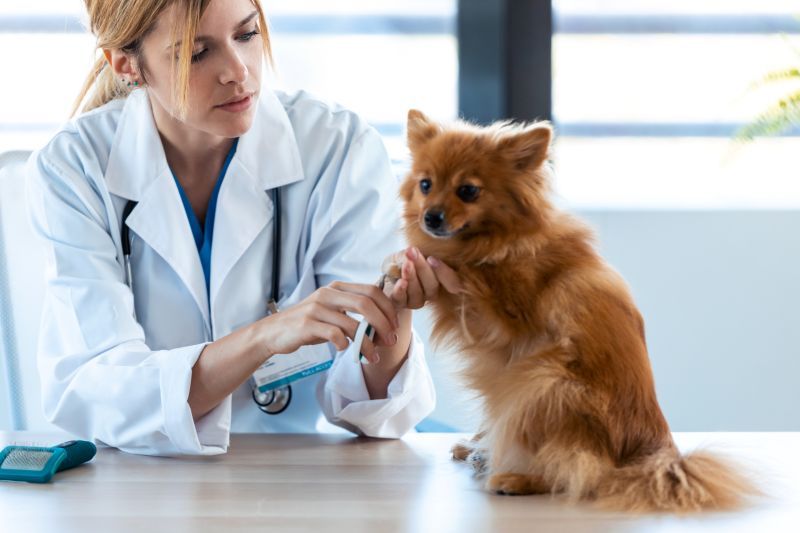
A 30-second at home paw-check
If your dog will let you, check for swelling, redness, discharge, or a stuck grass seed or other item, and for any unusual smell.:
between each toe
under the paw pads
around the nails
If the paw is clean but still irritated, a gentle rinse after walks and drying thoroughly can help while you’re figuring out the bigger cause.
The best times to do the 30-second paw check are when it’s most likely you’ll catch a problem early, such as:
- After walks (especially in long grass or bushy areas)
This is the #1 time to check for grass seeds, thorns, burrs, sand, grit and tiny cuts. - After the dog has been at the beach, park, or on rough ground
Sand and grit can get stuck between toes and cause irritation. - After rain or swimming
Moist paws can lead to irritation and infections if they stay damp. - When you notice licking/chewing starting
Even if it’s brief — a quick check can help you spot a seed, sore pad, or nail issue early. - Once a day during high-risk seasons
In Australia, that’s often spring and summer, especially if your dog is outdoors a lot.
Ideally, make it a habit after every walk — it’s the quickest way to catch grass seeds and sore pads early.
When to see a vet for paw-licking
Book in promptly if you notice:
-
limping or pain
-
swelling between toes
-
broken skin, oozing, or bleeding
-
a bad smell
-
constant licking that won’t stop
-
repeated flare-ups
These cases often need targeted treatment, especially infections, allergies, or foreign bodies.
Unsure how serious it is?
Bow Wow Meow policyholders can get access to trusted vet care anytime, anywhere, at no additional cost. Connect to an experienced Australian registered vet via video call, 24/7. Whether it’s providing vet advice, setting up at-home treatment plans, or confirming if you need to visit a vet in person, you can get help when you need it.
Find out more about our pet insurance cover options.
In conclusion
Occasional paw licking is normal, but constant licking is a sign something’s going on, from allergies and infections to grass seeds or sore pads. A quick paw check can help you spot issues early, and your vet can help if the licking keeps returning or your dog’s paws look red and irritated.
With the right treatment and a plan to break the “lick cycle,” most dogs can get back to comfortable paws, and you can get back to enjoying time together without the constant slurp soundtrack.
Bow Wow Meow Pet Insurance can help protect you and your dog should an unexpected trip to the vet occur.
-
Find out more about our dog insurance options
-
Get an online pet insurance quote
Bow Wow Meow is proud to have been awarded winner of Canstar’s ‘Most Satisfied Customers’ Award in the Pet Insurance category for both 2024 and 2025!
Bow Wow Meow is proud to be the only Pet Insurer that has been awarded Product Review’s Top Rated Pet Insurance every year from 2018 to 2026! This is based on 3,193 independent customer reviews (as at 09/04/2026), with an overall rating of 4.5 stars.

We also have the following ratings on other review platforms:
Google Review rating of 4.5 stars (based on 1,358 reviews)
Trust Pilot rating of 4.6 stars (based on 555 reviews)
Bow Wow Meow has been chosen as Winner of 4 categories in the 2026 Finder Pet Insurance Customer Satisfaction Awards!


– Most Trusted Pet Insurance
– Easiest to Claim Pet Insurance
– Most Recommended Pet Insurance
– Legendary Service Pet Insurance
We also received Highly Commended Awards for Loved Brand Pet Insurance and Best Value Pet Insurance.
Bow Wow Meow is an Australian-owned and operated pet insurance provider. Our focus is purely on pets, and we are proud to have helped provide peace of mind to over 200,000 Aussie pet owners since 2008.