

What is a Maltese Cross?


Maltese Cross

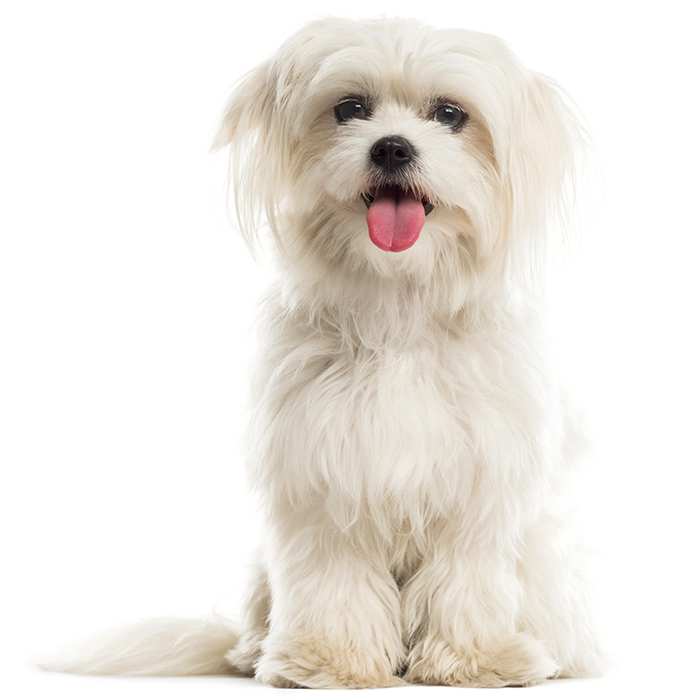
Maltese Crosses are popular small companion dogs known for their affectionate nature, bright personalities and adaptability to many different home environments. Because the term 'Maltese Cross' covers a wide range of combinations, there is no single fixed appearance or temperament, but many Maltese mixes share a gentle, people-oriented nature and are chosen by owners looking for a smaller dog that enjoys close companionship.
| Recommended for | Singles, couples, older households and families; well suited to smaller households and apartment living |
| Breed Classification | Crossbreed / companion dog |
| Other names | Maltese x, Maltese mix |
| Lifespan | Around 12 to 15 years |
| Size | Small |
| Temperament | Affectionate, lively, alert, adaptable |
| Intelligence | Above average: quick to learn, although their trainability depends partly on the other breed in the mix. Many are eager to please and respond well to short, positive training sessions using treats, praise and play. |
| Tendency to bark | Moderately vocal, although barking levels vary depending on the other breed in the mix. Many inherit the Maltese’s alert nature and may bark at visitors, unfamiliar noises or changes around the home and some may also become vocal when excited, bored or left alone. |
| Maintenance Level | Moderate: require regular grooming, daily exercise, consistent training and routine dental care, with their exact needs depending on the other breed in the mix. |
| Health Risk | Maltese crosses may inherit dental disease, luxating patellas, eye and skin problems, ear infections, and occasionally heart or liver conditions, with risks varying according to the other parent breed. |
Thinking of insuring a Maltese Cross?
Explore the Top 5 health issues claimed for Maltese Crosses, including highest claims paid and how much pet insurance could help you save on eligible vet bills.
See Maltese Cross pet insurance Ready to get cover? Get a quick quote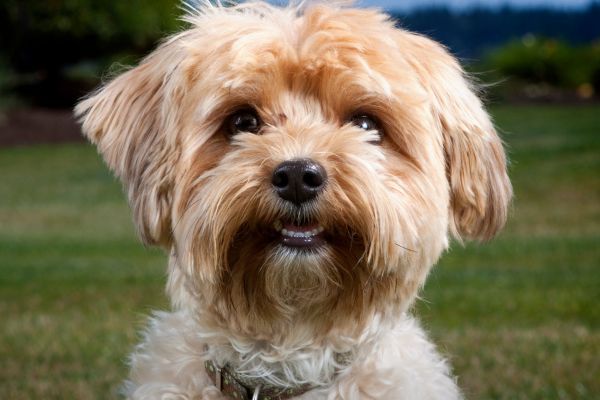
Maltese Cross personality and temperament
Maltese Cross dogs are often affectionate, alert and highly people focused. Many love companionship and enjoy being physically close to their owners, whether that means following them around the house, curling up on the couch or sleeping nearby. They are often bright little dogs with plenty of personality and can be surprisingly confident for their size.
Many Maltese Cross dogs are lively and cheerful, but not necessarily hyperactive. They usually enjoy play, short walks and interactive time with their family, and many adapt very well to a routine built around home life. Some can be vocal, especially if they are excitable, under-socialised or overly attached to their owners, and some may become unsettled if left alone for long stretches without training and support.
Because this is a crossbreed category, temperament can vary depending on the second breed involved. Some Maltese mixes are calm, cuddly and easy-going, while others are sharper, busier or more independent. In general, however, many are best described as companion-oriented dogs that like attention, routine and a close relationship with their household.
Maltese Crosses with kids and other pets
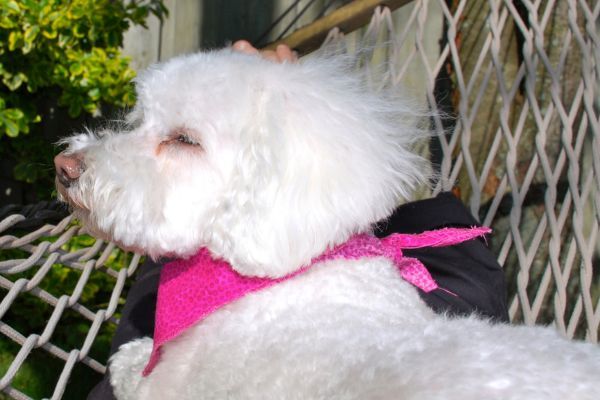
A well-socialised Maltese Cross can do very well with children and other pets, especially in homes where interactions are calm and respectful. Their small size often makes them appealing to families, but it also means they can be more vulnerable to rough handling, accidental injury or overly enthusiastic play from younger children.
In homes with children, Maltese Cross dogs usually do best when kids are old enough to understand how to handle a small dog gently. With older, considerate children, they can be affectionate and fun companions. In multi-pet homes, many get along well with other dogs and can also live successfully with cats if introduced appropriately and given time to settle.
Because they are companion dogs at heart, many Maltese Cross dogs enjoy social contact and often prefer being included rather than left out. Good early socialisation helps reduce fearfulness, fussiness and over-attachment, and can make a real difference to how confidently they handle family life, visitors and new environments.
Maltese Cross training and exercise
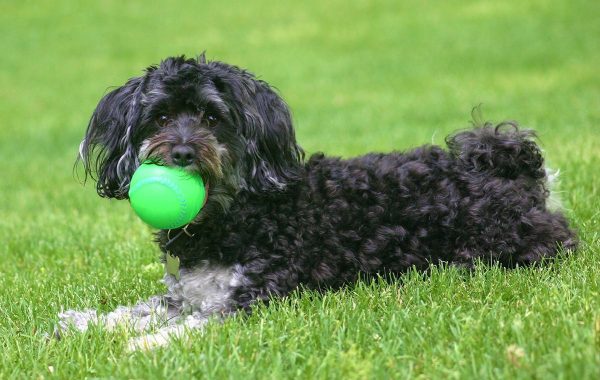
Maltese Cross dogs are usually clever and capable of learning well, but their training style often needs to be positive, short and consistent. Harsh handling tends to be unhelpful, while reward-based training with treats, praise and repetition usually works well. Many are quick to learn household routines, basic obedience and simple tricks, although some can have a stubborn streak or become distracted if sessions are too long or repetitive.
Exercise needs are usually moderate. Most Maltese Cross dogs do well with daily walks, indoor play and a few short bursts of activity or training through the day. They generally do not need the workload of a larger sporting or working breed, but they still benefit from regular movement and mental stimulation.
Because small companion dogs can be underestimated, some owners accidentally under-train them. That is a mistake. Even a very cute Maltese Cross still benefits from lead manners, recall work, social exposure, confidence-building and boundaries around barking, jumping and separation.
| Energy level | Medium |
| Exercise requirements | Low to medium |
Common health issues for Maltese Crosses
What do Maltese Cross owners claim for the most?
- Dental disease: Small dogs are often prone to plaque build-up, gum inflammation and tooth loss over time, especially if regular dental care is not maintained at home and through routine veterinary checks.
- Luxating patella: This kneecap issue can affect some small dogs and may cause skipping, limping or intermittent discomfort, with severity ranging from mild occasional instability through to more persistent mobility problems.
- Skin allergies: Sensitive skin can lead to itching, licking, redness and recurring irritation, and may be triggered by environmental factors, contact irritants, fleas or sensitivities linked to the individual dog.
- Ear infections: Dogs with hairy ear canals or floppy ears may be more prone to wax build-up, moisture retention and irritation, which can increase the risk of recurring ear infections.
- Tear staining and eye irritation: Some small companion dogs are prone to watery eyes, staining around the face and mild eye irritation, particularly where facial hair and tear overflow are ongoing issues.
Not all conditions are covered by Pet Insurance. For details of Bow Wow Meow Pet Insurance cover, refer to the Product Disclosure Statement.
How to choose the right insurance for your Maltese Cross
When comparing cover for your Maltese Cross, look for:

Cover for common Maltese Cross conditions:
Check that the policy covers conditions Maltese Crosses can be prone to, including common health issues.

Cover for hereditary conditions:
No exclusions for hereditary or congenital conditions⑅.

Flexible cover options:
Options to adjust your annual benefit limit, reimbursement rate and excess.
Bow Wow Meow's Nose-to-Tail Cover offers flexible options for your Maltese Cross, with cover for accidental injuries, illnesses and hereditary conditions⑅. Get a quick quote for cover that suits your Maltese Cross and your budget.

Maltese Cross feeding and nutrition
A Maltese Cross should be fed a complete, good-quality diet suited to its age, body size and activity level. Small dogs often have fast metabolisms but can still gain weight quickly if overfed, particularly when owners use extra treats, table scraps or free feeding. Portion control matters.
Some Maltese Cross dogs can be fussy eaters, while others are enthusiastic and opportunistic around food. Either way, a clear feeding routine helps. Puppies, adults and senior dogs all have different needs, and owners should also adjust feeding according to whether the dog is sedentary, moderately active or carrying extra weight.
Dental health also matters for small dogs, so food choice should be considered alongside regular dental care rather than in isolation. Fresh water, sensible treats and maintaining a lean body condition all play an important role in long-term wellbeing.
Maltese Cross care and grooming
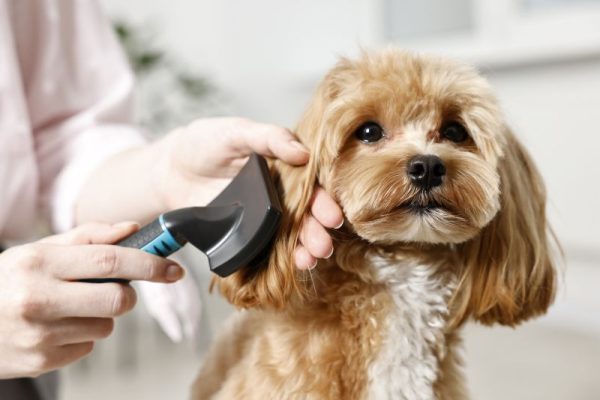
Grooming needs in a Maltese Cross can range from relatively straightforward to fairly high-maintenance, depending on coat type. A silky, fluffy or wavy coat may require frequent brushing to prevent knots and matting, especially around the ears, legs, tail and chest. Dogs with longer coats may also need regular clipping or professional grooming.
Even where the coat is easier-care, Maltese Cross dogs still benefit from routine brushing to remove loose hair and keep the coat and skin in good condition. Tear staining, facial hygiene, ear cleaning and dental care can all be important, particularly in dogs with long facial hair or narrower jaws.
Owners should also keep nails short, check for skin irritation and stay on top of parasite prevention. In short, these dogs may be small, but they are not always low maintenance. Their grooming needs often depend less on their size and more on the coat they inherit.
Size, appearance and coat of Maltese Crosses
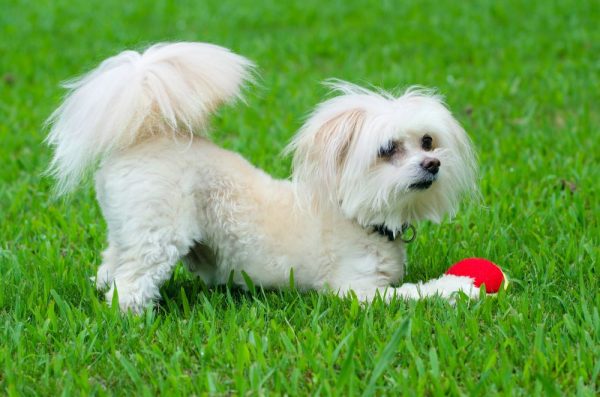
Maltese Cross dogs are generally small, fine-boned to moderately built companion dogs, but their exact shape and look can vary significantly depending on the other breed involved. Some are delicate and elegant in build, with a light frame and refined features, while others are sturdier and more robust. Many have expressive eyes, compact bodies and a soft, friendly appearance that tends to appeal strongly to companion-dog owners.
Their ears may be dropped or semi-erect, their muzzle can be short, medium or more refined, and their body proportions can vary from neat and compact through to slightly longer or more lightly built. Their coats also differ widely, which is one reason Maltese Cross dogs do not fit one neat visual template.
| Weight range | Usually around 3 to 8 kg, although some may be lighter or heavier depending on the cross. |
| Height range | Usually around 20 to 30 cm at the shoulder, with some variation depending on the other breed. |
| Colours | Often white, cream, apricot, tan, gold, black, grey or mixed colours, sometimes with patches or markings. |
| Coat length | Can be short, medium or long, and may be silky, fluffy, wavy or soft-textured depending on the mix. |
Breed history of Maltese Crosses
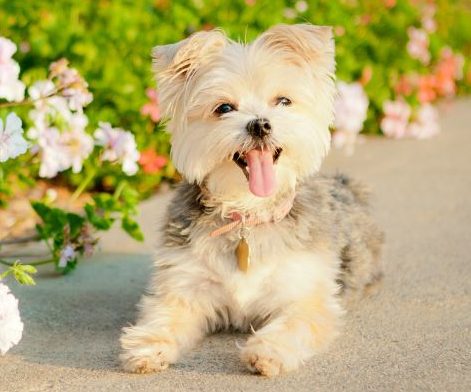
The Maltese Cross is not a recognised pure breed with a fixed breed standard, but rather a mixed-breed dog with Maltese heritage. In many cases, these dogs have been bred as companion animals, often with the aim of combining the affectionate, people-focused qualities of the Maltese with other desirable traits such as a lower-shedding coat, a slightly sturdier body, a different facial appearance or a broader range of colour patterns.
The Maltese itself has a very long history as a companion dog, and that influence is still easy to see in many Maltese Cross dogs today. Even where the second breed contributes strongly to the dog’s appearance, the Maltese side often shows through in the dog’s desire to be near people, its alert but affectionate nature and its suitability as an indoor household companion. Over time, Maltese crosses have become especially popular with owners who want a small, friendly dog but are less concerned with pedigree status than with temperament, practicality and family fit.
Because Maltese Cross is such a broad category, no two dogs are exactly alike. Some lean strongly toward the Maltese in size and temperament, while others take after the other parent breed more noticeably. That variety is part of the appeal, but it also means owners need to look at the individual dog rather than assuming every Maltese Cross will behave or mature in the same way.
Explore related breeds
Maltese Cross facts!
- Maltese Cross dogs are often chosen for their affectionate nature and manageable size.
- No two Maltese Cross dogs look exactly the same, which is part of their appeal.
- Many Maltese mixes think they are much bigger dogs than they really are.
- They often love being close to their people and can quickly become little shadows around the home.
- Their small size makes them popular with apartment dwellers and households wanting an indoor companion.

Summary
The Maltese cross is not a single recognised breed, but a broad term for dogs with one Maltese parent and another purebred or mixed-breed parent. These small companion dogs are often affectionate, lively and people-oriented, with their appearance, temperament and coat type varying according to the other breed in the mix. Many are intelligent, adaptable and well suited to apartment living, although some can be alert and moderately vocal.
Their exercise, grooming and training needs also vary, but most benefit from daily walks, play, mental stimulation and gentle, reward-based training. Maltese crosses may inherit health concerns from either parent, including dental disease, luxating patellas, eye and skin problems, ear infections, and occasionally heart or liver conditions. Responsible breeding, regular veterinary care and maintaining a healthy weight can help support their long-term wellbeing.
FAQs about the Maltese Cross
A Maltese Cross is a Maltese crossed with another purebred or mixed-breed dog. As a crossbreed, appearance, coat, size and temperament can vary between individuals.
They can make good family companions, but temperament can vary between individuals and, for crosses, according to the other breed in the mix. Early socialisation and consistent training are important.
Moderate. Daily walks and play are generally appropriate, adjusted for the dog’s age, health and individual energy level.
They are intelligent but can be independent or strong-willed, so patient, consistent reward-based training and early socialisation are important.
They are generally low to moderate or moderate barkers, although barking can increase with boredom, excitement, anxiety or unfamiliar activity.
Coat type and shedding can vary considerably depending on the other breed in the mix, so neither low shedding nor a particular grooming requirement can be guaranteed.
Yes, they can adapt well to apartment living provided they receive sufficient daily exercise, mental stimulation and companionship.
They can live happily with respectful children and other pets when well socialised, but their small or delicate size means interactions with young children should be closely supervised.
Potential health concerns include dental, joint, eye, skin, heart or liver conditions depending on the other breed in the mix.
MORE INFORMATION
Maltese Dog Owners – AUSTRALIA: https://www.facebook.com/groups/310303159836594/
Maltese Club of Victoria Inc: http://www.malteseclubvic.net/

Get 2 months free for your puppy!
Congrats on your new bundle of joy
To ensure your precious fur baby is covered from the start, we'd like to offer your first 2 months of our Nose-to-Tail Cover for free2!
Get a quick quote