Is the Italian Greyhound a good family dog?


Italian Greyhound
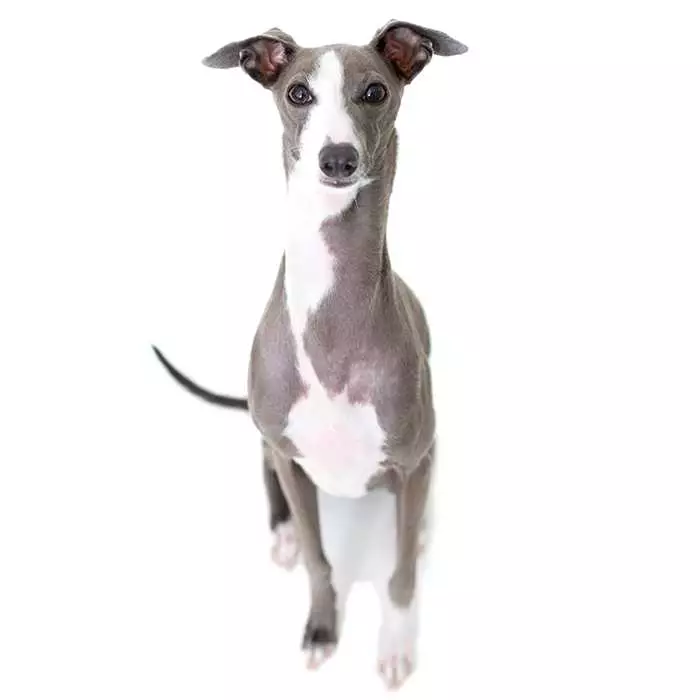
Italian Greyhounds are graceful and affectionate toy sized dogs with a sleek, delicate build. Originally bred as a companion for nobles, this playful and gentle breed enjoys short bursts of speed but is also content to cuddle and relax indoors. Well-suited for apartment living, they thrive with companionship and kindness but can be sensitive and prone to separation anxiety.
| Recommended for | Owners who can provide a secure indoor environment, enjoy affectionate companions, and have time for gentle play and bonding |
| Breed Classification | Toy Group |
| Other names | IG, Iggy |
| Lifespan | 12 to 15 years |
| Size | Small |
| Temperament | Gentle, affectionate, playful, loyal, sensitive |
| Intelligence | High |
| Tendency to bark | Low; typically when alarmed or seeking attention |
| Maintenance Level | Minimal grooming needs, with moderate exercise requirements |
| Health Risk | This breed has an around average probability of having health issues in its lifetime, hence it is one of the less expensive breeds to insure. |
Thinking of insuring an Italian Greyhound?
Explore the Top 5 health issues claimed for Italian Greyhounds, including highest claims paid and how much pet insurance could help you save on eligible vet bills.
See Italian Greyhound pet insurance Ready to get cover? Get a quick quote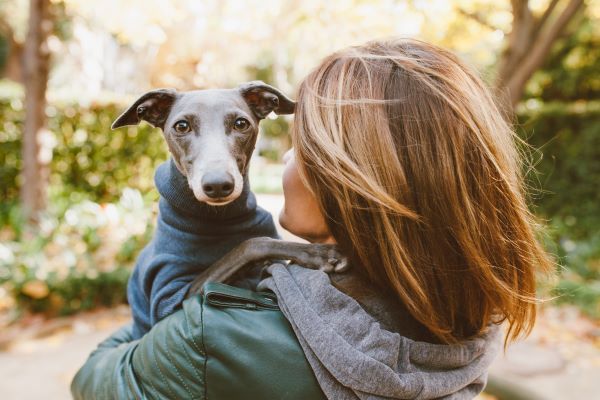
Italian Greyhound personality and temperament
The Italian Greyhound is a gentle and affectionate breed with a loving nature, even temperament and playful demeanor. Originally bred as a companion for nobles, they thrive in households where they can form close bonds with their families. IGs are gentle dogs who love nothing better than snuggling up on the lounge under a blanket with their owner.
Sociable and affectionate, Italian Greyhounds enjoy being the centre of attention and are happiest when involved in family activities. Despite their small size, they have a surprising amount of energy and require regular mental and physical stimulation to stay well-balanced. Without proper engagement, they can become bored or anxious, so a stable routine is important.
This breed is best suited to homes where they can be pampered and included in daily life; this is not a dog to take home and leave in the back yard. IGs are adaptable to various environments, from city apartments to suburban homes, as long as their need for companionship and exercise is met. They love the company of their owners but may be a bit shy around strangers.
Italian Greyhounds with kids and other pets
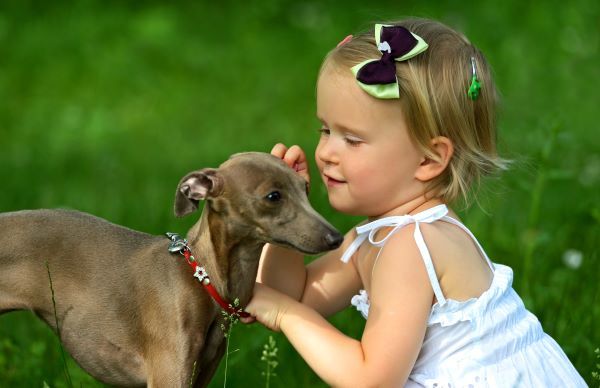
The Italian Greyhound is a loving and gentle companion, making it a wonderful choice for families with children. Their affectionate and playful nature allows them to form strong bonds with kids, especially in calm and nurturing households. However, because of their small size and delicate build, they are not really recommended for households with young children that may inadvertently cause injuries, and are best suited for families with older children who understand how to handle them gently. Supervised interactions are essential to ensure safe and positive relationships between the dog and younger family members.
Italian Greyhounds are typically friendly with other dogs, especially those with a similar temperament and size. However, their sighthound prey drive may lead them to chase smaller animals like cats or rabbits. Early socialisation and consistent training are key to helping them adapt to living with other pets.
Italian Greyhound training and exercise
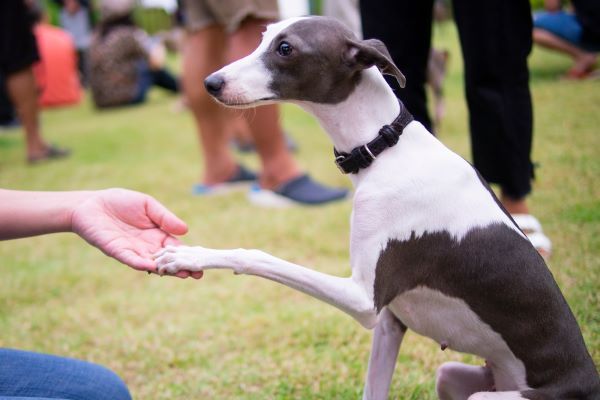
The Italian Greyhound is a moderately energetic breed that thrives with regular exercise and mental stimulation. While their small size means they don’t require as much physical activity as larger breeds, daily walks, short bursts of running, and interactive play are essential to keep them happy and well-balanced. Being from the sight hound family, they love the chase things and that means they should never be trusted off leash.
Activities like agility and lure coursing are excellent for engaging their natural athleticism and providing mental challenges. Without enough exercise, they may become bored or develop undesirable behaviours.
Training an Italian Greyhound requires patience, consistency, and positive reinforcement. Though they can be a bit stubborn, their intelligence and eagerness to please make them quick learners, and their sensitive nature means they respond best to gentle encouragement. It may be a bit challenging to house train an IG as they will be reluctant to get their feet wet if it is raining outside. Early socialisation is crucial to building their confidence and helping them adapt to new experiences.
| Energy level | Moderate |
| Exercise requirements | Moderate |
Common health issues for Italian Greyhounds
What do Italian Greyhound owners claim for the most?
- Cataracts occur when the lens of the eye becomes cloudy, leading to impaired vision and, in severe cases, blindness. While cataracts are more common in senior Italian Greyhounds, they can also appear in younger dogs due to hereditary factors.
- Hypothyroidism occurs when the thyroid gland does not produce enough of the thyroid hormone. An underactive thyroid gland can lead to symptoms like weight gain, lethargy, and skin issues. Lifelong medication and dietary adjustments can help manage the condition effectively.
- Patellar luxation occurs when the kneecap dislocates from its normal position, causing intermittent lameness or difficulty walking. It is common in small breeds and may require surgical intervention in severe cases.
- Progressive retinal atrophy (PRA) is an inherited condition causing gradual vision loss and eventual blindness due to retinal degeneration. Symptoms include difficulty seeing in low light and dilated pupils. Genetic testing can help identify carriers and reduce the likelihood of the condition in future generations.
- Epilepsy is a neurological disorder that can cause seizures. In simple terms, a seizure is an abnormal, uncontrolled burst of electrical activity in the brain. With proper medication and monitoring, affected Italian Greyhounds can maintain a good quality of life.
- Hip Dysplasia is a hereditary condition involving the abnormal development of the hip joint, leading to pain, stiffness, and arthritis. Early detection and weight management are key to minimising its impact. Although less common in Italian Greyhounds compared to larger breeds, hip dysplasia can occur.
- Leg Fractures can occur in the breed. Due to their delicate and slender frame, Italian Greyhounds are susceptible to leg fractures, especially during high-impact activities or rough play. Providing a safe environment and careful supervision can help prevent injuries.
- Allergies can be triggered by environmental factors, food, or contact irritants. Symptoms include itching, redness, and frequent scratching or licking. A vet can help identify and manage these triggers.
- Dental Disease is common in Italian Greyhounds including issues such as tartar buildup, gum disease, and tooth loss. Regular dental care, including daily brushing and professional cleanings, is essential to prevent these problems.
Not all conditions are covered by Pet Insurance. For details of Bow Wow Meow Pet Insurance cover, refer to the Product Disclosure Statement.
How to choose the right insurance for your Italian Greyhound
When comparing cover for your Italian Greyhound, look for:

Cover for common Italian Greyhound conditions:
Check that the policy covers conditions Italian Greyhounds can be prone to, including common health issues.

Cover for hereditary conditions:
No exclusions for hereditary or congenital conditions⑅.

Flexible cover options:
Options to adjust your annual benefit limit, reimbursement rate and excess.
Bow Wow Meow's Nose-to-Tail Cover offers flexible options for your Italian Greyhound, with cover for accidental injuries, illnesses and hereditary conditions⑅. Get a quick quote for cover that suits your Italian Greyhound and your budget.
Italian Greyhound feeding and nutrition
The Italian Greyhound’s diet plays a vital role in maintaining their health, energy, and well-being. As a small and agile breed with low body fat and fragile bones, they need high-quality food rich in protein and essential nutrients. A diet tailored to small, active dogs ensures they receive the right balance of nutrients throughout their life. Consulting a veterinarian can help determine the best food and portion sizes for their specific needs.
Puppies require a nutrient-packed diet to support their rapid growth, while adults benefit from balanced meals that sustain their energy levels without causing weight gain. Seniors may need food with fewer calories and added joint support to manage their aging bodies and maintain mobility. Adjusting their diet as they age helps keep them healthy and active.
Managing portion sizes is essential for preventing obesity, which can strain their delicate frame. Regular mealtimes, along with monitoring their weight and overall health, ensure they stay in peak condition. Routine vet visits are key to identifying and addressing any nutritional concerns early, helping your Italian Greyhound remain a happy and thriving companion.
Italian Greyhound care and grooming
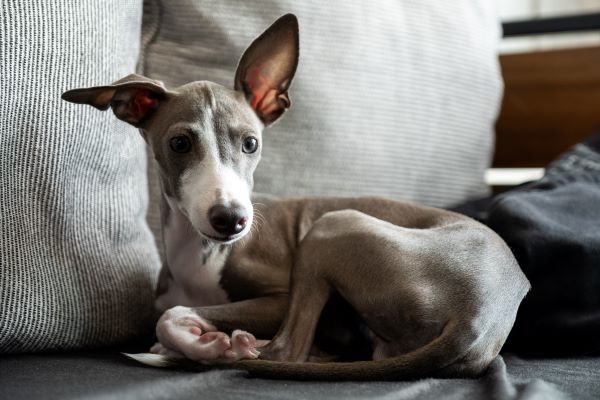
Italian Greyhounds are a low-maintenance breed when it comes to grooming, but regular care is essential to keep them healthy and looking their best. Their short, fine coat is smooth and close-fitting, shedding minimally throughout the year. Unlike most dogs, Italian Greyhounds have a nearly odourless coat, making them perfect for indoor living. They are highly sensitive to temperature changes because of their fine coat and may require sweaters or blankets in cooler weather.
Weekly brushing is sufficient to remove loose hair, maintain their coat’s softness, and distribute natural oils for a healthy shine. Their coat does not require trimming or clipping and should never be shaved, as it plays a vital role in temperature regulation. A quick tidy around the paws can enhance their neat appearance if needed.
Bathing is only necessary occasionally or when they get particularly dirty, as their coat naturally repels dirt to some extent. Regular nail trimming is important to prevent overgrowth, which can cause discomfort or mobility issues. Routine ear cleaning reduces the risk of infections, especially since their ears can trap dirt or debris. Dental care is equally crucial, with daily or weekly brushing recommended to prevent tartar buildup and maintain overall oral health.
Size, appearance and coat of Italian Greyhounds
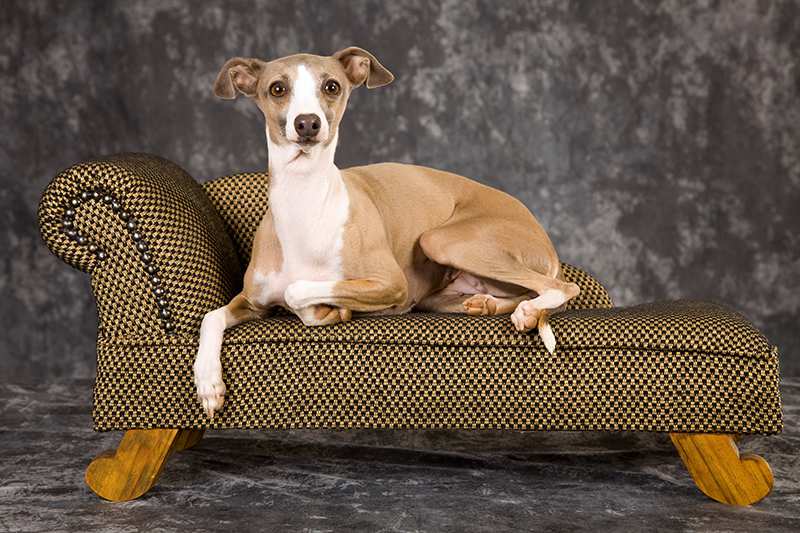
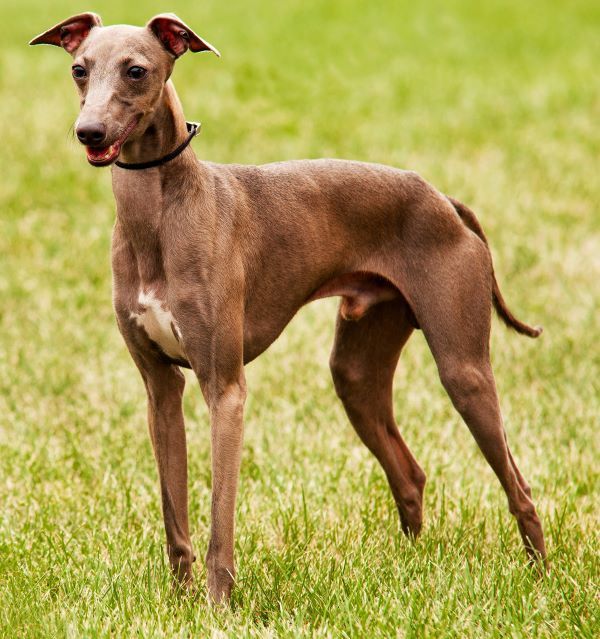
Italian Greyhounds are small and fine-boned dogs with a slim, graceful body and an elegant appearance. Their body is well-proportioned, with a deep chest, long legs, and a narrow frame designed for speed and endurance. Their head is long and slender, with a slightly domed skull, a tapered muzzle, large, expressive eyes, and small ears that fold back.
Their coat is short, fine, and silky to the touch, lying close to the body. Coat colours vary widely, including shades such as fawn, blue, black, white, and combinations of these.
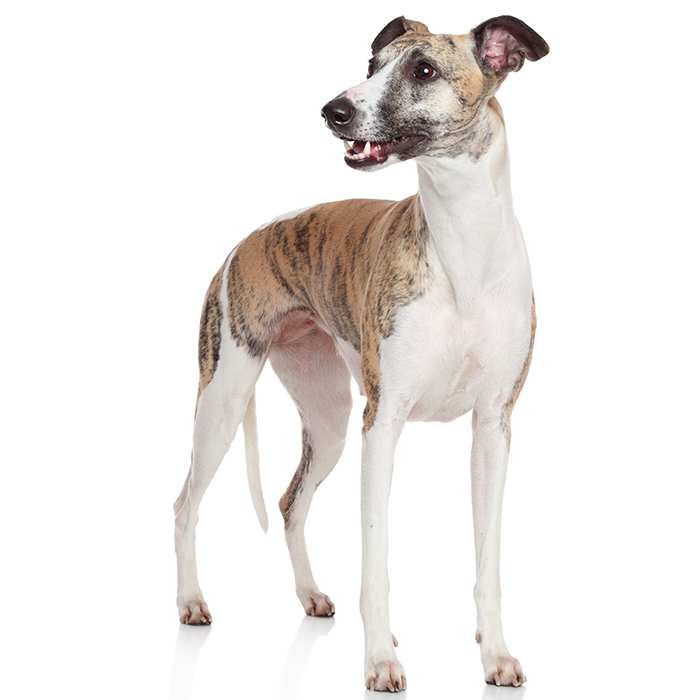
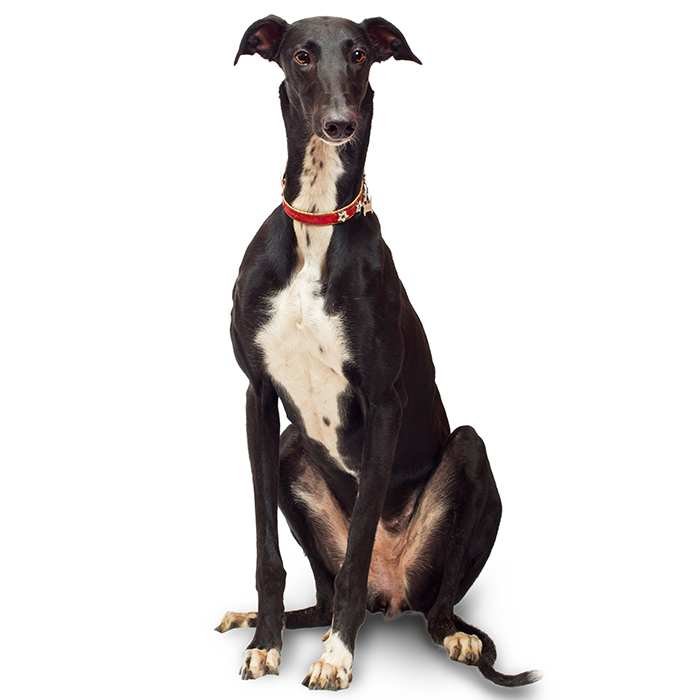
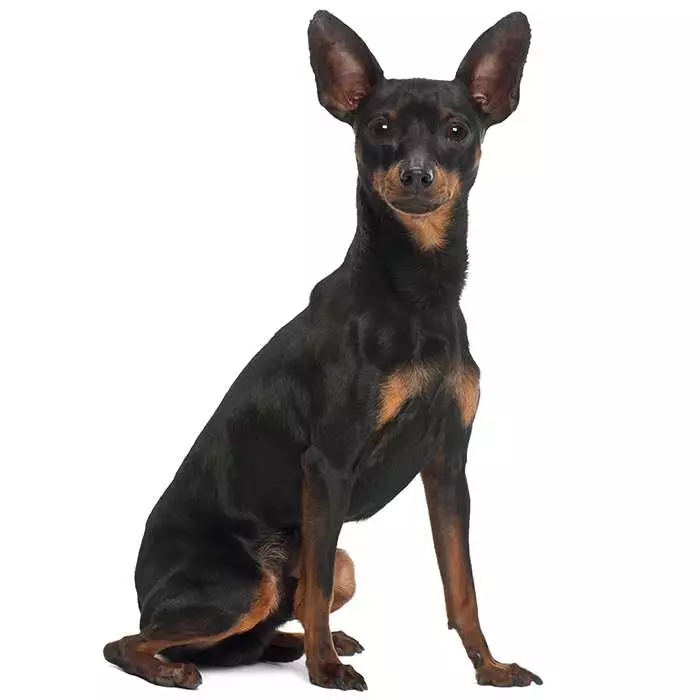
It looks quite similar to the Whippet but it is smaller in size and stature.
| Weight range | 3.5 to 6 kg |
| Height range | 32 to 38 cm |
| Colours | Fawn, blue, black, white, red, cream, and combinations such as black and white or blue and white |
| Coat length | Short, fine, and smooth |
Breed history of Italian Greyhounds
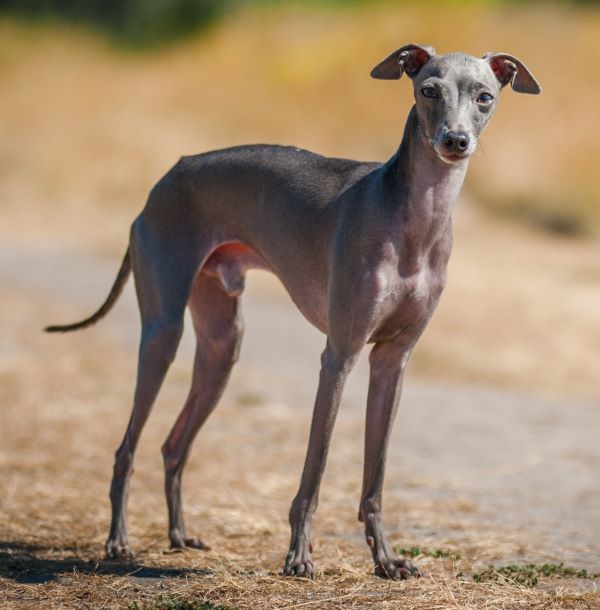
The Italian Greyhound is one of the oldest toy breeds still in existence, with its origins tracing back over 2,000 years to ancient Egypt, Greece, and Rome. Depictions of small Greyhound-like dogs have been found in Egyptian tombs, Roman artifacts, and ancient Mediterranean art, suggesting they were favored companions of nobility. The breed was particularly popular among Greek and Roman aristocrats, who admired their elegance and speed.
During the Renaissance period, Italian nobles further refined the breed, leading to its name, Italian Greyhound. It became a symbol of status and sophistication, often appearing in portraits of European royalty, including Catherine the Great and Frederick the Great.
In 1886 the Italian Greyhound was registered by the American Kennel Club and their numbers began to increase. The breed experienced a large decline across Europe during the World Wars, but dedicated breeders worked tirelessly thereafter and restored the numberss thanks to breeding from American stock.
The Italian Greyhound was introduced to Australia in the early to mid-20th century, though it remained a relatively rare breed for several decades. While still not a mainstream breed, it has a dedicated following among those who appreciate its small yet elegant appearance and affectionate nature.
Explore related breeds
Italian Greyhound facts!
- The Italian Greyhound is closely related to both the Greyhound and the Whippet, with all three breeds belonging to the sighthound family and sharing common ancestry.
- Despite their dainty appearance, Italian Greyhounds are surprisingly fast, capable of reaching speeds up to 40 km/h.
- Their sighthound heritage means they excel at spotting movement from great distances.
- The breed’s slender frame and delicate legs make them prone to injury, particularly during high-energy play or jumping from heights.
- Italian Greyhounds feel the cold so it’s best to purchase a cute coat for winter to keep them warm.
- The Italian Greyhound can also be known as the IG or Iggy.
Summary
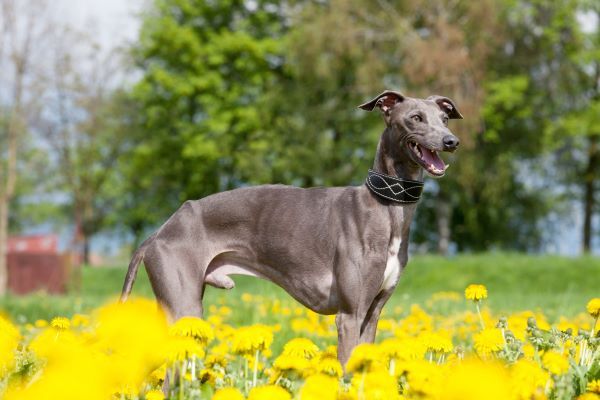
Italian Greyhounds are affectionate, graceful, and loyal companions, making them an excellent choice for individuals or families seeking a gentle and loving pet. Their sleek and elegant build, combined with their playful and affectionate nature, allows them to bond deeply with their owners while fitting seamlessly into a variety of lifestyles. While they thrive in calm households, their adaptability makes them equally at home in both apartments and larger spaces, provided their moderate exercise needs are met.
Known for their intelligence and sensitivity, Italian Greyhounds respond well to positive reinforcement during training and are eager to please their owners. Their low-maintenance grooming requirements and minimal shedding make them ideal for those who prefer a clean, easy-to-care-for pet. Their loyal and cuddly temperament also makes them perfect lap dogs, forming close bonds and providing emotional comfort to their families.
With regular care, attention, and gentle handling, Italian Greyhounds reward their owners with years of loyalty, affection, and companionship. For those seeking a graceful, loving, and devoted dog, the Italian Greyhound is a breed that stands out.
FAQs about the Italian Greyhound
They are often gentle and affectionate with their families, although their independent nature and prey drive should be considered when choosing the right household.
Moderate to high. Daily walks, play and mental enrichment are important, with regular opportunities for more active exercise.
They are intelligent but can be independent or strong-willed, so patient, consistent reward-based training and early socialisation are important.
They are generally low to moderate or moderate barkers, although barking can increase with boredom, excitement, anxiety or unfamiliar activity.
Yes. They generally shed a low to moderate or moderate amount and benefit from routine brushing.
Yes, they can adapt well to apartment living provided they receive sufficient daily exercise, mental stimulation and companionship.
They can live happily with respectful children and other pets when well socialised, but their small or delicate size means interactions with young children should be closely supervised.
Potential health concerns include dental disease, patellar luxation, leg fractures and inherited eye disorders.
MORE INFORMATION
The Italian Greyhound Club: https://theitaliangreyhoundclub.co.uk/
Italian Greyhound Club of America: https://italiangreyhound.org/

Get 2 months free for your puppy!
Congrats on your new bundle of joy
To ensure your precious fur baby is covered from the start, we'd like to offer your first 2 months of our Nose-to-Tail Cover for free2!
Get a quick quote