What is a American Staffordshire Terrier Cross?


American Staffordshire Terrier Cross
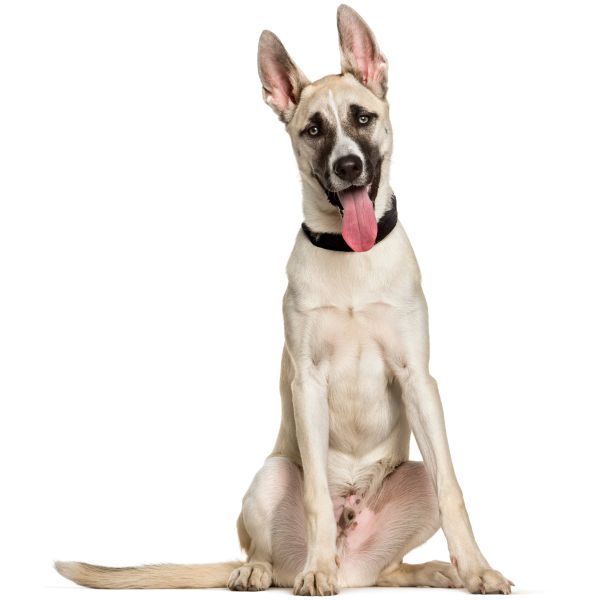
American Staffordshire Terrier Cross dogs are strong, loyal and people-oriented dogs that often combine confidence, athleticism and a deeply affectionate nature toward their families. While their exact appearance and temperament can vary depending on the mix, many inherit the American Staffordshire Terrier's muscular build, determination and close attachment to their owners. They often suit households that want a capable, engaged dog and are prepared to invest in training, socialisation and structure from an early age.
| Recommended for | Active owners and families confident with strong dogs |
| Breed Classification | Crossbreed / bull-type companion dog |
| Other names | Amstaff Cross, American Staffy Cross |
| Lifespan | Around 10 to 14 years |
| Size | Medium to large |
| Temperament | Loyal, confident, affectionate, energetic |
| Intelligence | Above average |
| Tendency to bark | Low to moderate |
| Maintenance Level | Low to medium |
| Health Risk | Moderate to above moderate |
Thinking of insuring an American Staffordshire Terrier Cross?
Explore the Top 5 health issues claimed for American Staffordshire Terrier Crosses, including highest claims paid and how much pet insurance could help you save on eligible vet bills.
See American Staffordshire Terrier Cross pet insurance Ready to get cover? Get a quick quote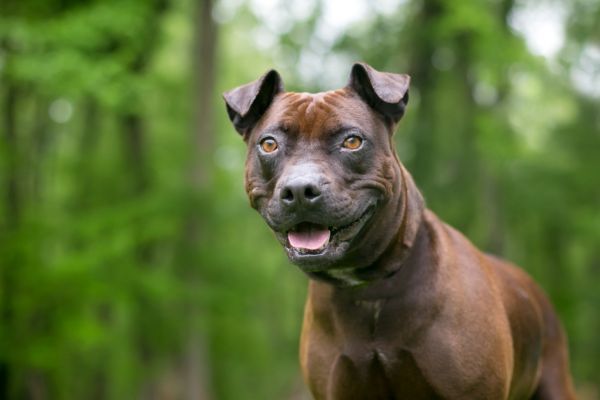
American Staffordshire Terrier Cross personality and temperament
These dogs are often affectionate, loyal and highly connected to their people. Many American Staffordshire Terrier Cross dogs love being involved in family life and can be playful, funny and enthusiastic companions at home. They often have a big emotional presence and do not always realise their own strength.
At the same time, many are confident, determined and physically capable dogs that need boundaries. They can be excitable when young, strong on lead and prone to pushing limits if owners are inconsistent. Some are sociable and easy-going, while others are more selective with unfamiliar dogs or less tolerant of chaotic environments.
Temperament depends heavily on breeding, socialisation and management. A stable dog of this type is usually affectionate and people-focused, but that does not mean effortless. They tend to do best with owners who are calm, structured and prepared to train properly rather than relying on the dog simply ‘growing out of it’.
American Staffordshire Terrier Crosses with kids and other pets
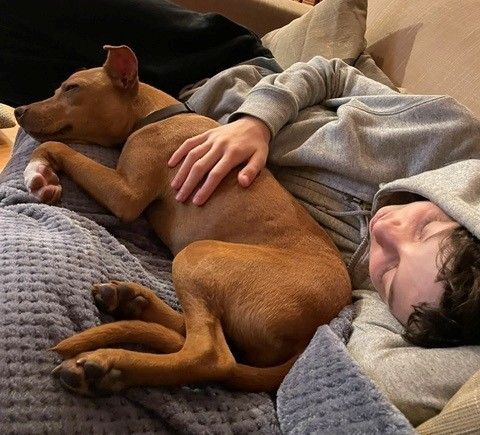
A well-bred, well-socialised American Staffordshire Terrier Cross can be a very loving family dog and may form strong bonds with children in the home. Many are affectionate, playful and eager to be close to their people. However, because these dogs are strong and sometimes exuberant, supervision around younger children is important.
With other pets, outcomes can vary. Some live happily with other dogs and even cats when raised with them, while others may be less socially tolerant or more intense in their play style. Early, thoughtful socialisation makes a real difference, but owners should not assume every dog of this type will be easy with all animals.
The main issue is not that these dogs cannot be good family dogs. Many absolutely can. The issue is that their strength, confidence and enthusiasm mean family suitability depends heavily on training, sensible handling and owner awareness.
American Staffordshire Terrier Cross training and exercise
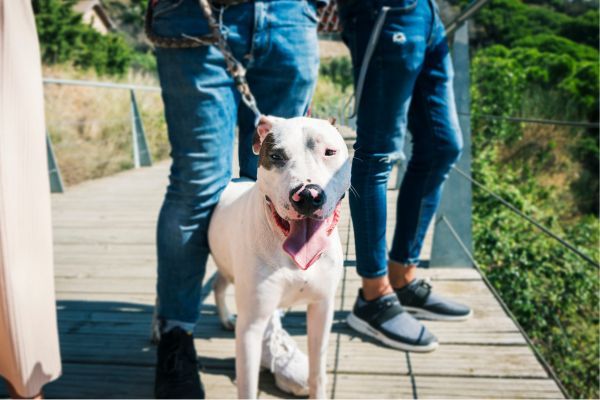
American Staffordshire Terrier Cross dogs usually benefit from structured, ongoing training from a young age. They often respond well to reward-based work, especially when it is clear, consistent and purposeful. Basic obedience, loose-lead walking, recall, calm greetings and social behaviour around other dogs are all worth prioritising.
Exercise needs are usually moderate to high. These dogs often enjoy daily walks, active play, training games, tug, scent activities and mentally engaging routines. They are generally not the kind of dog that does well with nothing more than a quick lap of the block and then boredom at home.
Because they are strong and often food-motivated, they can make good learners when training is done properly. The real risk is under-training a physically powerful dog, not overestimating its intelligence.
| Energy level | High |
| Exercise requirements | High |
Common health issues for American Staffordshire Terrier Crosses
What do American Staffordshire Terrier Cross owners claim for the most?
- Skin allergies – Skin irritation, itchiness and recurring redness can be a problem in bull-type dogs, and may involve the feet, ears, belly or coat depending on the trigger and severity.
- Cruciate ligament injuries – Strong, active dogs can be prone to knee injuries involving the cruciate ligament, which may cause lameness, pain and reduced mobility and sometimes require ongoing management or surgery.
- Hip and joint problems – Joint strain or developmental issues can affect comfort and movement, particularly in heavier or more muscular dogs where excess body weight adds further pressure over time.
- Ear infections – Ear inflammation can occur on its own or alongside allergy issues, and recurring infections may lead to discomfort, head shaking, scratching and the need for repeated treatment.
- Weight-related strain – Carrying extra weight places additional pressure on joints, ligaments and general movement, which is particularly important in strong, compact dogs that are already built with plenty of substance.
Not all conditions are covered by Pet Insurance. For details of Bow Wow Meow Pet Insurance cover, refer to the Product Disclosure Statement.
How to choose the right insurance for your American Staffordshire Terrier Cross
When comparing cover for your American Staffordshire Terrier Cross, look for:

Cover for common American Staffordshire Terrier Cross conditions:
Check that the policy covers conditions American Staffordshire Terrier Crosses can be prone to, including common health issues.

Cover for hereditary conditions:
No exclusions for hereditary or congenital conditions⑅.

Flexible cover options:
Options to adjust your annual benefit limit, reimbursement rate and excess.
Bow Wow Meow's Nose-to-Tail Cover offers flexible options for your American Staffordshire Terrier Cross, with cover for accidental injuries, illnesses and hereditary conditions⑅. Get a quick quote for cover that suits your American Staffordshire Terrier Cross and your budget.
American Staffordshire Terrier Cross feeding and nutrition
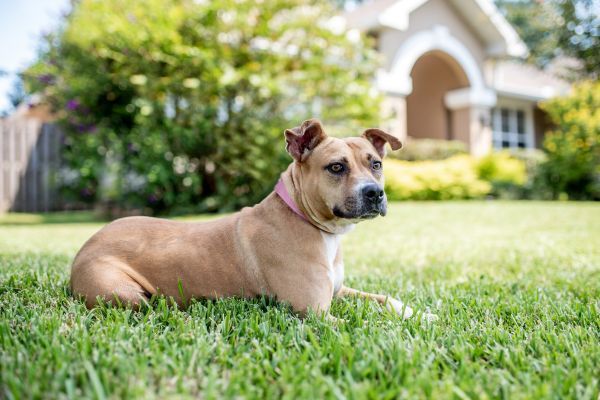
A good-quality diet matched to age, body condition and activity level is important for this type of dog. Many American Staffordshire Terrier Cross dogs are muscular and active, so owners often assume they can eat large amounts without consequence. That is not always true. These dogs can gain weight quickly, and excess condition can put unnecessary pressure on joints and overall mobility.
Protein quality, sensible portion control and measured treats all matter. Puppies need careful growth management, especially if they are likely to mature into a stronger or heavier frame. Adults should be kept lean and fit rather than heavily covered. Food can also be a useful training tool, but owners need to count training rewards as part of the total daily intake.
American Staffordshire Terrier Cross care and grooming
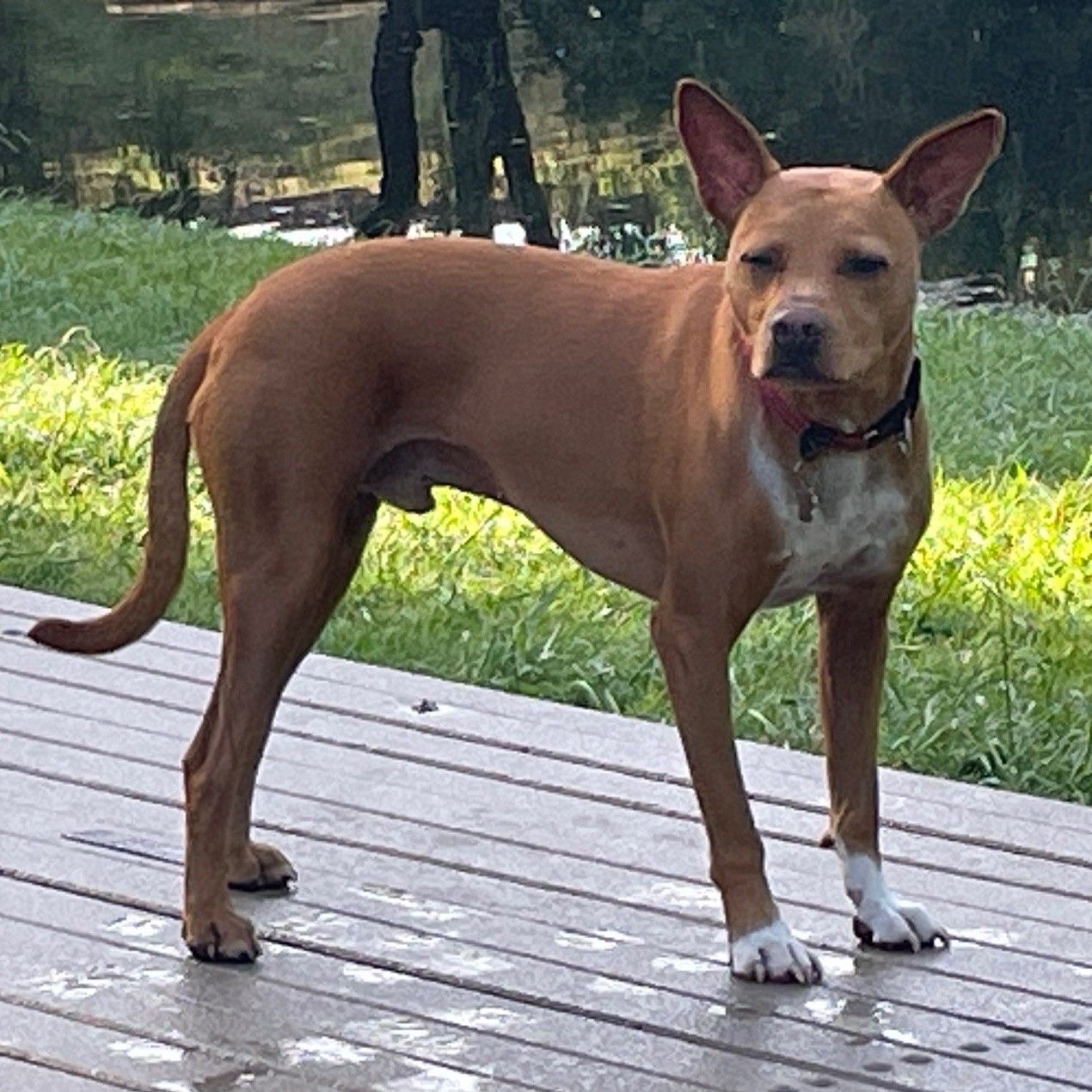
These dogs are usually straightforward to groom thanks to a short, smooth coat. Weekly brushing is often enough to remove loose hair and keep the coat looking healthy. Bathing can be occasional unless the dog is particularly muddy, active outdoors or prone to skin irritation.
The more important care issues are usually skin, ears, nails and teeth. Some dogs of this type are prone to sensitive skin or allergies, so owners should keep an eye out for redness, itchiness or recurrent irritation. Nail trimming, dental hygiene and regular checks for lumps, abrasions or paw damage are also sensible, especially in active dogs.
Size, appearance and coat of American Staffordshire Terrier Crosses
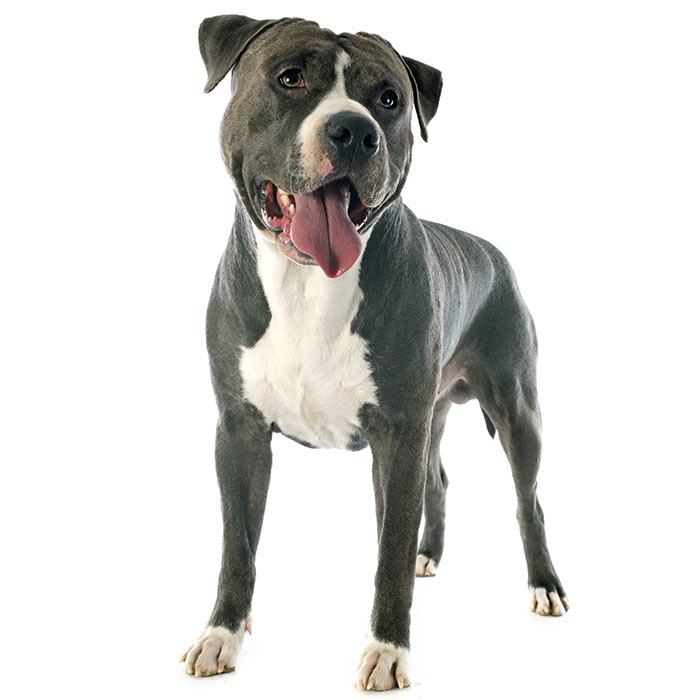
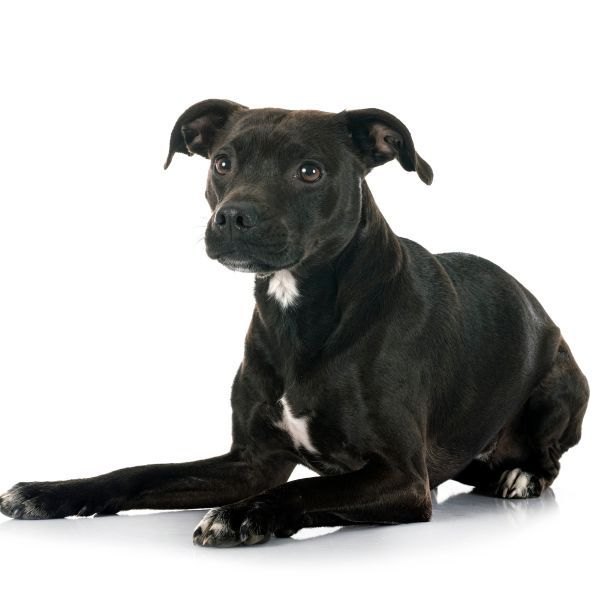
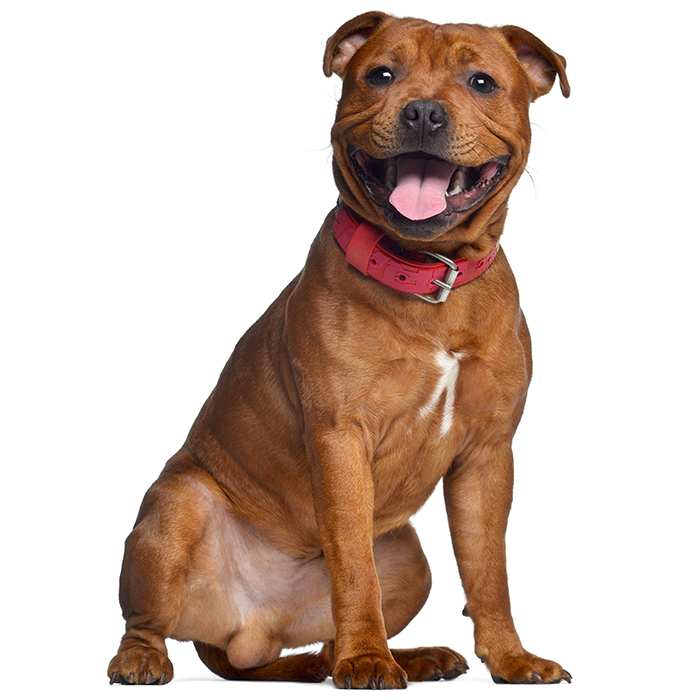
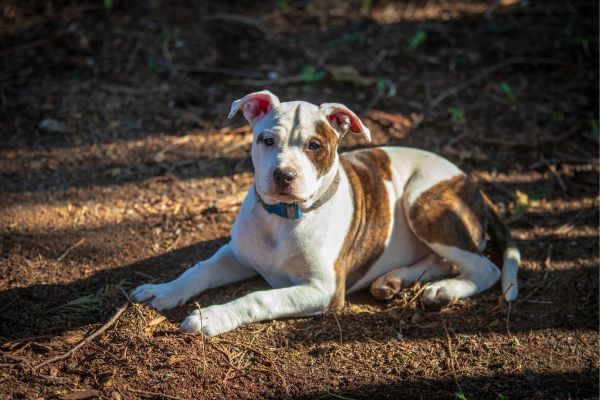
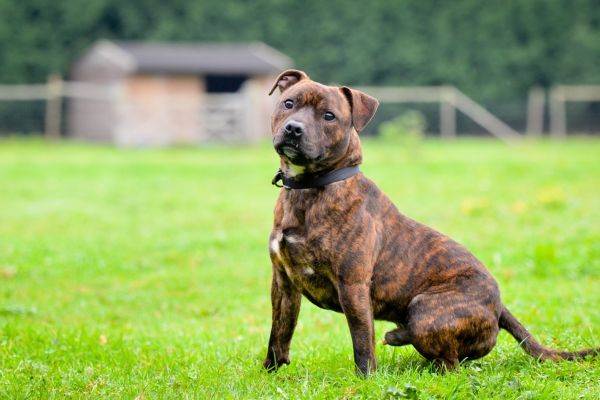
American Staffordshire Terrier Cross dogs are usually medium to large, muscular and athletic, with a broad chest, strong neck and solid frame. Many have a short, smooth coat, a powerful jaw and a compact but strong body. Some are taller and leaner depending on the other breed involved, while others are heavier-set and more heavily muscled.
Their head shape can vary from broad and blocky to more moderate, and ear carriage may be rose, semi-pricked or folded. In general, they tend to give an impression of strength, confidence and physical capability. They are not usually delicate dogs, and their substance is one of the reasons early lead training and good manners matter so much.
| Weight range | Usually around 18 to 32 kg, though some may be outside that range depending on the mix. |
| Height range | Usually around 43 to 53 cm at the shoulder, with variation based on body type and parentage. |
| Colours | Common colours include blue, black, brindle, fawn, tan, white, red and mixed patterns, often with white markings. |
| Coat length | Usually short and smooth, with relatively low coat maintenance. |
Breed history of American Staffordshire Terrier Crosses
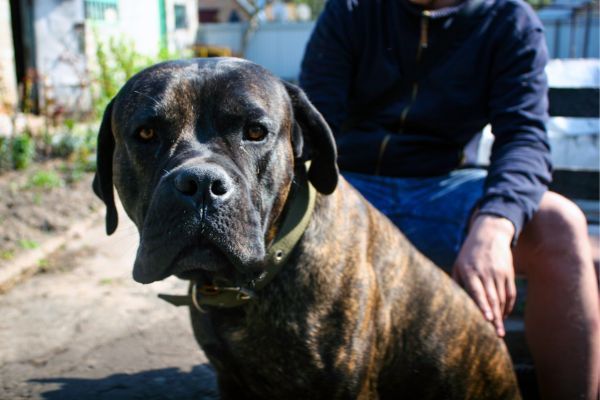
The American Staffordshire Terrier Cross reflects the continuing popularity of bull-type companion dogs in Australia and elsewhere. The American Staffordshire Terrier itself developed from older bull-and-terrier lines and became known as a muscular, capable and people-oriented dog. In crossbred form, these dogs often retain that physical confidence and family loyalty while also taking on characteristics from the other breed in the mix.
In many cases, American Staffordshire Terrier crosses have not been bred to meet a formal show standard, but rather arise from general companion-dog breeding, accidental matings or practical owner preferences. That means they are not uniform in type, yet many still share a recognisable combination of strength, short coat, athletic body and close human attachment.
What makes this crossbreed category important is that owners are often not looking for a pedigree label so much as a certain kind of dog: sturdy, affectionate, strong and devoted. The downside is that because the label covers many combinations, temperament, social tolerance, energy levels and structural soundness can vary significantly. A well-bred, well-raised American Staffordshire Terrier Cross may be a wonderful family companion; a poorly bred or poorly managed one can be much harder work.
Explore related breeds
American Staffordshire Terrier Cross facts!
- American Staffordshire Terrier Cross dogs often look tough but are usually very people-focused with their family.
- Many are enthusiastic cuddlers despite their muscular build.
- They often have a strong desire to be included in everything happening around the home.
- Their strength means early training matters far more than many owners first realise.
- They are often very expressive dogs and can have a surprising amount of humour and personality.
Summary
The American Staffordshire Terrier Cross is a strong, loyal and people-oriented dog whose size, appearance and temperament can vary depending on the other breed or breeds in the mix. Many inherit the AmStaff’s muscular build, confidence, determination and close attachment to their family.
These dogs generally suit active households prepared to provide training, socialisation and structure. Because traits can vary considerably between individuals, exercise, grooming and behavioural needs should be considered according to the particular dog and its mix.
FAQs about the American Staffordshire Terrier Cross
A American Staffordshire Terrier Cross is an American Staffordshire Terrier crossed with another purebred or mixed-breed dog. As a crossbreed, appearance, coat, size and temperament can vary between individuals.
They can make good family companions, but temperament can vary between individuals and, for crosses, according to the other breed in the mix. Early socialisation and consistent training are important.
High. They need plenty of daily exercise, including walks, active play and mental stimulation, with opportunities for more vigorous activity where appropriate.
Generally yes. They are intelligent and usually respond well to positive, consistent training, particularly when sessions are engaging and rewarding.
They are generally low to moderate or moderate barkers, although barking can increase with boredom, excitement, anxiety or unfamiliar activity.
Coat type and shedding can vary considerably depending on the other breed in the mix, so neither low shedding nor a particular grooming requirement can be guaranteed.
They can adapt to apartment living in the right circumstances, but owners need to meet their daily exercise, enrichment and behavioural needs consistently.
They can live well with respectful children and other dogs, but terrier prey drive may make small pets tempting to chase and dog-to-dog compatibility varies.
Potential health concerns include joint, skin, eye and heart conditions inherited from either side of the mix.
MORE INFORMATION
American Staffordshire Terrier Club of QLD: http://www.qldamstaffclub.com/
American Staffordshire Terrier Club of VIC: http://www.astcv.org/
American Staffordshire Terrier Club of NSW: http://amstaffnsw.weebly.com/
QLD Staffy & Amstaff Rescue: http://www.qldstaffyandamstaffrescue.org.au/
Stafford Rescue Victoria: http://staffordrescuevictoria.org.au/
Saving Staffies: https://www.facebook.com/savingstaffies/

Get 2 months free for your puppy!
Congrats on your new bundle of joy
To ensure your precious fur baby is covered from the start, we'd like to offer your first 2 months of our Nose-to-Tail Cover for free2!
Get a quick quote