Pet insurance that covers liver disease in Australia

Summary
Liver disease in dogs is a common condition that can affect dogs of any age or breed. The liver plays an important role in digestion, nutrient storage, metabolism and toxin removal. For Australian dog owners, recognising the symptoms of liver disease early can help improve treatment outcomes. Diagnosing liver disease often involves blood tests, imaging and ongoing monitoring, while more advanced cases may require specialist care or surgery. As a result, treatment costs can increase quickly, particularly if long-term management is needed. Comparing pet insurance cover options before your dog becomes unwell may help you prepare for unexpected veterinary expenses.
What is liver disease in dogs?
Liver disease is a broad term used to describe conditions that affect the normal function of the liver. Because the liver performs hundreds of essential jobs, including filtering toxins, producing proteins, storing nutrients and supporting digestion, disease can affect many parts of your dog’s health.
Liver disease may develop suddenly (acute liver disease) or progress gradually over months or years (chronic liver disease). Acute liver disease often requires urgent treatment, while chronic liver disease may need ongoing management to help slow its progression and maintain liver function.
Liver disease can develop for several reasons, including:
- Infections: Bacterial, viral or parasitic infections can damage liver tissue and affect how the liver functions.
- Toxins and poisoning: Certain medications, poisonous plants, mould toxins, household chemicals and some human foods can damage the liver if ingested.
- Inflammatory conditions: Inflammation within the liver can reduce its ability to process nutrients and remove toxins from the bloodstream.
- Congenital disorders: Some dogs are born with liver abnormalities, such as portosystemic shunts, that affect normal blood flow through the liver.
- Cancer: Primary liver cancer or cancers that spread from other parts of the body can interfere with normal liver function.
- Age-related liver disease: As dogs get older, they may become more susceptible to chronic liver conditions that require ongoing veterinary care.
Dog liver disease symptoms and serious warning signs
The early signs of liver disease can be difficult to recognise because they are often similar to many other illnesses. Changes may develop gradually, making them easy to overlook until the disease has progressed.
Early signs may include:
- Reduced appetite
- Vomiting
- Diarrhoea
- Weight loss
- Increased thirst
- Increased urination
- Lethargy
Keeping track of these changes can help your vet decide whether further testing is needed.

More serious signs include:
- Jaundice (yellowing of the eyes, gums or skin)
- Fluid build-up in the abdomen
- Bleeding disorders
- Neurological symptoms, including confusion or seizures
- Collapse
These symptoms require prompt veterinary attention. Early assessment can improve treatment outcomes and help identify the cause before the disease progresses further.

What do high liver enzymes in dogs mean?
High liver enzymes in dogs are commonly detected during blood tests and indicate that liver cells are under stress or have been damaged. However, elevated liver enzymes do not automatically mean your dog has liver failure.
A range of conditions can cause liver enzyme levels to rise, including liver disease, inflammation, infection, certain medications, hormonal disorders and toxin exposure.
Because blood test results only provide part of the picture, your vet will usually recommend additional testing to identify the underlying cause. Depending on your dog’s symptoms, this may include imaging, urine testing or other diagnostic procedures before a diagnosis is confirmed.
How do vets diagnose liver disease?
Your vet will begin with a physical examination and discuss your dog’s symptoms, medical history and any recent changes in behaviour, appetite or energy levels.
Depending on your dog’s condition, they may recommend:
- Blood tests, including liver enzyme testing
- Urinalysis
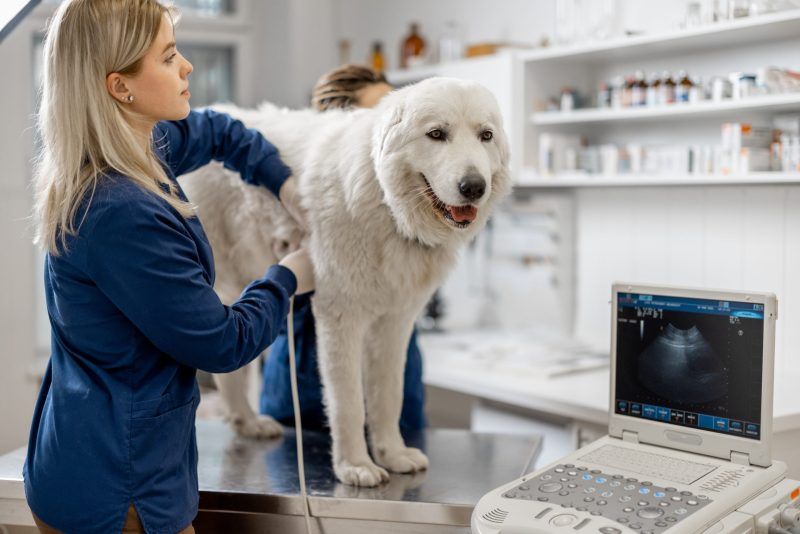
- Ultrasound
- X-rays
- Liver biopsy where appropriate
- Referral to a specialist for more complex cases
These tests help assess how well the liver is functioning, identify the underlying cause of liver disease and determine the most appropriate treatment plan.
Treatment options for liver disease
Treatment depends on the underlying cause of the disease and the severity of your dog’s illness.
Common treatment options include:
- Medication to manage inflammation, infection or other underlying conditions
- Prescription diets that support liver function
- Nutritional supplements where recommended by your vet
- Ongoing blood tests and monitoring to assess liver health
Some dogs respond well to medical management, while others require long-term treatment to help slow the progression of chronic liver disease.
More advanced liver conditions may require additional care, including:
- Hospitalisation for dogs with liver failure
- Intravenous fluid therapy to maintain hydration and support recovery
- Intensive monitoring for severely unwell dogs
- Emergency treatment where complications develop
- Medical management or surgery for gallbladder disease where appropriate
Early diagnosis and treatment can improve your dog’s quality of life and may help reduce the risk of serious complications.
How much does liver disease treatment cost in Australia?
The figures below are indicative estimates based on typical veterinary fees in Australia. Actual costs vary depending on your location, your vet, your dog’s condition, the treatment required and whether emergency or specialist care is needed.
| Treatment or service | Indicative Australian cost |
| Veterinary consultation | $80–$150 |
| Ultrasound | $485–$900 depending on clinic and whether a GP vet or specialist radiologist performs the scan; sedation may be included or additional |
| Liver biopsy | Quote required as costs vary |
| Surgery | Quote required as costs vary |
| Long-term medication | Varies by medicine, dosage, dog’s weight and treatment duration; quote required |
ØB Sources (accessed July 2026): consultation range from PetCloud (Vet Prices in Australia, 2025) and Brisbane Pet Surgery. Ultrasound from Clare Valley Veterinary Services ($485 including sedation), Newcastle Veterinary Ultrasound and Tooronga Veterinary Hospital ($450–$900). Veterinary providers may change their fees at any time. These figures should not replace an individual quote, diagnosis or treatment plan from a veterinary professional.
Elevated liver enzymes often lead to additional testing to identify the underlying cause. Chronic liver disease may require regular monitoring, prescription diets and ongoing medication. In contrast, liver failure and gallbladder disease can involve emergency treatment, hospitalisation or surgery, increasing the overall cost of care.

Why can liver disease treatment become expensive?
Liver disease often requires more than a single consultation. Many dogs need ongoing testing and monitoring to assess liver function and whether treatment is working.
Treatment costs may increase due to:
- Repeat blood tests and liver function testing
- Diagnostic imaging, including ultrasound
- Specialist consultations
- Prescription medication
- Therapeutic diets
- Hospitalisation
- Surgery where required
- Long-term management of chronic liver disease
Early veterinary care may help identify liver disease before complications develop and reduce the need for more intensive treatment.
Does pet insurance cover liver disease?
Liver disease is generally treated as an illness under accident and illness pet insurance policies.
Cover depends on the policy and may be affected by:
- Pre-existing condition rules
- Waiting periods
- Annual benefit limits
- Excesses
- Reimbursement percentages
Taking out pet insurance before your dog develops signs of illness is generally the best way to avoid pre-existing condition exclusions.
Because it is difficult to predict the costs of veterinary care, it can help to have measures in place to help prepare for the unexpected. Pet insurance can help by covering a portion of the eligible vet bill if the unexpected does happen.
Get a quick quote
How to compare pet insurance for liver disease
When comparing pet insurance policies, look beyond the premium and consider the benefits available if your dog develops liver disease.
Compare features such as:
- Annual benefit limits
- Cover for blood tests and diagnostic imaging
- Hospitalisation
- Surgery
- Specialist treatment
- Cover for chronic conditions
- Excess options
- Reimbursement percentages
It can also help to understand what’s involved in making a dog insurance claim before choosing a policy, including the types of eligible veterinary expenses that may be covered.

Protect your dog’s liver health
Liver disease is a common and potentially serious condition that can affect dogs of all ages. Because the early signs are often subtle, prompt veterinary assessment is important if you notice changes in your dog’s appetite, energy levels or overall health.
Treatment costs vary depending on the underlying cause and the level of care required. Comparing pet insurance before your dog becomes unwell may help reduce the financial impact of eligible veterinary expenses and give you greater confidence if unexpected illness occurs.
Bow Wow Meow Pet Insurance can help protect you and your pet should an unexpected trip to your vet occur.
- Find out more about our dog insurance options
- Find out more about our cat insurance options
- Get an instant online pet insurance quote
Bow Wow Meow is proud to have been awarded winner of Canstar’s ‘Most Satisfied Customers’ Award in the Pet Insurance category for both 2024 and 2025!
Bow Wow Meow is proud to be the only Pet Insurer that has been awarded Product Review’s Top Rated Pet Insurance every year from 2018 to 2026! This is based on 3,193 independent customer reviews (as at 09/04/2026), with an overall rating of 4.5 stars.

We also have the following ratings on other review platforms:
Google Review rating of 4.5 stars (based on 1,358 reviews)
Trust Pilot rating of 4.6 stars (based on 555 reviews)
Bow Wow Meow has been chosen as Winner of 4 categories in the 2026 Finder Pet Insurance Customer Satisfaction Awards!
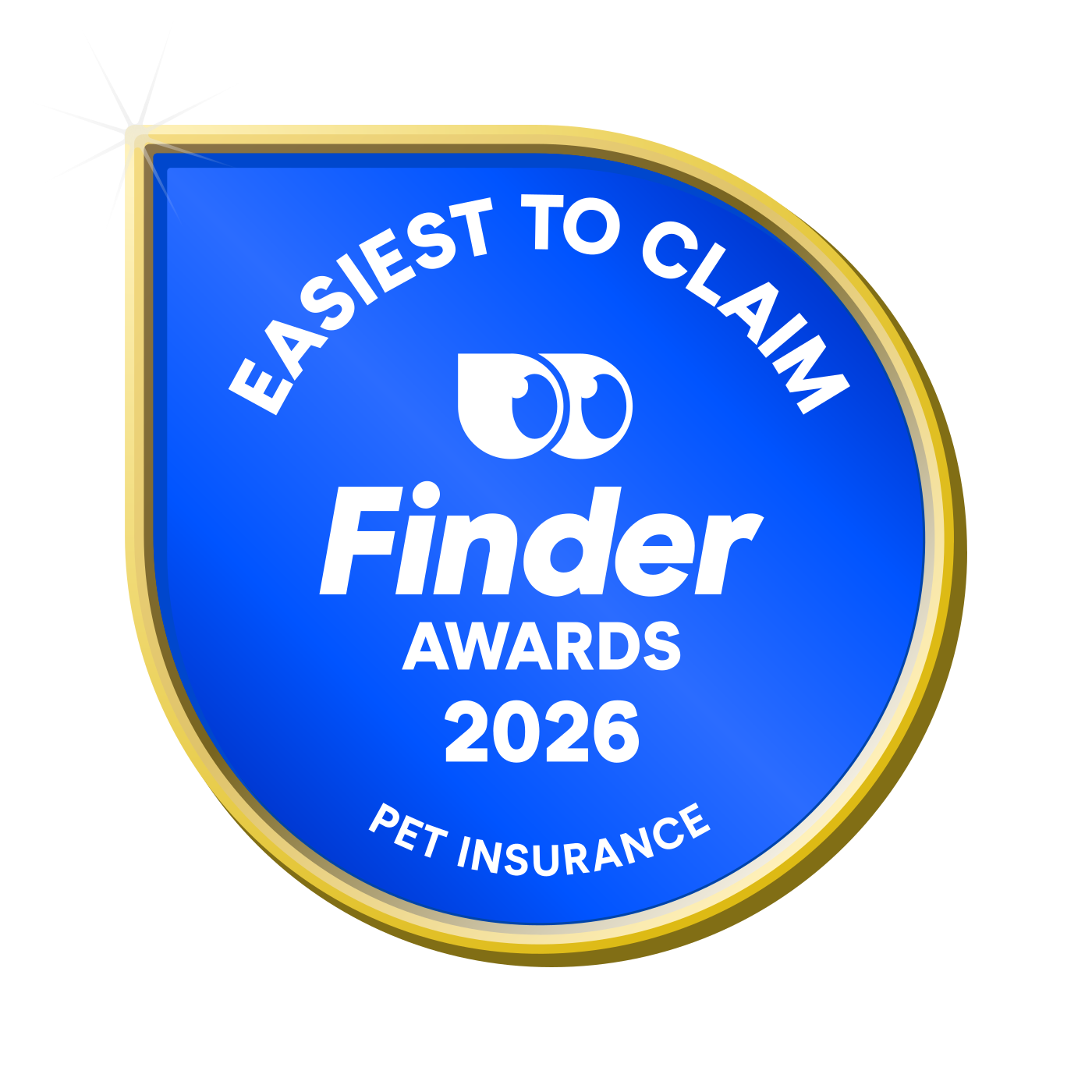
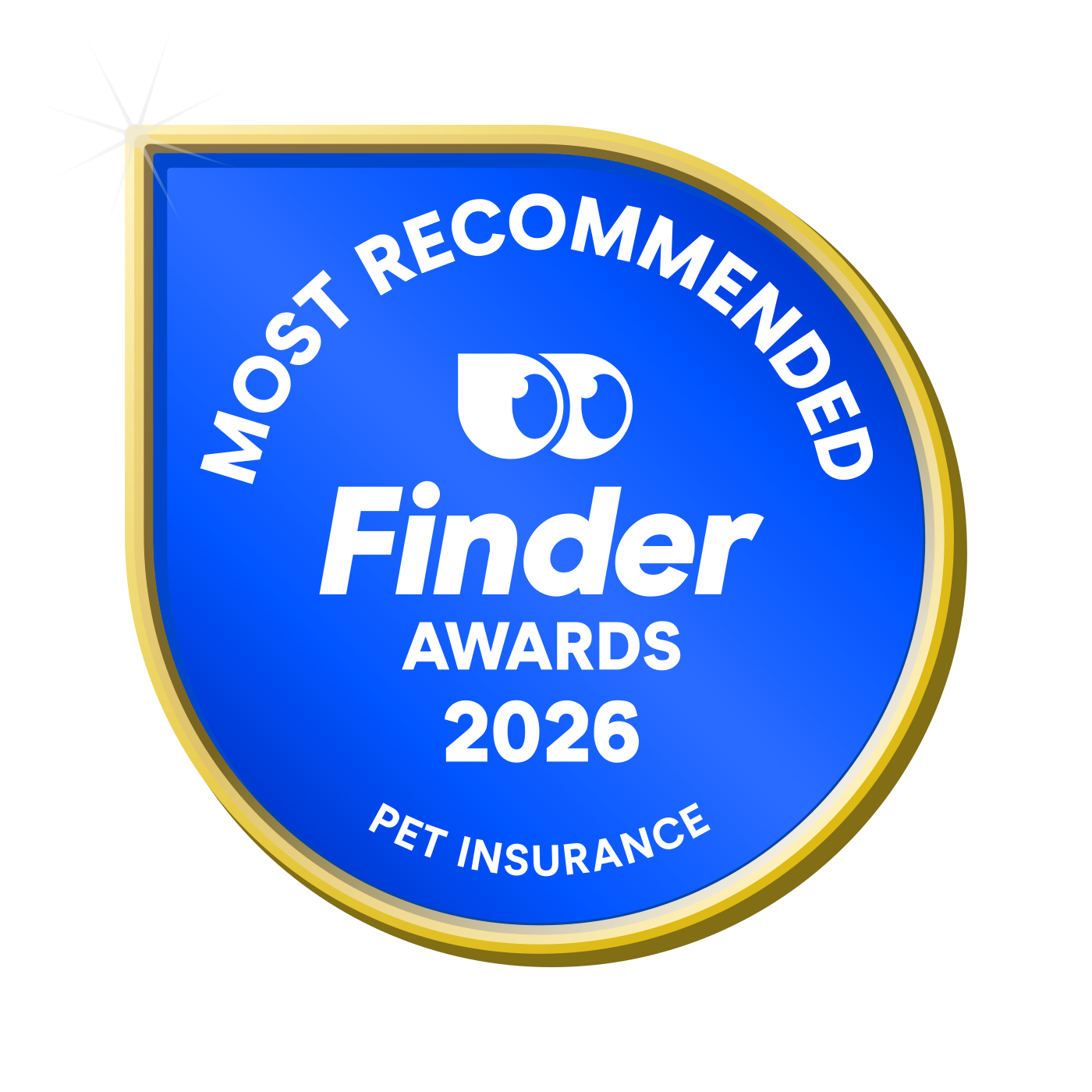
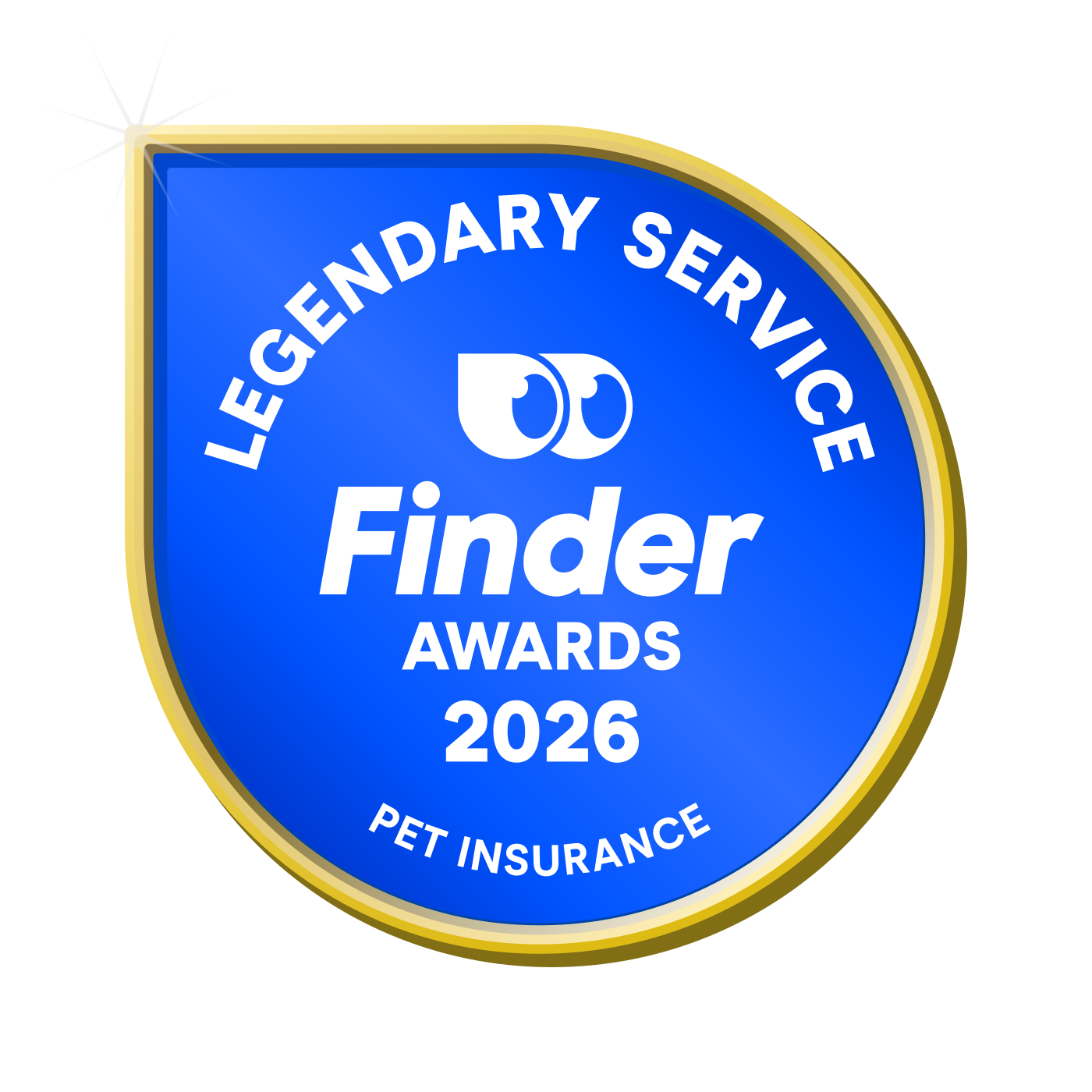
– Most Trusted Pet Insurance
– Easiest to Claim Pet Insurance
– Most Recommended Pet Insurance
– Legendary Service Pet Insurance
We also received Highly Commended Awards for Loved Brand Pet Insurance and Best Value Pet Insurance.
Bow Wow Meow is an Australian-owned and operated pet insurance provider. Our focus is purely on pets, and we are proud to have helped provide peace of mind to over 200,000 Aussie pet owners since 2008.