Pet Insurance that covers cancer in Australia

Does Bow Wow Meow pet insurance cover cancer treatment in dogs and cats?
Yes, Bow Wow Meow’s Nose-to-Tail Cover covers cancer treatment if the cancer was not pre-existing and the waiting period has ended⑅.
Summary
Cancer is unfortunately quite common, with around 1 in 4 dogs and 1 in 5 cats developing cancer during their lifetime. Cancer can be costly to treat, with the highest reported treatment cost by PetSure for cancer reaching $61,931Ø for dogs and $50,731Ø for cats in 2024. Many owners understandably want to know “does pet insurance cover cancer?” Fortunately, pet insurance generally does cover cancer, provided it isn’t a pre-existing condition and policy terms, such as waiting periods, are met.
Cancer: a distressing diagnosis
Hearing the diagnosis of cancer in relation to your dog or cat can be very distressing and frightening. When you find out how common the disease is, and how expensive treatment can be, it’s easy to understand why pet owners are concerned. The right pet insurance cancer policy can help you focus on your pet’s care instead of worrying about how you’ll pay the vet bills.
This article explains how cancer affects Australian pets, what treatment can cost, and what to look for when researching pet insurance that covers cancer, including how Bow Wow Meow’s Nose-to-Tail Cover fits in.
Expert advice from Dr Felicia:
No one wants to find out their pet has cancer. When there is concern for cancer in your pet, the diagnostic process can be long and expensive since imaging and sampling are usually required to get the full picture. Insurance can be helpful in these early stages even before thinking about surgery and other treatments.
Understanding cancer in pets
Cancer occurs when cells grow in an uncontrolled way, forming tumours that can invade nearby tissues or spread to other parts of the body. It is one of the most significant causes of serious illness and death in companion animals, especially as they age.
Data from PetSure’s 2025 Pet Health Monitor shows that cancer is on the rise, particularly among ageing pets. In fact, cancer is a leading cause of death for cats and dogs, with around 1 in 4 dogs and 1 in 5 cats developing cancer during their lifetime.
Initiatives such as the Australian Companion Animal Registry of Cancers (ACARCinom) are helping map cancer cases by state, cancer type, breed and age at diagnosis, giving vets a clearer picture of which pets are most at risk and supporting better treatment decisions.

Common types of cancer in dogs and cats
Cancer can affect almost any organ, but some types show up more frequently in veterinary records and claims data.
In dogs, common cancers include:
- Mast cell tumours (often appearing as skin lumps)
- Lymphoma (cancer of lymphoid tissue, including the lymph nodes)
- Soft tissue sarcomas
- Carcinomas (e.g. skin, mammary and oral cancers)
- Osteosarcoma (bone cancer)
- Hemangiosarcoma (a cancer of blood vessel walls, often in the spleen or heart)
In cats, common cancers include:
- Lymphoma (including intestinal and chest forms)
- Mammary tumours (a high proportion are malignant)
- Skin cancers, especially squamous cell carcinoma on sun-exposed areas such as ears and nose
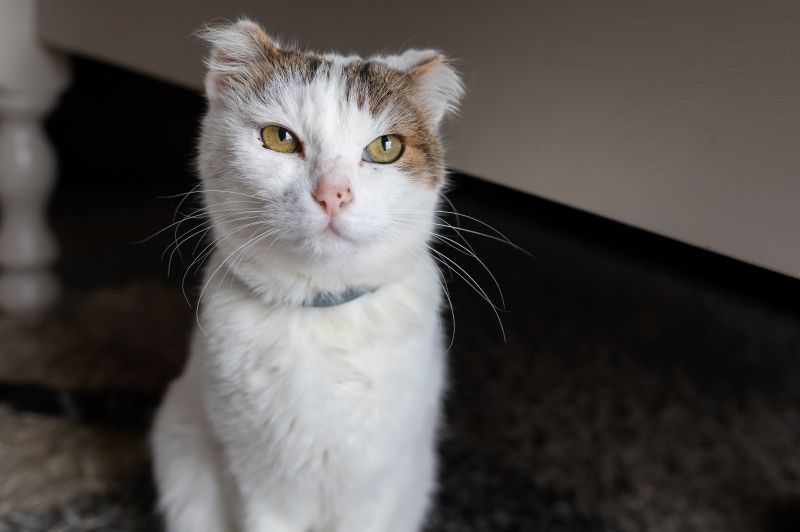
Lifetime risk in dogs and cats
Large studies and veterinary organisations consistently report that:
- Around 1 in 4 dogs will develop cancer at some point in their life, and this risk increases to 1 in 2 for dogs 10 years or older.
- Around 1 in 5 cats will develop cancer in their lifetime
- Cancer is a leading cause of disease-related death in older pets
These numbers are reflected in both cancer registry data and pet insurance claim trends.
Because it is difficult to predict the costs of veterinary care, it can help to have measures in place to help prepare for the unexpected. Pet insurance can help by covering a portion of the eligible vet bill if the unexpected does happen.
Get a quick quote
Age risk factors
As pets age, their risk of developing cancer significantly increases. This can be attributed to a combination of factors, including reduced immune system function, environmental influences, lifestyle, genetic predisposition and the extended lifespans of modern pets.
Data from the 2023 Pet Health Monitor revealed a stark trend: pets aged 13 to 14 years old had the highest likelihood of submitting a claim for cancer, and 60% of all cancer claims in 2023 were submitted for dogs aged eight years or older.
Breed risk factors
Some breeds are over-represented in cancer statistics. Many large and giant dog breeds, such as Boxers, Golden Retrievers and some mastiff types, are at higher risk of particular cancers like lymphoma or bone cancer.
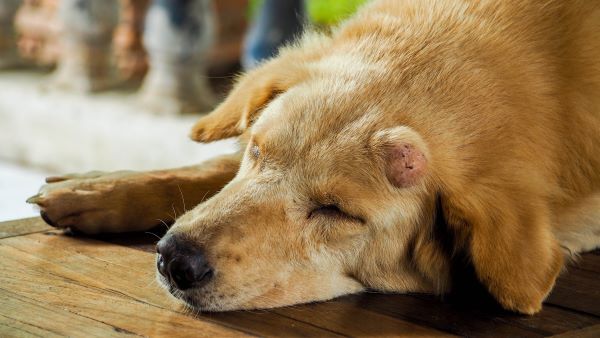
Breeds at risk of cancer treatment claims
The top breeds most likely to develop cancer are as follows, according to data from ACARCinom in December 2025:
Dog breeds |
% |
Cat breeds |
% |
| Staffordshire Bull Terrier | 9.2 | Domestic Shorthair | 56.5 |
| Labrador | 5.8 | Domestic Medium Hair | 7.9 |
| American Staffordshire Terrier | 5.1 | Domestic Longhair | 7.8 |
| Boxer | 3.9 | Ragdoll | 3.3 |
| Border Collie | 3.5 | Burmese | 3.3 |
| Golden Retriever | 3.2 | Siamese | 2.7 |
| Jack Russell Terrier | 2.9 | British Shorthair | 1.2 |
| Poodle mix | 2.5 | Bengal | 1.2 |
Environment and lifestyle
A range of environmental factors such as exposure to certain chemicals or radiation may increase the risk of developing skin cancer in pets.
Ultraviolet light from the sun is a primary contributing factor, especially for squamous cell carcinoma and melanoma, while viruses such as feline leukaemia virus (FeLV) can significantly increase cancer risk in cats.
Other notable risk factors include tobacco smoke, some chemicals, and obesity.
How much does cancer treatment for pets cost?
The Pet Health Monitor 2024 showed cancer-related claims for dogs and cats amounted to $31.5 million in 2023. Mast cell tumour had the highest number of claims for dogs, with an average treatment cost of $2,859 and a maximum cost of $39,769, while Lymphoma topped the cancer claims for cats, with an average treatment cost of $3,636 and a maximum cost of $41,701.
Cancer treatment costs can vary widely, depending on factors such as:
- The type and stage of cancer
- Whether surgery is required or possible
- Whether chemotherapy, radiation or advanced therapies are used
- How many follow-up visits, scans and complications occur
|
Most costly cancers in 2024Ø |
Average cost for treatmentØ | Highest cost for treatmentØ |
Breeds most at risk |
| Dogs – Lymphoma | $5,706 | $61,931 | Bullmastiff, English Mastiff cross, Miniature Australian Bulldog, Curly Coated Retriever, American Bulldog |
| Cats – Lymph node cancer | $4,116 | $50,731 | British Shorthair, Ragdoll, Domestic Shorthair |
ØBased on PetSure claims data, 2024 calendar year. Reimbursement for these claims under a pet insurance policy would be subject to limits, such as annual benefit limits or sub-limits, benefit percentage, applicable waiting periods and any applicable excess. Cover is subject to the policy terms and conditions. You should consider the relevant Product Disclosure Statement or policy wording available from the relevant provider. Please note that values calculated are based on all claims for that condition and medically related conditions in each calendar year.
Without pet insurance, it’s likely that many owners would struggle to fund these treatments. For many families, having adequate pet insurance cancer cover is the difference between being able to proceed with the recommended plan or having to choose less optimal options based mainly on cost.
Because it is difficult to predict the costs of veterinary care, it can help to have measures in place to help prepare for the unexpected. Pet insurance can help by covering a portion of the eligible vet bill if the unexpected does happen.
Get a quote for 2 months free pet insurance for your dog or cat in their first year.
Why is cancer treatment so expensive?
One of the reasons for such high costs is that veterinary care is becoming more advanced and treatments that were only accessible for humans are now available for our pets, such as MRI scans, targeted cancer therapies and minimally invasive surgeries.
As an example, the average cost of Oncology and Radiation Therapy, including chemotherapy and advanced radiation was $8,110 in 2024 (Pet Health Monitor 2025). This excludes additional fees such as sedation, anaesthesia or specialist consultations, which can significantly increase the overall cost.
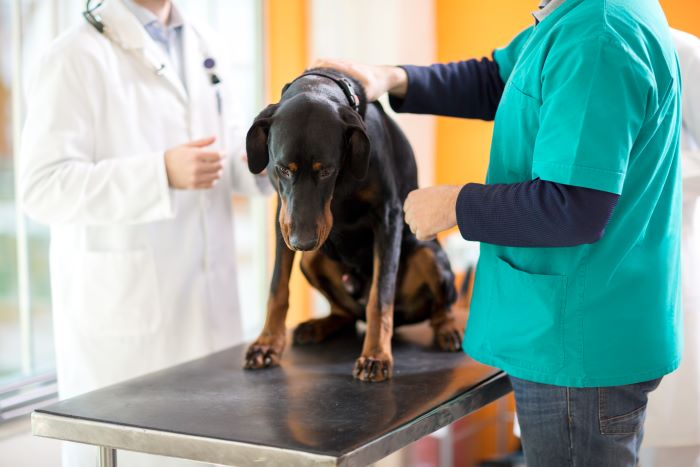
Diagnosis
To confirm and stage cancer, your vet may recommend:
- Blood and urine tests
- Fine needle aspirates or biopsies
- X-rays and ultrasound
- Advanced imaging such as CT or MRI scans
- Specialist oncologist consultations
Each of these procedures comes at a cost, and several are often needed to reach a diagnosis and plan treatment.
Cancer treatments
Depending on the cancer, treatment might involve:
- Surgery to remove tumours or affected organs
- Chemotherapy protocols over weeks or months
- Radiation therapy, often at specialist centres
- Targeted drugs or immunotherapy, where available
- Palliative care aimed at maintaining comfort and quality of life
These treatments may require specialist veterinarians, advanced equipment, anaesthesia, tailored medications and careful monitoring, all of which add up quickly.
Post-surgery and ongoing care
Even after the main procedure, there is usually ongoing care:
- Hospital stays and monitoring
- Pain relief and other medications
- Repeat blood tests and imaging
- Management of side effects or recurrence
Cancer rarely involves a single vet visit; it is usually a series of expenses over time, which can add up to thousands of dollars.

Does pet insurance cover cancer?
How cancer cover generally works
In Australia, cancer is usually covered under Accident & Illness (or comprehensive) pet insurance policies, and not under accident-only cover. For a cancer claim to be accepted, the condition generally needs to:
- First show clinical signs after your policy starts
- Occur outside any illness waiting periods
- Not be a pre-existing condition (i.e. it was not present or showing signs before cover started, or during the waiting period)
So the answer to “does pet insurance cover cancer” is often yes, but only if you have the right type of policy, and the cancer is not considered a pre-existing condition.
What is usually covered?
Where cancer is covered, pet insurance cancer claims may reimburse a portion of:
- Diagnostic tests such as blood tests, fine needle aspirates, biopsies and imaging
- Surgery to remove tumours or affected areas
- Chemotherapy and related medications
- Hospitalisation, IV fluids and nursing care
- Palliative care directly related to the cancer
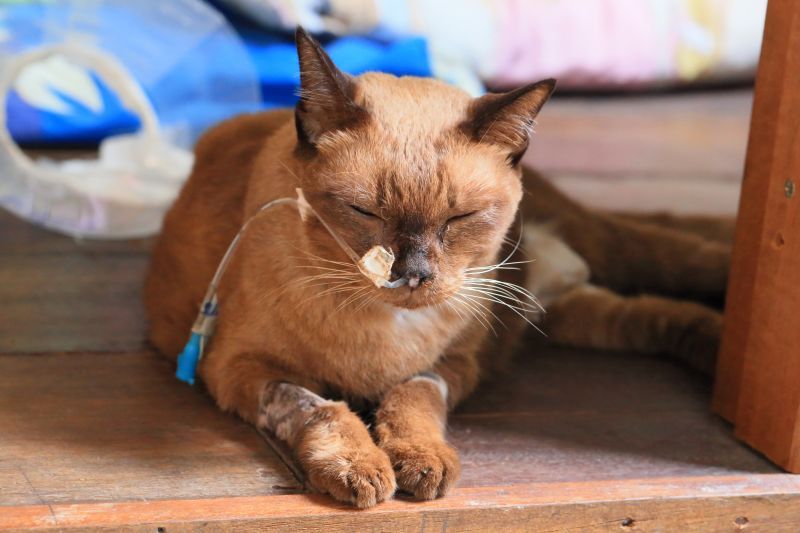
In general, pet insurance is designed to help with medically necessary diagnostic and treatment costs recommended by your vet or specialist, up to the policy’s limits.
Reimbursements and limits
Most policies specify:
- An annual benefit limit, often in the $10,000–$30,000 range
- A benefit percentage, for example, 70–90% of eligible vet bills
- An excess, which you pay before the insurer reimburses the rest
Waiting periods and exclusions
It’s important to read the Product Disclosure Statement (PDS) to understand:
– Illness waiting periods
– How pre-existing conditions are defined and assessed
– Any specific exclusions (for example, experimental or alternative therapies)
How Bow Wow Meow covers cancer
Bow Wow Meow’s Nose-to-Tail Cover is an Accident & Illness policy that includes “masses, lumps and cancer” among the illnesses it covers.
Key features of Nose-to-Tail Cover include:
- Choice of annual benefit limits of $10,000, $20,000 or $30,000
- Choice of benefit percentage up to 90% of eligible vet bills
- No sub-limits – there are no smaller internal caps just for cancer, chemotherapy or other specific treatments, so your entire annual limit can be used for cancer diagnosis and treatment, if necessary. Having no sub-limits can make a big difference to your out-of-pocket costs.
This means that potentially you can claim up to $30,000 per year for cancer related vet bills, if you have taken out Nose-to-Tail Cover with a $30,000 annual limit.
Bear in mind that Nose-to-Tail Cover is subject to waiting periods, pre-existing condition rules and other terms and exclusions set out in the current PDS.
Prevention and early detection
Unfortunately, the cause of most cancers is unknown and many different factors may be involved, which makes prevention difficult. Although you can’t prevent most cancers, you can significantly improve outcomes by catching problems early and keeping your pet’s general health on track. The earlier cancer is caught, the earlier your pet can receive treatment and the better their chance of a good outcome.
Why early detection matters
Veterinary organisations emphasise that early detection and treatment often improve the chances of successful management and a good quality of life for many cancers. Regular vet checks, especially for senior pets or high-risk breeds, are one of the best tools for catching issues while they are still small and local.
Common warning signs of cancer
Signs that should prompt a veterinary visit include:
- Lumps or bumps that grow, change or feel different over time
- Unexplained weight loss or loss of appetite
- Non-healing sores or wounds
- Persistent vomiting or diarrhoea
- Abdominal swelling or bloating
- Difficulty eating, swallowing or breathing
- Bleeding from the mouth, nose or other openings
- Persistent lameness or pain
- Behaviour changes such as hiding, lethargy or reluctance to exercise
Not all these signs mean cancer, but all of them mean your pet needs to be checked.
Screening tests and routine check-ups
Your vet may recommend:
- Yearly (or twice-yearly) nose-to-tail examinations
- Routine blood and urine tests for older pets
- Fine needle aspirates of new or changing lumps
- Advanced imaging or referral to an oncologist for suspicious findings
Early action not only improves your pet’s outlook but can sometimes keep the course of treatment simpler and more affordable – even when pet insurance cancer coverage is helping pay the bills.
In conclusion
Cancer is common in Australian dogs and cats, with around 1 in 4 dogs and 1 in 5 cats facing a cancer diagnosis in their lifetime. The 2025 Pet Health Monitor shows that chronic conditions, including arthritis and cancer, are increasing among ageing pets, and some cancer conditions now have average treatment costs in the thousands and maximum claims exceeding $50,000 to $60,000. Having pet insurance can dramatically reduce the financial burden at a time when you want to focus on your pet, not your bank account.
Bow Wow Meow Pet Insurance can help protect you and your pet should an unexpected trip to your vet occur.
- Find out more about our dog insurance options
- Find out more about our cat insurance options
- Get an instant online pet insurance quote
Bow Wow Meow is proud to have been awarded winner of Canstar’s ‘Most Satisfied Customers’ Award in the Pet Insurance category for both 2024 and 2025!
Bow Wow Meow is proud to be the only Pet Insurer that has been awarded Product Review’s Top Rated Pet Insurance every year from 2018 to 2026! This is based on 3,193 independent customer reviews (as at 09/04/2026), with an overall rating of 4.5 stars.

We also have the following ratings on other review platforms:
Google Review rating of 4.5 stars (based on 1,358 reviews)
Trust Pilot rating of 4.6 stars (based on 555 reviews)
Bow Wow Meow has been chosen as Winner of 4 categories in the 2026 Finder Pet Insurance Customer Satisfaction Awards!


– Most Trusted Pet Insurance
– Easiest to Claim Pet Insurance
– Most Recommended Pet Insurance
– Legendary Service Pet Insurance
We also received Highly Commended Awards for Loved Brand Pet Insurance and Best Value Pet Insurance.
Bow Wow Meow is an Australian-owned and operated pet insurance provider. Our focus is purely on pets, and we are proud to have helped provide peace of mind to over 200,000 Aussie pet owners since 2008.
Sources:
“Australasian canine cancers”, ACARCinom, https://www.acarcinom.org.au. Accessed 15 Jan 2026
“Australasian feline cancers”, ACARCinom, https://www.acarcinom.org.au. Accessed 15 Jan 2026
“Causes of Cancer in Animals”, MSD Veterinary Manual, https://www.msdvetmanual.com/special-pet-topics/cancer-and-tumors/causes-of-cancer-in-animals. Accessed 13 Jan 2026
“Revealing the Data on Pet Cancers in Australia”, ARDC, https://ardc.edu.au/article/revealing-the-data-on-pet-cancers-in-australia/. Accessed 14 Jan 2026
“Early detection of cancer requires persistent checks”, DVM360, https://www.dvm360.com/view/early-detection-cancer-requires-persistent-checks. Accessed 13 Jan 2026
“Cancer in Pets”, AVMA, https://ebusiness.avma.org/files/productdownloads/mcm-clientbroch-cancer-in-pets-2025.pdf. Accessed 14 Jan 2026
“Pet Health Monitor”, Petsure, https://petsure.com.au/category/pet-health-monitor/. Accessed 6 Feb 2026