Torn nails and nail disorders in dogs and cats

Summary
Dogs and cats have claws made from keratin, the same tough material found in hair and skin. The hard outer nail protects the sensitive inner “quick”, which contains blood vessels and nerves. Torn, broken, infected or abnormal nails can be painful for dogs and cats and may lead to bleeding, limping or infection. Minor nail injuries may settle with basic first aid, but nails that are bleeding heavily, split into the quick, painful, swollen, infected or repeatedly abnormal should be checked by a vet.
What are nail disorders and torn nails in pets?
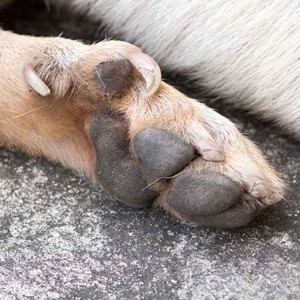
The curved, pointed, horny nails that grow on the end of each toe of cats and dogs are usually referred to as “claws”. As carnivorous mammals, their claws are used for catching and holding prey, digging, climbing trees, self-defence and grooming.
The outer layer of the claw is made from a hardened form of the epidermis, or skin, called keratin. This tough, horny material surrounds and protects the sensitive inner structures, termed the “quick”, consisting of blood vessels and nerves. This outer keratin layer is not living tissue and can be torn or cut without causing pain. However, the quick inside is living tissue, which is why exposing or accidentally cutting the quick is usually very painful.
Expert advice from Dr Felicia:
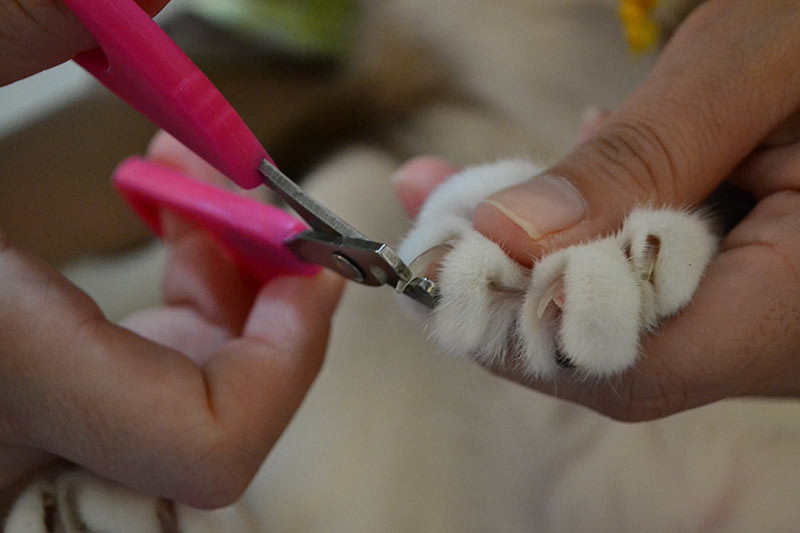
Many dogs and cats do not like having their nails handled whether due to preference or a previous bad experience. It can be helpful with young puppies and kittens to try and acclimatise them to having their feet handled to facilitate nail trims with less stress in adult life.
Nail disorders in dogs and cats
A nail disorder refers to any problem or abnormality affecting the nail or nail bed. Several disorders can affect a dog or cat’s nails, and while a small part of the body, can cause an undue amount of pain and sensitivity when they are broken or affected by disease. While a torn or broken nail is a common nail issue, there are also several pathogens that can affect the vulnerable claws, such as bacterial and fungal infections. Other common nail conditions include extremely brittle nails which can separate, peel, and slough excessively, which is suspected to be immune-mediated.
A nail condition may not be a stand-alone disorder. For example, as the nail is a continuation of the epidermis and dermis (layers of the skin), a bacterial infection of the nail can occur along with a skin condition. Systemic diseases can also affect the claws and nails.
Expert advice from Dr Felicia:
Nail conditions seen in veterinary practice are predominantly a result of trauma, though infections from excessive licking and chewing secondary to allergies, immune-mediated disease and cancer are also seen.
Torn nail
Even a small tear of a single nail can cause significant pain for a dog or cat. Because of the high supply of blood to the base of the nail (the quick), ongoing or intermittent bleeding can occur. If the tear is left as an open wound, and the dog or cat allowed to lick it excessively an infection can develop, causing further disease and more serious problems. Veterinary attention is needed to ensure the wound heals correctly.
Paronychia
Paronychia is an infection of the nail bed and/or the tissue around the nail, where the nail and skin meet. Infection can occur in one or multiple claws. The infection may be bacterial or fungal, although bacterial infections usually occur secondary to trauma to the area.
Onychodystrophy
This is an immune-mediated disease causing abnormal growth of the nails, causing splitting, cracking or sloughing. The nails that grow back are also often brittle or misshapen. This disease only occurs in dogs and can be accompanied by secondary infection.

Signs of a torn, infected or abnormal nail
A nail or claw disorder can be very painful and the animal’s ability to walk may be affected.
Signs of a torn nail
- Drops of blood around the home, as a torn nail may bleed sporadically for hours
- Excessive paw licking
- Crying, yelping or whining
- Jagged appearance of claw
- Bloody paw
- Limping
- Holding up the foot
- Pain when affected paw is touched
- Swollen paw
Expert advice from Dr Felicia:
Nail injuries especially in dogs tend to be fairly acute in onset, and more associated with active behaviour such as running around at the dog park, or getting their foot caught in something on a walk.
Signs of an infected or abnormal nail
- Chewing on the nail beds
- Discolouration of the nail and nail bed
- Pus or other discharge from the nail bed
- Malodour of the feet/nail bed
- Lameness
- Swelling and inflammation around the nails
- Disfigured claws
- Itching and irritation
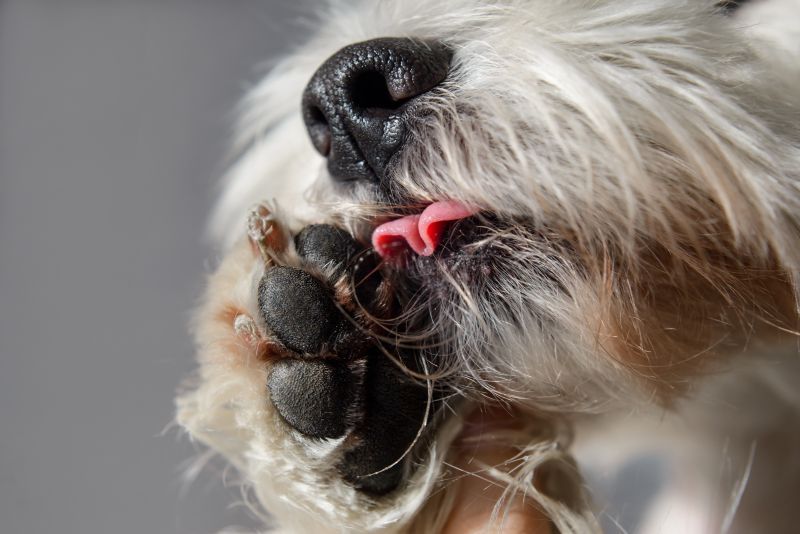
Symptoms of onychodystrophy usually include multiple nails on multiple paws having abnormal growth, and appearing split or brittle. There is also often some swelling or inflammation of the nail folds.
Common causes of nail problems in dogs and cats
Causes of nail problems in cats
- Most commonly, a bacterial or fungal infection, in or around the nail bed
- Trauma to the nail
- Infection secondary to immune-mediated or systemic illnesses such as FIV or FeLV, diabetes, and use of steroids
- High levels of growth hormone
- Disorders present at birth (congenital)
- Cutting the nails too close to the nail bed, excessive trimming, nail chewing, ingrown nails or declawing, making them susceptible to infection
- Cancer or tumours
Causes of nail problems in dogs
- Environmental factors, e.g. excessive humidity or dryness
- Poor nail clipping techniques
- Viruses, e.g. distemper
- Bacterial or fungal infection
- Infection secondary to immune-mediated or systemic illnesses such as hyperadrenocorticism
- Trauma to the nail
- Cancer or tumours
- Poor nutrition
- Immune-mediated disease is thought to be underlying in onychodystrophy
- Breed disposition – King Charles Spaniels, American Cocker Spaniels and German Shepherds are prone to nail disorders
Expert advice from Dr Felicia:
Narrowing down the causes of nail disorders often will rely on a combination of the history of the dog/cat, age, the number of nails affected as well as any other abnormalities of the skin or behaviour.
Causes of torn nails in dogs and cats
- Irregular or poor trimming and/or grooming of the nails, resulting in overly long and sharp claws which can easily snag on carpets, furniture etc.
- An outdoor lifestyle, for example, snagging the nails when climbing trees or while running
- A traumatic injury to the claw, for example, from a car accident or vigorous play
- Landing badly on the claw when jumping up to, or down from, a high place, causing it to bend backwards or break
- Excessive scratching of carpets, scratching post materials, etc
- Having dry and brittle nails
How vets diagnose nail disorders
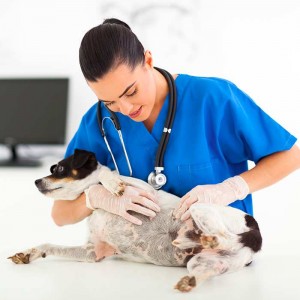
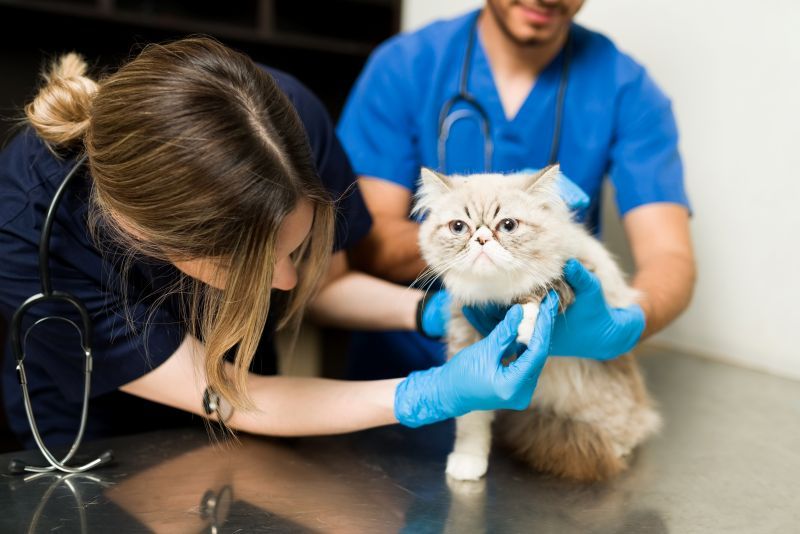
While nail disorders may appear relatively minor, they can be caused by serious infections or in rare cases, cancer. For this reason, it is vital that the cat or dog be examined by the veterinarian to diagnose the underlying cause of the nail disorder. The veterinarian will perform a physical examination, obtain a medical history and undertake additional tests if necessary.
Medical history
Providing the animal’s medical history will help to determine if the issue is congenital (caused at birth) or is secondary to another health issue. You should inform the veterinarian if there are any other unusual lesions on the skin, any changes to behaviour or nails have recently been trimmed, as this is a common cause of infection when not performed correctly.
Physical examination
The vet will examine the problematic nail for a tear and/or signs of infection such as inflammation, seeping blood or oozing pus. The other nails will also be examined; if multiple nails are affected, it could indicate a serious medical condition. If the animal has suffered a trauma, the vet will identify and treat any other injuries sustained.

Additional diagnostic tests may include
- Baseline tests such as a biochemical analysis, complete blood count and urinalysis – to evaluate the overall health of the dog or cat
- Skin and nail scrapings – to identify conditions such as mites if there is concern for a parasitic cause of more generalised disease
- Cytology – a sample of cells is obtained and examined under a microscope to determine the organism involved – bacterial and fungal infections, neoplasia (abnormal tissue growth) and paronychia (inflammation of the soft tissue around the claw) can be identified
- Culture and sensitivity testing for poorly resolving infections – to determine the strain of bacteria involved and the most suitable antibiotic
- Tests such as FIV and FeLV (for cats) and diabetes to determine if there is an underlying illness that is causing the infection
- Radiography of the claws to assess if there is infection of the digit
- Biopsy of the nail
Expert advice from Dr Felicia:
The more invasive diagnostics such as biopsy tend to be reserved for severe disease or poorly resolving conditions. Radiographs are usually performed if the infection/break is severe and there is concern for involvement of the bone.
Treatment for torn nails and nail disorders
Treatment of the nail disorder will depend upon the cause of the problem. In most cases, treatment entailing topical medication and/or minor surgery will resolve the problem. While these solutions are relatively easy and non-invasive, more serious treatment may be required in some cases.
Expert advice from Dr Felicia:
Vets will assess the portion of nail that is torn and determine whether additional removal of the remaining nail is recommended. If only a small part of the nail is torn from the tip rather than the part that is attached to the toe then conservative treatment may involve bandaging and some pain relief. For torn nails where the nail has split from its base then usually the whole nail should be removed, as remaining split portion will cause ongoing sensitivity and pain from contact with the quick. Your vet will also examine the other nails to determine if there is underlying brittleness or disease that is predisposing the nails to breakage.
Medical management
- If the nail is torn, the vet may stop any bleeding, clean and disinfect the area, and safely trim or remove the damaged hanging portion of the nail if needed.
- In cases of bacterial or fungal infections, oral medication or topical treatments can be applied directly to the nail for a period of 2-4 weeks, after which time the dog or cat should return to normal.
- If a bacterial infection is present, or for the prevention of a bacterial infection occurring, an antibiotic will be prescribed. Be sure to administer all antibiotics as instructed.
- Antimicrobial soaks can be effective for reducing inflammation and facilitating healing.
- Pain medication may be prescribed where the quick (the tender live tissue, including blood vessels and nerves) is exposed and causing pain, or an injection may be given.
- Supplements such as Omega 3, vitamin A and vitamin E may be recommended.
- If an underlying immune disorder or other disease is present, medications may be prescribed to treat or manage these conditions. These often include supplements and immunomodulating medication.
Surgery
If the skin under or around the nail has become inflamed, the nail plate (the hard portion) may need to be surgically removed to allow the tissue to drain and return to normal, lessening the chance of infection. The paw may require bandaging until the bleeding stops, and the wound should heal within 2 weeks post-surgery, once the nail regrows.
Recovery and ongoing nail care
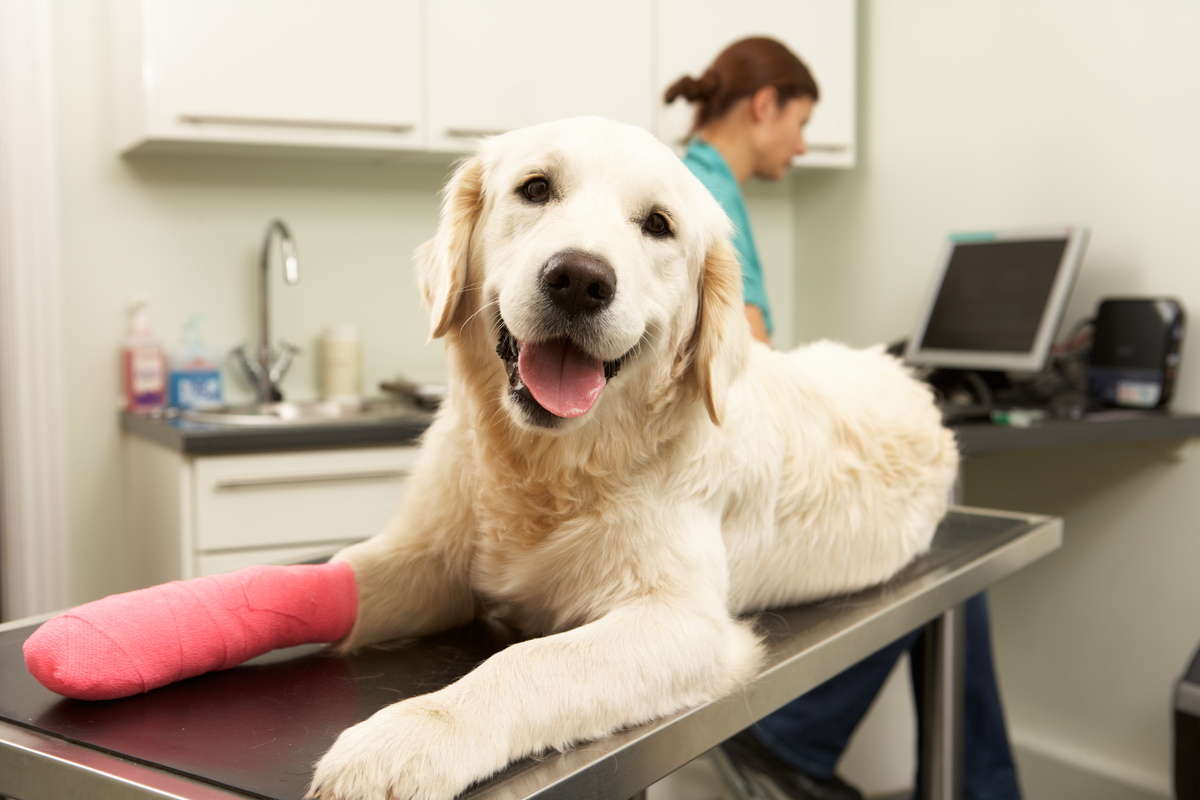
- Keep the wound clean by changing bandages regularly and monitoring the injury for signs of infection, such as swelling or redness.
- After the bandage is removed, wash and then dry the paw until healing is complete.
- Prevent the animal from licking or biting at its paw. An Elizabethan collar may be needed to ensure the cat leaves the wound alone.
- Canine nails can take some time to completely grow back, and extra care should be taken until this occurs.
- Continue to monitor the nails after treatment, as recurring issues may point to a more serious problem. If the nail disorder returns, it is essential to consult the veterinarian as soon as possible.
Prognosis
The prognosis for recovery from most nail disorders is excellent, especially of no infection develops. With appropriate treatment, most infections can be successfully resolved in a relatively short time. If the nail is removed, a new nail will grow back within several months.
Dogs with immune mediated disease tend to respond well to therapy with improvement seen within months. Medications may be required for ongoing management of the condition.
Expert advice from Dr Felicia:
Most patients do well with either conservative management or surgery to remove the broken nail. More complex cases, such as dogs with immune mediated disease may take more time to respond, and nail bed cancer or tumours have a poorer prognosis and require more invasive surgery.
How to help prevent torn nails
- Keep nails trimmed to an appropriate length
- Ask your vet or groomer to show safe trimming technique
- Avoid cutting into the quick
- Check paws after outdoor activity
- Provide scratching posts for cats
- Monitor older pets for thick, brittle or overgrown nails
- Seek vet advice for recurring nail problems
Expert advice from Dr Felicia:
Keeping the wound clean is very important and challenging in dogs and cats with nail bad injuries. Pets should be kept primarily inside to help facilitate this with a covering applied to the affected foot for walks/toileting to help keep it clean.
When to see a vet for a torn nail
Book a vet appointment promptly if your dog or cat has:
- Bleeding that does not stop after several minutes of gentle pressure
- A nail that is split into the quick
- A nail hanging loosely or partly torn off
- Obvious pain, limping or reluctance to walk
- Swelling, redness, pus or discharge
- A bad smell from the nail or paw
- Repeated broken or abnormal nails
- More than one affected nail
- A torn nail caused by a larger injury or accident
Because it is difficult to predict the costs of veterinary care, it can help to have measures in place to help prepare for the unexpected. Pet insurance can help by covering a portion of the eligible vet bill if the unexpected does happen.
Get a quick quote
In a nutshell
Nail disorders and torn nails can be painful for dogs and cats, especially when the quick or nail bed is exposed. While some nail injuries are caused by simple snagging or trauma, recurring, infected or abnormal nails may point to an underlying condition such as infection, skin disease, immune-mediated disease or systemic illness.
Prompt veterinary care can help control pain, stop bleeding, reduce the risk of infection and identify any underlying cause. Regular nail checks, careful trimming and early treatment are the best ways to protect your pet’s paws and comfort.
Bow Wow Meow Pet Insurance can help protect you and your pet should an unexpected trip to your vet occur.
- Find out more about our dog insurance options
- Find out more about our cat insurance options
- Get an instant online pet insurance quote
Bow Wow Meow is proud to have been awarded winner of Canstar’s ‘Most Satisfied Customers’ Award in the Pet Insurance category for both 2024 and 2025!
Bow Wow Meow is proud to be the only Pet Insurer that has been awarded Product Review’s Top Rated Pet Insurance every year from 2018 to 2026! This is based on 3,193 independent customer reviews (as at 09/04/2026), with an overall rating of 4.5 stars.

We also have the following ratings on other review platforms:
Google Review rating of 4.5 stars (based on 1,358 reviews)
Trust Pilot rating of 4.6 stars (based on 555 reviews)
Bow Wow Meow has been chosen as Winner of 4 categories in the 2026 Finder Pet Insurance Customer Satisfaction Awards!




– Most Trusted Pet Insurance
– Easiest to Claim Pet Insurance
– Most Recommended Pet Insurance
– Legendary Service Pet Insurance
We also received Highly Commended Awards for Loved Brand Pet Insurance and Best Value Pet Insurance.
Bow Wow Meow is an Australian-owned and operated pet insurance provider. Our focus is purely on pets, and we are proud to have helped provide peace of mind to over 200,000 Aussie pet owners since 2008.
Sources