Adopting a stray cat: essential dos and don’ts

Summary
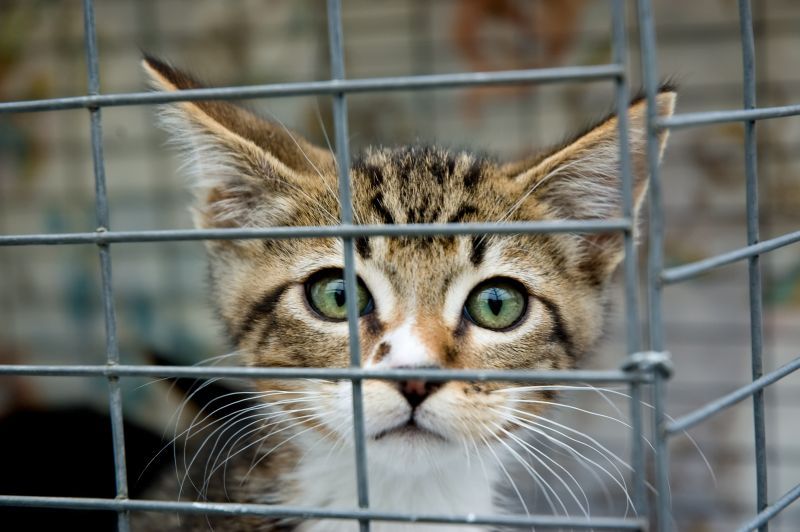
If you find a cat that appears to be homeless, do not assume they are unowned. Check for identification, ask around the neighbourhood and arrange for a vet, shelter or council facility to scan the cat for a microchip. A lost pet may be frightened, dirty or wary of people and can easily be mistaken for a stray. If no owner can be found and you decide to adopt the cat, arrange a veterinary examination, keep them securely contained and separate from your other pets initially, and allow them to settle at their own pace. With patience, appropriate veterinary care and a safe home environment, many stray and semi-owned cats can adapt successfully to life as companion animals.
Before you adopt a stray cat
Adopting a stray cat can be extremely rewarding, but it is a long-term commitment. Before proceeding, confirm that the cat is genuinely unowned and consider whether you can provide ongoing veterinary care, food, parasite prevention, enrichment, secure containment and a calm home while they settle.
Expert advice from Dr Felicia:
Adopting, rather than shopping for a cat is a life-changing difference to those cats waiting in shelters for the chance at a family and place to call home. However, like all pet ownership, cat adoption should be carefully considered and not under impulse or without long-term thinking and planning.
Found a stray cat? What should you do first?
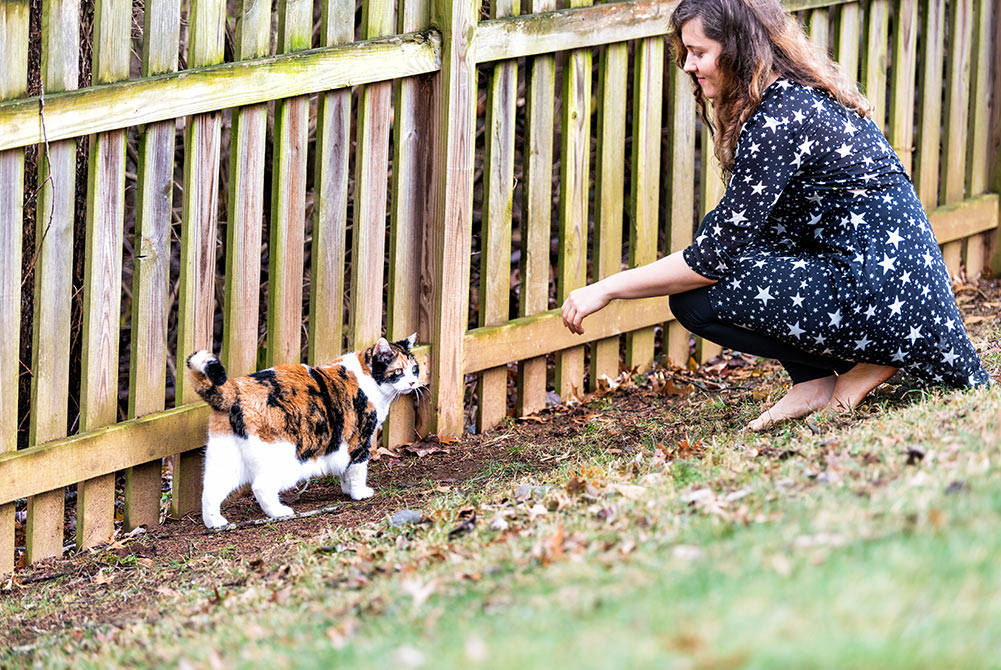
First, observe the cat from a safe distance. Look for a collar or identification tag, but do not force contact if the cat appears frightened, injured or defensive.
Ask neighbours whether they recognise the cat and check local lost-pet groups and notices. Contact nearby veterinary clinics, shelters, rescue organisations and your local council to find out whether a matching cat has been reported missing. Posting a clear photograph online and placing notices around the neighbourhood may also help locate the owner.
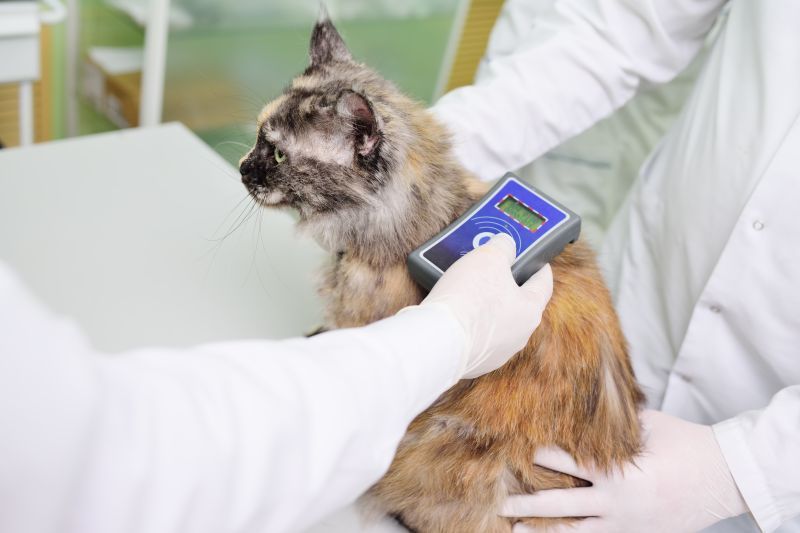
If the cat is friendly and can be handled safely, contain them in a secure room and arrange for a vet, shelter or council facility to scan them for a microchip. A microchip cannot normally be seen or felt, so the absence of a collar does not establish that the cat is unowned.
Do not have the cat rehomed, microchipped in your name or desexed until reasonable efforts have been made to find the existing owner and you have followed any instructions provided by your local council or animal welfare organisation.
Do… consider the commitment carefully
Before adopting, consider whether you can meet the cat’s physical, behavioural and financial needs throughout their life. Costs may include food, cat litter, routine veterinary care, vaccinations, parasite prevention, desexing, microchipping, registration and treatment for unexpected injury or illness.
You will also need time and patience. A cat with an unknown history may initially hide, avoid physical contact, vocalise, scratch furniture or have difficulty using a litter tray. These behaviours often reflect fear, stress or unfamiliarity rather than a deliberate attempt to be difficult.
Consider the needs of children, existing pets, household members with allergies, your housing arrangements and any council or strata rules before taking responsibility for the cat.

Stray, semi-owned or feral: what is the difference?
A lost cat is an owned companion cat that has wandered or escaped from home. Even a well-socialised pet may hide, hiss or avoid people when frightened.
A stray or unowned cat has no identified owner but may previously have lived with people and may still depend partly on humans for food or shelter. Many of these cats can adapt to living in a home.
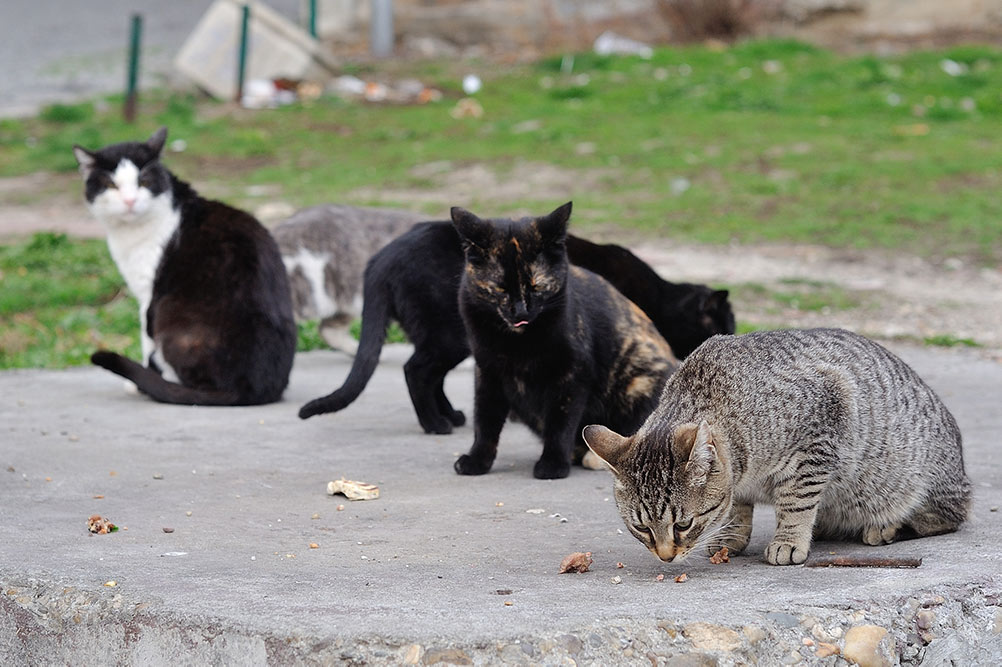
A semi-owned cat is regularly fed or cared for by one or more people, but no one has accepted full responsibility for their identification, veterinary care and containment.
A feral cat lives independently of people and generally avoids human contact. A truly feral adult cat is unlikely to be comfortable living as a conventional household pet.
Behaviour during a single encounter does not always reveal which category a cat belongs to. A frightened lost or stray cat may initially behave like a feral cat, so allow time for observation and seek advice from an experienced rescue organisation or your local council.
Expert advice from Dr Felicia:
If you are seeing it regularly, it is seeking you out and you can even touch it, the cat is very unlikely to be feral, and while it could be a stray, just double check that it isn’t owned by someone else!
Don’t… try to adopt a feral cat without advice
A truly feral adult cat is generally not suited to immediate adoption into a household. Attempting to catch, corner or handle the cat without appropriate experience may cause significant stress and could result in injury to both you and the cat.
Contact your local council, animal welfare organisation or experienced cat rescue group for advice appropriate to your area. They can help assess whether the cat may be a frightened stray, whether humane trapping is appropriate and what management or rehoming options are available.
Expert advice from Dr Felicia:
For ravenously hungry young female strays or ferals, bear in mind that she may have kittens hidden somewhere waiting for her and reliant on her care.
Do… be aware that a stray cat may be sick or injured
Stray cats are at a higher risk of injury from falls, road accidents and fights with other cats. They are also more likely to suffer from contagious diseases as they are often in contact with other stray cats.
Cats are experts at hiding their pain, since pain is a sign of weakness to potential predators in the wild, so it may not be obvious to you that they have a problem. Always approach a stray cat slowly and cautiously, because if they are sick or injured, they may behave aggressively towards you.
Do… consider adopting through a reputable shelter or rescue
Adopting through a reputable shelter or rescue organisation can make the process more predictable. Cats available for adoption have generally received a veterinary health assessment and some behavioural evaluation, and many are already vaccinated, microchipped and desexed.
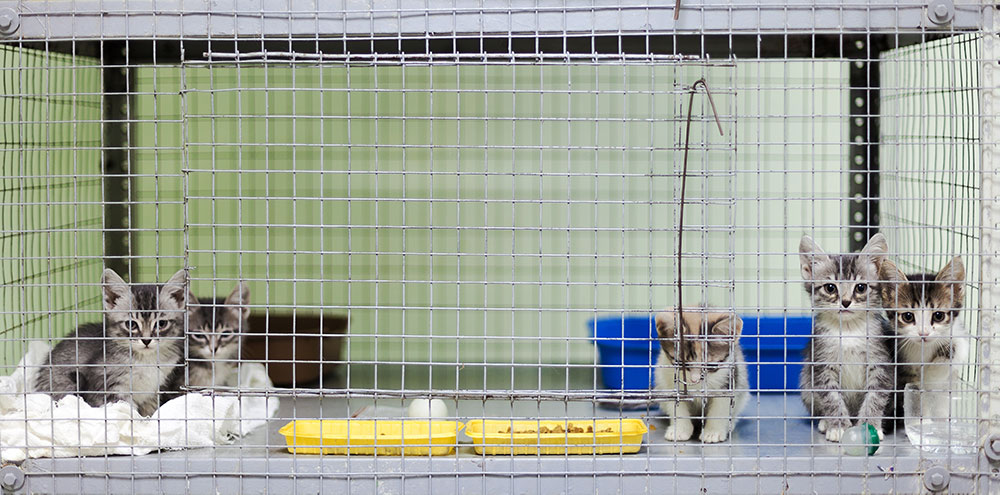
Staff or foster carers may also be able to describe the cat’s personality, confidence level and suitability for a home with children or other animals. This can help you choose a cat whose needs are compatible with your household.
Expert advice from Dr Felicia:
The other benefit of animal shelters is that depending on how long the cat has been in care, they will have an idea of their personality and temperament and be able to determine suitability. Occasionally cats have also lived with foster carers which can help smooth out some initial bumps with getting used to living in a home for cats who haven’t done it before.
Do… arrange a veterinary examination
Arrange a veterinary appointment as soon as practical after the cat has been safely contained. If the cat is injured, struggling to breathe, bleeding heavily, unable to walk or severely unwell, contact a vet immediately.
The vet can:
- scan for a microchip
- assess the cat’s age and general condition
- check for injuries, dental disease and skin or ear problems
- look for fleas, mites, worms and other parasites
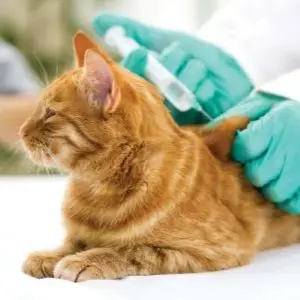
- recommend an appropriate vaccination program
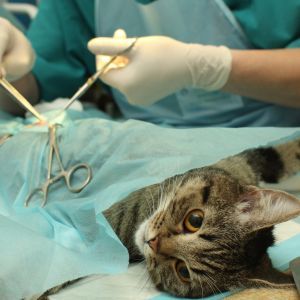
- discuss desexing and microchipping
- advise whether tests for feline immunodeficiency virus (FIV), feline leukaemia virus (FeLV) or other illnesses are appropriate
Testing for FIV and FeLV should be discussed for a newly acquired cat, particularly where their history and exposure status are unknown. In some circumstances, one test may not provide a definitive answer and repeat or confirmatory testing may be recommended.
Expert advice from Dr Felicia:
Your first vet visit with your stray cat will likely involve trying to determine if they are desexed or not, examining for any external parasites, injuries and discussion about testing for diseases such as feline leukaemia virus and feline immunodeficiency virus especially in multi-cat households.
Do… arrange identification, registration and desexing
Once you have confirmed that the cat has no existing owner and completed any required ownership process, arrange for their microchip details to be recorded or transferred into your name. Also check the registration and desexing requirements that apply in your state, territory and local council area.
In NSW, cats must be microchipped before being sold or given away, or by 12 weeks of age. Dogs and cats must currently be registered on the NSW Pet Registry by 12 weeks of age or immediately upon transfer, whichever occurs first. An additional annual permit fee generally applies to an undesexed cat from four months of age unless an exemption applies.
Laws and fees can change, so check the current government and council information rather than relying solely on the cat’s apparent age or previous circumstances.
Don’t… rush or overwhelm them
A stray cat may need days, weeks or longer to feel safe. Avoid forcing physical contact or play, keep your interactions calm and allow the cat to approach you on their own terms. Keeping your interactions as relaxed and non-threatening as possible will lead to them gradually coming to trust you. They will come to you when they feel safe.
Do… gradually introduce them to your home
The Cat Protection Society recommends that you gradually introduce the cat to your home, starting ideally with just one quiet, secure room rather than giving them immediate access to the whole home. Provide:
- food and fresh water, positioned away from the litter tray
- a litter tray in a quiet and accessible location
- comfortable bedding
- an open carrier or covered bed
- a scratching surface
- toys and opportunities to climb or perch
- several safe hiding places
Remove toxic plants, exposed electrical cords, breakable objects and anything the cat could become trapped inside. Check that doors, windows, flyscreens and ventilation openings are secure.
Provide at least one covered retreat, ideally with more than one exit, and block access to unsafe hiding places such as wall cavities, damaged cupboards and spaces behind heavy appliances.
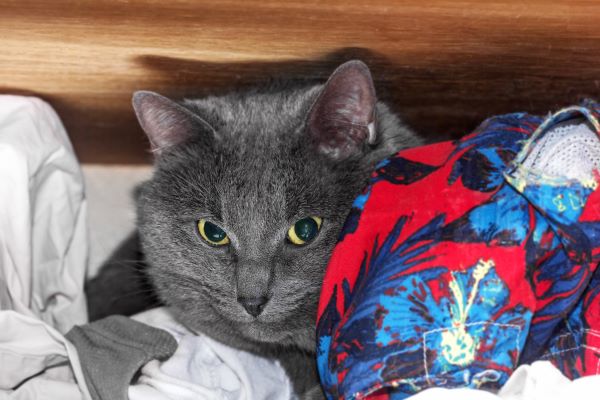
Spend quiet periods in the room without forcing interaction. Reading, working or speaking softly allows the cat to become familiar with your presence. Let them approach you and expand their access to the home only when they appear relaxed and curious.
Expert advice from Dr Felicia:
A quiet, small confined space is key for cats to begin feeling less afraid and more secure. This confined space should be ideally set apart from the noisier areas of the house to help your new arrival feel more secure. Pheromone diffusers can also help new cats feel more settled and less stressed.
Do… use food calmly and consistently
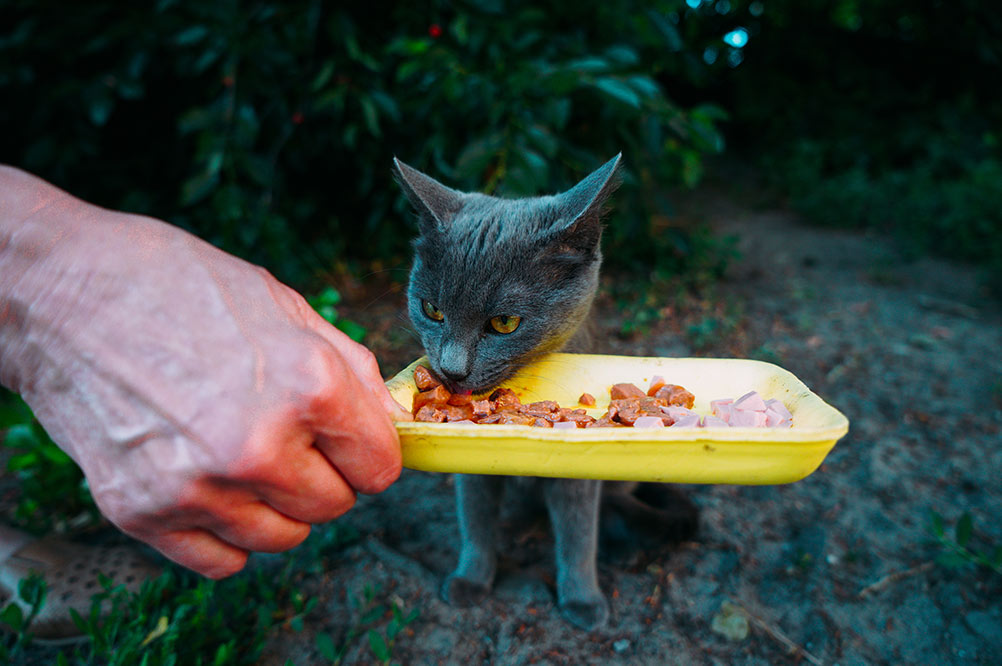
Food can help a wary cat begin to associate your presence with something positive. Once you have taken reasonable steps to check for an owner, offer appropriate cat food at consistent times and place it where the cat feels safe. Initially, step away and allow the cat to eat without being watched or approached.
As the cat becomes more comfortable, sit quietly at a distance, speak softly and avoid sudden movements. Treats can be gently tossed towards the cat or placed on a small plate rather than offered from your fingers.
Don’t… allow unrestricted outdoor access
Keep the cat securely contained from the beginning. A newly adopted cat that is unfamiliar with the home may escape, become lost or attempt to return to their former territory.
Once settled, the safest approach is to keep the cat contained to your property. This may mean living indoors with appropriate enrichment or having access to a secure cat enclosure, enclosed courtyard or escape-proof garden.
Cats that previously roamed outdoors may need time to adjust. Provide climbing areas, hiding places, scratching surfaces, puzzle feeders, window perches and daily interactive play. A secure outdoor enclosure can give the cat access to fresh air and stimulation without the risks associated with unrestricted roaming.
Check your state, territory and local council requirements, as containment rules vary between locations.
Do… provide stimulating indoor experiences
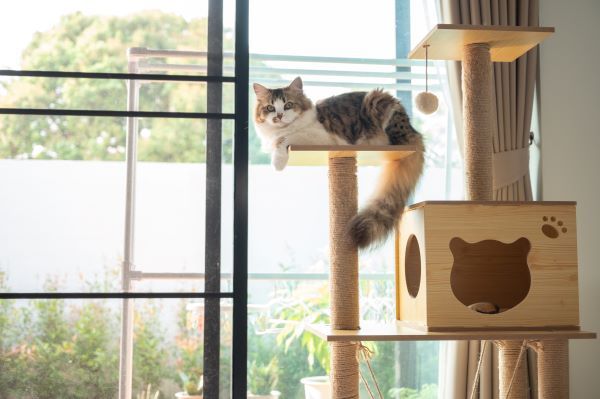
To make their new indoor lifestyle more attractive, provide lots of distractions and enjoyable experiences in your home, such as a variety of hiding and resting places in different locations, scratching posts with various types of scratching surfaces (for example, vertical, horizontal, carpet, sisal rope), a variety of toys, puzzle feeders, perches near windows and regular play sessions.
Don’t… rush introductions to other pets
Keep the new cat physically separate from resident cats and other pets until they have been examined by a vet and you have received advice about parasite control, vaccination and infectious-disease risks. Give the new cat separate food and water bowls, bedding and a litter tray. Wash your hands after handling them and before interacting with resident cats, particularly if the new cat has diarrhoea, sneezing, eye discharge, hair loss or visible skin lesions.
Introductions should be gradual and should begin only after the new cat has settled into their safe room. Start by allowing the animals to investigate each other’s scent on bedding or soft cloths. You can then feed them on opposite sides of a closed door, initially at a comfortable distance. When both appear relaxed, progress to brief visual contact through a secure screen, baby gate or partially opened door.
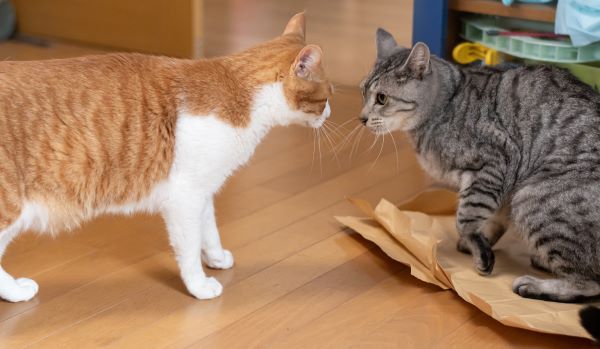
Face-to-face meetings should be short, calm and supervised, with each animal free to retreat. Do not hold either cat or confine one in a carrier during the interaction. Provide multiple food, water, toileting, resting, hiding and elevated resources so that the cats do not need to compete.
Hissing does not necessarily mean the introduction has failed, but chasing, blocking access to resources, persistent staring, fighting or ongoing avoidance indicate that the process should be slowed down. Seek veterinary or qualified feline behaviour advice if tension persists.

Do… consider pet insurance
Veterinary care is an important financial consideration when adopting a cat with an unknown history. Pet insurance may help with eligible veterinary expenses for covered accidental injuries or illnesses after the policy begins, subject to waiting periods, exclusions, annual limits, any applicable excess and the selected benefit percentage.
Bow Wow Meow offers benefit percentage options of 70%, 80% or 90% of eligible veterinary expenses. Read the applicable Product Disclosure Statement before purchasing cover, particularly in relation to pre-existing conditions and waiting periods.
Do… be patient during the adjustment period
There is no fixed timetable for a stray cat to feel at home. Some become confident within days, while others may need weeks or months before they feel secure around people, household sounds and other animals.
During this period, the cat may hide, avoid being touched, vocalise, scratch, overgroom, eat less or toilet outside the litter tray. Do not punish fearful or stress-related behaviour. Make sure the cat has easy access to essential resources and consider whether the environment is overwhelming.
Behavioural changes can also be caused by pain or illness, so consult your vet if a problem is persistent, severe or develops suddenly. Your vet may recommend assistance from a qualified veterinary behaviourist or another appropriately experienced feline behaviour professional.
Expert advice from Dr Felicia:
The most important and helpful thing when taking in pets of uncertain background into your home is patience and empathy. These are huge adjustments for them, and it is all worth it in the end when you are able to cement your bond. There may be bumps in the road until you get there, and your vet and welfare organisation can help you navigate these, so you’re never alone.
In a nutshell…
Adopting a stray cat can be rewarding, but first make every reasonable effort to find an existing owner. If adoption is appropriate, veterinary care, secure containment, a quiet settling-in space, gradual introductions and plenty of patience will help give the cat the best chance of adjusting successfully.
Bow Wow Meow Pet Insurance can help protect you and your cat should an unexpected trip to the vet occur.
-
Find out more about our cat insurance options
-
Get an online pet insurance quote
Bow Wow Meow is proud to have been awarded winner of Canstar’s ‘Most Satisfied Customers’ Award in the Pet Insurance category for both 2024 and 2025!
Bow Wow Meow is proud to be the only Pet Insurer that has been awarded Product Review’s Top Rated Pet Insurance every year from 2018 to 2026! This is based on 3,193 independent customer reviews (as at 09/04/2026), with an overall rating of 4.5 stars.

We also have the following ratings on other review platforms:
Google Review rating of 4.5 stars (based on 1,358 reviews)
Trust Pilot rating of 4.6 stars (based on 555 reviews)
Bow Wow Meow has been chosen as Winner of 4 categories in the 2026 Finder Pet Insurance Customer Satisfaction Awards!



– Most Trusted Pet Insurance
– Easiest to Claim Pet Insurance
– Most Recommended Pet Insurance
– Legendary Service Pet Insurance
We also received Highly Commended Awards for Loved Brand Pet Insurance and Best Value Pet Insurance.
Bow Wow Meow is an Australian-owned and operated pet insurance provider. Our focus is purely on pets, and we are proud to have helped provide peace of mind to over 200,000 Aussie pet owners since 2008.
Sources
“Factsheet – Stray Cats”, Cat Protection Society of NSW, https://catprotection.org.au/cat-care-factsheets/factsheet-stray-cats/. Accessed 6 August 2026.
“If the cat is not yours”, Cat Protection Society of NSW, https://catprotection.org.au/if-the-cat-is-not-yours/. Accessed 6 August 2026.
“Adopting a cat or kitten”, RSPCA Australia, https://www.rspca.org.au/adopt/adopting-a-cat-or-kitten/. Accessed 6 August 2026.
“Keeping cats and local wildlife safe in your community”, RSPCA Australia, https://www.rspca.org.au/latest-news/blog/keeping-cats-and-local-wildlife-safe-in-your-community/. Accessed 6 August 2026.
“Safe and Happy Cats”, RSPCA Australia, https://safeandhappycats.com.au/. Accessed 6 August 2026.
“Microchipping”, NSW Government Office of Local Government, https://www.olg.nsw.gov.au/pets/nsw-pet-registry/owners/microchipping. Accessed 6 August 2026.
“Pet registration fees”, NSW Government Office of Local Government, https://www.olg.nsw.gov.au/pets/nsw-pet-registry/registration-and-permit-fees/pet-registration-fees. Accessed 6 August 2026.
“2020 Feline Retrovirus Testing and Management Guidelines”, Feline Veterinary Medical Association, https://catvets.com/resource/feline-retrovirus-management-guidelines/. Accessed 6 August 2026.
“Retrovirus Education Toolkit”, Feline Veterinary Medical Association, https://catvets.com/resource/retrovirus-education-toolkit/. Accessed 6 August 2026.
“2024 AAFP Intercat Tension Guidelines: Recognition, Prevention, and Management”, Feline Veterinary Medical Association, https://catvets.com/resource/2024-intercat-tension-guidelines/. Accessed 6 August 2026.
“Dog, cat, bat and human bites”, Healthdirect Australia, https://www.healthdirect.gov.au/dog-cat-bat-and-human-bites. Accessed 6 August 2026.