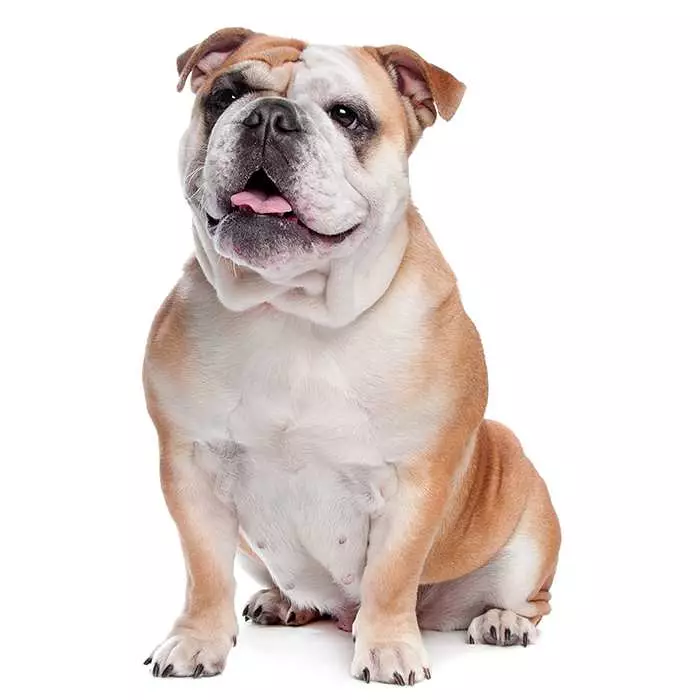
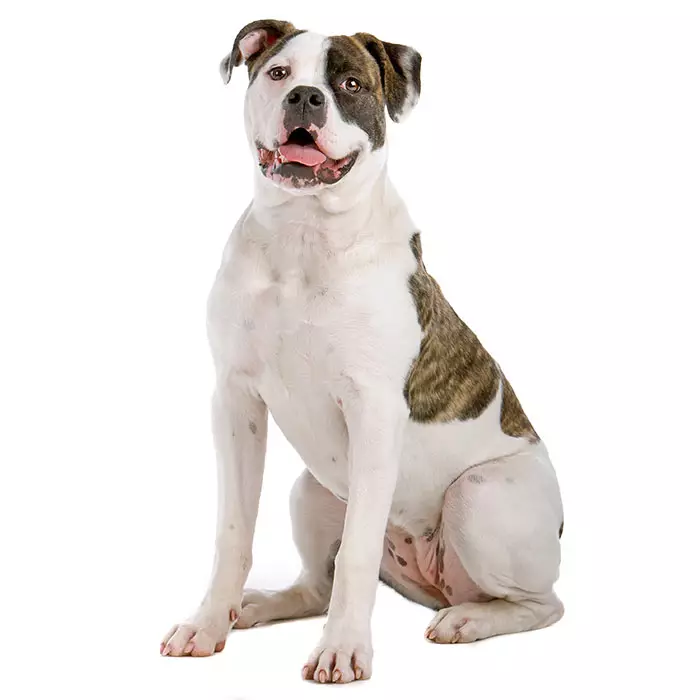
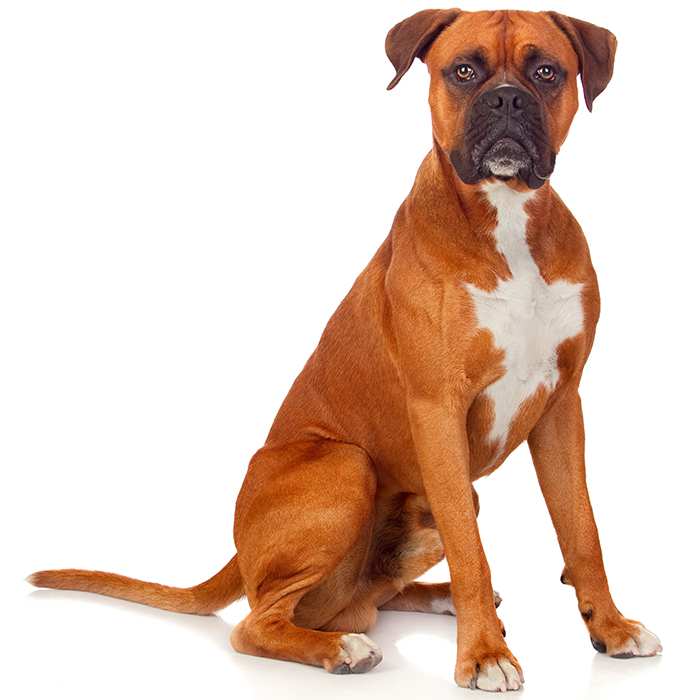
Is the Australian Bulldog a good family dog?


Australian Bulldog
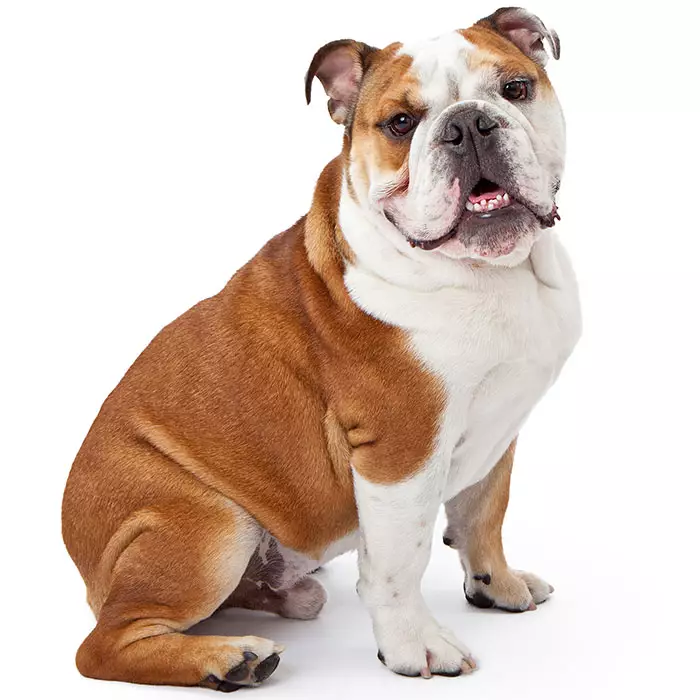
Australian Bulldogs, also known as Aussie Bulldogs, are sturdy, affectionate companion dogs developed in Australia during the 1990s. Breeders aimed to retain the familiar Bulldog appearance and easy-going temperament while producing a more athletic and functional dog better suited to Australian conditions.
| Recommended for | Families, couples and singles looking for an affectionate, moderately active companion |
| Breed Classification | Not currently recognised by Dogs Australia |
| Other names | Aussie Bulldog |
| Lifespan | 10–12 years |
| Size | Medium to large |
| Temperament | Loyal, affectionate, good-natured |
| Intelligence | Above average: capable learners, though sometimes independent |
| Tendency to bark | Moderate: alert but not generally excessively vocal |
| Maintenance Level | Medium: easy coat care but regular skin-fold care and health monitoring |
| Health Risk | Australian Bulldogs can be predisposed to several breed-related conditions affecting the airways, joints, skin, eyes and ears. |
Thinking of insuring an Australian Bulldog?
Explore the Top 5 health issues claimed for Australian Bulldogs, including highest claims paid and how much pet insurance could help you save on eligible vet bills.
See Australian Bulldog pet insurance Ready to get cover? Get a quick quote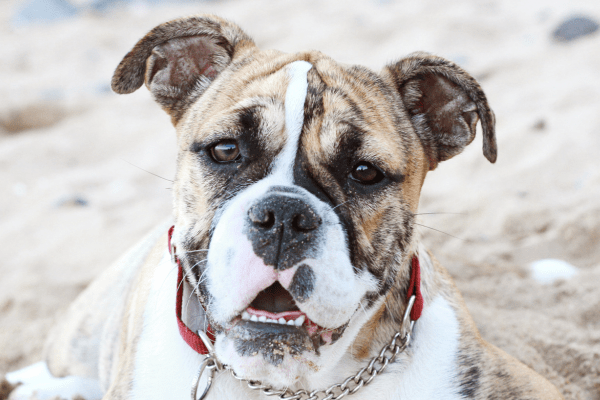
Australian Bulldog personality and temperament
Australian Bulldogs are typically affectionate, outgoing and people-oriented dogs that enjoy being closely involved with their families. They are generally playful and good-natured and can form strong bonds with their owners, although individual temperament varies.
They are intelligent but can also be independent or strong-willed, so clear routines and patient, reward-based training are helpful from puppyhood. Regular companionship, exercise and enrichment can also help prevent boredom and unwanted behaviours.
Australian Bulldogs with kids and other pets
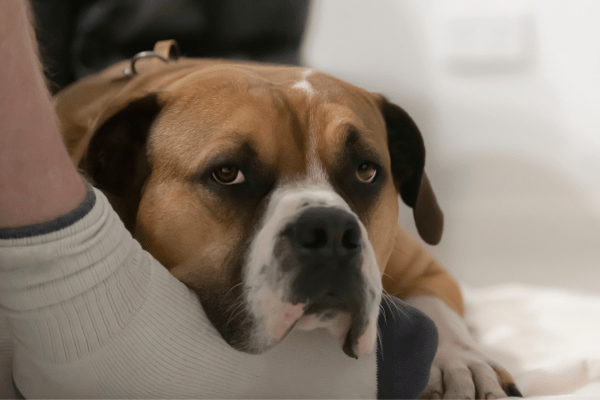
Australian Bulldogs can make affectionate family companions and may live successfully with children of different ages. Their stocky build and enthusiastic play style mean they can accidentally knock over small children, so interactions should always be supervised and children taught how to interact calmly and respectfully with dogs.
They can also live successfully with other dogs and pets when appropriately socialised and introduced. Individual temperament and compatibility vary, so descriptions such as “dominant” should not be treated as an inevitable breed characteristic.
Australian Bulldog training and exercise
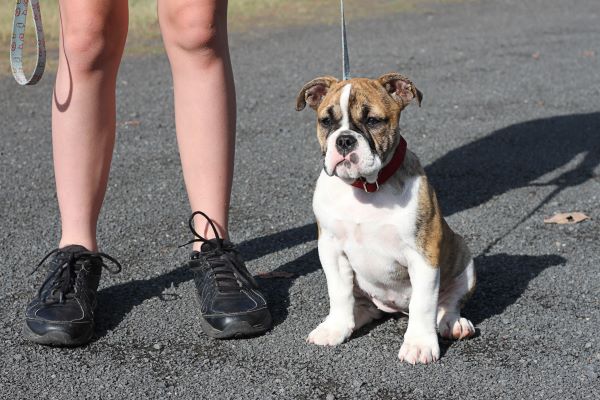
Australian Bulldogs have moderate exercise needs and generally benefit from around 30–60 minutes of daily activity, depending on age, fitness, health and breathing ability. Walks, play and short training sessions can help maintain fitness and prevent excess weight gain without requiring prolonged high-intensity exercise.
They are intelligent dogs but can be independent or strong-willed, so training should begin early and use positive reinforcement, consistency and short, engaging sessions. Early socialisation can help them become comfortable around different people, dogs and environments.
Because Australian Bulldogs are brachycephalic, exercise should be reduced during hot or humid weather and scheduled for cooler parts of the day. Heavy panting, noisy or laboured breathing, weakness or difficulty recovering after activity should not simply be considered normal Bulldog behaviour.
| Energy level | Medium: playful and reasonably active |
| Exercise requirements | Medium: around 30–60 minutes daily, adjusted for heat and breathing ability |
Common health issues for Australian Bulldogs
What do Australian Bulldog owners claim for the most?
Australian Bulldogs can be predisposed to several breed-related conditions affecting the airways, joints, skin, eyes and ears. Because the breed is relatively young and is maintained by several different registries and breeding programs, robust population-level health data is limited, making responsible health screening particularly important.
- Brachycephalic obstructive airway syndrome (BOAS): Their shortened muzzle can restrict airflow, leading to noisy or laboured breathing, poor exercise tolerance, disturbed sleep and difficulty coping with heat. More severely affected dogs may require surgery to improve airflow.
- Hip dysplasia, elbow dysplasia and arthritis: Joint abnormalities can cause pain, lameness and later arthritis.
- Skin conditions: Allergies, skin-fold dermatitis and secondary bacterial or yeast infections can cause itching, redness, odour and recurrent irritation. Skin conditions are also among the most common categories in BWM’s Australian Bulldog claims data.
- Eye conditions: Australian Bulldogs can experience cherry eye, dry eye, entropion and other problems associated with short-faced conformation. Dry eye may require ongoing medication, while cherry eye usually involves prolapse of the tear-producing gland of the third eyelid and may require surgical repositioning.
- Ear problems: Recurrent ear inflammation and infection can occur, particularly where allergies are involved. Signs include head shaking, scratching, redness, odour or discharge.
Not all conditions are covered by Pet Insurance. For details of Bow Wow Meow Pet Insurance cover, refer to the Product Disclosure Statement.
How to choose the right insurance for your Australian Bulldog
When comparing cover for your Australian Bulldog, look for:

Cover for common Australian Bulldog conditions:
Check that the policy covers conditions Australian Bulldogs can be prone to, including common health issues.

Cover for hereditary conditions:
No exclusions for hereditary or congenital conditions⑅.

Flexible cover options:
Options to adjust your annual benefit limit, reimbursement rate and excess.
Bow Wow Meow's Nose-to-Tail Cover offers flexible options for your Australian Bulldog, with cover for accidental injuries, illnesses and hereditary conditions⑅. Get a quick quote for cover that suits your Australian Bulldog and your budget.
Australian Bulldog feeding and nutrition
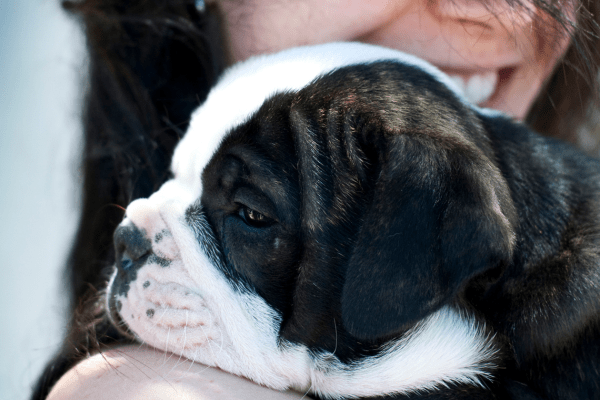
Australian Bulldogs should be fed a complete and balanced diet appropriate for their age, body condition, activity level and health. Portions should be measured and adjusted to maintain a lean, healthy weight, as excess weight can increase strain on the joints and make breathing and heat tolerance more difficult. Treats should be included when considering overall daily food intake. Speak to your vet if you have concerns about your Australian Bulldog’s weight or individual nutritional needs.
Australian Bulldog care and grooming
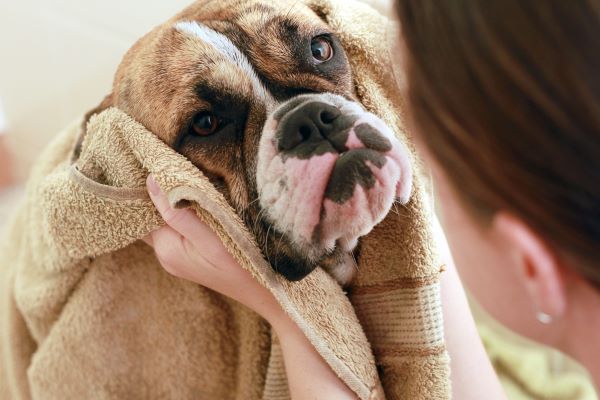
Australian Bulldogs have short, smooth coats that are relatively easy to maintain. Weekly brushing can help remove loose hair and keep the coat in good condition, although shedding varies between individuals and may increase seasonally.
Facial and other skin folds should be checked regularly and kept clean and dry to reduce irritation and infection. Routine nail, ear and dental care is also important, with bathing generally required only when the dog is dirty.
Size, appearance and coat of Australian Bulldogs
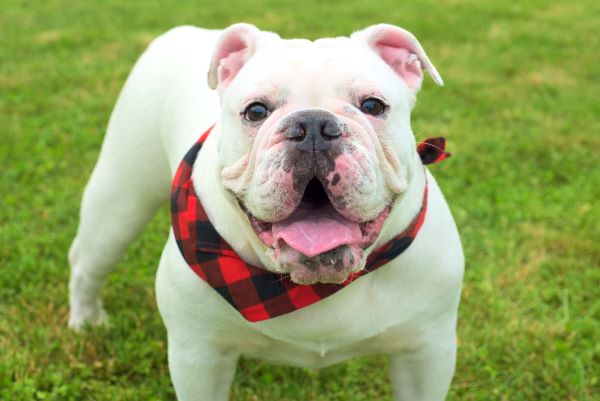
The Australian Bulldog is a sturdy, muscular, medium-to-large Bulldog-type dog with a broad head, strong body and short, smooth coat. The muzzle is relatively short, but responsible breeding should favour open nostrils, functional breathing and sufficient muzzle length rather than increasingly exaggerated flat-faced features.
The coat is smooth, short and tight to the body and comes in a variety of colours. To reduce the incidence of skin cancer in the Australian Bulldog, dark pigmentation on the sensitive areas exposed to the sun is desirable.
| Weight range | Males 28 to 38 kg; females 24 to 30 kg |
| Height range | Males approx. 28–35 kg; females 24–30 kg |
| Colours | Red, fawn, brindle and white combinations |
| Coat length | Smooth and short |
Breed history of Australian Bulldogs
The Australian Bulldog was developed in Queensland during the 1990s through several breeding programs aimed at creating a more functional Bulldog suited to Australian conditions. Noel and Tina Green and Pip Nobes were among the breeders closely associated with the breed’s early development, with the Aussie Bulldog Club of Australia dating its inception to 1997.
The breeding programs drew on Bulldog-type dogs with the aim of retaining the familiar appearance, loyalty and companion temperament of the British Bulldog while improving athleticism, structural soundness and suitability for a warmer climate. Because several registries and breeding programs subsequently developed, exact foundation ancestry and modern breed standards can vary.
The breed’s British Bulldog ancestry ultimately traces back to dogs historically used for bull baiting in Britain. Bull baiting was outlawed in 1835, after which Bulldogs were increasingly bred as companion and show dogs rather than for blood sports.
Explore related breeds
Australian Bulldog facts!
- The Aussie Bulldog is genuinely Australian-made: its modern development began in Queensland in the 1990s, with the breed’s inception generally dated to 1997.
- The name “Aussie Bulldog” is credited to Queensland breeders Tina and Noel Green, who were involved in one of the original breeding programs.
- The breed was created with function in mind, not simply appearance: breeders wanted a Bulldog that remained recognisably bulldog-like but was more athletic and better suited to Australian conditions.
- Some Aussie Bulldogs are enthusiastic swimmers and are affectionately described by the breed club as “water babies” — but others cannot swim well at all, so every Bulldog should still be closely supervised around water.
- Australian Bulldog and Australasian Bosdog are no longer simply interchangeable names. The Australasian Bosdog received Dogs Australia recognition in 2022, while the Aussie Bulldog continues under separate breeder-club programs.
Summary
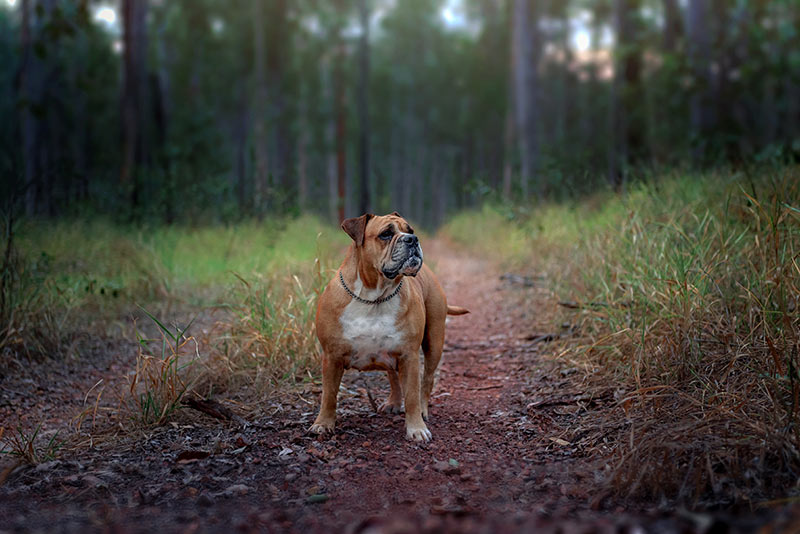
The Australian Bulldog is a solid, thickset and powerful companion dog developed in Australia. Loyal, outgoing and affectionate, it loves people and tends to crave attention and involvement with its family.
Australian Bulldogs can make devoted family companions and are often good-natured, but they may also have a stubborn streak that can make training more challenging. They are best suited to owners who can provide consistent guidance, companionship and moderate daily activity.
FAQs about the Australian Bulldog
They are generally affectionate companions and can suit families, couples or singles when their individual exercise, training and grooming needs are met.
Moderate. Daily walks and play are generally appropriate, adjusted for the dog’s age, health and individual energy level.
They are intelligent but can be independent or strong-willed, so patient, consistent reward-based training and early socialisation are important.
They are generally low to moderate or moderate barkers, although barking can increase with boredom, excitement, anxiety or unfamiliar activity.
Yes. They generally shed a low to moderate or moderate amount and benefit from routine brushing.
They can adapt to apartment living in the right circumstances, but owners need to meet their daily exercise, enrichment and behavioural needs consistently.
Many can live happily with children and other pets when socialised from a young age, although individual temperament and compatibility always vary.
Potential health concerns include brachycephalic airway problems, skin disease, hip and elbow dysplasia and eye problems.
Not anymore. The breeds share historical connections and the Australasian Bosdog Society was formerly called the Australian Bulldog Society, but the Australasian Bosdog is now a Dogs Australia-recognised Group 7 breed with its own standard. Australian or Aussie Bulldogs maintained by separate breed clubs are not currently recognised by Dogs Australia and should not be treated simply as another name for the Australasian Bosdog.
MORE INFORMATION
Aussie Bulldog Club of Australia: http://www.aussiebulldogclub.com

Get 2 months free for your puppy!
Congrats on your new bundle of joy
To ensure your precious fur baby is covered from the start, we'd like to offer your first 2 months of our Nose-to-Tail Cover for free2!
Get a quick quote