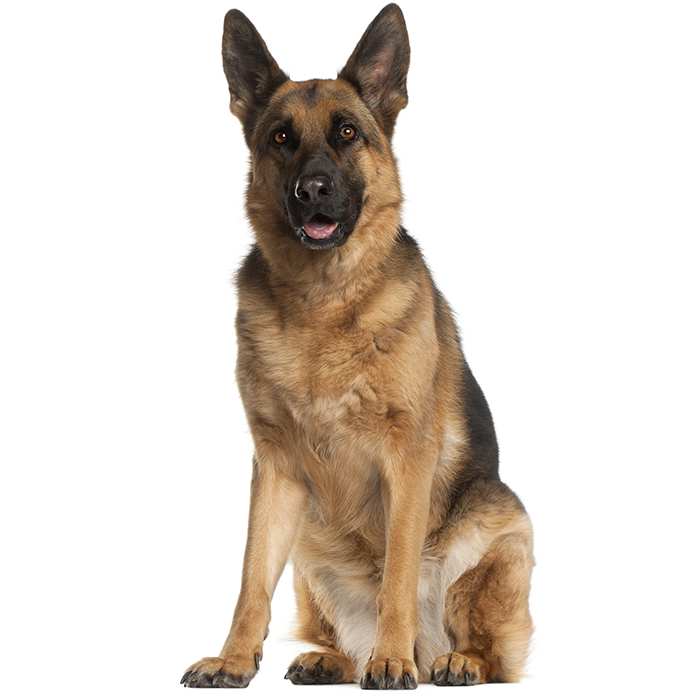
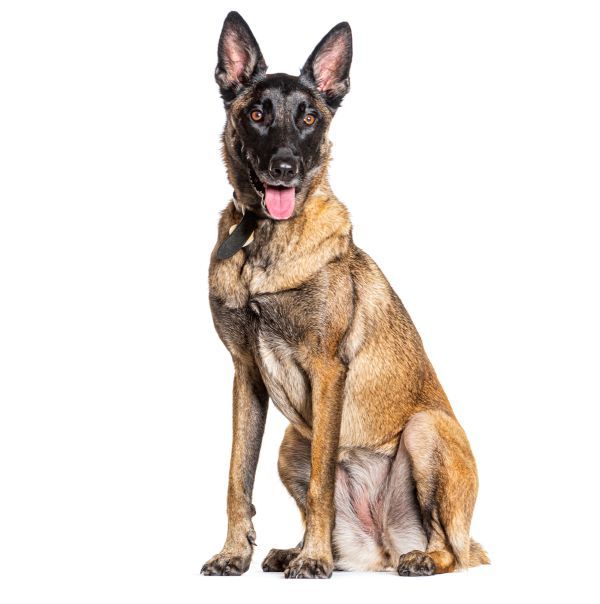
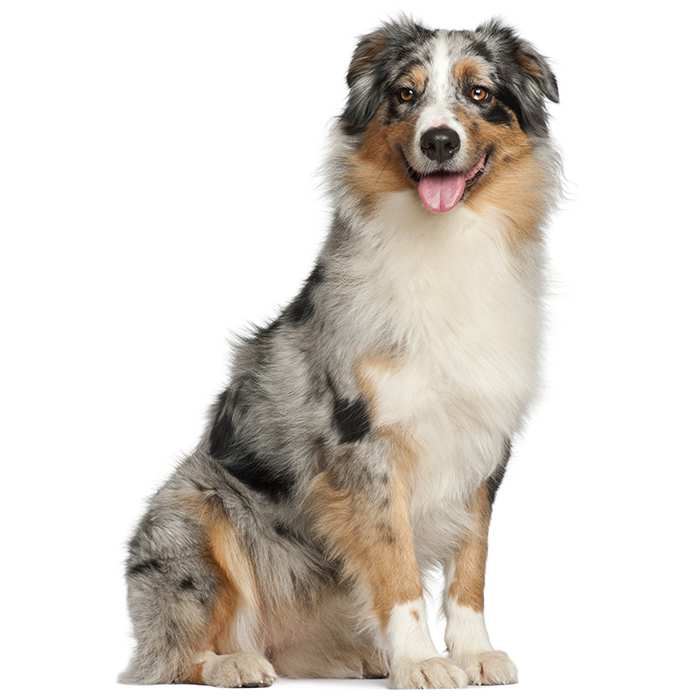
Is the Swiss Shepherd a good family dog?


Swiss Shepherd
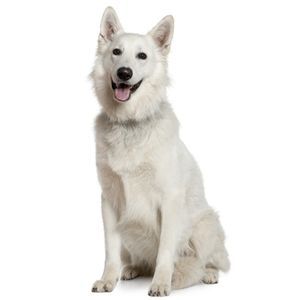
Swiss Shepherds are elegant, intelligent and loyal dogs that combine a striking white coat with trainability and a close attachment to their people. They often appeal to owners who like shepherd-type dogs but want a somewhat softer expression and temperament than is sometimes associated with harder-edged working lines. They can make excellent companions in active, engaged homes that are willing to provide both training and ongoing interaction.
| Recommended for | Active families and engaged owners |
| Breed Classification | Herding / pastoral type |
| Other names | White Swiss Shepherd, White Swiss Shepherd Dog |
| Lifespan | Around 12 to 14 years |
| Size | Medium to large |
| Temperament | Loyal, gentle, intelligent, observant |
| Intelligence | High |
| Tendency to bark | Medium |
| Maintenance Level | Medium to high |
| Health Risk | Moderate to above moderate |
Thinking of insuring a Swiss Shepherd?
Explore the Top 5 health issues claimed for Swiss Shepherds, including highest claims paid and how much pet insurance could help you save on eligible vet bills.
See Swiss Shepherd pet insurance Ready to get cover? Get a quick quote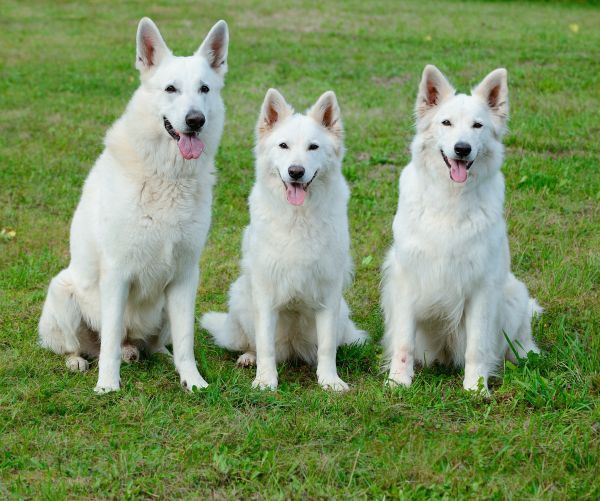
Swiss Shepherd personality and temperament
Swiss Shepherds are often loyal, observant and highly tuned in to their families. Many are intelligent and eager to learn, but also sensitive enough that harsh handling can undermine confidence. They often thrive with calm, consistent owners who combine structure with fairness.
These dogs are frequently affectionate and family-oriented, but not always as carefree as some companion breeds. They can be reserved with strangers, watchful in new environments and sensitive to household tension or inconsistent handling. In the right home, that sensitivity becomes attentiveness and devotion rather than anxiety.
Swiss Shepherds with kids and other pets
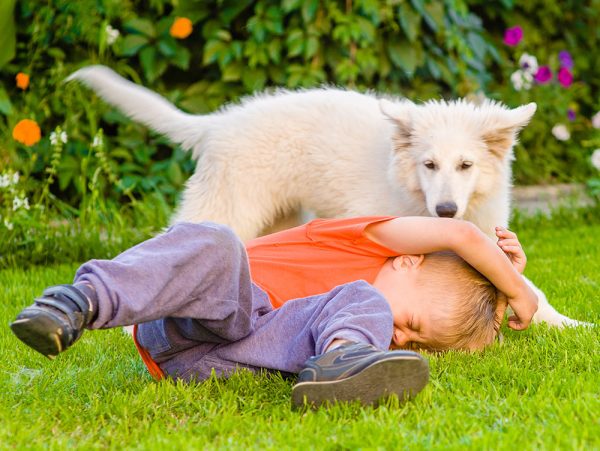
A well-socialised Swiss Shepherd can be an excellent family dog and often forms close bonds with children. Their intelligence and loyalty can make them lovely companions in a stable household. They can also live well with other pets if socialised and introduced appropriately.
Because they are medium-to-large dogs with shepherd instincts, training and supervision still matter. Their size, intelligence and sensitivity mean they generally do best in homes that offer consistency rather than chaos.
Swiss Shepherd training and exercise
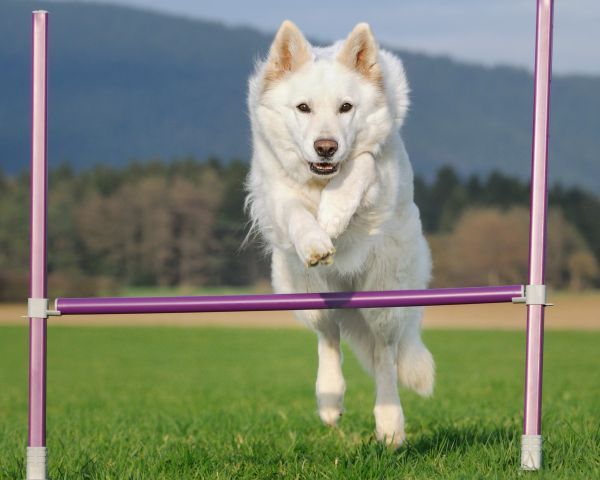
Swiss Shepherds usually benefit from regular exercise and plenty of mental engagement. Walks, obedience, scent games, structured play and dog sports can all suit them well. They often enjoy learning and can become bored if their world is too repetitive or under-stimulating.
Training should be clear, fair and positive. Many are highly trainable, but their sensitivity means heavy-handed methods can backfire.
| Energy level | High |
| Exercise requirements | High |
Common health issues for Swiss Shepherds
What do Swiss Shepherd owners claim for the most?
- Hip and joint problems – Medium-to-large shepherd-type dogs can be prone to mobility-related joint issues, which may affect comfort, exercise tolerance and long-term movement as they mature.
- Skin and coat issues – Dense coats may hide irritation, hot spots or skin sensitivity, so regular grooming and checking under the coat are important for early detection.
- Digestive sensitivity – Some dogs may experience stomach upsets or food-related digestive issues, which can show up as poor tolerance, inconsistent stools or general gastrointestinal sensitivity.
- Ear infections – Hair, moisture and wax build-up can sometimes contribute to irritation or infection, particularly if the ears are not checked regularly as part of routine grooming.
- Anxiety and stress sensitivity – Intelligent, sensitive dogs may become unsettled, reactive or overly worried if poorly socialised, handled harshly or exposed to ongoing stress in the home.
Not all conditions are covered by Pet Insurance. For details of Bow Wow Meow Pet Insurance cover, refer to the Product Disclosure Statement.
How to choose the right insurance for your Swiss Shepherd
When comparing cover for your Swiss Shepherd, look for:

Cover for common Swiss Shepherd conditions:
Check that the policy covers conditions Swiss Shepherds can be prone to, including common health issues.

Cover for hereditary conditions:
No exclusions for hereditary or congenital conditions⑅.

Flexible cover options:
Options to adjust your annual benefit limit, reimbursement rate and excess.
Bow Wow Meow's Nose-to-Tail Cover offers flexible options for your Swiss Shepherd, with cover for accidental injuries, illnesses and hereditary conditions⑅. Get a quick quote for cover that suits your Swiss Shepherd and your budget.
Swiss Shepherd feeding and nutrition
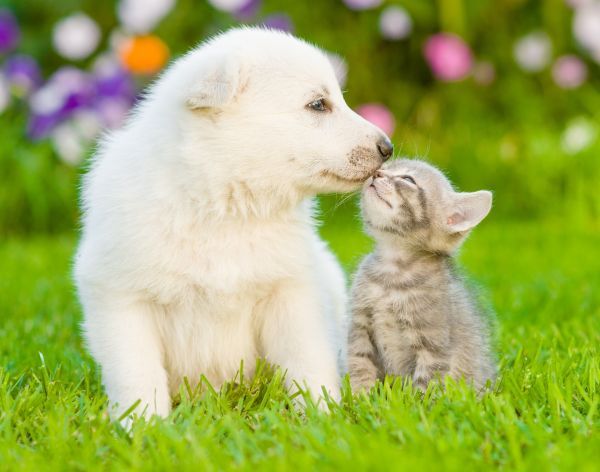
Feed your Swiss Shepherd a high-quality dog food appropriate for the dog’s size, age (puppy, adult, or senior), energy requirements and activity level.
Take particular care during puppyhood to feed a diet that keeps the puppy from growing too fast, particularly between age four to seven months, as this can result in bone disorders.
As a medium-to-large breed, Swiss Shepherds benefit from staying lean and maintaining good muscling without excess weight.
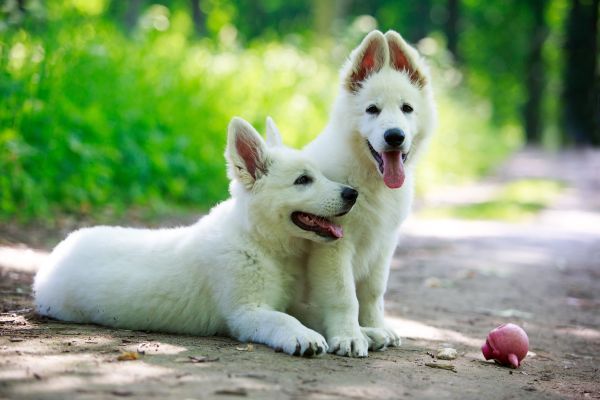
Swiss Shepherd care and grooming
The coat is beautiful but not low maintenance. Regular brushing is needed to manage loose hair and seasonal shedding.
Owners should also keep on top of nails, ears and dental care, and check the coat and skin regularly.
Size, appearance and coat of Swiss Shepherds
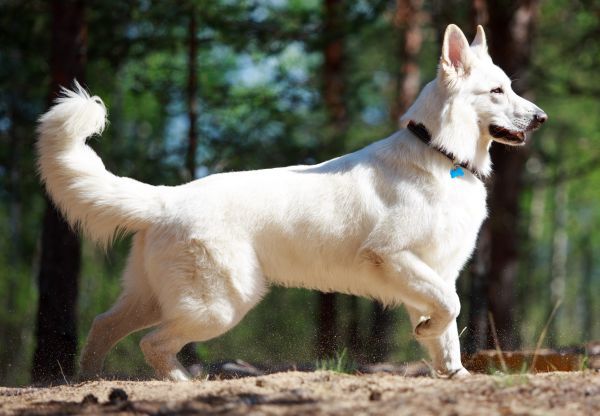
Swiss Shepherds are athletic, well-balanced dogs with a refined but substantial frame. They usually present as elegant rather than bulky, with a strong topline, alert expression and a proud carriage. Their standout feature is, of course, the white or near-white coat, which gives them a very distinctive appearance.
They often have a wedge-shaped head, erect ears and expressive dark eyes that contrast sharply with the pale coat. Depending on the line, the coat may be medium or long, but in either case it usually has a thick double-coat quality that contributes to both appearance and grooming needs.
| Weight range | Usually around 25 to 40 kg, depending on sex and line |
| Height range | Usually around 55 to 66 cm at the shoulder |
| Colours | Predominantly white or near-white |
| Coat length | Usually medium to long double coat, with moderate to significant shedding |
Breed history of Swiss Shepherds
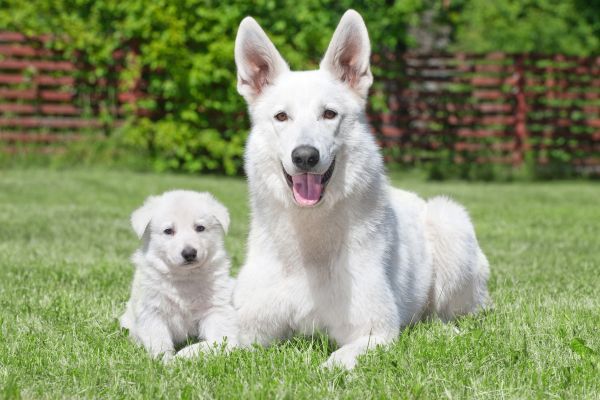
The Swiss Shepherd developed from white-coated German Shepherd lines and was later recognised as a distinct breed in its own right. Although connected historically to the German Shepherd, the modern White Swiss Shepherd has developed its own identity, often associated with elegance, trainability and a somewhat softer, more companion-oriented presentation.
The breed gained support among enthusiasts who valued the shepherd type but were particularly drawn to the white coat and the breed’s overall balance of intelligence and family suitability. Over time, it has become an attractive option for people who want a highly trainable dog with a striking appearance and strong owner attachment.
Its background still matters, however. This is not a decorative fluff breed. It remains a shepherd-type dog with intelligence, awareness and a need for engagement. Owners drawn only to the coat colour can end up underestimating the dog underneath.
GSDs became popular in the United States in the early 1900’s, thanks in part to the adventures of canine movie stars Rin-Tin-Tin and Strongheart.
Interestingly, after World War I, some believed the word “German” in its name would harm the breed’s popularity. As a result, the breed was renamed by the UK Kennel club as the “Alsatian Wolf Dog”, referring to the area of Alsace-Lorraine on the border of France and Germany. Many other international kennel clubs adopted the name, and eventually “wolf dog” was dropped from the name. “Alsatian” remained the official breed name until 1977, when dog enthusiasts campaigned to have the breed registered once again as “German Shepherd”.
Today, the breed that was developed to be the ideal sheep herder is the preferred dog for police and military units the world over and is generally considered dogkind’s finest all-purpose worker.
Explore related breeds
Swiss Shepherd facts!
- Swiss Shepherds are admired for their striking white coat and elegant shepherd look.
- They often appeal to owners who want a shepherd-type dog with a softer overall expression.
- Many are highly trainable and enjoy learning with their people.
- Their coat makes them stand out immediately on walks and in dog parks.
- They often combine intelligence and loyalty with a more sensitive side than people expect.
Summary
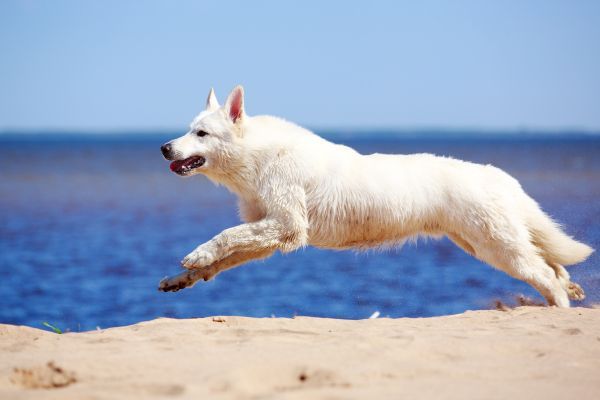
The Swiss Shepherd is an elegant, intelligent and loyal dog recognised by its striking white coat and close attachment to people. It combines strong trainability with a generally softer expression and temperament than some harder-edged working shepherd lines.
Swiss Shepherds can make excellent companions in active, engaged homes that are willing to provide regular training and ongoing interaction. They thrive when included in family life and given both physical activity and opportunities to use their intelligence.
FAQs about the Swiss Shepherd
They can be deeply loyal family companions in experienced homes, but early socialisation and consistent training are essential because of their size, strength or guarding instincts.
High. They need plenty of daily exercise, including walks, active play and mental stimulation, with opportunities for more vigorous activity where appropriate.
Yes. They are highly intelligent and capable learners that usually respond very well to consistent, reward-based training and regular mental challenges.
They are generally low to moderate or moderate barkers, although barking can increase with boredom, excitement, anxiety or unfamiliar activity.
Yes. They generally shed a low to moderate or moderate amount and benefit from routine brushing.
They are generally better suited to homes with more space because of their size, energy level or working and guarding instincts, although individual circumstances vary.
They can live successfully with children and other pets when carefully socialised, but their size and protective instincts mean supervision and thoughtful introductions are essential.
Potential health concerns include hip and elbow dysplasia, degenerative myelopathy, eye problems and some digestive or autoimmune conditions.
MORE INFORMATION
White Swiss Shepherd Dog Club of Australia Inc: https://www.wssdca.org.au/
White Swiss Shepherd Dog Association of NSW: https://www.facebook.com/wssdansw/
White Swiss Shepherd Dog Association of Victoria Inc: https://www.whiteswissshepherddogassociationofvictoriainc.com/

Get 2 months free for your puppy!
Congrats on your new bundle of joy
To ensure your precious fur baby is covered from the start, we'd like to offer your first 2 months of our Nose-to-Tail Cover for free2!
Get a quick quote