Good and bad human foods: What to feed and what to not feed your dog

Summary
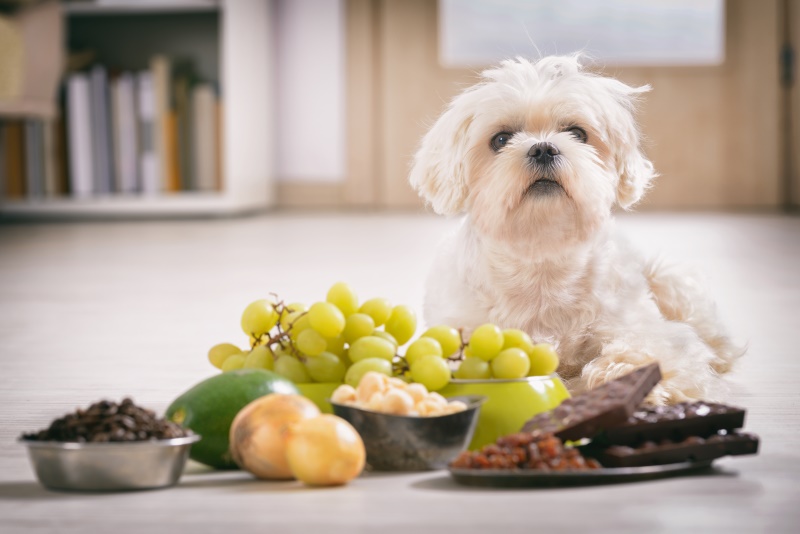
Like many dog owners, you probably have some understandable concerns about what to feed your new dog. You may be aware that certain human foods, like chocolate and xylitol, are a ‘no-no’ when it comes to feeding your new dog. This guide lists dog friendly foods and those to avoid, including chocolate, grapes, raisins, onion, garlic, alcohol and xylitol. Always check with your vet for medical diets and avoid sudden switches that can cause vomiting or diarrhoea.
Foods bad for dogs – what NOT to feed your dog
Do you know that there are many foods bad for dogs sitting in your refrigerator or pantry right now? In fact, some of these common ‘human foods’ are downright dangerous foods for dogs, so it is essential that you know which these are and what symptoms to look out for if your dog manages to sink their teeth into any of them.
Expert advice from Dr Felicia:
Dogs with sensitive tummies may not take that well to having odd tidbits introduced here and there, so introduce new foods in small amounts, and potentially not at all if your pup is a bit prone to having an upset stomach!
What human foods are bad for dogs?
Chocolate and cocoa
Most people are aware that chocolate is one of those yummy human foods harmful to dogs. The reason is that chocolate contains theobromine, which is toxic for dogs. Generally, the darker the chocolate, the greater its toxicity. If your dog has eaten chocolate, the calculator below can help to assess the level of chocolate toxicity.
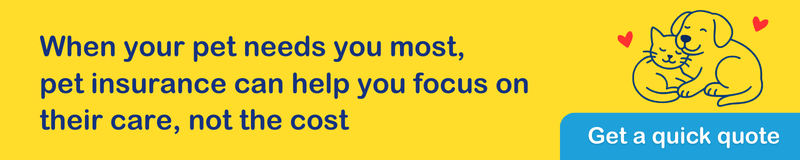
Chocolate may also contain nuts, fats and caffeine, all of which are also on the list of what not to feed your dog. Chocolate containing sultanas is another double no-no!
Symptoms of chocolate toxicity: vomiting, diarrhoea, urination, hyperactivity, heart arrhythmias, tremors, seizures
Expert advice from Dr Felicia:
Chocolate ingestion cases often seem to spike around Easter and Christmas from dogs gaining access to an Easter Egg stash or Christmas chocolate box! Most dogs can find their way around/eat their way through a cardboard box and wrappers, so keep them out of reach.
Read our article Why Is Chocolate Bad For Dogs?
Onions, garlic, chives and leeks
These flavoursome foods are all members of the Allium family and are poisonous to dogs and cats. Ingestion of just a small amount of these dangerous foods for dogs can cause gastrointestinal irritation and oxidative damage to the red blood cells, which can lead to anaemia. In cooked, powdered or dehydrated form they are more potent and require less to have toxic effects. Garlic is about 5 times more potent than onion. Do not grow them in your garden where your dog can access them. The onset of poisoning may take some time, with symptoms not appearing for several days.
Symptoms of anaemia: panting, weakness, lethargy, pale gums, elevated heart rate, breathing difficulties, exercise intolerance, collapse
Symptoms of gastroenteritis: nausea, vomiting, drooling, oral irritation, abdominal pain, diarrhoea
Expert advice from Dr Felicia:
Be mindful that onion and garlic powders, since dehydrated are more potent than the fresh herb. Signs of toxicity can be seen when a dog consumes more than 15g of fresh onion per kilo of its own body weight.
Green potatoes
While a plain baked or boiled potato is safe for your dog, do not allow him to eat any raw potatoes or any potato plants from your pantry or garden. This is because raw green potatoes contain a substance called solanine which can be toxic to some dogs, resulting in “green potato poisoning”.
Symptoms: vomiting, lethargy, coordination problems
Xylitol
Xylitol, the sweetener or sugar substitute found in many varieties of chewing gum, candy, baked goods, toothpaste and vitamins, is near the top of the list of dangerous foods for dogs. It can cause the rapid release of insulin in dogs and result in hypoglycaemia (low blood sugar). In some cases, xylitol poisoning can lead to liver failure within a few days of ingestion.
Symptoms: vomiting, weakness, lethargy, coordination problems, seizures
Expert advice from Dr Felicia:
Some dogs like to eat chewed chewing gum. This tends to have less xylitol levels but warrants a vet visit in case, since low blood sugar can be life-threatening, and liver failure can occur.
Seeds from apples, peaches, plums, apricots and cherries
The seeds, as well as the stems and leaves, of these common fruits contain cyanide, which is poisonous if consumed. Larger pips are a risk for intestinal obstruction. While we know not to eat the seeds, our dogs do not, so it is best to keep the fruit bowl out of their reach.
Symptoms: difficulty breathing, panting, shock
Rhubarb and rhubarb leaves
Rhubarb is a vegetable often used in pies, jams, sauces and juice. Rhubarb leaves and stems contains soluble oxalates which can induce poisoning if ingested in large enough quantities. This can trigger abnormalities of the nervous system, kidneys and digestive tract. Rarely, acute renal failure can result.
Symptoms: drooling, vomiting, diarrhoea, lethargy, weakness, tremors, loss of appetite, bloody urine, changes in thirst or urination.
Tobacco
Tobacco is high on the list of what not to feed your dog. Exposure to nicotine in tobacco initially causes low heart and respiratory rates which then change to overstimulation, and can ultimately be fatal.
Symptoms: uncontrolled urination and/or defecation, tremors, seizures, paralysis
Macadamia nuts
Nuts are high in fat content, which can cause stomach upsets and pancreatitis in your dog. Some nuts are dangerous to dogs, for example, macadamias and mouldy walnuts can be toxic and cause poisoning. Just a handful of raw or roasted macadamias can make your dog really sick. Chocolate with nuts delivers a double blow and is high on the list of what not to feed your dog.
Symptoms: lethargy, vomiting, loss of muscle control, weakness in the back legs, high temperature
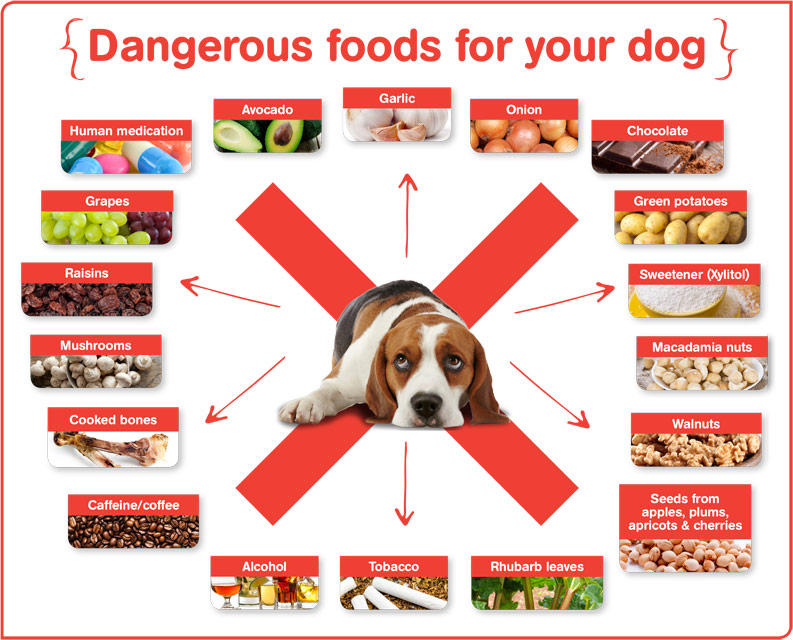
Alcohol
Wine, beer and other alcohol can be toxic, and even deadly, for to your dog. Likewise, all foods or drinks containing even a small amount of alcohol are foods bad for dogs. Alcohol is rapidly adsorbed into the dog’s bloodstream and just a drop can cause dangerous declines in blood sugar, blood pressure and body temperature. The effects are even worse in smaller breeds.
Symptoms: vomiting, diarrhoea, coordination problems, seizures, breathing difficulties, respiratory failure, coma
Caffeine/coffee
A small amount of caffeine can affect the heart, stomach, intestines and nervous system, while a large dosage can be fatal. Caffeine is not just found in coffee and tea. Other foods bad for dogs because of their caffeine content include energy drinks, energy bars, chocolate, cocoa, colas and some medications, including diet pills, pain killers and cold medicines.
Symptoms: restlessness, hyperactivity, excessive panting, seizures, muscle twitching, increased urination, increased heart rate, increased blood pressure.
Because it is difficult to predict the costs of veterinary care, it can help to have measures in place to help prepare for the unexpected. Pet insurance can help by covering a portion of the eligible vet bill if the unexpected does happen.
Get a quick quote
Cooked bones
While it seems natural to give a dog a bone, cooked bones are choking hazards for dogs. They can also break teeth when being chewed, and once inside the digestive system, they can splinter, causing stomach lacerations and obstructions within the digestive system or constipation in the colon.
Symptoms: vomiting, lethargy, diarrhoea, abdominal pain or discomfort, drooling
Expert advice from Dr Felicia:
Giving cooked bones is risky all the way through the gastrointestinal tract, starting at the teeth, within the oesophagus, stomach, intestines and then within the colon/rectum. Cooked bones are often responsible for foreign body surgeries and enemas when they cause constipation.
Raisins & grapes
Yet another example of human foods harmful to dogs, these need to be kept away from your dog at all costs. Both grapes and raisins can cause acute kidney failure in most breeds, reducing the ability to produce urine and thereby filter toxins out of the body. Ingesting just a few can be extremely harmful, depending on the size of your dog.
Symptoms: repeated vomiting, lethargy, depression, diarrhoea
Read our article Can dogs eat grapes? Everything you need to know
Mushrooms
While there are several thousand species of mushrooms, only a small number are known to be toxic. These can cause severe problems to various organ systems, including the kidneys, liver and brain, and can even result in death. All wild mushroom ingestion should therefore be considered toxic.
Symptoms: seizures, coma, vomiting
Read our article Can dogs eat mushrooms? Everything you need to know
Avocados
Although super healthy for us, avocado is another one of those human foods bad for dogs. It contains persin, which is known to give dogs an upset stomach. Persin is also in the fruit’s leaves, pip and bark, so if you have an avocado tree in the garden, keep your dog away from it – avocados are definitely on the list of what not to feed your new dog. Ingestion of the pip can potentially cause an obstruction in the digestive tract, which can be fatal.
Symptoms: vomiting, diarrhoea
Read our article Can dogs eat avocado? Everything you need to know
Milk and dairy products
While not toxic to dogs, dairy products can disrupt their digestive system and even trigger food allergies. Dogs lack lactase, the enzyme that is needed to digest the lactose contained in dairy products. When determining what to feed your dog, it’s best to cross dairy off the list.
Symptoms: diarrhoea, vomiting, itching

Human medication
Taking medication designed for people can make dogs very sick. Common ingredients in pain relievers, cold medicines and other medicines contain ingredients that can be deadly. Human medication is definitely on the list of dangerous food for dogs, and can even be deadly, so it is best to keep all medicines locked away and out of your dog’s reach.
Expert advice from Dr Felicia:
Accidental consumption of human medication warrants a trip to the vet. Depending on what is consumed, the vet may choose to try and induce vomiting or monitor for potential adverse effects such as kidney/liver injury.
Symptoms of ingestion of foods harmful to dogs
If your dog ingests any of these or other dangerous foods for dogs, it is important to know what signs and symptoms to look out for. Toxicity will vary depending on the breed, size and age of the dog. While these potentially poisonous foods are bad for all dogs, they are even more potent for relatively smaller breeds, like shih tzus, Yorkies and chihuahuas since they receive a higher ‘dose’.
It is advisable to contact your vet or the animal poison line immediately if your dog is having a bad reaction, particularly if he has ingested cooked bones, grapes or raisins, onions or garlic, nuts, xylitol or chocolate.
Common symptoms of poisoning include:
- Fever
- Collapse
- Seizures
- Drooling
- Lethargy
- Vomiting
- Tremors
- Diarrhoea
- Weakness
- Restlessness
- Hyperactivity
- Bloated stomach
- Muscle twitching
- Excessive panting
- Excessive urination
Unsure how serious it is?
Bow Wow Meow policyholders can get access to trusted vet care anytime, anywhere, at no additional cost. Connect to an experienced Australian registered vet via video call, 24/7. Whether it’s providing vet advice, setting up at-home treatment plans, or confirming if you need to visit a vet in person, you can get help when you need it.
Find out more about our pet insurance cover options.
Good for humans, good for dogs – food you can feed your dog
Many healthy foods that are good for us are relatively good for dogs, given in small quantities as an occasional treat. However, it’s important to research the experts’ recommendations what to feed your dog (and of course, what not to feed your dog) before you do so.
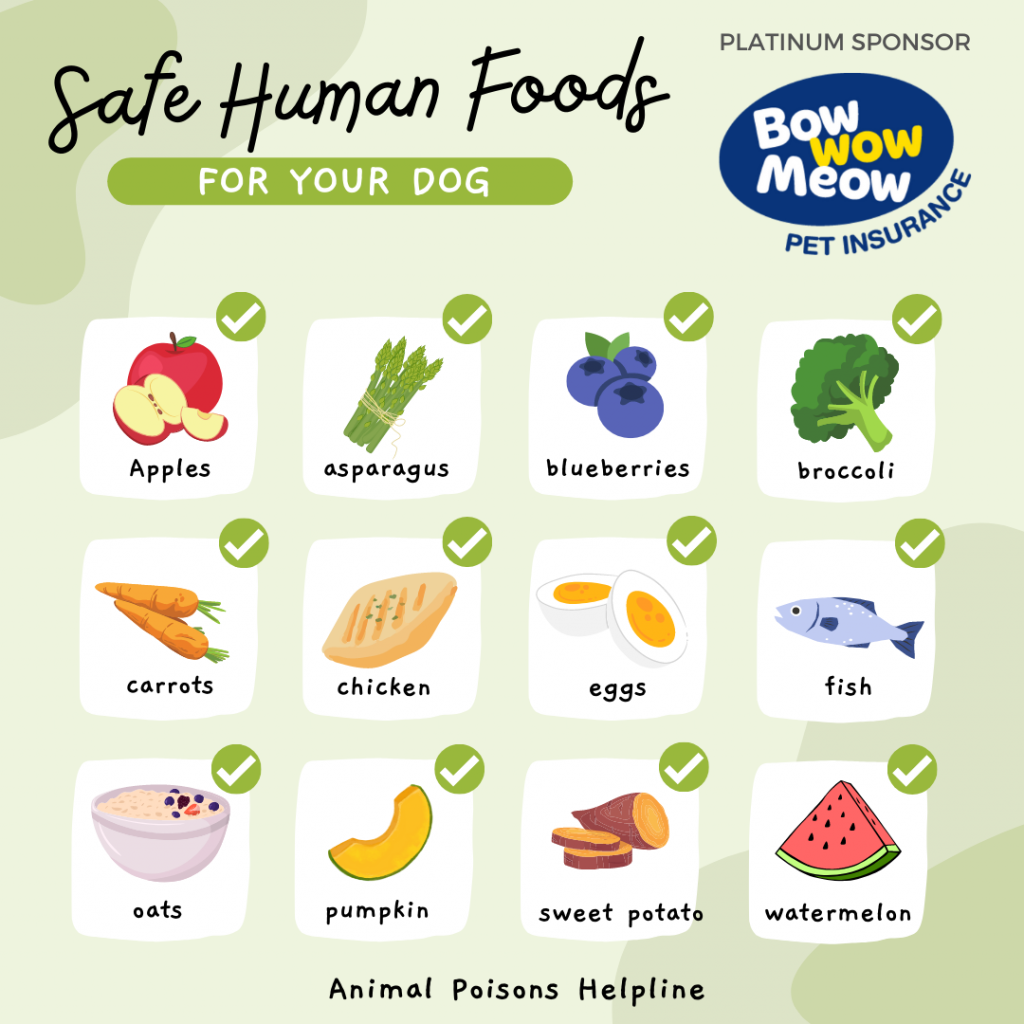
Some of our favourite “healthy people treats” for dogs are:
Apples (without the seeds)
A great healthy snack and an excellent source of vitamins A and C. Cut in slices and remove all the seeds, stem and leaves.
Read our article Can dogs eat apples? Everything you need to know
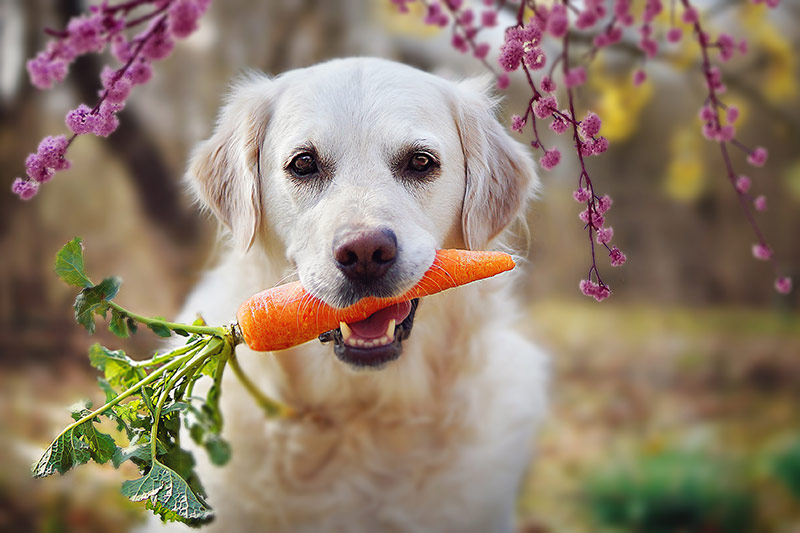
Carrots
Many dogs enjoy the crunchiness of carrots and the slightly sweet taste. Try them whole for your dog to chew nor cut in small pieces as a treat.
Cooked chicken meat
This is great as training treat and filled with good fats and proteins that dogs need to maintain a healthy weight and energy level. Avoid the fatty parts of the meat, including the skin, and recipes containing strange vegetables, oils, heavy seasoning or wines. Remove all the bones too.
Salmon
A healthy source of protein and a good source of omega 3 fatty acids, which are good for your dog’s coat and skin health.
Peanut butter
A great source of added protein and fibre for your dog. Add a tablespoon to his dry food, making sure to choose an all-natural brand with no added oils, salt, or artificial sweetener such as xylitol. However, don’t add too much as peanut butter can be a bit rich for dog’s digestive systems, especially puppies.
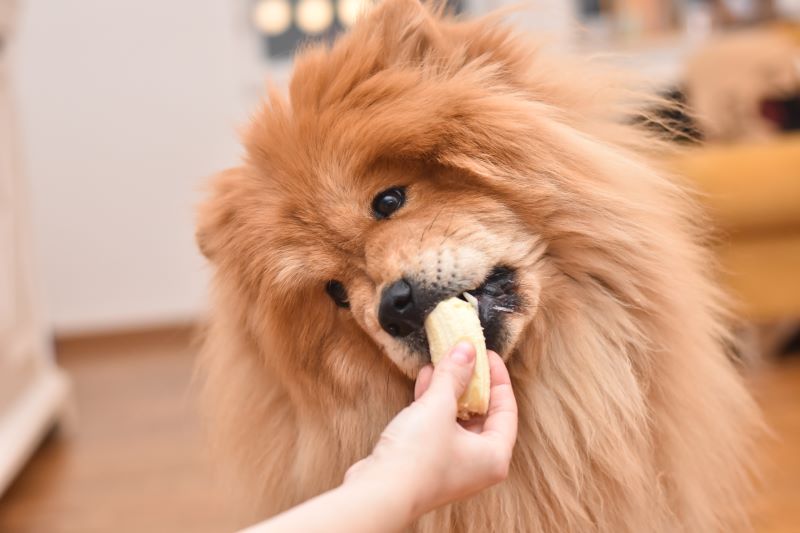
Bananas, blueberries, strawberries, raspberries
These little treats can be enjoyed on their own or mixed with your dog’s daily food. You can even freeze them with some yogurt for a frozen treat on hot days.
Read our articles:
- Can dogs eat banana? Everything you need to know
- Can dogs eat blueberries? Everything you need to know
- Can dogs eat strawberry? Everything you need to know
Raw egg
Raw eggs are a great source of protein. Feed in moderation. Organic egg shells can be ground and mixed in your dogs food.
Yogurt
Natural or Greek yogurt acts as a pro-biotic and provides a great source of protein. Avoid sweetened varieties, including those sweetened with ‘natural’ sugars.
In a nutshell…
When deciding what to feed your dog, consider human food as an occasional treat, not as a replacement for dog food. Although the foods listed as healthy above are good for dogs, too much can upset their digestion or make it harder for them to eat their own food. A few small pieces of chicken or salmon can be a great reward if your dog is behaving well or learns a new trick.
Bow Wow Meow Pet Insurance can help protect you and your dog should an unexpected trip to the vet occur.
-
Find out more about our dog insurance options
-
Get an online pet insurance quote
Bow Wow Meow is proud to have been awarded winner of Canstar’s ‘Most Satisfied Customers’ Award in the Pet Insurance category for both 2024 and 2025!
Bow Wow Meow is proud to be the only Pet Insurer that has been awarded Product Review’s Top Rated Pet Insurance every year from 2018 to 2026! This is based on 3,193 independent customer reviews (as at 09/04/2026), with an overall rating of 4.5 stars.

We also have the following ratings on other review platforms:
Google Review rating of 4.5 stars (based on 1,358 reviews)
Trust Pilot rating of 4.6 stars (based on 555 reviews)
Bow Wow Meow has been chosen as Winner of 4 categories in the 2026 Finder Pet Insurance Customer Satisfaction Awards!


– Most Trusted Pet Insurance
– Easiest to Claim Pet Insurance
– Most Recommended Pet Insurance
– Legendary Service Pet Insurance
We also received Highly Commended Awards for Loved Brand Pet Insurance and Best Value Pet Insurance.
Bow Wow Meow is an Australian-owned and operated pet insurance provider. Our focus is purely on pets, and we are proud to have helped provide peace of mind to over 200,000 Aussie pet owners since 2008.