Can dogs eat avocado? Risks, symptoms and what to do

Summary
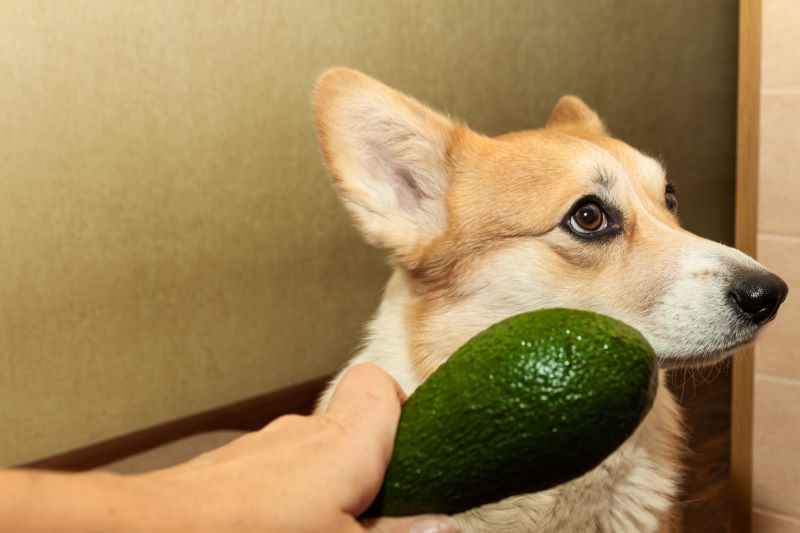
Small amounts of ripe avocado flesh are unlikely to cause serious poisoning in most dogs, but avocado isn’t an ideal treat. The skin, leaves and other parts of the plant contain higher concentrations of persin, while the avocado pit can cause choking or a potentially serious intestinal blockage. Avocado is also high in fat, which may cause stomach upset or contribute to pancreatitis, particularly if a dog eats a large amount. If your dog swallows an avocado pit or becomes unwell after eating avocado, contact your vet promptly.
Can dogs eat avocado?
A small amount of ripe avocado flesh is unlikely to harm most healthy dogs, but avocado isn’t recommended as a regular treat. Dogs are considerably less sensitive to the toxin persin than some other animals, although eating avocado may still cause vomiting or diarrhoea. The flesh is also high in fat, which can contribute to weight gain and may trigger pancreatitis in susceptible dogs.
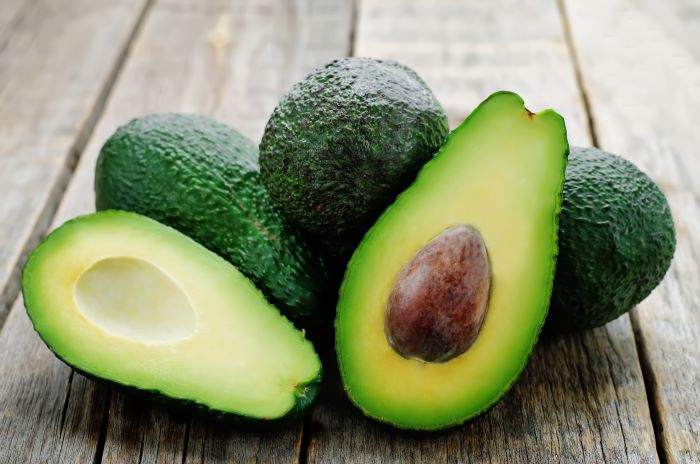
The avocado pit, skin, leaves and plant should not be given to dogs. In particular, swallowing the large, hard pit can cause choking or an intestinal obstruction that may require emergency veterinary treatment.
Avocado oil does not contain significant amounts of persin and isn’t considered poisonous to dogs, but because it is very high in fat, there is little reason to deliberately add it to your dog’s diet unless recommended by your vet.
Expert advice from Dr Felicia:
Avocado is one of the foods that shouldn’t be offered as a kitchen scrap to your dog, since it can upset their tummy, and giving them a taste for avocado may lead to issues later if they go counter-surfing and decide to ingest the seed!
Is avocado good for dogs?
No, avocado is not good for dogs. Ingesting large amounts of persin from the skin or the leaves can lead to an upset tummy. While avocado contains nutrients including unsaturated fats, fibre and several vitamins, dogs don’t need avocado to obtain these nutrients and there are safer foods to offer as treats.
Because avocado is calorie-dense and high in fat, eating too much can cause digestive upset and may increase the risk of pancreatitis, particularly in dogs that are overweight or have previously suffered from the condition. For these reasons, it’s best not to make avocado a regular part of your dog’s diet.
Can avocado be dangerous for dogs?
Avocado can be dangerous to dogs, but serious persin poisoning appears to be uncommon. The greatest immediate danger is swallowing an avocado pit, which can become lodged in the digestive tract and cause an intestinal obstruction.
Eating a large amount of the fatty avocado flesh can also cause significant gastrointestinal upset or contribute to pancreatitis. Birds, horses, rabbits and some livestock are considerably more sensitive to persin than dogs.

Symptoms to watch for after a dog eats avocado
Depending on what and how much your dog has eaten, signs may include:
- Vomiting
- Diarrhoea
- Abdominal discomfort
- Decreased appetite
- Lethargy
- Signs of pancreatitis, such as repeated vomiting, abdominal pain or reluctance to eat
- Choking, gagging or difficulty swallowing if a pit is involved
- Repeated vomiting, abdominal pain, loss of appetite or difficulty passing stools if an intestinal blockage develops.
Expert advice from Dr Felicia:
Specific toxicity risk from persin ingestion is low unless large volumes of skin and leaves have been eaten. Main signs to watch for would be gastrointestinal upset, which can be as simple as a vomit or diarrhoea, but may be more severe such as pancreatitis, which can require hospitalisation and supportive care.
Which parts of an avocado are dangerous for dogs?
Part of avocado |
Risk to dogs |
| Flesh | Small amounts are generally low risk, but its high fat content may cause stomach upset or contribute to pancreatitis. |
| Pit/seed | The biggest physical hazard. It can cause choking or become lodged in the stomach or intestines. |
| Skin | Contains more persin than the flesh and can be difficult to digest. Don’t deliberately feed it. |
| Leaves, stems and plant | Contain persin, particularly the leaves, and should be kept away from pets. |
| Avocado oil | Not considered poisonous from persin, but very high in fat, so it isn’t an ideal dietary addition. |
| Guacamole | Avoid. It may contain onion or garlic, which are toxic to dogs, as well as salt and other unsuitable ingredients. |
The risks of dogs eating avocado
According to the Animal Poisons Helpline, ingestion of avocado can result in gastrointestinal irritation, vomiting and diarrhoea. Serious poisoning in dogs is rare; however, some other animals are much more susceptible to toxicity.
Expert advice from Dr Felicia:
While dogs are unlikely to become seriously unwell from eating avocado, be careful of rabbits or birds ingesting avocado as it can make them very sick.
Safer alternatives
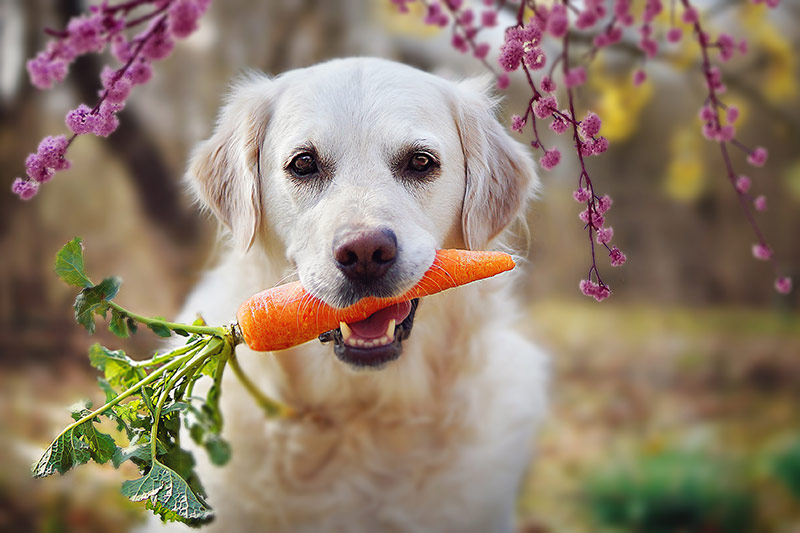
If you’d like to share some human food with your dog, there are plenty of lower-fat options. Small amounts of plain carrot, cucumber, apple without the core or seeds, blueberries or cooked sweet potato can make suitable occasional treats.
What to do if your dog eats avocado
What you should do depends on which part of the avocado your dog has eaten.
If your dog ate a small amount of avocado flesh:
Don’t panic. Most dogs will remain well after eating a small amount. Monitor for vomiting, diarrhoea, abdominal discomfort or lethargy and contact your vet if symptoms develop.
If your dog ate a large amount of avocado:
Contact your vet for advice, particularly if your dog is small, overweight, has a sensitive digestive system or has previously suffered from pancreatitis.
If your dog swallowed the avocado pit:
Contact your vet promptly, even if your dog appears well. The pit can cause choking or an intestinal blockage and may need to be removed.
Expert advice from Dr Felicia:
Call your vet if you are worried that the avocado pit has been ingested. Early intervention for an accidentally ingested avocado pit by inducing vomiting is a lot less invasive than an operation to remove it if it gets stuck in the stomach or intestines.
If your dog ate avocado skin, leaves or part of an avocado plant:
Contact your vet or the Animal Poisons Helpline for advice about the amount eaten and your dog’s individual risk.
Unsure how serious it is?
Bow Wow Meow policyholders can get access to trusted vet care anytime, anywhere, at no additional cost. Connect to an experienced Australian registered vet via video call, 24/7. Whether it’s providing vet advice, setting up at-home treatment plans, or confirming if you need to visit a vet in person, you can get help when you need it.
Find out more about our pet insurance cover options.
In conclusion: Can dogs eat avocado?
Small amounts of avocado flesh are unlikely to seriously harm most dogs, but avocado isn’t an ideal regular treat because it is high in fat and may cause gastrointestinal upset or pancreatitis. Keep the pit, skin and avocado plant away from your dog, and never allow them to swallow the pit because of the risk of intestinal obstruction. If you’re concerned about how much or which part your dog has eaten, contact your vet or the Animal Poisons Helpline for advice.
“Can dogs eat…?” series








Bow Wow Meow Pet Insurance can help protect you and your dog should an unexpected trip to the vet occur.
-
Find out more about our dog insurance options
-
Get an online pet insurance quote
Bow Wow Meow is proud to have been awarded winner of Canstar’s ‘Most Satisfied Customers’ Award in the Pet Insurance category for both 2024 and 2025!
Bow Wow Meow is proud to be the only Pet Insurer that has been awarded Product Review’s Top Rated Pet Insurance every year from 2018 to 2026! This is based on 3,193 independent customer reviews (as at 09/04/2026), with an overall rating of 4.5 stars.

We also have the following ratings on other review platforms:
Google Review rating of 4.5 stars (based on 1,358 reviews)
Trust Pilot rating of 4.6 stars (based on 555 reviews)
Bow Wow Meow has been chosen as Winner of 4 categories in the 2026 Finder Pet Insurance Customer Satisfaction Awards!




– Most Trusted Pet Insurance
– Easiest to Claim Pet Insurance
– Most Recommended Pet Insurance
– Legendary Service Pet Insurance
We also received Highly Commended Awards for Loved Brand Pet Insurance and Best Value Pet Insurance.
Bow Wow Meow is an Australian-owned and operated pet insurance provider. Our focus is purely on pets, and we are proud to have helped provide peace of mind to over 200,000 Aussie pet owners since 2008.
Sources
“Avocados and Your Pets”, Animal Poisons Helpline, https://www.animalpoisons.com.au/news/avocados-and-your-pets. Accessed 25 Aug 2026.
“Avocado (Persea spp) Toxicosis in Animals”, Merck Veterinary Manual, https://www.merckvetmanual.com/toxicology/food-hazards/avocado-persea-spp-toxicosis-in-animals. Accessed 25 Aug 2026.
“Can Dogs Eat Avocado? Safety, Risks & What To Do”, Pet Poison Helpline, https://www.petpoisonhelpline.com/blog/can-dogs-eat-avocado/. Accessed 25 Aug 2026.