Pet insurance that covers dental in Australia

Summary
Dental cover can be one of the most confusing parts of pet insurance for pet owners. Dental disease is very common in dogs and cats, but many people are surprised to learn that dental treatment is not always covered in the same way as other illnesses or injuries. Depending on the policy, cover may differ for dental disease, accidental dental injury, and routine dental care. Because pet dental treatment in Australia can involve anaesthesia, dental X-rays, tooth extractions and ongoing care, it is important to understand what is and is not covered before you need to claim.
Pet insurance and dental cover: why it matters
Dental cover is one of the most misunderstood parts of pet insurance. Dental disease is extremely common in dogs and cats, yet many owners assume dental treatment is automatically covered by pet insurance. In reality, dental cover varies widely between policies and may depend on whether the problem is a dental illness, a dental injury, or routine dental care. In some cases, dental treatment may only be available through an optional add-on rather than standard cover.
This matters because dental treatment in pets can be expensive. Proper care may involve anaesthesia, dental X-rays, extractions, surgery and repeated procedures over a pet’s lifetime. Periodontal disease has been described as the most common disease in dogs and cats, and reviews report that it affects up to 80% to 89% of dogs over three years of age.
Quick answer: does pet insurance cover dental?
- Sometimes, but dental cover varies a lot between policies
- Dental illness may only be covered under certain policies or optional add-ons
- Dental injury, such as accidental trauma to a healthy tooth, is often treated differently from dental disease
- Routine dental care, such as preventative cleaning, is usually not included in standard accident and illness cover and may only be available through a routine care add-on
- It is important to check waiting periods, pre-existing condition rules, annual limits, sub-limits and any dental check-up requirements before relying on cover
Understanding dental disease in pets
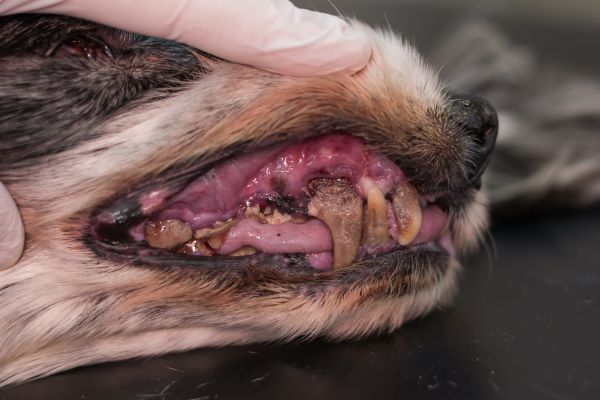
Dental disease in pets can include periodontal disease, gingivitis, infections, tooth fractures, abscesses and other painful oral problems. Periodontal disease usually begins when plaque builds up on the teeth. If it is not removed, it can mineralise into tartar, allowing bacteria to irritate the gums and damage the tissues that support the teeth. Over time this can progress from gingivitis to deeper infection, bone loss, loose teeth and tooth loss. MSD Veterinary Manual describes periodontal disease as the most common dental condition in dogs and cats and notes that it begins with plaque bacteria at the gum margin.
Untreated dental disease is not just a mouth problem. Chronic inflammation, infection, pain and reduced ability to eat can affect a pet’s overall wellbeing. MSD also notes that severe periodontal disease may be associated with systemic consequences and can contribute to chronic discomfort and reduced quality of life.

Signs of dental disease in pets
The signs of dental disease in pets are often subtle at first, which is one reason owners may not realise there is a problem. Pets may often mask dental pain, making it harder for owners to detect until it becomes more serious. It’s important that pet owners are alert to possible dental issues, because untreated dental disease can affect their pet’s overall health and may be associated with wider systemic consequences.
Common signs include:
- bad breath
- red, swollen or bleeding gums
- difficulty eating or reluctance to chew
- dropping food while eating
- loose teeth
- swelling around the mouth or face
- pawing at the mouth
- visible tartar build-up
- pain or sensitivity around the mouth
How vets diagnose dental disease
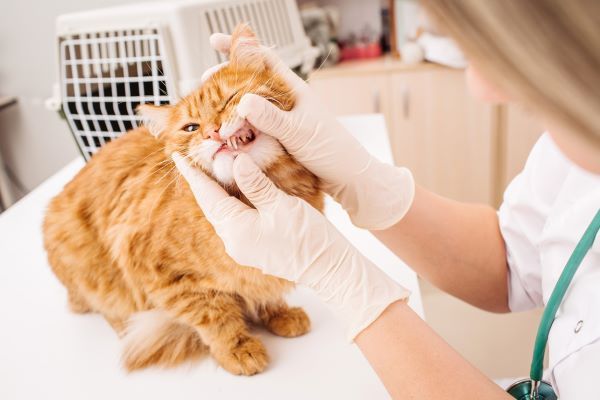
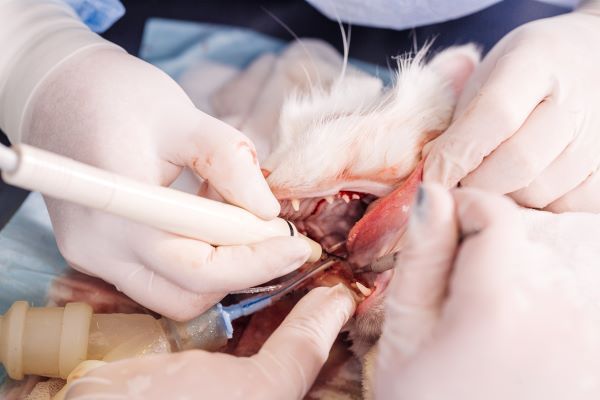
Dental disease is often first suspected during a routine veterinary check-up, but a full dental assessment usually requires more than a quick visual look. Proper diagnosis may involve an oral examination, periodontal probing, dental charting, and dental X-rays. Because painful teeth, deep pockets and disease below the gumline cannot be assessed properly in an awake animal, anaesthesia is typically required for a complete examination and treatment. The Australian Veterinary Association’s guidelines emphasise that anaesthesia is necessary for proper diagnosis and management of periodontal disease in dogs and cats, and the AVA also states that anaesthesia-free dentistry is not appropriate.
This is one of the major reasons dental treatment can become expensive. Costs are not only about cleaning visible tartar; they often include anaesthesia, monitoring, dental imaging and sometimes referral for more advanced dentistry or oral surgery.
Dental treatments for pets
Dental treatments for pets vary depending on the severity of the disease and the type of problem present.
Common treatments include:
- professional scale and polish under anaesthetic
- dental X-rays
- tooth extractions
- treatment of infections and abscesses
- management of periodontal disease
- advanced dental procedures or periodontal surgery in more complex cases
In one study of oral conditions in dogs, periodontal disease was detected in 59.6% of dogs examined, highlighting how common dental treatment needs can be. The same study also identified dental fractures and other oral conditions that may require more advanced care.
For pet owners, this means dental care is not always a one-off clean. Depending on the pet, treatment may involve repeated procedures and extractions over time rather than a single visit.
How much does dental treatment cost in Australia?
Dental treatment costs in Australia vary depending on the pet’s size and age, the severity of disease, whether extractions are needed, and whether advanced surgery or imaging is involved. The figures below are indicative only and should not be treated as quotes.
Indicative Australian dental treatment costs
Treatment |
Indicative Australian cost |
| Dental cleaning under anaesthetic | around $575 to $675 for mild cases in dogs, depending on size |
| Dental cleaning under anaesthetic, moderate disease | around $850 to $950 depending on size |
| Dental cleaning under anaesthetic, severe disease | around $950 to $1,050 depending on size |
| Pre-anaesthetic bloodwork | about $185 extra |
| Tooth extractions | extra cost, varies by number and complexity |
| Dental X-rays | additional cost and often part of more advanced workups |
| Advanced dental surgery | can be substantially higher depending on the procedure and referral needs |
These figures come from an Australian veterinary pricing guide and do not include all possible extras, such as bloodwork, extractions or advanced specialist treatment. The same source notes that extractions are not included in the basic estimate table, which is important because extractions can significantly increase the final bill.
Real-world claims costs by age
Procedure estimates are useful, but claims data can also help show how dental costs play out in practice. Petsure claims data from 2022 suggests that dental treatment claims can be substantial across different pet age groups, reinforcing that dental disease is not just a minor routine issue and may involve repeated or more complex treatment over time.
Age |
CatsØ |
DogsØ |
| 0 | $432 | $264 |
| 1 | $680 | $463 |
| 2 | $680 | $553 |
| 3 | $833 | $611 |
| 4 | $833 | $674 |
| 5+ | $833 | $778 |
ØBased on PetSure claims data, 2022 calendar year. Reimbursement for these claims under a pet insurance policy would be subject to limits, such as annual benefit limits or sub-limits, benefit percentage, applicable waiting periods and any applicable excess. Cover is subject to the policy terms and conditions. You should consider the relevant Product Disclosure Statement or policy wording available from the relevant provider. Please note that values calculated are based on all claims for that condition and medically related conditions in each calendar year.
Because it is difficult to predict the costs of veterinary care, it can help to have measures in place to help prepare for the unexpected. Pet insurance can help by covering a portion of the eligible vet bill if the unexpected does happen.
Get a quick quote
Why dental care becomes expensive over a pet’s lifetime
Dental care can become expensive over time because it often involves repeated procedures rather than a single event. Anaesthesia, monitoring, dental X-rays, extractions, surgery, pain relief, antibiotics and aftercare all add to the cost. On top of that, many pets need more than one dental procedure over their lifetime, especially if disease progresses or regular preventative care has been missed. The AVDC owner information emphasises that quality dental care often involves professional examination, imaging and treatment rather than superficial cleaning alone.
This is one reason dental cover matters so much in pet insurance. Even if one dental procedure seems manageable, repeated cleanings, extractions or treatment of abscesses over time can lead to substantial cumulative costs.
Understanding the difference: dental illness vs dental injury vs routine dental care
This is one of the most important distinctions to understand when comparing pet insurance policies.
Dental illness
Dental illness refers to disease processes such as gum disease, gingivitis, abscesses, infection, cavities and periodontal disease. This type of dental cover often varies significantly between policies and may only be available through an optional dental or specialised-treatment add-on rather than standard cover.
Some high-end policies include dental, and some pet insurers offer dental cover as an optional add-on, which will increase the premium cost. With Bow Wow Meow’s Nose-to-Tail Cover, for example, specified dental conditions may be covered under the optional Booster Care.
Dental injury
Dental injury usually means trauma, such as a broken or fractured healthy tooth caused by an accident. This type of dental problem is often treated differently from dental disease and may be claimable under accident cover rather than dental illness cover, depending on the policy wording.
For example, if your pet accidentally damages an otherwise healthy tooth, it may be considered a traumatic tooth fracture. Being an accidental injury, this condition may be claimable under many general pet insurance policies, i.e. those without specified dental cover.
Routine dental care
Routine dental care usually refers to preventative or maintenance care, such as regular dental cleaning, routine check-ups or non-illness-related scale and polish. This is usually not included in standard accident and illness cover and may only be available through a routine care add-on if offered by the insurer.
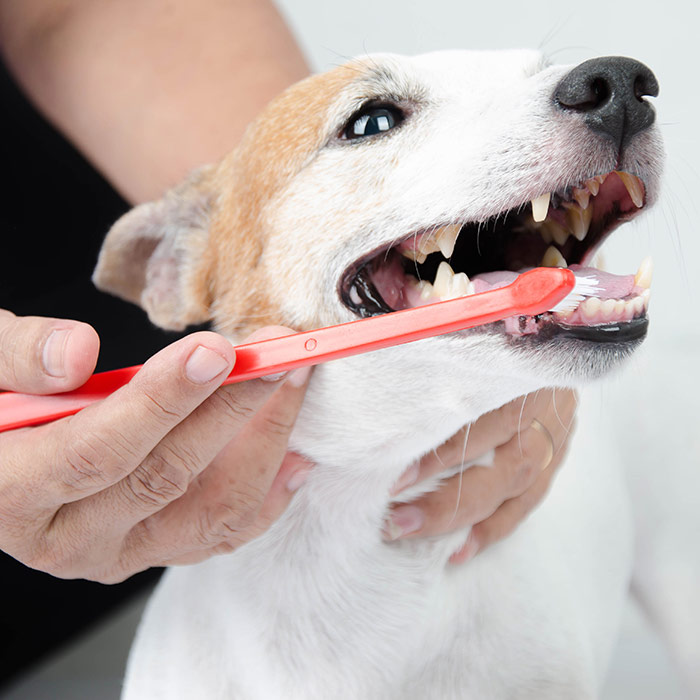
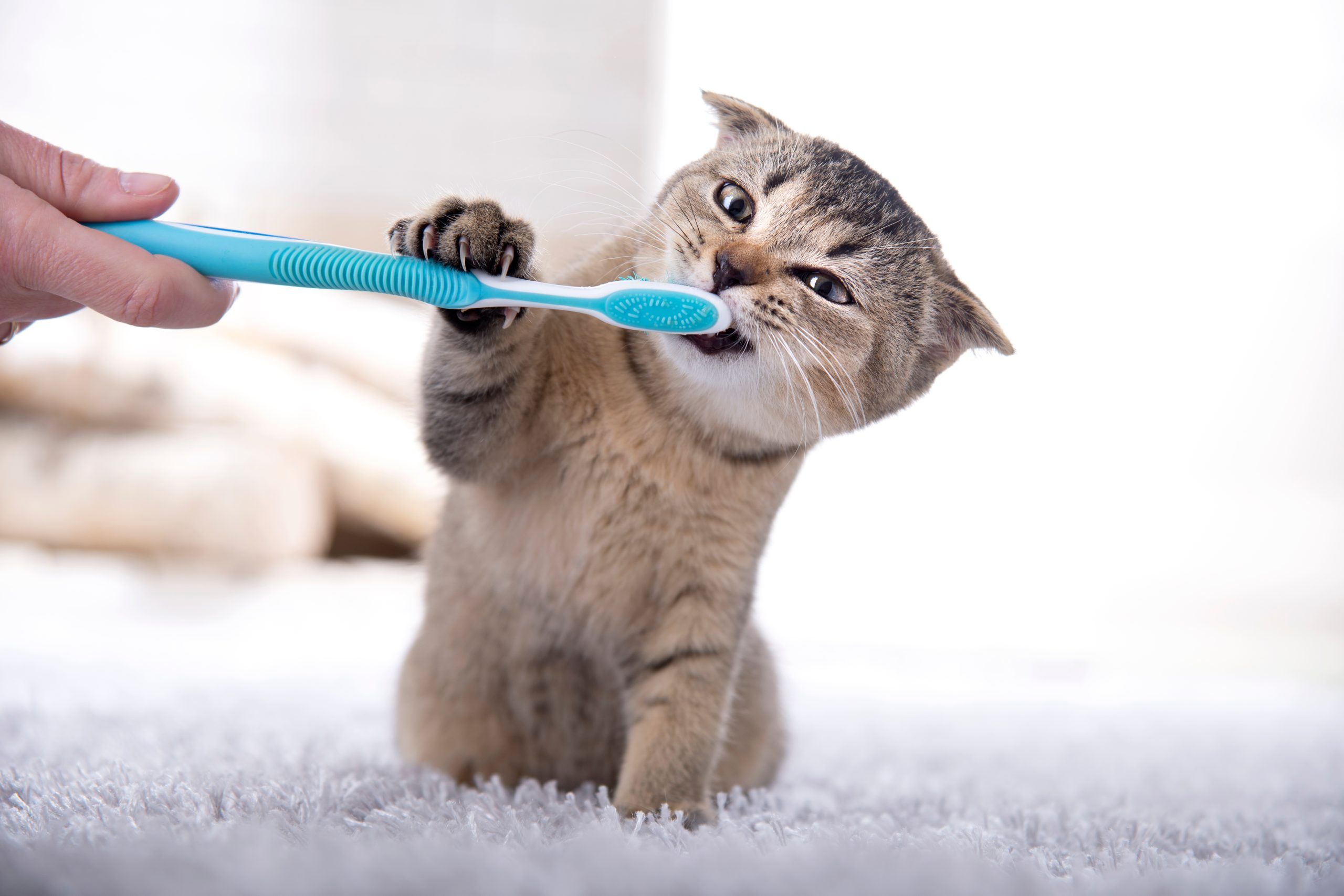
You can help to reduce the chance of dental disease by proactively managing your pet’s dental care. Home teeth-brushing along with annual dental checks and professional teeth cleaning when recommended by your vet, are the key components. Read our guide Dog dental care – what you need to know.
Does pet insurance cover dental disease?
Dental cover varies significantly between insurers and policies, so there is no single answer that applies to every pet insurance product. Some policies may cover certain dental illnesses, some may only cover accidental dental injuries, and some may exclude most dental treatment unless an optional add-on is selected.
With Bow Wow Meow’s Nose-to-Tail Cover, optional Booster Care provides up to $2,000 for specified dental conditions like scaling, polishing, dental x-rays and tooth removal for specified dental conditions.
Common limitations to look for include:
- waiting periods
- pre-existing condition rules
- annual benefit limits
- dental sub-limits
- requirements for regular dental check-ups or preventative care
- exclusions for routine cleaning or maintenance care
Because dental cover is so variable, owners should read the Product Disclosure Statement (PDS) carefully before assuming a policy covers dental disease, dental cleaning or tooth extractions. Dental conditions that are covered must generally be listed in the policy’s PDS as a specified dental condition. These may include gingivitis, abcesses, and removal of teeth where medically necessary.

How to compare pet insurance with dental cover
When comparing policies, it helps to look beyond whether the word “dental” appears in the benefits summary. A good comparison checklist includes:
- whether dental illness is covered
- whether dental injury is covered
- whether there is a routine care add-on for preventative dental treatment
- annual limits and any dental sub-limits
- waiting periods
- preventative dental or check-up requirements
- whether the pet must be insured before symptoms appear to avoid pre-existing condition issues
This matters because many dental problems, especially periodontal disease, develop gradually. If dental disease is already present, advanced or reasonably noticeable before the policy begins, it may not be treated as a new condition under the policy.

Conclusion
Dental disease is extremely common in pets and often becomes more expensive over time, especially when it requires anaesthesia, dental imaging, extractions, surgery or repeat procedures. Many pet owners assume dental treatment is automatically covered by pet insurance, but the reality is more complex. Dental illness, dental injury and routine dental care are often treated differently under pet insurance policies, and cover may vary significantly or depend on optional add-ons.
For that reason, it is important to compare policies carefully and to arrange cover early if dental protection matters to you. Understanding what is and is not covered can help reduce surprises later and make it easier to choose a policy that genuinely suits your pet’s long-term needs.
Bow Wow Meow Pet Insurance can help protect you and your pet should an unexpected trip to your vet occur.
- Find out more about our dog insurance options
- Find out more about our cat insurance options
- Get an instant online pet insurance quote
Bow Wow Meow is proud to have been awarded winner of Canstar’s ‘Most Satisfied Customers’ Award in the Pet Insurance category for both 2024 and 2025!
Bow Wow Meow is proud to be the only Pet Insurer that has been awarded Product Review’s Top Rated Pet Insurance every year from 2018 to 2026! This is based on 3,193 independent customer reviews (as at 09/04/2026), with an overall rating of 4.5 stars.

We also have the following ratings on other review platforms:
Google Review rating of 4.5 stars (based on 1,358 reviews)
Trust Pilot rating of 4.6 stars (based on 555 reviews)
Bow Wow Meow has been chosen as Winner of 4 categories in the 2026 Finder Pet Insurance Customer Satisfaction Awards!




– Most Trusted Pet Insurance
– Easiest to Claim Pet Insurance
– Most Recommended Pet Insurance
– Legendary Service Pet Insurance
We also received Highly Commended Awards for Loved Brand Pet Insurance and Best Value Pet Insurance.
Bow Wow Meow is an Australian-owned and operated pet insurance provider. Our focus is purely on pets, and we are proud to have helped provide peace of mind to over 200,000 Aussie pet owners since 2008.
Sources:
“Guidelines for Dental Treatment in Dogs and Cats”, Australian Veterinary Association, https://www.ava.com.au/policy-advocacy/policies/companion-animals-health/guidelines-for-dental-treatment-in-dogs-and-cats/. Accessed 4 Jun 2026
“Anaesthesia-free Dentistry in Dogs and Cats”, Australian Veterinary Association, https://www.ava.com.au/policy-advocacy/policies/companion-animals-health/anaesthesia-free-dentistry-in-dogs-and-cats/. Accessed 4 Jun 2026
“Prevalence of Common Oral Conditions in Dogs and Cats Attending a Veterinary Teaching Hospital in Spain”, ScienceDirect, https://www.sciencedirect.com/science/article/abs/pii/S2214567221000909. Accessed 4 Jun 2026
“Dental Disease”, Maraboon Vet Surgery, https://www.maraboonvet.com.au/dental-disease. Accessed 4 Jun 2026
“Dental Disease: Causes, Signs and Treatment”, Greencross Vets, https://www.greencrossvets.com.au/pet-library/articles-of-interest/dental-disease/. Accessed 4 Jun 2026
“Dental Disease in Dogs”, VCA Animal Hospitals, https://vcahospitals.com/know-your-pet/dental-disease-in-dogs. Accessed 4 Jun 2026