
Ten common health problems for dogs


Summary
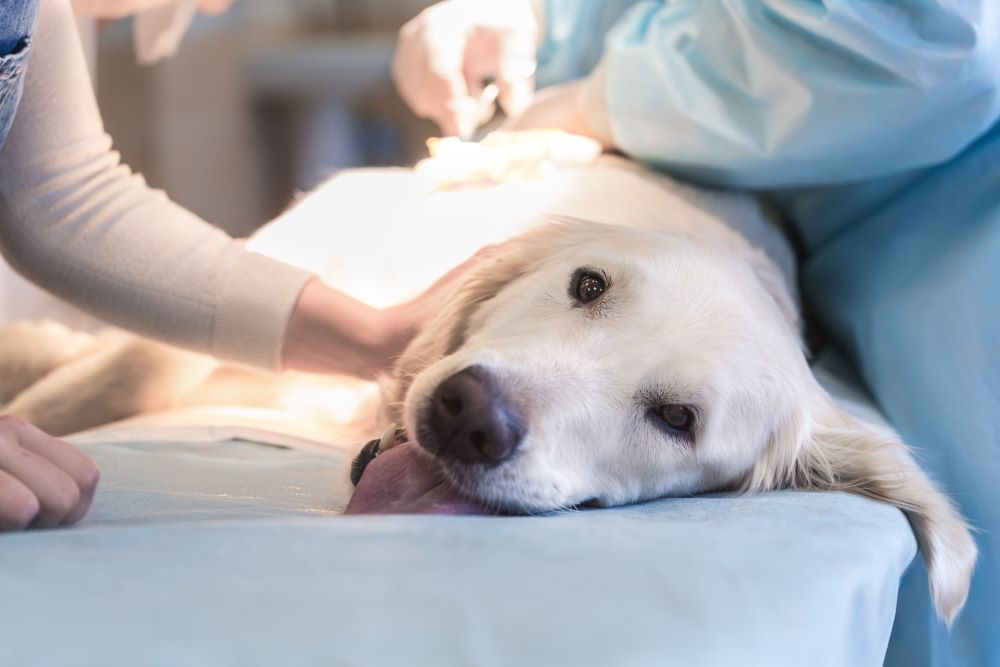
There are many illnesses and conditions that can affect dogs and it may be surprising to learn just how common some of these can be. This overview lists 10 common canine health problems including diarrhoea, ear infections, kennel cough, cataracts and cancer. It provides a brief description of each issue, early warning signs to look out for, and what steps to take to keep your dog safe and comfortable.
Common canine health conditions
Unfortunately, health related problems in our pets are a part of life, affecting the young, the elderly, and every age in-between. While most pooch owners try their best to keep their pets healthy and happy, certain conditions can occur that are simply beyond their control. Although it’s something we’d all rather avoid thinking about, it’s important to educate ourselves about which conditions, illnesses or diseases are most likely to affect our pets.
In a survey of 924 Australian dog owners, 84% reported that they had taken their dog to the vet in the prior 12 months, and most of them visited the vet multiple times, averaging 2.1 annual visits per dog. After general check-ups and vaccinations, the next most common reasons for vet visits were eye, ear or skin conditions.
Expert advice from Dr Felicia:
Some dogs may need to visit the vet multiple times per year for recurrent issues. When issues are recurrent or persistent often additional diagnostic tests are warranted to find underlying contributing factors, and an ongoing maintenance plan may help to reduce frequency of recurring episodes. For dogs with itchy skin, diagnostics may include allergy testing and ongoing maintenance may involve antihistamine use or use of medicated shampoos.
To ensure the most favourable outcome for your precious pooch, it’s always best to consult your vet as soon as possible. Your vet will provide a plan for management and treatment that is optimised for your dog, considering individual factors such as their breed, size, age and general health.
Unsure how serious it is?
Bow Wow Meow policyholders can get access to trusted vet care anytime, anywhere, at no additional cost. Connect to an experienced Australian registered vet via video call, 24/7. Whether it’s providing vet advice, setting up at-home treatment plans, or confirming if you need to visit a vet in person, you can get help when you need it.
Find out more about our pet insurance cover options.
1. Ear Infections
Ear infections are very common in dogs, especially in long-eared, curly haired breeds and those that spend a lot of time outside or in the water.
Often, dirt, dust or some other alien object like a grass seed can become lodged inside your dog’s ear, causing it to become irritated and, eventually, infected. You’ll know if your dog has an ear infection if they’re frequently pawing at their ears and shaking their heads. Infected ears may be red or crusty and may produce a discharge or odour.
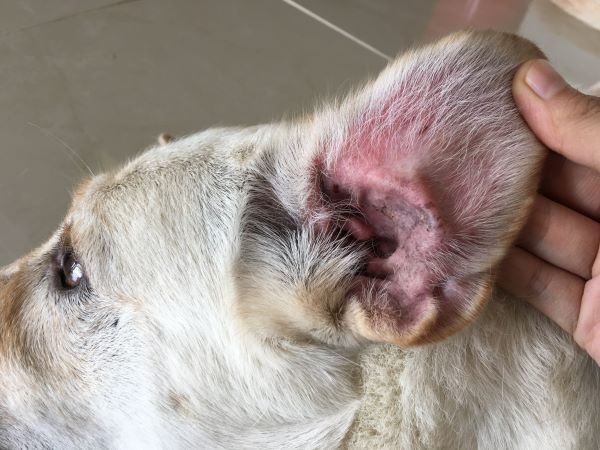
Ear drops with antibiotics will usually be prescribed by your vet to treat off the infection. For dogs prone to ear infections, a good habit to get into is cleaning your dogs’ ears regularly (learn how to do this properly).
Expert advice from Dr Felicia:
Recurrent ear infections may require an ear flush under sedation to remove built up discharge from the infection. Ear infections can be painful and frustrating to treat. Managing underlying allergies and inflammation where present can help to reduce recurrence.
Learn more about ear infections in dogs.
2. Diarrhoea
Diarrhoea (frequent liquid or loose bowel movements) is very common in dogs, largely because it can be brought about by so many causes, some of them serious, and others no more than a change in diet or a sensitive stomach. In vulnerable dogs or severe cases, dehydration may develop and this could lead to more serious health concerns, including weakness, exercise intolerance and even collapse and seizures.
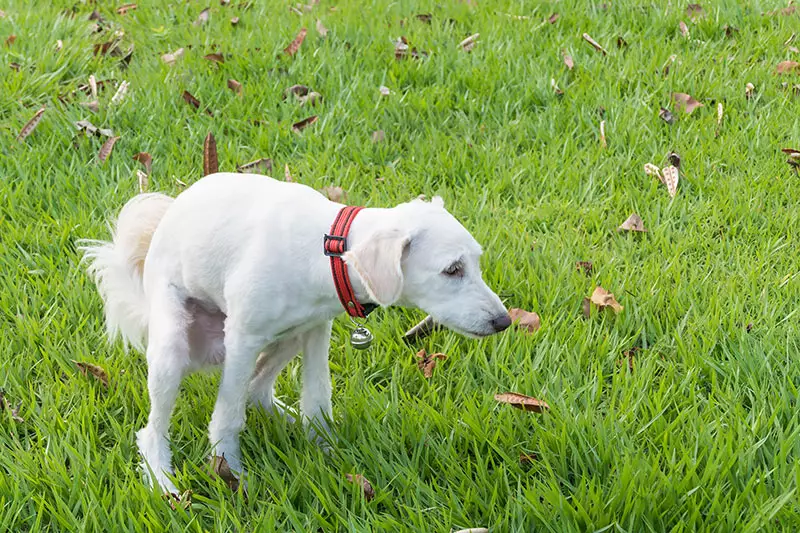
In most cases, diarrhoea will subside with time, a good diet and plenty of rest. However, chronic diarrhoea may be a symptom of an underlying illness such as inflammatory bowel disease, kidney or liver disease, infections or even cancer. If diarrhoea persists for a week or more, or is accompanied by vomiting and loss of appetite, it’s time to visit your vet for a checkup.
Expert advice from Dr Felicia:
If your dog has diarrhoea it may be helpful to take photos or bring a sample for your vet to examine. Things like the presence of mucus/blood, consistency, colour and frequency may help to narrow down potential causes of diarrhoea.
Learn more about doggy diarrhoea.
3. Kennel Cough
Kennel cough is very common amongst dogs that have been in crowded conditions such as at the animal shelter, vet or in pet accommodation. Unfortunately, it’s a highly contagious illness that spreads easily between animals via droplets in the air or contact with a contaminated surface (water, food bowl or contact with another dog). Fortunately, although kennel cough can sound bad, it’s equivalent to the common cold for us and is not usually serious or life-threatening.
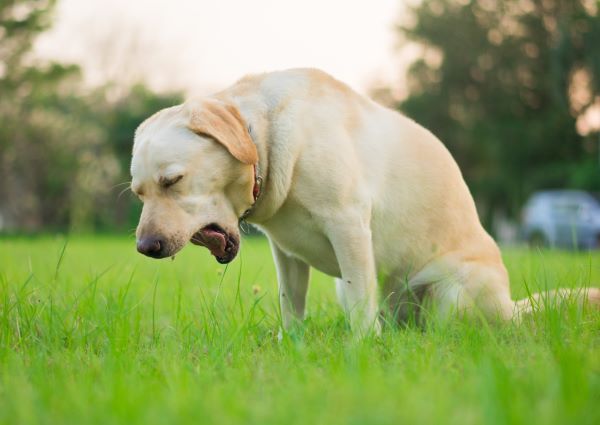
The best way to look after your pet with kennel cough is to give them rest and plenty of good food and water. You may be given antibiotics by your vet to knock it over if your dog’s case is particularly severe. Check out our dog vaccination guide for information on preventing Kennel Cough.
Expert advice from Dr Felicia:
Dogs with kennel cough should be kept away from other dogs for at least 2 weeks while coughing to limit spread. Persistent coughs may require additional diagnostics such as a swab of the airway for PCR analysis or chest radiographs to look for other causes of coughing.
Learn more about kennel cough in dogs.
4. Fleas and ticks
Fleas are a common parasite that nearly every dog will get during a lifetime. Fleas jump from one host to the other, and your dog will usually pick them up by coming into close contact with an infested animal. Dogs with fleas can suffer from severe itching all over their body, even if they’ve only got one flea. Scratching, pawing and licking of the bites to try to relieve the itching can lead to inflammation, infection and even hair loss.
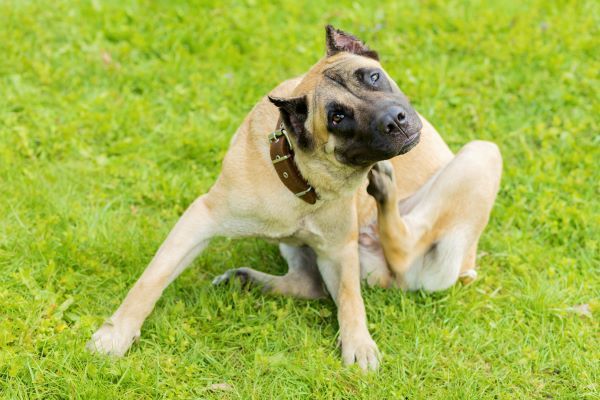
Fortunately, fleas can be eradicated quite easily with the right medication and you can find several products for sale at your local vet clinic or pet store to protect your dog from future infestations.
Ticks, however, are far more serious. The paralysis tick, which is common on the east coast of Australia between the months of August and February, can cause life-threatening paralysis. Signs of paralysis include weakness in the hind limbs and abnormal breathing, which is progressive. Dogs are much more likely to pick up a paralysis tick if they are outdoor animals, interact with wildlife or have access to bushy or grassy areas – these sneaky parasites wait in the vegetation until your pet passes through it.
Expert advice from Dr Felicia:
Tick paralysis is a completely preventable, yet often fatal disease. It is so important in at-risk locations for dogs to be receiving an effective tick preventative, particularly in beach areas or near bushland. The effects of tick paralysis can be expensive, stressful and potentially devastating. Even mildly affected dogs may require multiple days hospitalisation for tick anti-serum and supportive care while closely monitoring for signs of worsening breathing and mobility.
- Learn more about the paralysis tick.
- Learn more about flea control and protection.
5. Cataracts
Cataracts are a serious health issue as vision problems can have a big impact on your dog’s day to day activities. A cataract is an opacity or cloudiness of the lens that prevents light from reaching the retina, leading to vision impairment. Cataracts can develop in one or both eyes and they may progress slowly or rapidly, leading to vision impairment and even blindness.
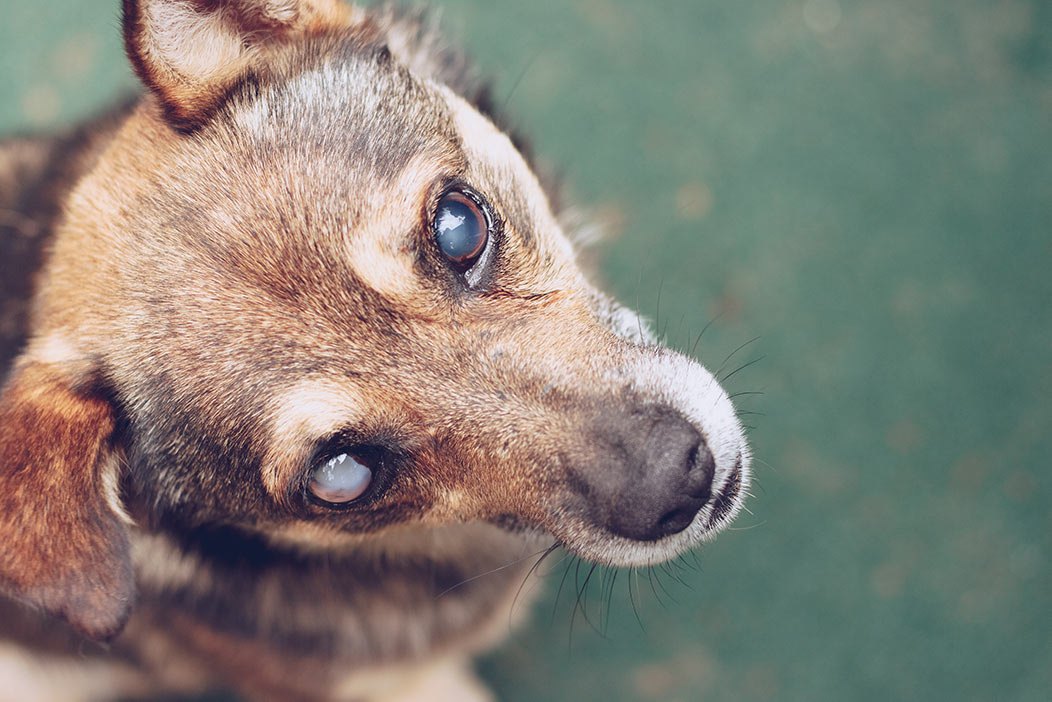
Signs of a cataract include a whitish, blue or grey area in the centre of the eye as well as behavioural changes relating to decreased vision. Because dogs can use their keen senses of hearing and smell to compensate for loss of vision, it can be difficult for a pet owner to detect cataracts at an early stage.
It’s not only old age that will bring about these growths on the eye. Cataracts may develop after the eye has been through a trauma or can be caused by disease such as diabetes. Cataracts in dogs may even be present when the dog is born, or may develop in the first few weeks of a puppy’s life, and some breeds of dog are predisposed to cataract development.
Expert advice from Dr Felicia:
Dogs can adjust well to life with cataracts and vision loss. It is important to get the eyes checked regularly in dogs with cataracts as the eye pressures can increase over time causing pain. Otherwise dogs can learn to navigate their way around the house and surroundings surprisingly well without their vision, provided that things are kept in the same place within the home.
Learn more about cataracts in dogs.
6. Arthritis
Arthritis, a general term for inflammatory changes in a joint, is very a common condition in older dogs. In fact, one in five Australian dogs suffer from arthritis at some point during their lives. It is a major cause of chronic pain in older dogs and can result in permanent joint damage. The most affected joints in dogs are the hips, knees, shoulders and elbows.
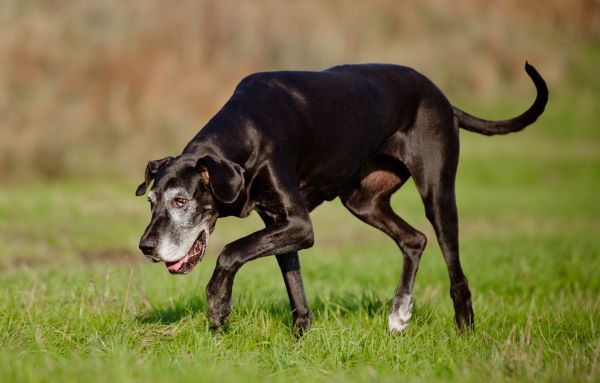
You’ll notice that your dog is slower to get onto their feet (especially in the morning or in cooler weather) and will be far less active than they used to be. It’s often very hard to tell if your dog is suffering from arthritis. Even though it’s very painful, your dog may be able to hide its pain and discomfort, especially in the early stages.
Exercise, weight control and anti-arthritic drugs can all lead to helping your dog overcome the pain of arthritis.
Expert advice from Dr Felicia:
Most of our senior and geriatric patients are affected by arthritis. This tends to be more noticeable in the cooler months. Arthritis management is usually multi-modal where possible involving anti-inflammatory medications, supplements, appropriate exercise and physical therapy to provide comfort and minimise pain.
Learn more about arthritis in dogs.
7. Urinary tract infections (UTI)
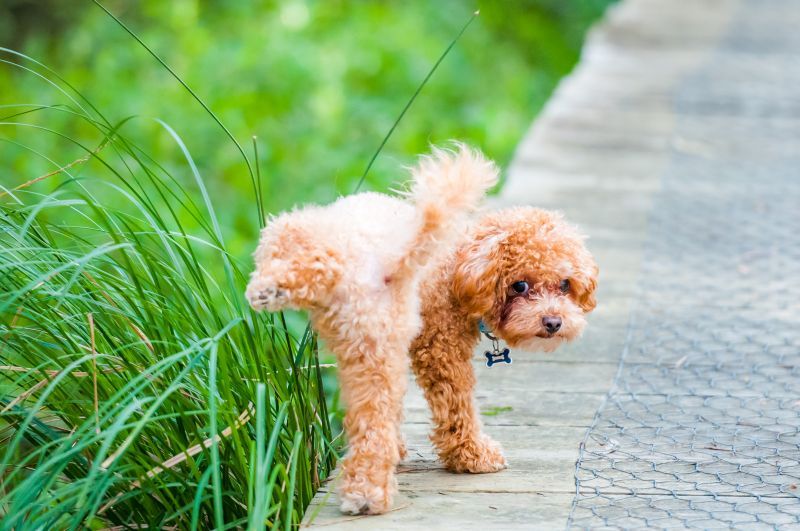
Urinary tract infections are usually caused by a breach in a dog’s usual defences allowing bacteria to attach and cause infection within the bladder. This is normally due to bacteria migrating from the outside up along the urethra into the bladder. Signs of urinary tract infections include frequent squatting or discomfort while urinating, or even urinating in inappropriate locations. You may noticed a bloody tinge to the urine or an abnormal smell.
Your vet may examine your dog as well as your dog’s urine to look for underlying contributing causes to your dog’s urinary tract infections especially if they happen frequently. Contributing causes include a recessed vulva, a skin infection involving the vulva or diarrhoea. Treatment of urinary tract infections usually involves antibiotics and anti-inflammatories. Recurrent UTIs will require some additional investigation with imaging to look for stones or contributing anatomic abnormalities.
Expert advice from Dr Felicia:
Bringing a urine sample with you to the vet is very helpful for cases of suspected UTI, particularly if your dog is shy and doesn’t like to urinate away from home. Straining to urinate may not necessarily only be due to UTIs, and so examination of urine pH, presence of crystals or other cells may alert your vet to investigate further.
8. Cruciate ligament disease
The cruciate ligament in dogs and humans helps to stabilise the knee joint by holding the bones together and allowing the knee to bend. Ruptured cruciate ligaments are the most common knee injury in dogs, whether from trauma in a young pup or chronic degenerative changes in an older dog.
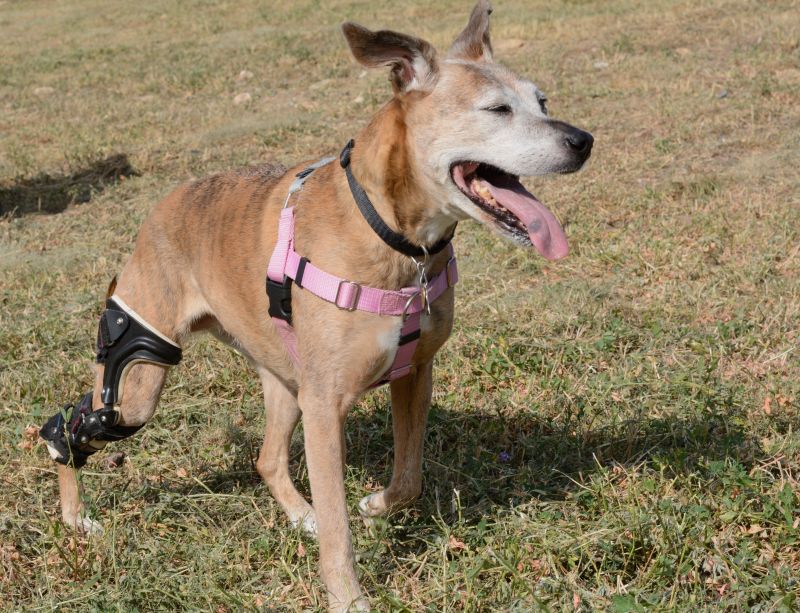
Dogs with ruptured cruciate ligaments usually are unable to bear any weight on one of their hind legs. Surgical repair is recommended to re-stabilise the joint, followed by a period of confinement for recovery. The type of surgery recommended may depend on the size of your dog, activity level and finances.
Expert advice from Dr Felicia:
Unfortunately dogs that have ruptured one of their cruciate ligaments are also likely to rupture the other side. One of the things that may help to reduce the wear and tear on the cruciate ligaments is keeping your dog at the ideal weight, and also minimising exercise that involves jumping, twisting and fast turns.
Learn more about cruciate ligament disease.
9. Obesity
Another common condition amongst Australian dogs and one that often isn’t taken seriously enough is obesity. Overseas studies have indicated that as many as 50% of dogs are currently overweight.
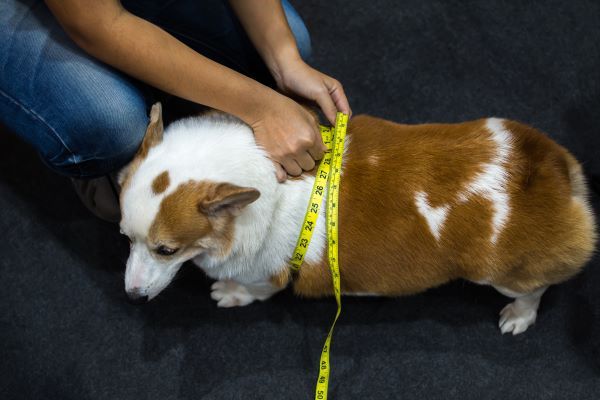
Obesity is one of the greatest causes of serious long-term illness in dogs. If your dog is obese then they risk developing all sorts of related conditions such as heart disease, kidney disease, arthritis and many more.
The good news is that you can reduce your dog’s weight. It’s believed that 95% of obesity cases can be corrected by controlling the dog’s diet and exercise regime. Speak with your vet if you think your dog may be overweight.
Expert advice from Dr Felicia:
Since so many pets are overweight, some pets at an ideal body condition may seem ‘underweight’. A dog at ideal weight will have an obvious waistline when viewed from above and ribs should be able to be felt without excess fat overlying.
Learn more about how to help your dog lose weight.
10. Cancer
Unfortunately, just like us, dogs will sometimes develop cancers as they get older. Dogs can suffer from most of the same types of cancers in areas such as the skin, liver, lungs, lymph nodes and bone marrow.
Skin cancer is common in dogs, so be sure to look out for any unusual lumps or spots on your dog’s skin, ears and eyes. Mast cell tumours are the most common type of dog skin cancers, accounting for around eleven percent of skin cancer in dogs. This is because dogs have many mast cells in their skin. These tumours often appear small and insignificant, and many are benign, but they can be very serious and even life threatening.
Treating cancer can take the form of surgery, chemotherapy or radiation treatment. For all cancers, catching it early is the most important thing.
Expert advice from Dr Felicia:
Take note of any new lumps on the skin or under the skin when you bring your dog to the vet. Your vet will likely be able to take an aspirate and have a look at the cells within the lump to guide whether the mass needs to be removed or not. Some benign growths on the skin can be glandular or cystic and these do not necessarily require removal.
Learn more about cancer in dogs.
Bow Wow Meow Pet Insurance can help protect you and your dog should an unexpected trip to the vet occur.
-
Find out more about our dog insurance options
-
Get an online pet insurance quote
Bow Wow Meow is proud to have been awarded winner of Canstar’s ‘Most Satisfied Customers’ Award in the Pet Insurance category for both 2024 and 2025!
Bow Wow Meow is proud to be the only Pet Insurer that has been awarded Product Review’s Top Rated Pet Insurance every year from 2018 to 2026! This is based on 3,193 independent customer reviews (as at 09/04/2026), with an overall rating of 4.5 stars.

We also have the following ratings on other review platforms:
Google Review rating of 4.5 stars (based on 1,358 reviews)
Trust Pilot rating of 4.6 stars (based on 555 reviews)
Bow Wow Meow has been chosen as Winner of 4 categories in the 2026 Finder Pet Insurance Customer Satisfaction Awards!




– Most Trusted Pet Insurance
– Easiest to Claim Pet Insurance
– Most Recommended Pet Insurance
– Legendary Service Pet Insurance
We also received Highly Commended Awards for Loved Brand Pet Insurance and Best Value Pet Insurance.
Bow Wow Meow is an Australian-owned and operated pet insurance provider. Our focus is purely on pets, and we are proud to have helped provide peace of mind to over 200,000 Aussie pet owners since 2008.