Is the Pekingese a good family dog?


Pekingese
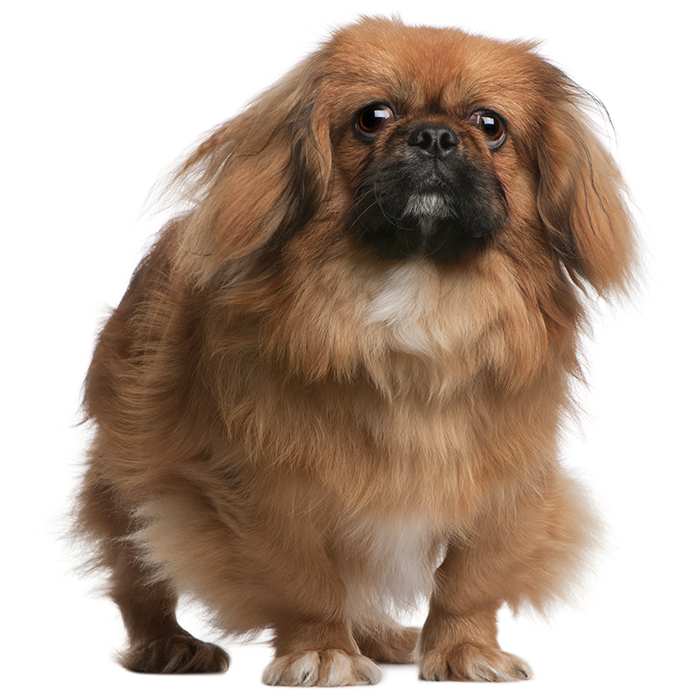
Pekingese are dignified and affectionate small dogs with a long, flowing coat, compact body and distinctive flat-faced expression. Originally bred as treasured companion dogs for Chinese royalty, they are known for their loyalty, confidence and independent nature. Generally devoted to their family but reserved with strangers, Pekingese can be strong-willed and sensitive, so they benefit from gentle training, regular grooming and careful management in hot weather.
| Recommended for | Calm households or apartment owners wanting a devoted companion and able to manage grooming and heat sensitivity |
| Breed Classification | Toy Group |
| Other names | Peke, Lion Dog |
| Lifespan | 12 to 14 years |
| Size | Small |
| Temperament | Loyal, regal, affectionate and stubborn |
| Intelligence | Generally intelligent; best results come from patient, positive and consistent training |
| Tendency to bark | Moderate; watchful and opinionated |
| Maintenance Level | Daily brushing if full coat; face and eye cleaning |
| Health Risk | Pekingeses can be prone to several inherited or structure-related health concerns, so health testing, weight management and early veterinary advice are particularly important. |
Thinking of insuring a Pekingese?
Explore the Top 5 health issues claimed for Pekingese, including highest claims paid and how much pet insurance could help you save on eligible vet bills.
See Pekingese pet insurance Ready to get cover? Get a quick quote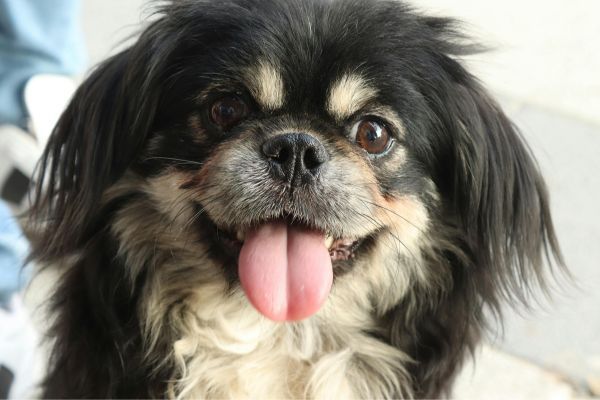
Pekingese personality and temperament
The Pekingese is confident, loyal and dignified, with a calm but independent temperament. Originally bred as a royal companion, it often carries itself with a sense of importance and can be quite selective about who it trusts.
With its family, the Pekingese is usually affectionate and devoted, enjoying comfort and companionship. It can be stubborn, sensitive and wary of strangers, so gentle training, patience and respectful handling are important.
Pekingese with kids and other pets
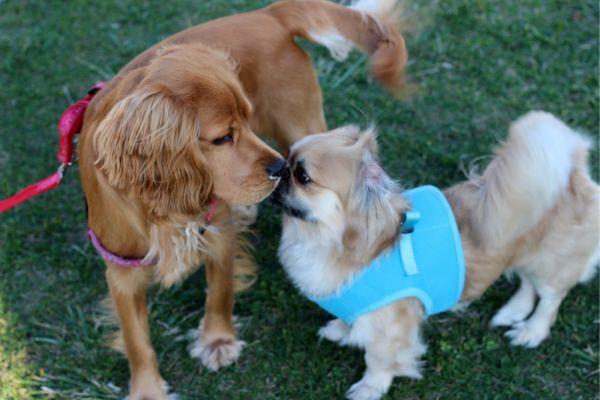
Pekingese can be loving and devoted companions, but they are generally better suited to calm homes with older children. They are small, dignified dogs that may not tolerate rough play, grabbing or being handled like a toy.
With other pets, Pekingese can live peacefully with dogs and cats if introduced carefully. They may be confident or possessive despite their size, so calm introductions and respectful household routines are important.
Pekingese training and exercise
Pekingese need light to moderate exercise, usually through short walks, gentle play and indoor activity. They are not built for intense exercise, and care should be taken in hot weather due to their flat face and thick coat. Regular but low-impact activity helps maintain a healthy weight.
Training should be gentle, patient and consistent. Pekingese can be independent and may resist being pushed too hard, so reward-based methods work best. Early socialisation helps them become more relaxed around visitors, children and other pets.
| Energy level | Low to moderate |
| Exercise requirements | Low to moderate - short walks and indoor play, avoid heat |
Common health issues for Pekingese
What do Pekingese owners claim for the most?
- Brachycephalic airway syndrome: A breathing disorder in flat-faced dogs where narrowed nostrils, an elongated soft palate or other airway changes make airflow difficult. Signs may include noisy breathing, snoring, snorting, exercise intolerance, gagging, overheating, collapse or breathing distress.
- Eye injuries: These can include scratches, corneal ulcers, foreign bodies, chemical irritation, bite wounds or blunt trauma to the eye. Signs may include squinting, redness, tearing, cloudiness, discharge, pawing at the eye, bleeding or the eye appearing swollen or displaced.
- Intervertebral disc disease: A spinal condition where the cushioning discs between the vertebrae bulge or rupture, putting pressure on the spinal cord and nerves. Signs may include back or neck pain, a hunched posture, wobbliness, weakness, dragging limbs or paralysis.
- Patellar luxation: A developmental orthopaedic condition where the kneecap slips out of its normal groove, causing intermittent skipping, limping, pain or reduced mobility. It is more common in small breeds and severity ranges from mild to persistent lameness.
- Skin fold dermatitis: A skin condition where moisture, friction and poor airflow in skin folds cause irritation, inflammation and bacterial or yeast overgrowth. Signs may include redness, itching, odour, discharge, soreness, hair loss or darkened skin in the folds.
Not all conditions are covered by Pet Insurance. For details of Bow Wow Meow Pet Insurance cover, refer to the Product Disclosure Statement.
How to choose the right insurance for your Pekingese
When comparing cover for your Pekingese, look for:

Cover for common Pekingese conditions:
Check that the policy covers conditions Pekingese can be prone to, including common health issues.

Cover for hereditary conditions:
No exclusions for hereditary or congenital conditions⑅.

Flexible cover options:
Options to adjust your annual benefit limit, reimbursement rate and excess.
Bow Wow Meow's Nose-to-Tail Cover offers flexible options for your Pekingese, with cover for accidental injuries, illnesses and hereditary conditions⑅. Get a quick quote for cover that suits your Pekingese and your budget.
Pekingese feeding and nutrition
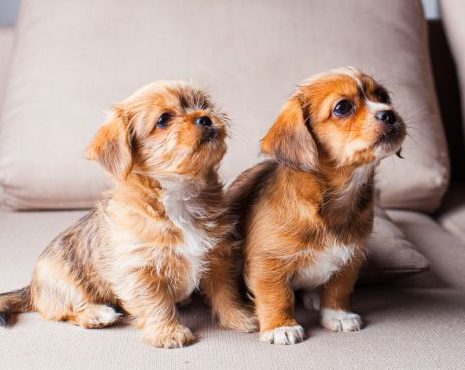
The Pekingese needs a small-breed diet that supports its compact body, moderate activity level and long coat. Quality protein, healthy fats and essential vitamins help maintain muscle, skin and coat condition.
Weight control is especially important for Pekingese, as extra weight can affect breathing, mobility and comfort. Meals should be measured, treats limited and exercise kept appropriate for the dog’s build. Because they can be sensitive to heat and exertion, feeding and activity should be managed carefully in warm weather.
Pekingese care and grooming
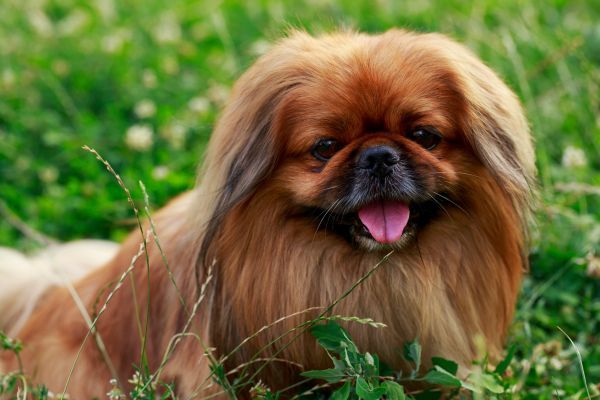
The Pekingese has a long, thick double coat that needs regular grooming to prevent tangles and matting. Brushing several times a week is important, especially around the ears, chest, belly, tail and behind the legs. A pin brush and comb can help work through the coat without pulling.
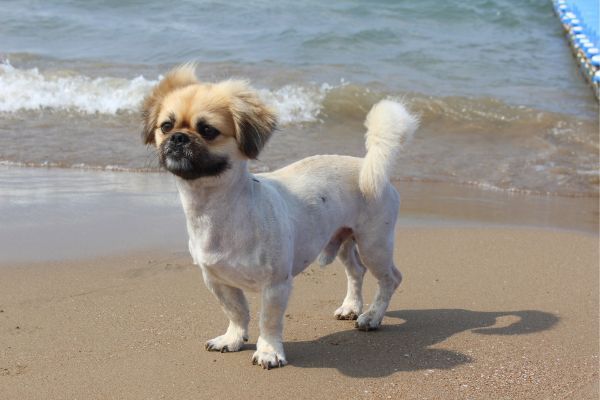
Some pet Pekingese are kept in a shorter clip for easier maintenance, especially in warmer climates. Facial folds should be cleaned and dried regularly, and care should be taken to prevent overheating. Regular eye cleaning, nail trimming, dental care, ear checks and occasional bathing are important parts of routine care.
Size, appearance and coat of Pekingese
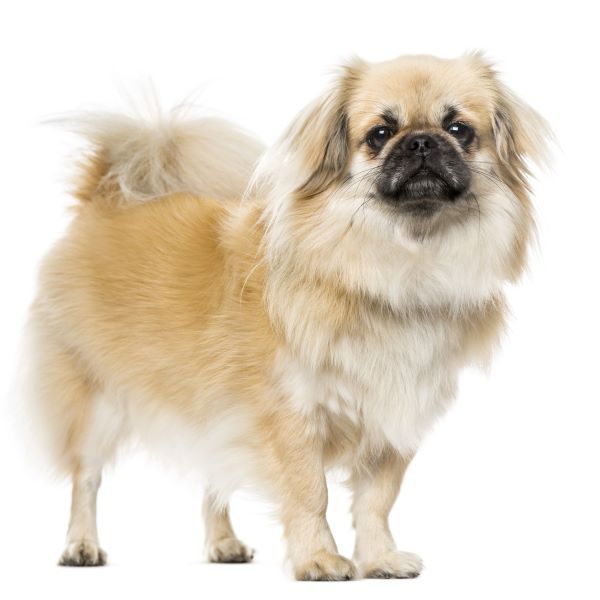
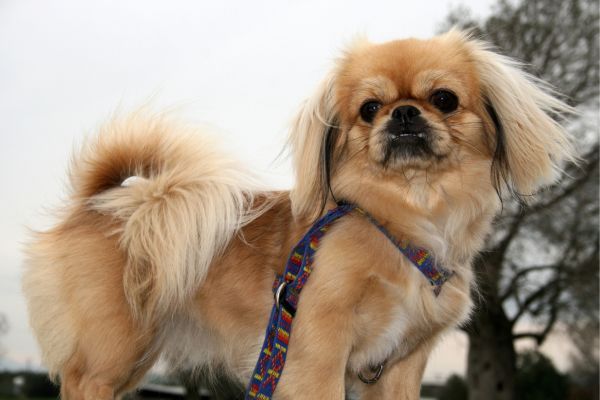
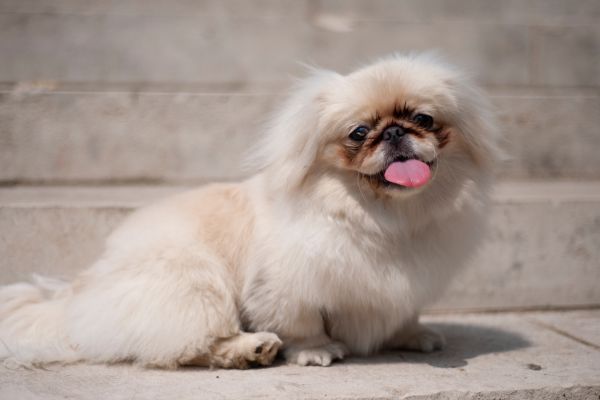
The Pekingese is a small, compact toy breed with a heavy front, broad head and distinctive flat-faced expression. It has large dark eyes, a short broad muzzle, heart-shaped ears and a confident, rolling gait that gives it a regal presence.
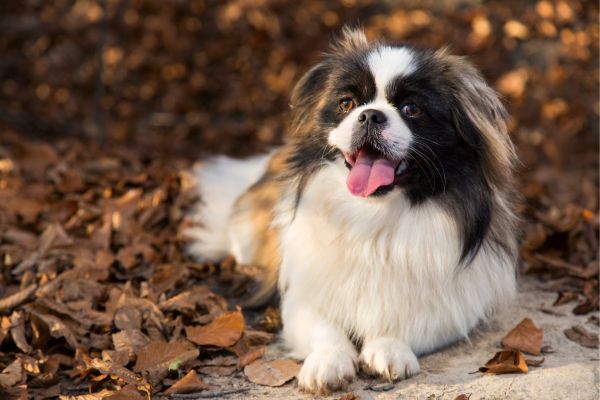
Its long, profuse coat forms a mane around the neck and shoulders, adding to the breed’s lion-like appearance. Pekingese come in many colours, including gold, red, sable, black, cream, white and parti-colour.
| Weight range | 3 to 6 kg |
| Height range | 15 to 23 cm |
| Colours | All colours and markings are common |
| Coat length | Long, straight, profuse double coat |
Breed history of Pekingese
The Pekingese was developed as a palace companion in Imperial China, where it was closely associated with the ruling court and Buddhist lion symbolism. These small dogs were bred to resemble miniature lions, with broad heads, heavy coats and a proud, rolling movement.For centuries,
Pekingese were guarded within the imperial household and were not commonly owned outside court circles. The breed became known in the West after British troops entered the Summer Palace in 1860 and several dogs were taken to Britain, where they became prized by fanciers.
Explore related breeds
Pekingese facts!
- They were bred for Chinese royalty and were treasured palace dogs in Imperial China.
- Their mane-like coat and confident expression give them a lion-like appearance.
- They were once highly protected: historically, owning a Pekingese outside the imperial court was restricted.
- Their body shape gives them a distinctive rolling gait
- Pekingese often have a confident, independent personality despite their small size.
Summary
The Pekingese is a small, compact toy breed with a flat face, long flowing coat and proud, lion-like appearance. Loyal, dignified and independent, Pekingese are devoted companions but usually prefer calm handling and may not tolerate rough play.
They need regular grooming, careful eye and facial fold care, dental attention and protection from heat because of their brachycephalic build.
FAQs about the Pekingese
It can be, provided the household matches the breed’s exercise, training, grooming and supervision needs.
Low to Moderate – short walks and indoor play, avoid heat.
Shedding depends on coat type, season and grooming routine. The breed has a long, straight, profuse double coat.
No. While some individuals may shed less than others, no dog breed is truly allergy-free.
Most respond well to positive, consistent training, but owners should work with the breed’s instincts rather than against them.

Get 2 months free for your puppy!
Congrats on your new bundle of joy
To ensure your precious fur baby is covered from the start, we'd like to offer your first 2 months of our Nose-to-Tail Cover for free2!
Get a quick quote