What is a domestic cat?


Domestic Cat
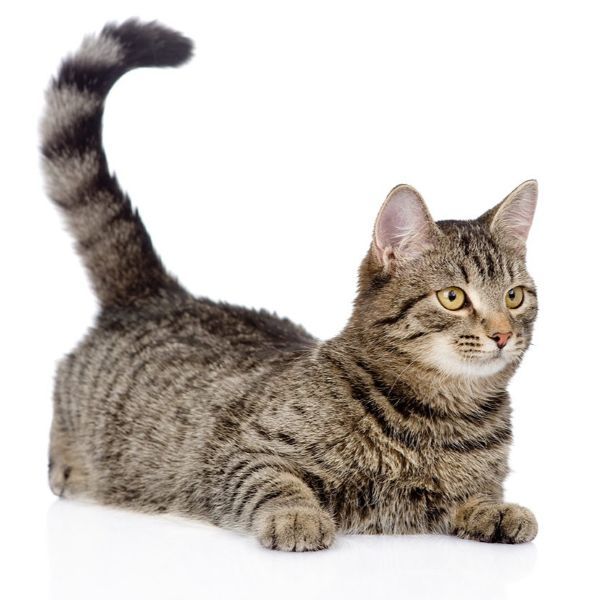
The Domestic Cat is the classic household companion cat. It is not a formal pedigree breed, but a broad category of mixed-ancestry cats that may have a short, medium or long coat. Domestic Cats vary widely in colour, pattern, body shape and personality, which is part of their appeal. Many are adaptable, companionable and well suited to everyday family life.
| Recommended for | Singles, couples, families and first-time cat owners |
| Breed Classification | Domestic cat / mixed ancestry |
| Other names | House cat, moggie |
| Lifespan | Around 12 to 16 years |
| Size | Small to medium |
| Temperament | Adaptable, affectionate, independent, playful |
| Intelligence | Moderate to high |
| Tendency to vocalise | Low to medium |
| Maintenance Level | Low to medium, depending on coat length |
| Health Risk | Moderate, but because “domestic cat” is not one specific breed, the risks vary a lot by age, lifestyle, body condition, genetics, coat length, and whether they live indoors or outdoors. |
Thinking of insuring a Domestic Cat?
Explore the Top 5 health issues claimed for Domestic Cats, including highest claims paid and how much pet insurance could help you save on eligible vet bills.
See Domestic Cat pet insurance Ready to get cover? Get a quick quote
Domestic Cat personality and temperament
Domestic Cats can be affectionate, independent, playful, observant or quietly self-contained depending on the individual cat. Because they are not a standardised pedigree breed, there is no single personality profile that fits them all. Some are highly social and interactive, while others prefer company in smaller doses.
Many Domestic Cats are adaptable and easy to live with, which helps explain why they are such common household companions. They often settle well into daily routines and can suit a wide variety of homes, provided their individual temperament is taken into account.
Domestic Cats with kids and other pets
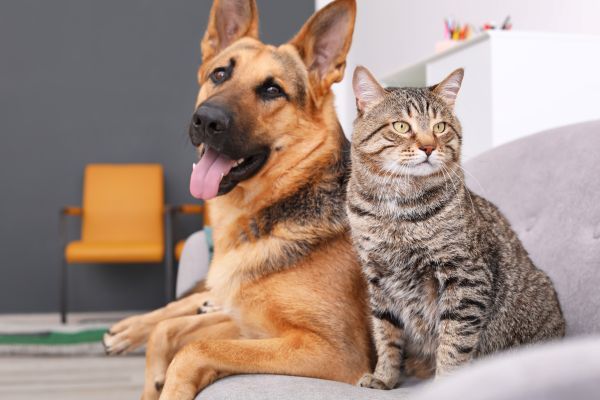
A well-socialised Domestic Cat can often do very well with children and other pets. However, the individual cat matters more than the label alone. Some are tolerant, confident and very sociable, while others are more reserved and need more time and space to settle.
Calm introductions, respectful handling and access to safe retreat spaces make a big difference. In family homes, choosing a cat with a relaxed and friendly temperament is usually more important than coat length or appearance.
Domestic Cat training and exercise
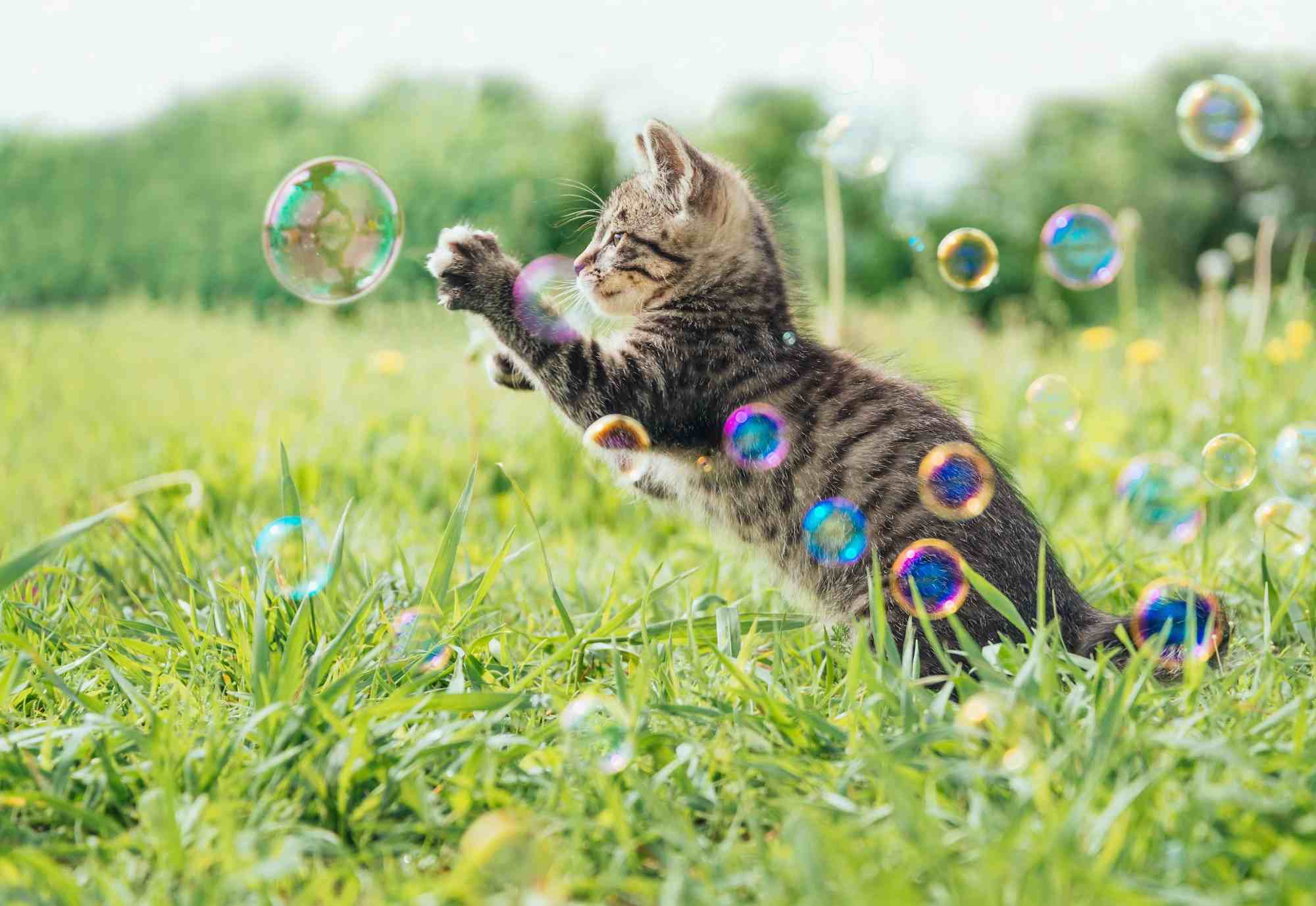
Domestic Cats usually benefit from regular play and enrichment rather than formal training in the dog sense. Interactive toys, scratching posts, climbing areas and food puzzles can all help keep them physically active and mentally engaged.
Indoor cats especially benefit from daily opportunities to stalk, chase, climb and explore in safe ways. Energy levels vary between individuals, so exercise and enrichment should be adjusted to suit the cat’s age, confidence and play style.
| Energy level | Moderate |
| Exercise requirements | Daily play and enrichment to support healthy weight, curiosity and mental stimulation. |
Common health issues for Domestic Cats
What do Domestic Cat owners claim for the most?
- Dental Disease – Plaque, tartar and gum inflammation can build up over time and may lead to mouth discomfort, bad breath, eating changes and longer-term dental problems if not managed properly.
- Obesity – Domestic Cats, especially indoor cats, can gain weight gradually if overfed or under-exercised. Excess weight may place extra strain on joints and contribute to broader health risks.
- Urinary issues – Changes in litter tray habits, straining, discomfort when urinating or increased frequency can point to urinary problems, which should be assessed promptly because they may worsen quickly.
- Digestive upset and hairballs – Vomiting, diarrhoea, reduced appetite or hairballs can occur for a range of reasons. Hairballs may be more common in medium- and long-coated cats because they swallow more loose fur during grooming.
- Skin and coat problems – Fleas, allergies, overgrooming, dandruff, irritation or matting may affect some Domestic Cats, with coat-care needs generally increasing as coat length increases.
Not all conditions are covered by Pet Insurance. For details of Bow Wow Meow Pet Insurance cover, refer to the Product Disclosure Statement.
How to choose the right insurance for your Domestic Cat
When comparing cover for your Domestic Cat, look for:

Cover for common Domestic Cat conditions:
Check that the policy covers conditions Domestic Cats can be prone to, including common health issues.

Cover for hereditary conditions:
No exclusions for hereditary or congenital conditions⑅.

Flexible cover options:
Options to adjust your annual benefit limit, reimbursement rate and excess.
Bow Wow Meow's Nose-to-Tail Cover offers flexible options for your Domestic Cat, with cover for accidental injuries, illnesses and hereditary conditions⑅. Get a quick quote for cover that suits your Domestic Cat and your budget.
Domestic Cat feeding and nutrition
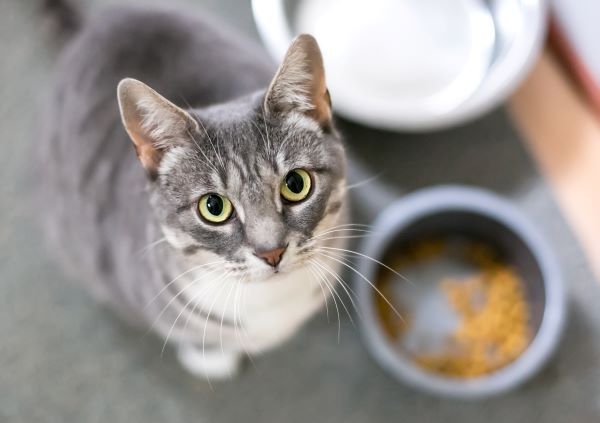
Domestic Cats should be fed a complete, high-quality diet suited to their age, body condition and activity level. Because many live indoors and can gradually become less active over time, portion control is important. Fresh water, measured feeding and limiting excess treats all help support long-term health.
Body condition should be monitored regularly, especially in fluffier cats where a thicker coat can make weight gain harder to notice at a glance.
Domestic Cat care and grooming
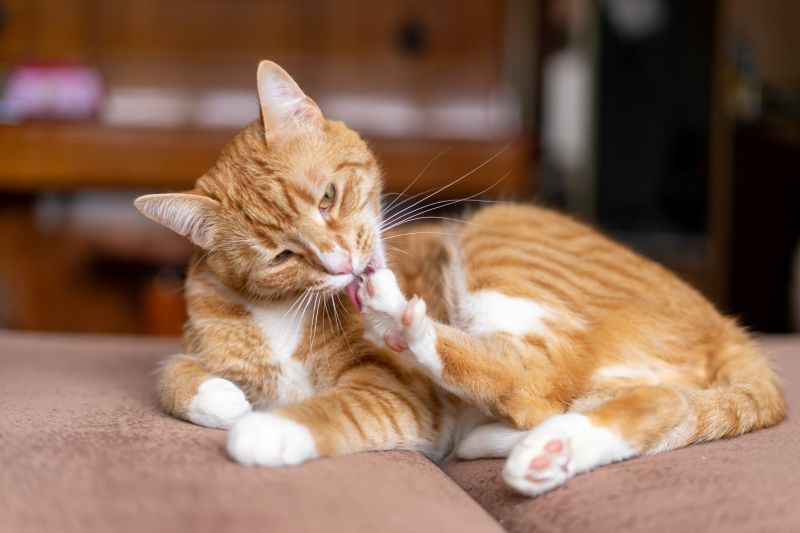
Grooming needs depend mainly on coat length. Short-coated Domestic Cats are usually fairly easy to maintain and often need only routine brushing to remove loose hair and help keep the coat in good condition. Medium-coated cats generally benefit from more regular brushing to reduce loose hair, minor tangles and hairballs. Long-coated cats usually need the most coat care, with regular brushing helping to prevent knots, matting and excess hair ingestion.
Regardless of coat type, owners should also keep an eye on nails, ears, teeth and skin as part of routine care.
Size, appearance and coat of Domestic Cats
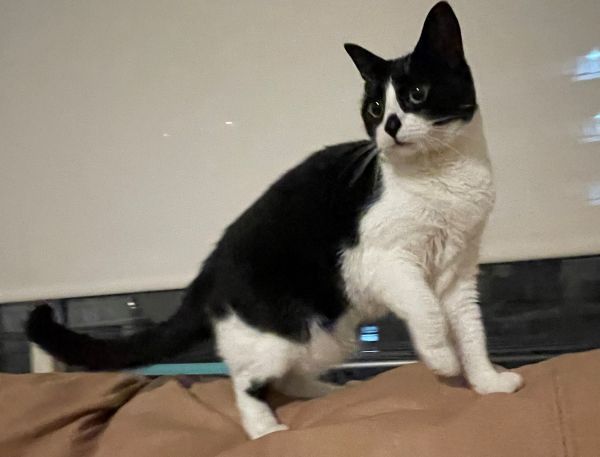
Domestic Cats vary enormously in appearance. Most are small to medium in size, but build can range from fine-boned and agile through to solid and robust. Their faces, ears, tails and body proportions can differ noticeably depending on ancestry.
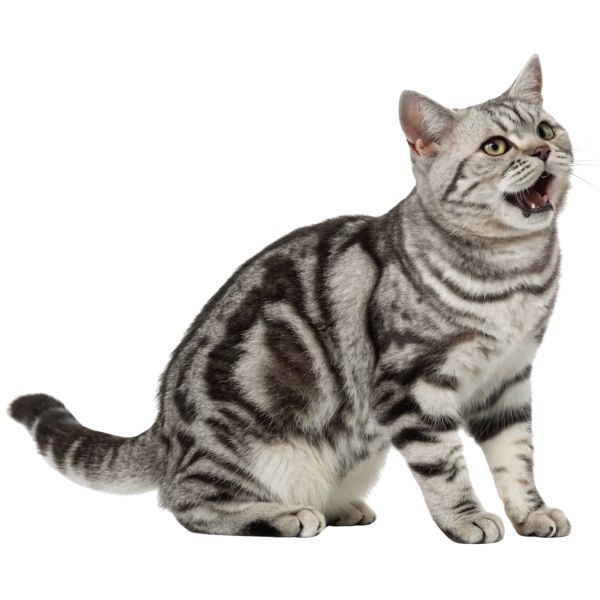
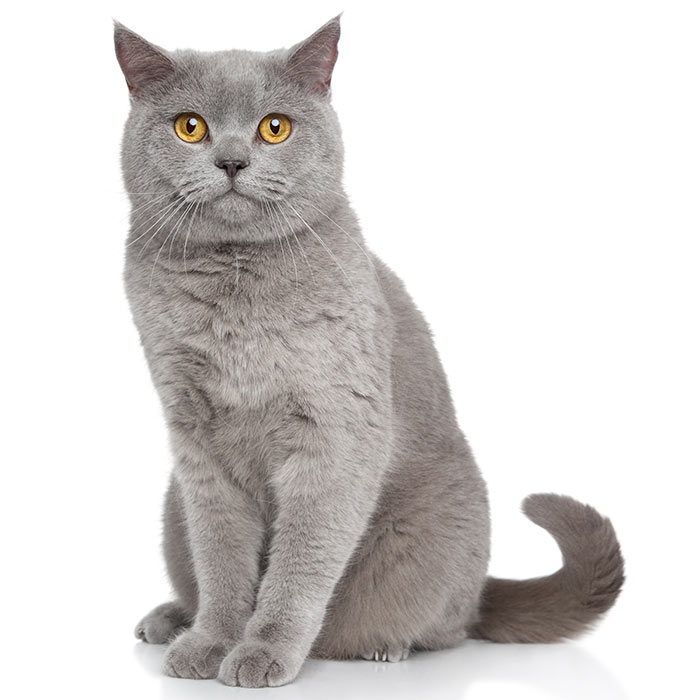
Their coats may be short, medium or long. Short-coated Domestic Cats are often sleek and practical in appearance, while medium- and long-coated cats may have fuller tails, chest fur and feathering around the hindquarters. Colours and patterns are extremely varied, including tabby, tortoiseshell, calico, bi-colour, black, white, ginger, grey and many mixed combinations.
| Weight range | Usually around 3 to 6 kg, although some may be lighter or heavier depending on build and body type. |
| Height range | Usually small to medium in overall frame, with broad variation depending on ancestry. |
| Colours | Can occur in almost any colour or pattern, including tabby, tortoiseshell, black, white, ginger, grey, calico and bi-colour. |
| Coat length | Usually short, but may be medium or long depending on the individual cat. |
Breed history of Domestic Cats
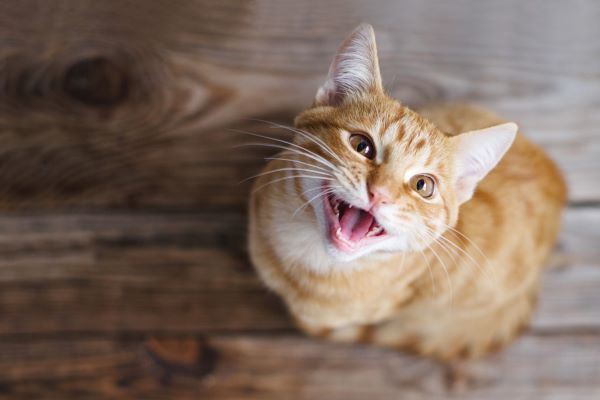
The Domestic Cat is the everyday household cat rather than a deliberately developed pedigree breed. These cats developed naturally over generations of mixed breeding, without a written breed standard controlling their appearance. Historically, domestic cats lived alongside people as useful hunters around homes, farms, shops and ships, and over time became firmly established as companion animals as well.
Because they were not bred for one fixed look, Domestic Cats can differ greatly from one another. Some are sleek and athletic, others are rounder or sturdier, and coat types range from short and close-lying through to fuller medium coats and longer, fluffier coats. That variety is one of the reasons they remain such familiar and well-loved pets.
Explore related breeds
Domestic Cat facts!
- Domestic Cat is a broad category, not a formal pedigree breed.
- A Domestic Cat may have a short, medium or long coat.
- Two Domestic Cats can look completely different and still fit the same label.
- Their wide range of colours and patterns is part of their appeal.
- They are among the most familiar and widely recognised household cats.
Summary
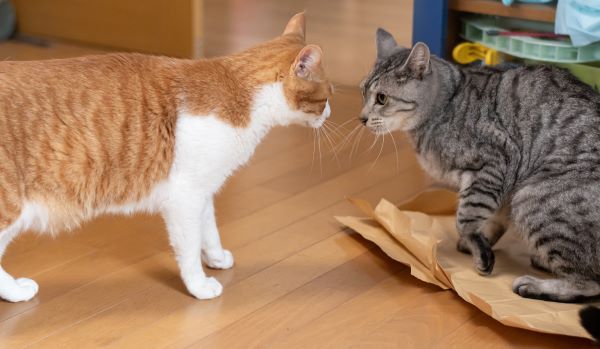
The Domestic Cat is the classic household companion rather than a formal pedigree breed. This broad group of mixed-ancestry cats may have short, medium or long coats and can vary enormously in colour, pattern, body shape and personality.
That variety is a major part of their appeal, and many Domestic Cats are adaptable, companionable and well suited to everyday family life. Their individual temperament, activity and grooming needs depend on the particular cat, so each should be considered on its own traits and lifestyle.
FAQs about the Domestic Cat
A domestic cat is a pet cat of mixed, random or unknown ancestry rather than a specific pedigree breed. Domestic cats can be short-haired, medium-haired or long-haired and come in almost every colour and pattern.
There is no single domestic-cat temperament. Personality varies widely depending on genetics, early socialisation, life experience and the individual cat.
Many are excellent family companions, but the best match depends on the individual cat’s confidence, sociability, activity level and previous experience with children.
Yes, many can live successfully with other cats and cat-friendly dogs when introductions are gradual and each animal has adequate space and resources.
All cats benefit from daily play, climbing, scratching and opportunities to express hunting behaviours, although activity levels vary considerably between individuals.
Shedding depends on coat length, density, season and the individual cat. Regular brushing can help reduce loose hair and hairballs, particularly in medium- and long-haired cats.
Yes. Indoor cats can thrive when their environment includes climbing areas, scratching posts, hiding places, window views, interactive play and other enrichment.
Domestic cats can develop common feline conditions such as dental disease, obesity, kidney disease, urinary problems and arthritis. Individual risk depends on age, lifestyle, genetics and overall health.
null

Get 2 months free for your kitten!
Cover your kitten from Nose-to-Tail
To ensure your precious fur baby is covered from the start, we'd like to offer your first 2 months of our Nose-to-Tail Cover for free2!
Get a quick quote