Is the Basset Hound a good family dog?


Basset Hound
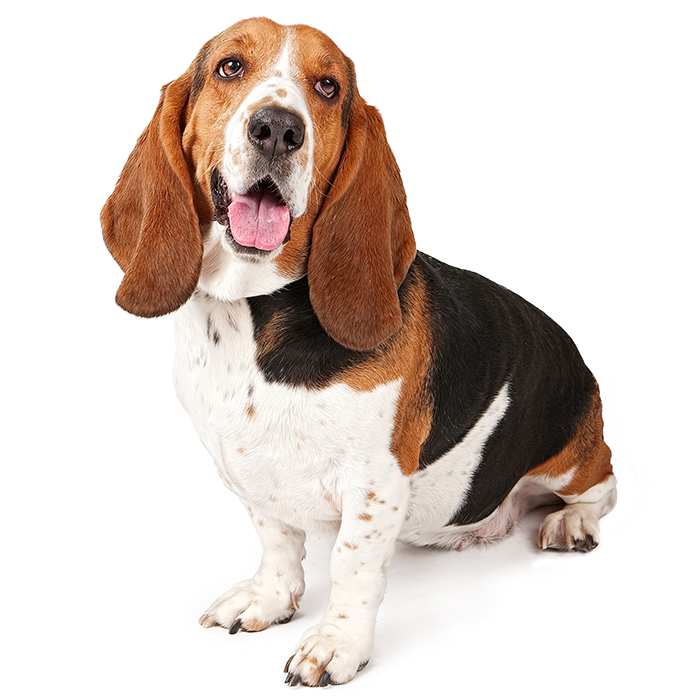
Basset Hounds are gentle and good-natured medium-sized dogs with long ears, short legs and a distinctive, low-slung build. Originally bred in France for scent hunting, they are known for their excellent sense of smell, steady temperament and relaxed, affectionate nature. Generally friendly and sociable, Basset Hounds can also be stubborn and easily led by their nose, so they benefit from patient training, moderate exercise and careful weight management.
| Recommended for | Relaxed households or families who want a gentle companion and can manage training, weight control and scent-driven behaviour. |
| Breed Classification | Hound Group |
| Other names | Basset |
| Lifespan | 10 to 12 years |
| Size | Medium |
| Temperament | Gentle, patient, scent-driven and stubborn |
| Intelligence | Generally intelligent; best results come from patient, positive and consistent training |
| Tendency to bark | Moderate; deep baying voice |
| Maintenance Level | Brush weekly; clean ears and skin folds carefully |
| Health Risk | Basset Hounds are generally robust when well bred and well cared for, but they can still be affected by recognised breed-related conditions that should be discussed with a vet or breeder. |
Thinking of insuring a Basset Hound?
Explore the Top 5 health issues claimed for Basset Hounds, including highest claims paid and how much pet insurance could help you save on eligible vet bills.
See Basset Hound pet insurance Ready to get cover? Get a quick quote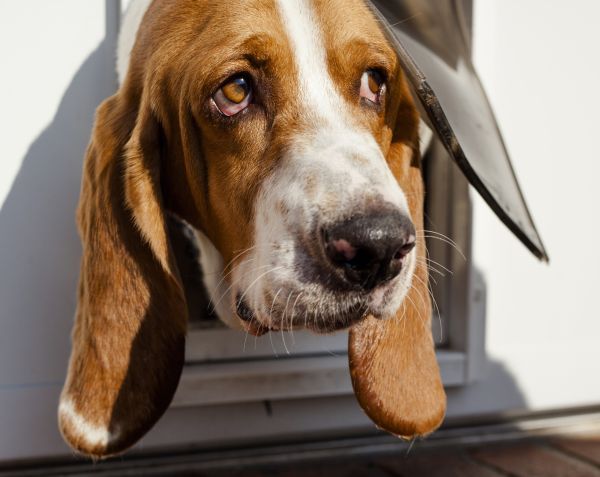
Basset Hound personality and temperament
The Basset Hound is gentle, affectionate and easygoing, with a relaxed temperament that makes it a popular family companion. Originally bred as a scent hound, it has a strong nose and a steady, determined approach when following a trail.
Bassets are generally friendly and sociable, but they can be stubborn when their scenting instincts take over. Patient training, moderate exercise and careful weight management are important for keeping this laid-back breed happy and healthy.
Basset Hounds with kids and other pets
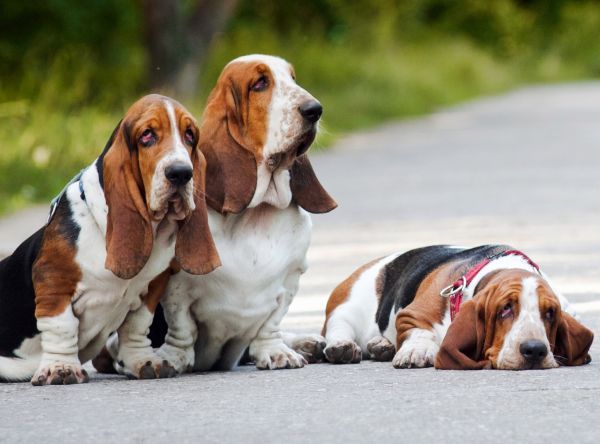
Basset Hounds are usually gentle, patient and good-natured with children, making them a popular choice for family homes. Their relaxed temperament often suits family life well, although children should still be taught not to pull their long ears or disturb them while resting.
With other pets, Basset Hounds are often sociable and can do well with other dogs. They may also live peacefully with cats when introduced properly, though their scent-hound instincts can make them interested in smaller animals.
Basset Hound training and exercise
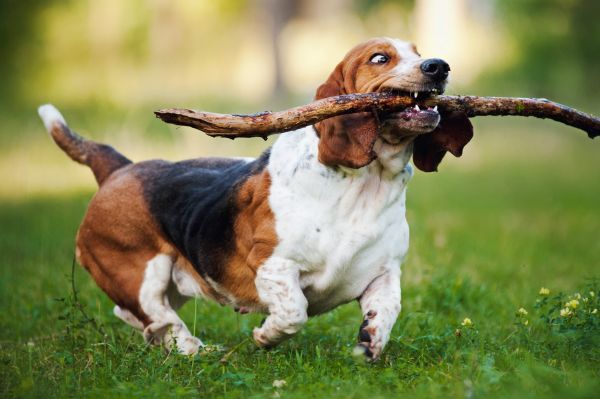
Basset Hounds need moderate exercise, including daily walks and gentle play, to maintain a healthy weight and support joint health. Although they can seem laid-back, they still need regular movement and enjoy scent-based activities that allow them to use their excellent nose.
Training a Basset Hound requires patience and persistence. They can be stubborn and easily distracted by smells, so food rewards, calm repetition and short sessions are usually effective. Lead training and recall practice are important, as they may follow a scent without paying attention to commands.
| Energy level | Low to moderate |
| Exercise requirements | Moderate - steady walks and sniffing time, avoid overdoing stairs |
Common health issues for Basset Hounds
What do Basset Hound owners claim for the most?
- Ear infections: Common in dogs, often involving inflammation or infection of the outer ear canal caused by yeast, bacteria, allergies, mites or trapped moisture. Signs may include head shaking, scratching, redness, swelling, discharge, odour, pain or sensitivity around the ears.
- Obesity: A common condition where excess body fat affects a dog’s health, mobility and quality of life. It can increase the risk of arthritis, diabetes, breathing problems, heart disease and anaesthetic complications.
- Intervertebral disc disease: A spinal condition where the cushioning discs between the vertebrae bulge or rupture, putting pressure on the spinal cord and nerves. Signs may include back or neck pain, a hunched posture, wobbliness, weakness, dragging limbs or paralysis.
- Glaucoma: A painful eye disease where fluid does not drain properly, causing increased pressure inside the eye. Signs may include redness, cloudiness, squinting, tearing, eye enlargement or sudden vision loss. It can quickly damage the optic nerve and lead to permanent blindness.
- Elbow dysplasia: A developmental condition where the elbow joint forms abnormally, causing front-leg pain, stiffness and lameness. It can lead to progressive arthritis over time. Genetics are a major factor, while growth rate, diet, exercise and weight can influence severity.
- Gastric Dilatation-Volvulus: A life-threatening emergency, also called bloat, where the stomach fills with gas or fluid and twists on itself. Signs may include a swollen abdomen, restlessness, drooling, unproductive retching, weakness or collapse.
Not all conditions are covered by Pet Insurance. For details of Bow Wow Meow Pet Insurance cover, refer to the Product Disclosure Statement.
How to choose the right insurance for your Basset Hound
When comparing cover for your Basset Hound, look for:

Cover for common Basset Hound conditions:
Check that the policy covers conditions Basset Hounds can be prone to, including common health issues.

Cover for hereditary conditions:
No exclusions for hereditary or congenital conditions⑅.

Flexible cover options:
Options to adjust your annual benefit limit, reimbursement rate and excess.
Bow Wow Meow's Nose-to-Tail Cover offers flexible options for your Basset Hound, with cover for accidental injuries, illnesses and hereditary conditions⑅. Get a quick quote for cover that suits your Basset Hound and your budget.

Basset Hound feeding and nutrition
The Basset Hound needs a carefully controlled diet to support its heavy body, short legs and joints. A balanced food with quality protein, moderate fat and appropriate calories helps maintain muscle without encouraging excess weight.
Weight management is especially important for Basset Hounds, as extra weight can place strain on the back, legs and joints. Meals should be measured rather than free-fed, and treats should be kept to a minimum. Slow feeding may also help dogs that eat too quickly.
Basset Hound care and grooming
The Basset Hound has a short, smooth coat that is easy to brush but still sheds regularly. Weekly brushing with a rubber curry brush or grooming mitt helps remove loose hair and keep the coat healthy. Because of the breed’s loose skin and low body, regular checks for irritation, dirt or moisture are important.
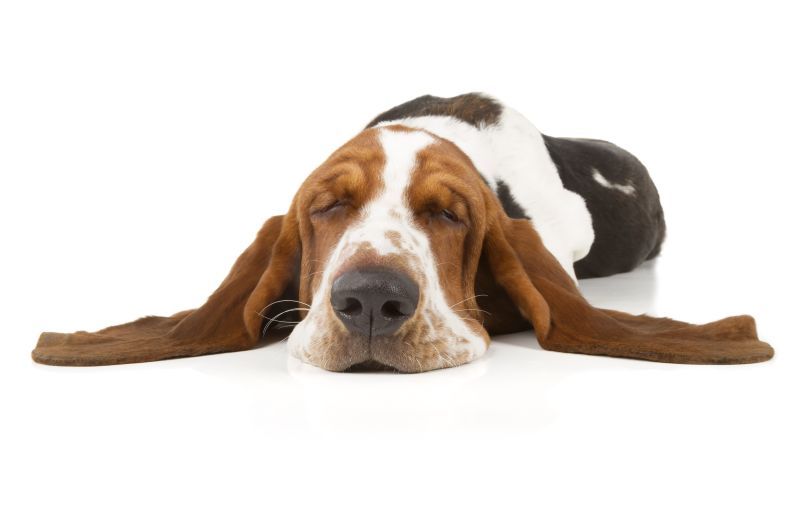
Special attention should be given to the long ears, which can trap moisture and debris and may be prone to infections. Skin folds, ears and the area around the mouth should be kept clean and dry. Regular nail trimming, dental care and occasional bathing help keep the Basset comfortable and healthy.
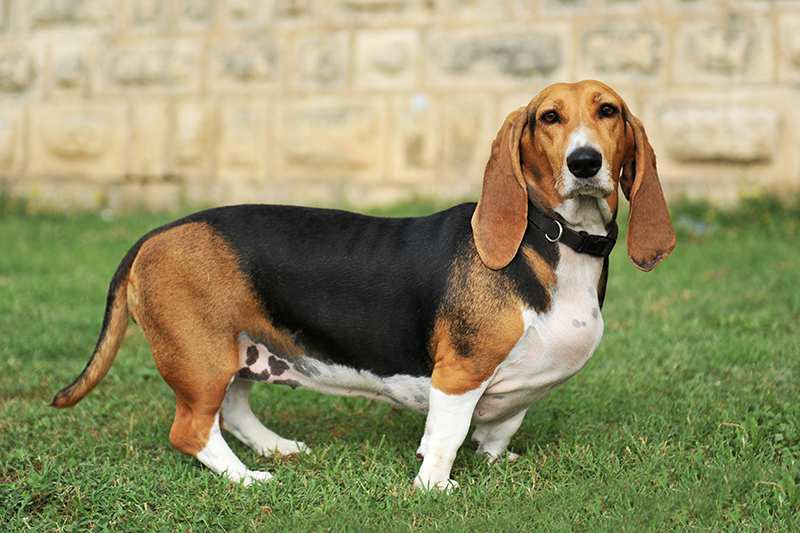
Size, appearance and coat of Basset Hounds
The Basset Hound is a low-slung, heavy-boned scent hound with a long body, short legs and a gentle, mournful expression. It has a large head, loose skin, deep muzzle, long velvety ears and drooping eyes that give the breed its famously soulful appearance.
Its coat is short, smooth and dense, designed to be practical and easy to maintain. Basset Hounds are most often seen in hound colours such as tricolour, lemon and white, red and white, or tan and white.
| Weight range | 20 to 29 kg |
| Height range | up to 38 cm |
| Colours | Tricolour, lemon and white, red and white, tan and white |
| Coat length | Short, smooth, dense coat |
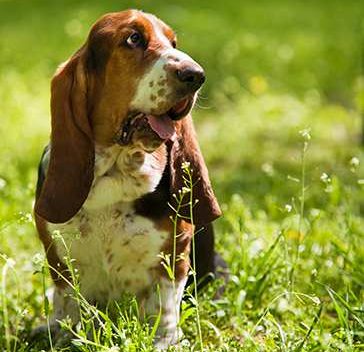
Breed history of Basset Hounds
The Basset Hound’s history begins in France, where low-slung scent hounds were used by hunters on foot to trail rabbits and other game at a steady pace. The name comes from the French word “bas,” meaning low, directly referring to the breed’s short-legged build and close-to-the-ground scenting style.
British breeders later had a major influence on the modern Basset Hound, selecting for the heavy bone, long ears, deep voice and distinctive outline now associated with the breed. Its slower pace made it especially useful for hunters who followed on foot rather than horseback.
Explore related breeds
Basset Hound facts!
- “Basset” comes from the French word bas, meaning “low”, which perfectly describes their short-legged build.
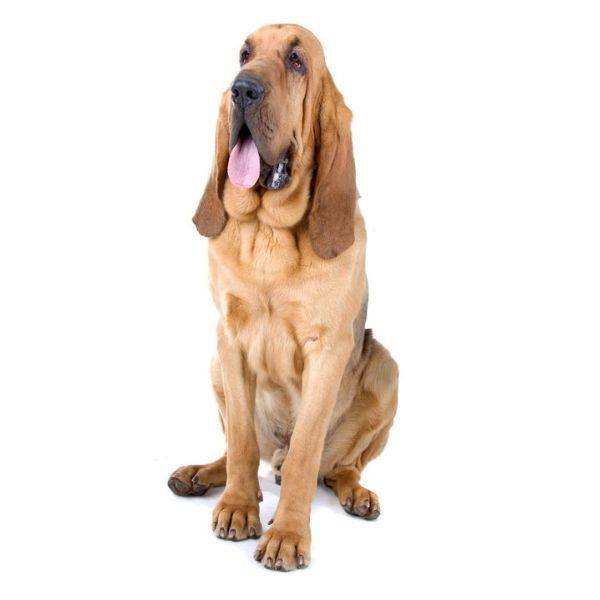
- Basset Hounds have an extraordinary sense of smell and are often said to be second only to the Bloodhound for scent-tracking ability.
- Their famously long floppy ears help sweep scents up from the ground towards the nose as they track.
- Loose skin around the face can help trap scent particles, giving them even more scenting power.
- They can be very stubborn: once a Basset Hound catches an interesting scent, it may suddenly develop “selective hearing”.
- Bassets have a rich, booming bark and a distinctive bay that can carry a long distance.
- Their droopy eyes, long ears and solemn face often make them look sad, even when they are perfectly happy.
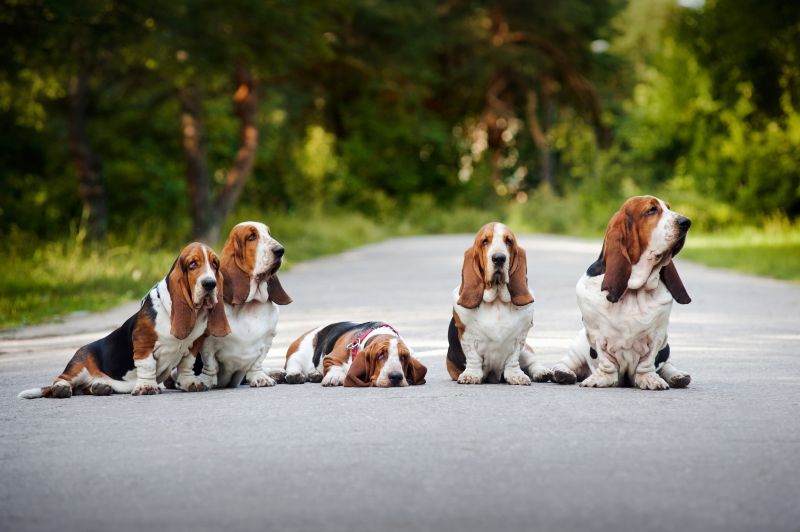
Summary
The Basset Hound is a low-slung scent hound with short legs, long ears, loose skin and a famously mournful expression. Gentle, friendly and relaxed, Bassets are usually sociable family dogs, but they can be stubborn and highly scent-driven once their nose takes over.
They need moderate exercise, careful weight management, regular ear cleaning and patient training, as excess weight can place strain on their long backs and joints.
FAQs about the Basset Hound
It can be, provided the household matches the breed’s exercise, training, grooming and supervision needs.
Moderate – steady walks and sniffing time, avoid overdoing stairs.
Shedding depends on coat type, season and grooming routine. The breed has a short, smooth, dense coat.
No. While some individuals may shed less than others, no dog breed is truly allergy-free.
Most respond well to positive, consistent training, but owners should work with the breed’s instincts rather than against them.
MORE INFORMATION
The Basset Hound Club of Victoria Inc.: https://www.bassethounds.org.au/
The Basset Hound Club: https://thebassethoundclub.com/

Get 2 months free for your puppy!
Congrats on your new bundle of joy
To ensure your precious fur baby is covered from the start, we'd like to offer your first 2 months of our Nose-to-Tail Cover for free2!
Get a quick quote