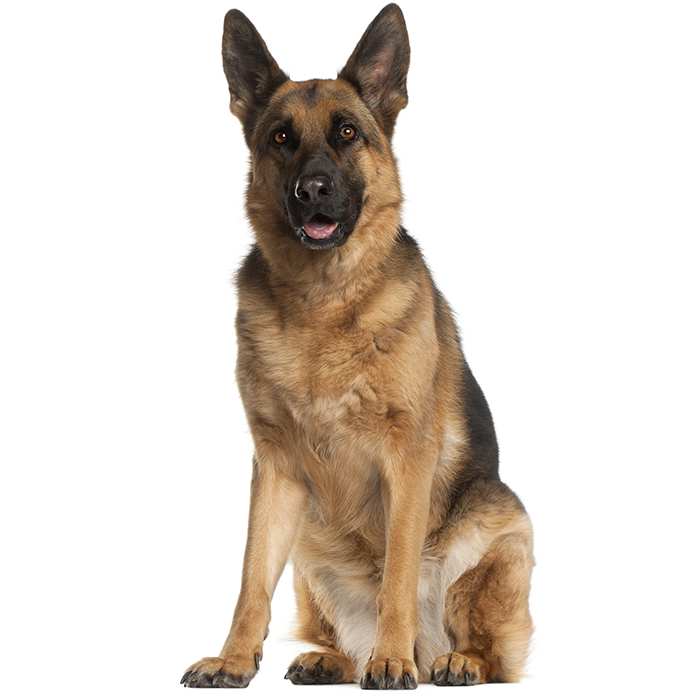
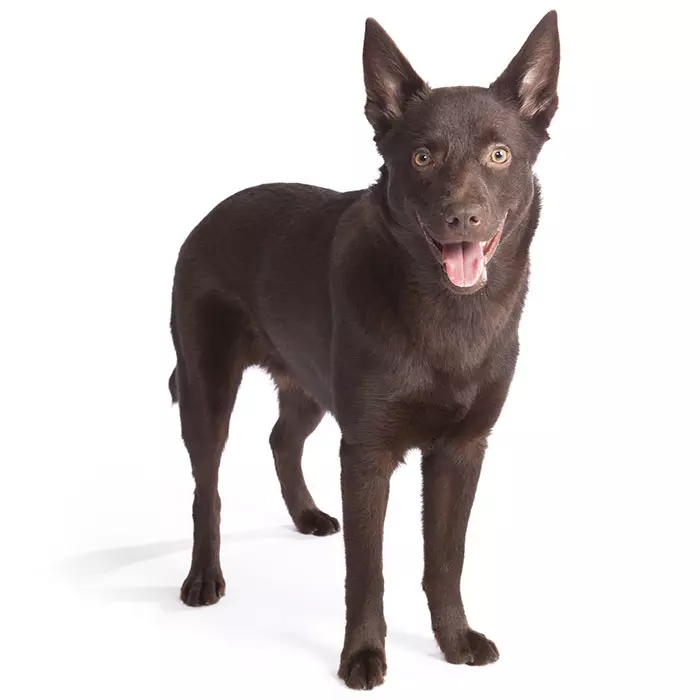
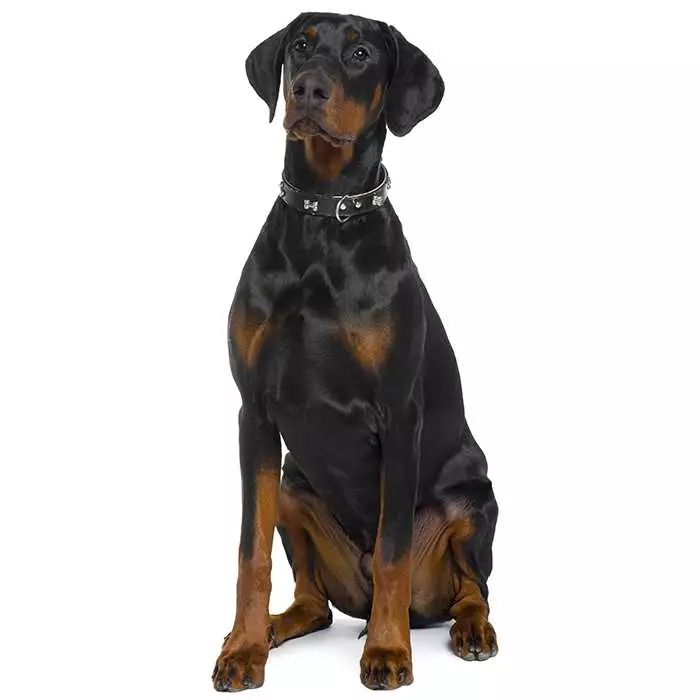
Is the Belgian Malinois a good family dog?


Belgian Malinois
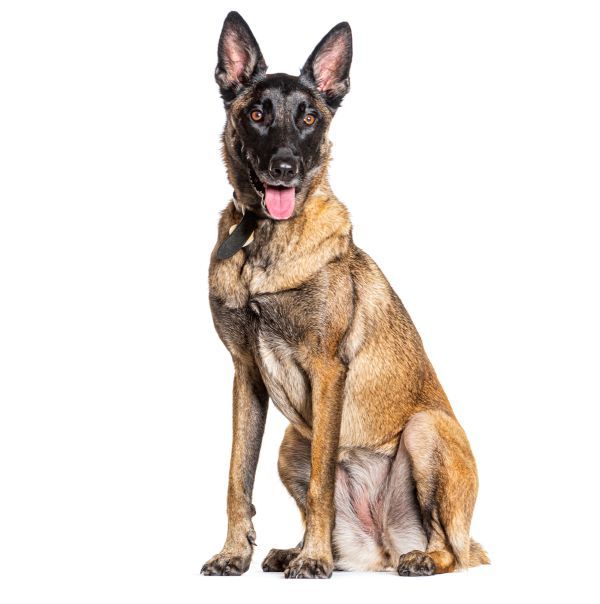
Belgian Malinois are exceptionally intelligent, athletic and driven working dogs originally developed for herding and widely used in police, military, detection and search-and-rescue roles. Malinois form strong bonds with their handlers and thrive on purposeful activity and mental-stimulation.
| Recommended for | Experienced, highly active owners and working or sporting homes |
| Breed Classification | Working dogs |
| Other names | Mal, Belgian Shepherd dog |
| Lifespan | Around 10–14 years |
| Size | Medium |
| Temperament | Confident, outgoing, hard-working |
| Intelligence | Very high: exceptionally quick, responsive learners with outstanding problem-solving and working ability |
| Tendency to bark | Moderate to high: naturally alert and vocal, and may bark at unfamiliar activity, excitement or when under-stimulated |
| Maintenance Level | High: low grooming, intensive training, exercise and enrichment needs |
| Health Risk | Belgian Malinois are generally healthy, but can be prone to hip and elbow dysplasia, epilepsy and inherited eye conditions including cataracts and PRA. |
Thinking of insuring a Belgian Malinois?
Explore the Top 5 health issues claimed for Belgian Malinois, including highest claims paid and how much pet insurance could help you save on eligible vet bills.
See Belgian Malinois pet insurance Ready to get cover? Get a quick quote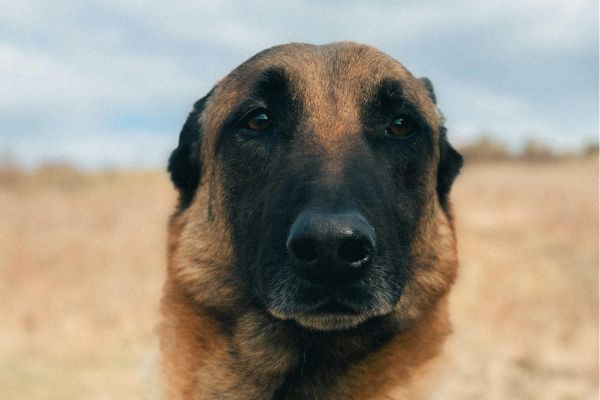
Belgian Malinois personality and temperament
Belgian Malinois are highly intelligent, alert and energetic dogs that tend to form very strong bonds with their owners. They are typically intensely people-focused and often happiest when working, training or taking part in activities alongside their handler. The ideal Malinois is confident and responsive without being fearful or unnecessarily aggressive.
Their natural vigilance and protective instincts can make them reserved around unfamiliar people, while their exceptionally high working drive means they need considerably more structure, training and mental stimulation than the average companion dog. When these needs are not met, some Malinois may develop destructive or other unwanted behaviours. Working and protection-bred lines can be particularly intense and may not be suitable for inexperienced owners.
Belgian Malinois with kids and other pets
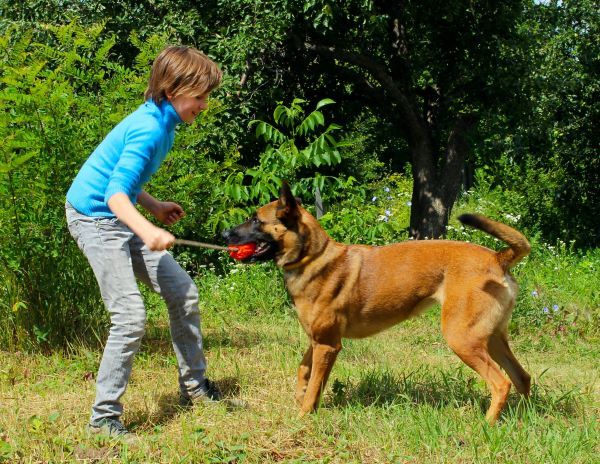
Well-trained and appropriately socialised Belgian Malinois can live successfully with children, particularly when raised with them. However, their speed, strength, high arousal and herding instincts can make them challenging around young children, and some may chase or attempt to herd running children. For this reason, they are often better suited to households with older, responsible children, and interactions should always be supervised.
Malinois can also live with other dogs and pets when carefully socialised and introduced, but individual compatibility varies. Some have a strong prey drive or territorial tendencies, so particular care should be taken around smaller animals.
Belgian Malinois training and exercise
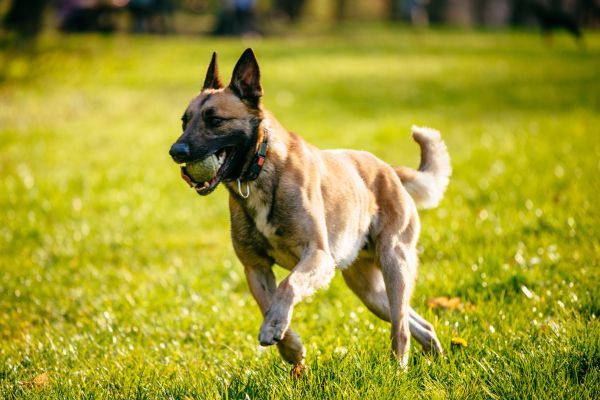
Belgian Malinois have exceptionally high physical and mental activity needs. Healthy adults generally require around two hours or more of exercise each day, together with structured training, problem-solving and other mentally challenging activities. A leisurely daily walk is unlikely to be sufficient for most adult Malinois. The Royal Kennel Club classifies their exercise requirement as more than two hours per day.
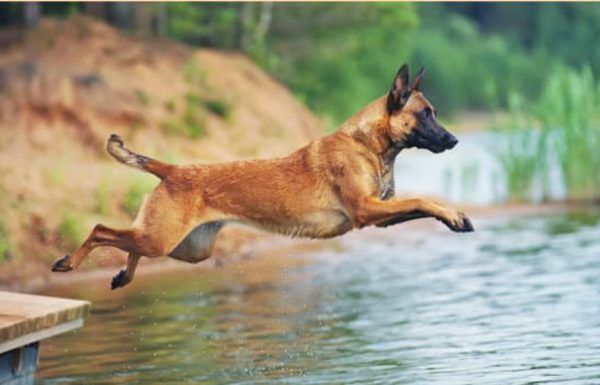
Running, hiking, tracking, scent work, agility, obedience, herding and retrieving can all provide useful outlets for their energy. Many Malinois also excel in working disciplines such as IGP, detection and search and rescue. Exercise should always be adapted to the dog’s age and health, with strenuous repetitive exercise limited while puppies are still growing.
Malinois are exceptionally fast learners and usually respond very well to consistent, reward-based training. Training and socialisation should begin early and continue throughout life, with an emphasis on teaching calm behaviour and self-control as well as active skills. Owners who are unfamiliar with high-drive working dogs may benefit from guidance from an experienced trainer who understands the breed.
| Energy level | Very high: intensely energetic working dogs with exceptional stamina |
| Exercise requirements | Very high: around 2 hours or more per day for healthy adults, plus substantial training and mental enrichment |
Common health issues for Belgian Malinois
What do Belgian Malinois owners claim for the most?
The Belgian Malinois generally a healthy breed, but is susceptible to several inherited joint, eye and neurological conditions. Responsible Belgian Malinois breeders should screen breeding dogs for hip and elbow dysplasia and undertake regular specialist eye examinations. Prospective owners should also ask about any history of epilepsy or seizures in the pedigree.
- Hip dysplasia is abnormal development of the hip joint that can cause looseness, pain and arthritis. Elbow dysplasia describes several developmental abnormalities affecting the elbow joint that can likewise result in lameness, pain and arthritis. Screening breeding dogs for both conditions can help reduce inherited risk.
- Epilepsy is a neurological disorder characterised by recurrent seizures. A hereditary component occurs in Belgian Malinois, although seizures can have many different causes and affected dogs should be assessed by a veterinarian. Some dogs require long-term anti-seizure medication.
- Cataracts cause the normally clear lens of the eye to become cloudy and can interfere with vision. Severity varies from small cataracts with little impact to advanced disease causing significant vision loss.
- Progressive Retinal Atrophy (PRA) is a group of inherited eye diseases that cause gradual deterioration of the retina. Night vision is often affected first, with progressive vision loss potentially leading to blindness. PRA is not painful, but there is currently no cure.
Not all conditions are covered by Pet Insurance. For details of Bow Wow Meow Pet Insurance cover, refer to the Product Disclosure Statement.
How to choose the right insurance for your Belgian Malinois
When comparing cover for your Belgian Malinois, look for:

Cover for common Belgian Malinois conditions:
Check that the policy covers conditions Belgian Malinois can be prone to, including common health issues.

Cover for hereditary conditions:
No exclusions for hereditary or congenital conditions⑅.

Flexible cover options:
Options to adjust your annual benefit limit, reimbursement rate and excess.
Bow Wow Meow's Nose-to-Tail Cover offers flexible options for your Belgian Malinois, with cover for accidental injuries, illnesses and hereditary conditions⑅. Get a quick quote for cover that suits your Belgian Malinois and your budget.
Belgian Malinois feeding and nutrition
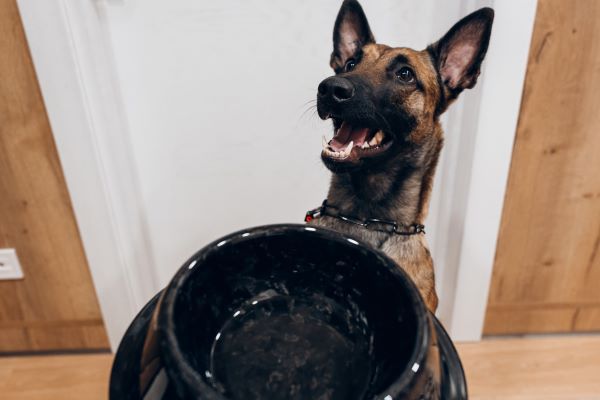
Belgian Malinois should be fed a complete and balanced diet appropriate for their age, body condition, health and activity level. Highly active working or sporting dogs may have substantially greater energy requirements than less active companion Malinois.
Monitor your dog’s body condition and adjust portions and treats accordingly. Because food is commonly used during training, treats should be included when considering total daily calorie intake. Speak to your vet if you have questions about your Malinois’s diet, weight or changing nutritional needs.
Belgian Malinois care and grooming
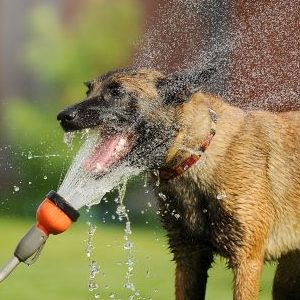
Belgian Malinois have relatively low grooming requirements. Their short, dense double coat generally benefits from weekly brushing to remove loose hair and distribute natural oils, with more frequent brushing useful during periods of heavier seasonal shedding.
Bathing is usually only necessary when the dog is dirty, using a dog-appropriate shampoo. Routine nail, dental and ear care should also form part of their regular grooming routine.
Size, appearance and coat of Belgian Malinois
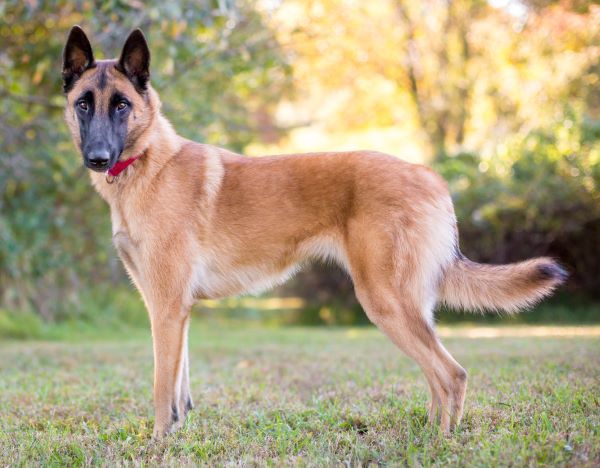
The Belgian Malinois is a medium-sized, squarely built and athletic dog that combines strength with elegance rather than heaviness. Its head is carried proudly, with erect triangular ears and almond-shaped brown eyes, preferably dark. The body is muscular, agile and built for speed, stamina and rapid changes of direction.
The Malinois is the short-haired variety of the Belgian Shepherd Dog. Its dense double coat is short over most of the body, with slightly fuller hair around the neck, tail and backs of the thighs. Under the Dogs Australia standard, the coat is fawn with a black overlay and a pronounced black mask.
| Weight range | Males 25–30 kg; females 20–25 kg |
| Height range | Males around 62 cm; females around 58 cm |
| Colours | Fawn with black overlay and a pronounced black mask |
| Coat length | Short |
Breed history of Belgian Malinois
The Belgian Malinois takes its name from the Belgian city of Malines, now commonly known as Mechelen. During the late 19th century, breeders began standardising Belgium’s many local shepherd dogs, which had previously varied considerably in appearance and coat. In 1891, the Belgian Shepherd Dog Club was founded, and Professor Adolphe Reul helped assess and classify the country’s shepherd dogs. By the early 20th century, the breed’s basic type and temperament had become established.
The Malinois is one of four varieties of Belgian Shepherd Dog, alongside the long-haired Groenendael and Tervueren and rough-coated Laekenois. The varieties share the same underlying breed type and are distinguished primarily by coat type and colour. Dogs Australia recognises all four as varieties of the Belgian Shepherd Dog, while organisations such as the American Kennel Club register the Belgian Malinois separately.
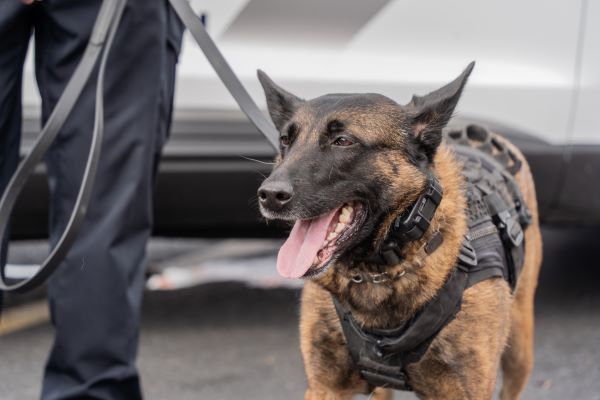
Although originally developed for herding and guarding livestock, the Malinois’s intelligence, speed, trainability and work drive led to widespread use in police, military, detection, search-and-rescue and sporting roles. The first Malinois were imported into Australia in 1987, and the variety is now used by Australian police and armed forces as well as in dog sports and as a companion for suitably experienced owners.
Explore related breeds
Belgian Malinois facts!
- Most of the dogs that work in the elite navy SEALS are Malinois, who are given their own special body armour and night-vision goggles.
- A Belgian Malinois called Cairo, part of the SEAL Team 6, played a crucial role in the 2011 raid that killed Osama Bin Laden, the world’s most notorious terrorist in his compound in Pakistan.
- The breed’s versatility has led them to careers in law enforcement, protection, search and rescue, and scent detection. They’ve found jobs as messenger carriers, ambulance dogs, and even pulled machine guns during WWI, while scent-trained Belgian Malinois work alongside police in airports and train stations to sniff out drugs and bombs.
- One of the top breeds chosen by police departments in the US, they are excellent at apprehending suspects.
- Their light, athletic build has even allowed specially trained military Malinois to parachute alongside handlers.
Summary
The Belgian Malinois is a highly intelligent, athletic and muscular working dog widely used in police and military roles. Energetic, sensitive and loyal, it forms a very close attachment to its handler or family and thrives on purposeful activity.
This breed has extremely high exercise and mental-stimulation needs and is best suited to very active, experienced owners. A Malinois needs regular training, structured activity and close involvement with its people rather than a low-key companion lifestyle.
FAQs about the Belgian Malinois
They are generally affectionate companions and can suit families, couples or singles when their individual exercise, training and grooming needs are met.
Very high. They need substantial daily physical exercise plus training, problem-solving and other forms of mental stimulation.
Yes. They are highly intelligent and capable learners that usually respond very well to consistent, reward-based training and regular mental challenges.
Belgian Malinois can be quite vocal. They may bark to alert their owners, during excitement or work, or when they are bored or under-stimulated. Adequate exercise, training and mental enrichment can help manage excessive barking.
Yes. They generally shed a low to moderate or moderate amount and benefit from routine brushing.
They are generally better suited to homes with more space because of their size, energy level or working and guarding instincts, although individual circumstances vary.
Many can live happily with children and other pets when socialised from a young age, although individual temperament and compatibility always vary.
Potential health concerns include hip and elbow dysplasia, eye disease and epilepsy.
Generally, no. Belgian Malinois have exceptionally high exercise, training and mental-stimulation needs and can be intense, fast-reacting working dogs. They are usually best suited to experienced owners who understand high-drive breeds and can provide substantial daily structure and purposeful activity.
MORE INFORMATION
Working Malinos Australia: https://workingmalinoisaustralia.com/
Belgian Shepherd Dog Club QLD: https://www.bsdcq.com/
The Belgian Shepherd Dog Club of Victoria (Inc): https://bsdcv.com.au/
American Belgian Malinois Club: https://www.malinoisclub.com/abmc/

Get 2 months free for your puppy!
Congrats on your new bundle of joy
To ensure your precious fur baby is covered from the start, we'd like to offer your first 2 months of our Nose-to-Tail Cover for free2!
Get a quick quote