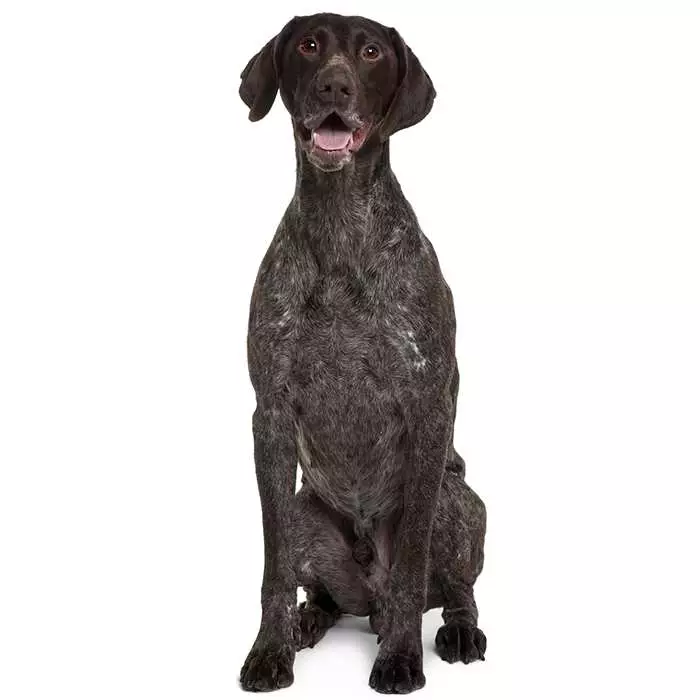
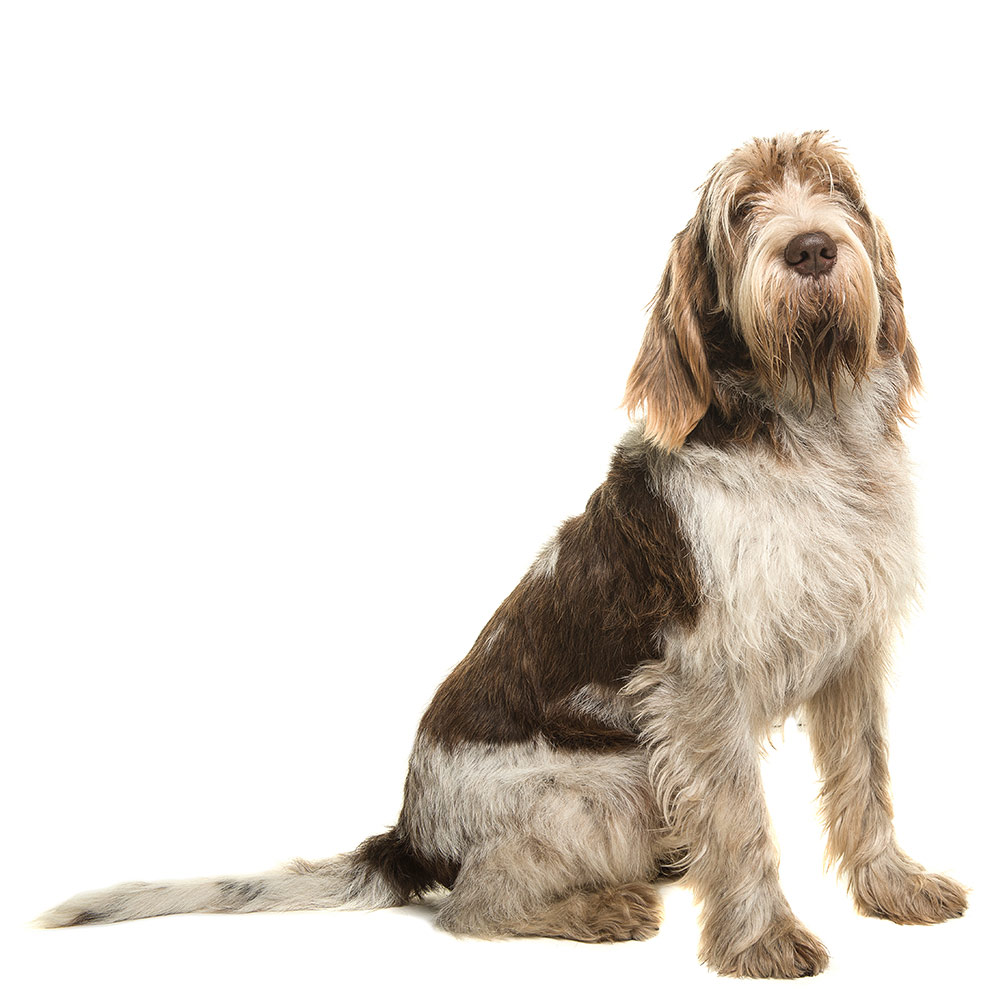
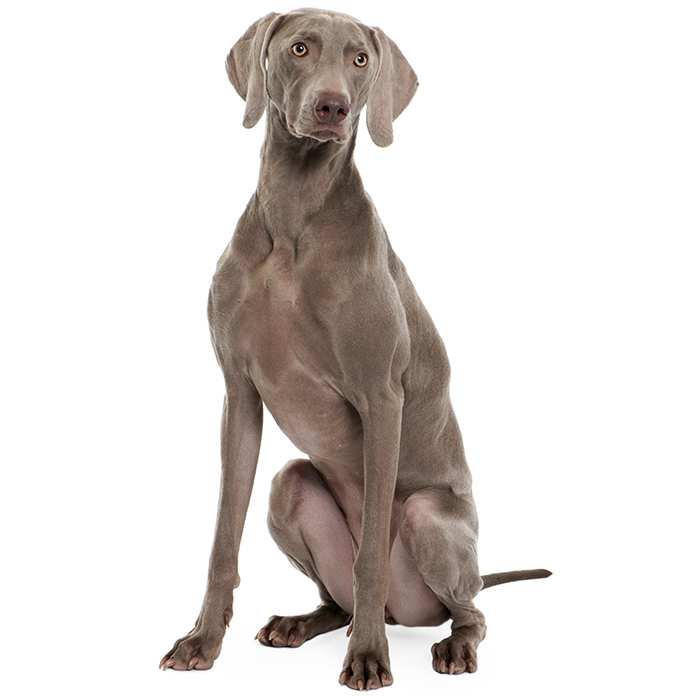
Is the German Wirehaired Pointer a good family dog?


German Wirehaired Pointer
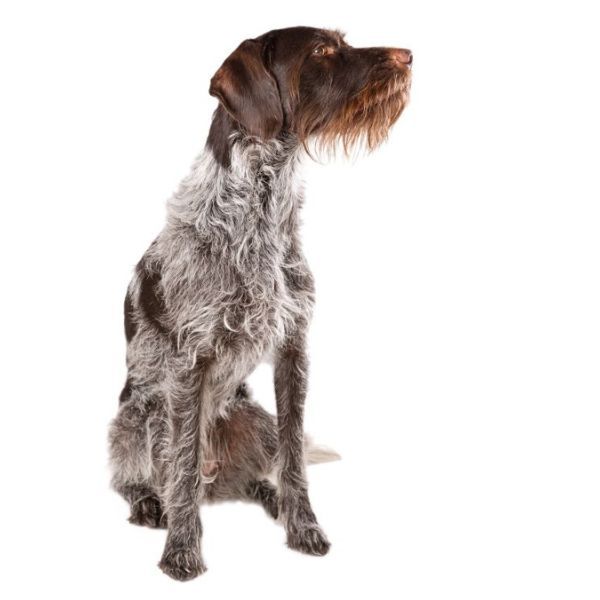
German Wirehaired Pointers are energetic, intelligent and versatile medium-to-large gundogs distinguished by their harsh, weather-resistant coats, bushy eyebrows and beards. Originally developed in Germany as all-purpose hunting dogs capable of working in the field, forest and water, they have considerable stamina and a strong drive to work.
| Recommended for | Very active families and experienced owners able to provide substantial exercise and training |
| Breed Classification | Gundogs |
| Other names | GWP, Deutsch-Drahthaar |
| Lifespan | 12-14 years |
| Size | Medium to large |
| Temperament | Affectionate, eager, loyal |
| Intelligence | High: quick to learn but independently minded |
| Tendency to bark | Moderate: naturally alert and may bark when excited, bored or responding to unfamiliar activity |
| Maintenance Level | Medium: regular brushing, occasional coat stripping and ear/foot care |
| Health Risk | German Wirehaired Pointers are generally robust, although inherited joint, thyroid, eye and bleeding disorders can occur. |
Thinking of insuring a German Wirehaired Pointer?
Explore the Top 5 health issues claimed for German Wirehaired Pointers, including highest claims paid and how much pet insurance could help you save on eligible vet bills.
See German Wirehaired Pointer pet insurance Ready to get cover? Get a quick quote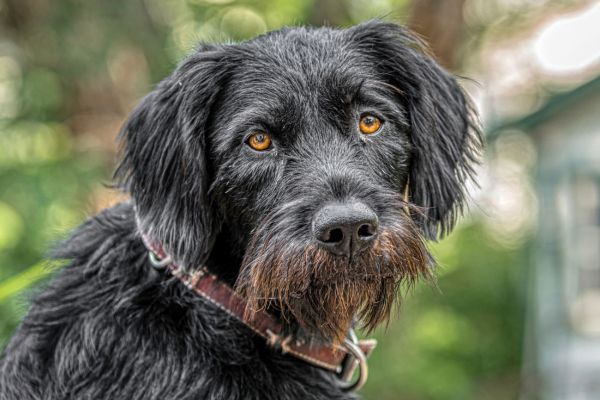
German Wirehaired Pointer personality and temperament
German Wirehaired Pointers are intelligent, affectionate and energetic dogs that tend to form close bonds with their families. They can be somewhat reserved around unfamiliar people but should be confident and well-balanced rather than shy or aggressive. Their strong working instincts mean they thrive when given plenty of purposeful activity and interaction with their owners.
They can make excellent family companions in active households, but their considerable exercise and mental-stimulation needs should not be underestimated. Without sufficient activity and companionship, they may become bored and develop unwanted behaviours such as barking, digging or destructive chewing.
Apartment living can be challenging for this highly active breed, and they are generally better suited to homes where their considerable exercise needs can be easily met. However, the owner’s ability to provide sufficient daily activity and enrichment is more important than the size of the home alone.
German Wirehaired Pointers with kids and other pets
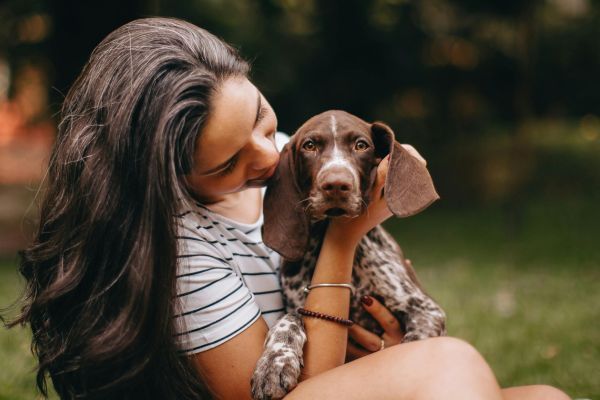
Well-socialised German Wirehaired Pointers can make playful and affectionate family companions and may live very successfully with children. Their energy and size mean interactions with young children should always be supervised, particularly while the dog is young and exuberant.
Their strong hunting instincts can make living with cats, rabbits and other small animals more challenging. Some dogs raised with cats learn to live peacefully with them, but individual prey drive varies and compatibility should never be assumed. Careful introductions and supervision are important.
German Wirehaired Pointer training and exercise
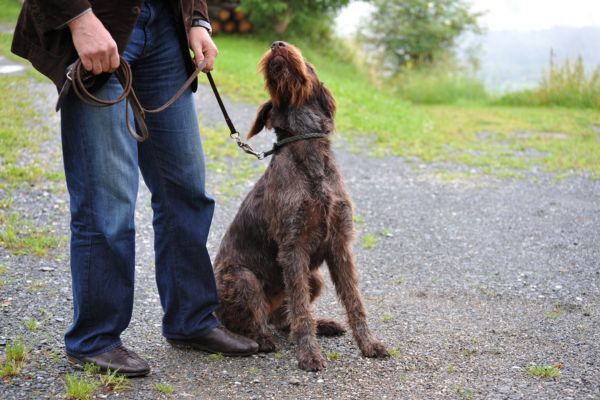
German Wirehaired Pointers are highly energetic working dogs that need substantial daily exercise and mental stimulation. Most healthy adults benefit from around 1.5–2 hours or more of activity across the day, depending on age, health and individual drive. Long walks, hiking, running, swimming, retrieving, scent work and dog sports can all provide valuable outlets for their stamina and natural working instincts.
They are highly intelligent and quick to learn but can also think independently, so training should be consistent, varied and reward-based. Recall is particularly important because their strong prey drive and scenting instincts can make wildlife extremely distracting. Early positive socialisation can also help them become confident and manageable around unfamiliar people, dogs and environments.
| Energy level | Very high: energetic working dogs bred for prolonged activity across varied terrain |
| Exercise requirements | Very high: generally around 1.5–2+ hours daily plus training and mental enrichment |
Common health issues for German Wirehaired Pointers
What do German Wirehaired Pointer owners claim for the most?
German Wirehaired Pointers are generally a healthy, long-lived breed, but they can be predisposed to several inherited and breed-related conditions affecting the joints, thyroid, eyes and blood clotting. Responsible breeding programs commonly include hip, elbow, cardiac, thyroid and eye screening.
- Hip dysplasia and elbow dysplasia: Abnormal development of the hip or elbow joints can cause pain, lameness and arthritis. Screening of both hips and elbows is recommended for breeding German Wirehaired Pointers.
- Autoimmune thyroiditis and hypothyroidism: Autoimmune thyroiditis can progressively damage the thyroid gland and eventually result in insufficient thyroid hormone production. Signs may include lethargy, weight gain and skin or coat changes, and affected dogs are generally managed with lifelong thyroid hormone medication. Thyroid screening is recommended for breeding dogs.
- Von Willebrand disease (vWD): This inherited bleeding disorder reduces the blood’s ability to clot normally. Affected dogs may experience prolonged bleeding following injury or surgery or spontaneous bleeding such as nosebleeds. DNA testing is available, and vWD testing is included as an optional breed-health test in the US and has recently received increased attention in UK breeding programs.
- Eye disorders: Conditions affecting the eyelids, retina and other parts of the eye can occur, which is why regular ophthalmologist screening is recommended for breeding dogs. Redness, pain, cloudiness or changes in vision should be assessed promptly by a veterinarian.
- Gastric dilatation-volvulus (GDV): As a relatively deep-chested, active breed, German Wirehaired Pointers can develop GDV, a life-threatening emergency in which the stomach becomes distended and may twist. A swollen abdomen, restlessness, repeated unsuccessful retching or collapse requires immediate veterinary attention.
Not all conditions are covered by Pet Insurance. For details of Bow Wow Meow Pet Insurance cover, refer to the Product Disclosure Statement.
How to choose the right insurance for your German Wirehaired Pointer
When comparing cover for your German Wirehaired Pointer, look for:

Cover for common German Wirehaired Pointer conditions:
Check that the policy covers conditions German Wirehaired Pointers can be prone to, including common health issues.

Cover for hereditary conditions:
No exclusions for hereditary or congenital conditions⑅.

Flexible cover options:
Options to adjust your annual benefit limit, reimbursement rate and excess.
Bow Wow Meow's Nose-to-Tail Cover offers flexible options for your German Wirehaired Pointer, with cover for accidental injuries, illnesses and hereditary conditions⑅. Get a quick quote for cover that suits your German Wirehaired Pointer and your budget.
German Wirehaired Pointer feeding and nutrition
German Wirehaired Pointers should be fed a complete and balanced diet appropriate for their age, body condition, activity level and health. Highly active working or sporting dogs may have substantially different calorie requirements from less active companions, so portions should be adjusted to maintain a lean, healthy body condition.
Because the breed can be susceptible to GDV, dividing the daily food allowance into two or more meals rather than feeding one large meal may be appropriate. Owners should also avoid allowing dogs to rapidly consume very large meals and should discuss individual feeding practices and GDV prevention with their veterinarian.
German Wirehaired Pointer care and grooming
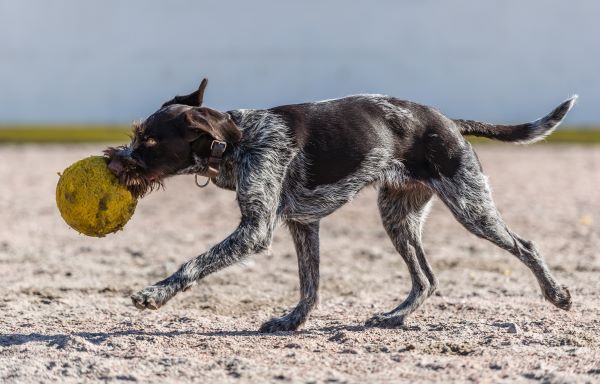
German Wirehaired Pointers have relatively straightforward grooming needs, but their harsh double coats require regular attention. Brushing once or twice a week helps remove loose hair, dirt and debris, while periodic hand-stripping can help maintain the correct harsh coat texture. They do shed, with the amount varying between individuals and seasons.
Their ears should be checked regularly, particularly after swimming, and kept clean and dry as needed. The feet and coat should also be checked for grass seeds, burrs and other debris after outdoor activity. Routine nail and dental care is important.
Size, appearance and coat of German Wirehaired Pointers
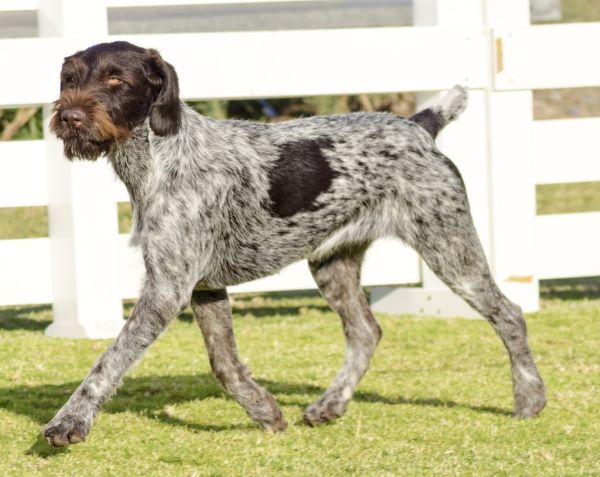
The German Wirehaired Pointer is a sturdy, athletic and well-muscled gundog built for strength, endurance and efficient movement. Its most distinctive features are a harsh, weather-resistant wire coat, pronounced eyebrows and a strong beard that gives the breed its characteristic rugged expression.
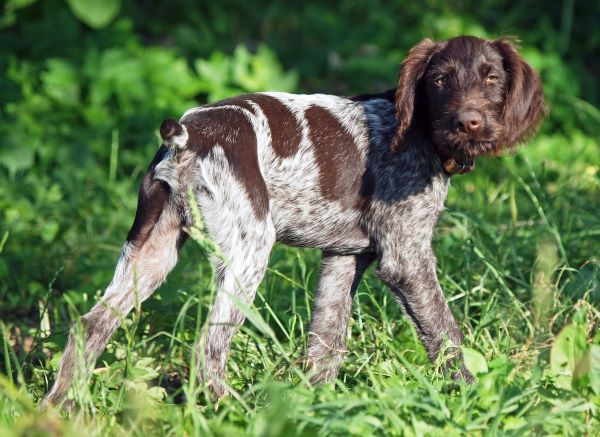
The outer coat is approximately 2–4 cm long, harsh, dense and close-fitting, with a water-resistant undercoat that helps protect the dog when working through rough vegetation and cold water. Recognised colours include brown roan and black roan with or without patches, solid brown with or without a white chest marking, and light roan.
| Weight range | Approximately 23–32 kg |
| Height range | Males 61-68 cm; females 57-64 cm |
| Colours | Brown roan, black roan, solid brown with or without a white chest patch, or light roan |
| Coat length | Medium: harsh, wiry and close-fitting, with the outer coat typically around 2–4 cm long and a dense undercoat |
Breed history of German Wirehaired Pointers
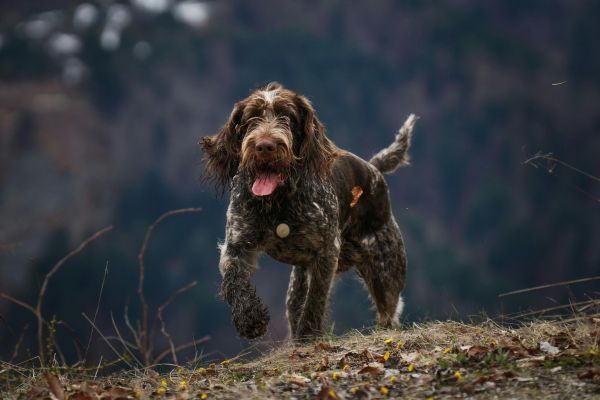
The German Wirehaired Pointer was developed in Germany during the late 19th and early 20th centuries, when hunters sought to create a single versatile gundog capable of finding, pointing, tracking and retrieving game on land and from water. Breeders also wanted a harsh, weather-resistant coat that could protect the dog while working through dense vegetation and cold conditions.
Several German and continental pointing breeds contributed to its development, with the Pudelpointer, Stichelhaar, Wirehaired Pointing Griffon and German Shorthaired Pointer commonly identified among its foundation stock. The resulting dog was expected to work before and after the shot in fields, forests and water rather than specialise in only one type of hunting.
The German term Drahthaar means “wirehair”. The name Deutsch-Drahthaar is closely associated with the breed’s German origins, although today it can also refer specifically to dogs bred within the German Verein Deutsch-Drahthaar performance-testing and breeding system, so the terms are not always completely interchangeable in modern working-dog circles.
Explore related breeds
German Wirehaired Pointer facts!
- German Wirehaired Pointers are happiest when they have a “job” to do — even if that job is simply fetching the newspaper or carrying something for their owner.
- They have a reputation for choosing a favourite person. German Wirehaired Pointers raised in a family usually bond with everyone, but many still develop an especially close attachment to one member of the household.
- Their shaggy beard and eyebrows aren’t just for looks. Together with their harsh coat, these features developed as part of a rugged working dog designed to push through thick vegetation and cope with difficult weather and terrain.
- Their coat works almost like a built-in outdoor jacket. It is dense and highly weather-resistant, helping German Wirehaired Pointers work through thorny cover, rain and even cold water.
- Owners often shorten the breed’s rather long name to “GWP” or simply “Wirehair”.
- German breeders deliberately wanted one dog that could do almost everything on a hunt rather than owning several specialists.
Summary
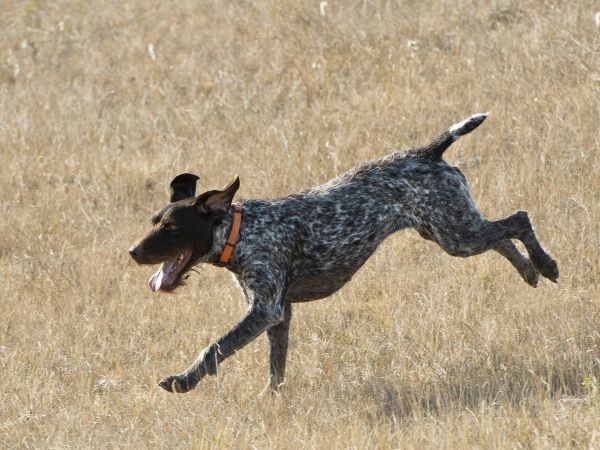
The German Wirehaired Pointer is a tough, energetic medium-to-large working dog with a distinctive wiry coat and shaggy eyebrows. Loyal, smart and fun-loving, it excels at finding and retrieving and is known for a playful, clownish side.
German Wirehaired Pointers are best suited to very active families that can provide a great deal of exercise and mental stimulation. They thrive with owners who enjoy training, outdoor activity and keeping a capable gundog busy.
FAQs about the German Wirehaired Pointer
They are generally affectionate, social dogs that can be excellent family companions for households able to meet their exercise and training needs.
Very high. They need substantial daily physical exercise plus training, problem-solving and other forms of mental stimulation.
Yes. They are highly intelligent and capable learners that usually respond very well to consistent, reward-based training and regular mental challenges.
They are generally low to moderate or moderate barkers, although barking can increase with boredom, excitement, anxiety or unfamiliar activity.
Yes. They generally shed a low to moderate or moderate amount and benefit from routine brushing.
They are generally better suited to homes with more space because of their size, energy level or working and guarding instincts, although individual circumstances vary.
Many can live happily with children and other pets when socialised from a young age, although individual temperament and compatibility always vary.
Potential health concerns include hip and elbow dysplasia, eye disorders, thyroid disease and gastric dilatation-volvulus.
Both are versatile German gundogs, but the German Wirehaired Pointer was developed separately using several wire-coated pointing breeds and has a harsh, weather-resistant double coat with distinctive eyebrows and a beard. German Wirehaired Pointers were particularly developed to work across fields, forests and cold water in difficult conditions, while German Shorthaired Pointers have a short, close coat and a somewhat different breeding history.
A German Wirehaired Pointer and a Deutsch-Drahthaar may look almost identical, but they aren’t quite interchangeable today. Deutsch-Drahthaars bred within the German VDD system must pass formal hunting-performance, temperament and physical evaluations before being approved for breeding.

Get 2 months free for your puppy!
Congrats on your new bundle of joy
To ensure your precious fur baby is covered from the start, we'd like to offer your first 2 months of our Nose-to-Tail Cover for free2!
Get a quick quote