
Is the Boston Terrier a good family dog?


Boston Terrier
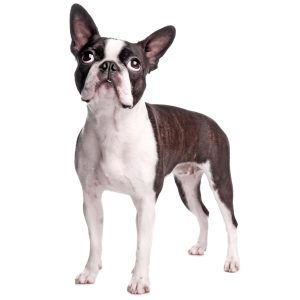
Boston Terriers are small, intelligent and lively companion dogs known for their distinctive tuxedo-like markings and expressive faces. Friendly, affectionate and adaptable, they enjoy being closely involved in family life and need regular interaction, moderate exercise and mental stimulation.
| Recommended for | Families, singles and seniors, suitable for apartments |
| Breed Classification | Non Sporting |
| Other names | American Gentleman |
| Lifespan | Approximately 12-14 years |
| Size | Small |
| Temperament | Friendly, affectionate, lively, gentle |
| Intelligence | High: responsive dogs that generally learn quickly and enjoy interactive training |
| Tendency to bark | Low to moderate: generally quiet, but may bark to alert their owners or when excited |
| Maintenance Level | Low coat maintenance; regular eye, dental and breathing-health monitoring required |
| Health Risk | Boston Terriers can be prone to BOAS, patellar luxation, corneal and other eye conditions, cherry eye and congenital deafness. Their short, flat muzzle means owners need to take particular care with breathing health and exercise in warm weather. |
Thinking of insuring a Boston Terrier?
Explore the Top 5 health issues claimed for Boston Terriers, including highest claims paid and how much pet insurance could help you save on eligible vet bills.
See Boston Terrier pet insurance Ready to get cover? Get a quick quote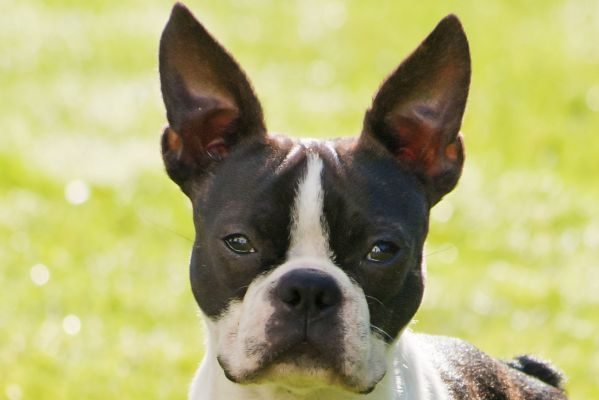
Boston Terrier personality and temperament
Boston Terriers are typically friendly, lively and affectionate dogs that enjoy being closely involved with their families. Their playful, sociable nature makes them adaptable companions, while their intelligence and responsiveness generally make them engaging dogs to train and interact with.
Most Bostons enjoy attention and companionship and may not cope well with being routinely left alone for long periods. They can adapt successfully to city apartments or larger homes provided they receive regular interaction, exercise and enrichment. Individual temperament varies, so early socialisation remains important.
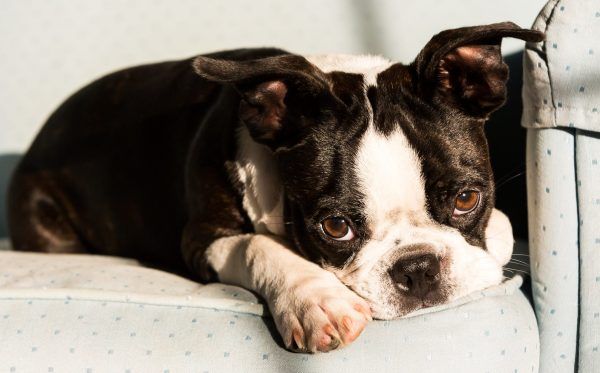
Boston Terriers with kids and other pets
Well-socialised Boston Terriers can make affectionate and playful family companions and often enjoy interacting with children. Because they are small dogs with prominent eyes and relatively compact bodies, young children should be taught to handle them gently and interactions should always be supervised.
Boston Terriers can also live successfully with other dogs and pets when appropriately introduced and socialised. Individual compatibility varies, so introductions to cats and smaller animals should be gradual and supervised rather than assuming every Boston will automatically accept every pet.

Boston Terrier training and exercise
Boston Terriers are lively, playful dogs with moderate exercise needs. Most healthy adults benefit from around 30–60 minutes of daily activity, which can be divided between walks, play and interactive games. Puzzle toys, trick training and other mentally stimulating activities can also help keep these intelligent dogs engaged. The Royal Kennel Club gives a general guide of up to one hour per day.
Because Boston Terriers are brachycephalic, they may have difficulty cooling themselves efficiently and can be more susceptible to breathing problems and overheating. Exercise should be reduced during hot or humid weather, with walks scheduled for cooler parts of the day. Stop activity if your dog develops noisy or laboured breathing, unusual fatigue or distress, and seek veterinary advice. Severe breathing difficulty or collapse requires emergency veterinary care.
Bostons are intelligent and generally respond well to patient, positive reinforcement-based training. Early socialisation and short, engaging training sessions can help develop confidence and good manners.
| Energy level | Medium to high: lively and playful, with energetic bursts |
| Exercise requirements | Moderate: around 30–60 minutes per day for most healthy adults, with exercise adjusted for heat, breathing ability, age and health |
Common health issues for Boston Terriers
What do Boston Terrier owners claim for the most?
Boston Terriers can be predisposed to several health problems associated with their flat-faced anatomy, prominent eyes and inherited breed traits.
- Brachycephalic obstructive airway syndrome (BOAS) can affect Boston Terriers because of their shortened muzzle and upper-airway anatomy. Affected dogs may have noisy or difficult breathing, snoring, reduced exercise tolerance and an increased risk of overheating. Severity varies considerably between individuals, and more severely affected dogs may require surgery.
- Patellar Luxation occurs when the kneecap slips out of its normal position. It can cause intermittent skipping or lameness and, in more severe cases, pain and arthritis.
- Eye conditions are particularly important because Boston Terriers have large, prominent eyes that are vulnerable to both inherited disease and injury. Problems can include corneal ulcers, cataracts, glaucoma and dry eye. Squinting, holding an eye closed, rubbing the face or sudden changes in the eye’s appearance warrant prompt veterinary assessment.
Before choosing a puppy, ask for documented specialist eye examinations, patellar assessments and BAER hearing-test results, together with relevant testing for early-onset hereditary juvenile cataracts. Ask how the breeder assesses breathing function in the parents, and have any concerns explained by your vet.
- Cherry Eye is a prolapse of the tear-producing gland of the third eyelid, appearing as a pink or red lump near the inner corner of the eye. Persistent cases are usually treated by surgically repositioning and preserving the gland; removal is generally avoided because it increases the risk of chronic dry eye.
- Congenital deafness can affect one or both ears in Boston Terriers. BAER testing can identify hearing loss in puppies and is included in the breed club’s recommended health-screening program.
Not all conditions are covered by Pet Insurance. For details of Bow Wow Meow Pet Insurance cover, refer to the Product Disclosure Statement.
How to choose the right insurance for your Boston Terrier
When comparing cover for your Boston Terrier, look for:

Cover for common Boston Terrier conditions:
Check that the policy covers conditions Boston Terriers can be prone to, including common health issues.

Cover for hereditary conditions:
No exclusions for hereditary or congenital conditions⑅.

Flexible cover options:
Options to adjust your annual benefit limit, reimbursement rate and excess.
Bow Wow Meow's Nose-to-Tail Cover offers flexible options for your Boston Terrier, with cover for accidental injuries, illnesses and hereditary conditions⑅. Get a quick quote for cover that suits your Boston Terrier and your budget.
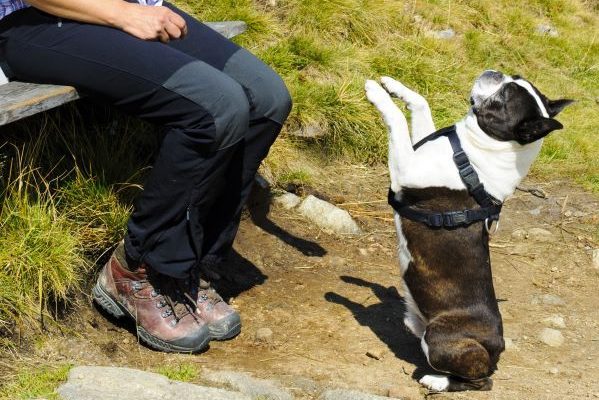
Boston Terrier feeding and nutrition
Boston Terriers should be fed a complete and balanced diet appropriate for their age, body condition, activity level and health. Their food intake should be measured and adjusted as needed to maintain a healthy weight, as excess weight can place additional strain on the joints and can worsen breathing difficulties in brachycephalic dogs.
Treats should form only a small part of the daily diet, particularly when they are frequently used during training. Speak to your vet if you have concerns about your Boston Terrier’s weight, diet or individual nutritional requirements.
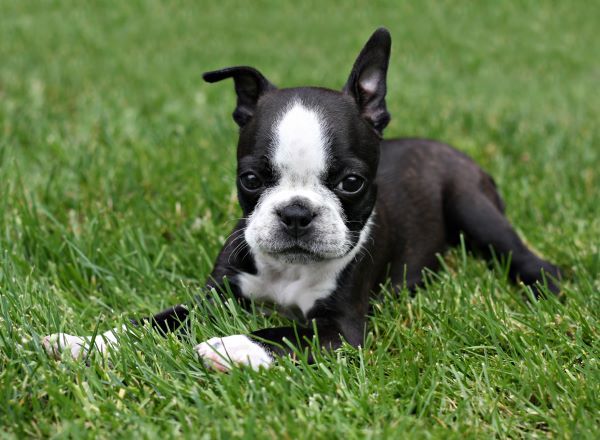
Boston Terrier care and grooming
Boston Terriers have a short, smooth coat with relatively low grooming requirements. They do shed, generally at a moderate level, and weekly brushing can help remove loose hair and keep the coat in good condition. They do not normally require clipping or professional coat grooming.
Bathing can be done as needed rather than according to a fixed schedule. Their prominent eyes should be checked regularly for redness, discharge, cloudiness or signs of injury, while routine dental, nail and ear care is also important.
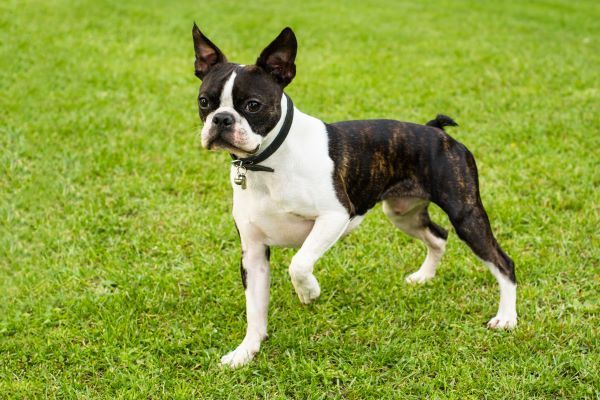
Size, appearance and coat of Boston Terriers
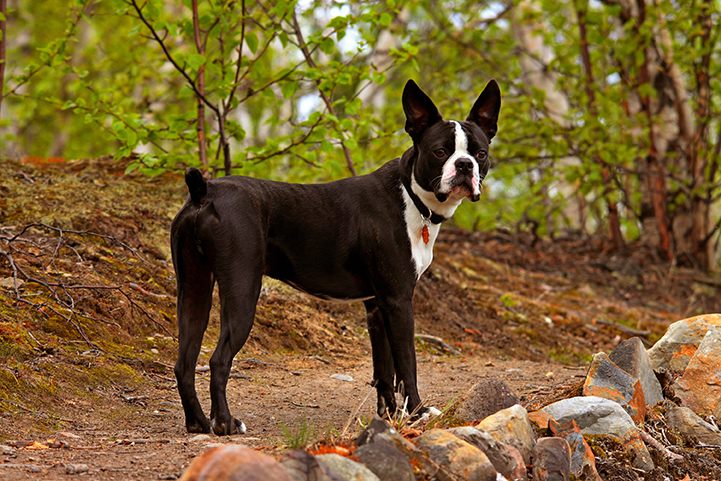
The Boston Terrier is a small, compact and well-balanced dog with a characteristic square head, short muzzle, large round dark eyes and small erect ears. Its body is sturdy and athletic without appearing heavy, while the naturally short tail may be straight or screw shaped. Docked tails are not permitted under the Dogs Australia breed standard.
The coat is short, smooth and fine and occurs in brindle, seal or black with distinctive white markings. “Seal” appears black under normal light but develops a reddish cast in bright sunlight. Required white markings under the breed standard include a white muzzle band, blaze between the eyes and white forechest.
| Weight range | Approximately 5–11.4 kg |
| Height range | Approximately 38–43 cm |
| Colours | Brindle, seal or black with white markings |
| Coat length | Short, smooth and fine |
Breed history of Boston Terriers
The Boston Terrier was developed in and around Boston, Massachusetts, during the second half of the 19th century. One of the breed’s most important foundation dogs was Hooper’s Judge, a dark brindle dog imported from England and believed to have been a cross between an English Bulldog and the now-extinct White English Terrier. Judge and a smaller female known as Burnett’s Gyp produced descendants that became the foundation of the modern breed.
Early dogs were known by names including Round Heads and American Bull Terriers. As enthusiasts developed a more consistent type, the Boston Terrier Club of America was formed in 1891 and the dogs were renamed after the city where the breed had developed. The American Kennel Club formally recognised the Boston Terrier in 1893.
Over subsequent decades, breeders selected for the compact, square appearance, distinctive markings and friendly companion temperament recognised today. The Boston Terrier became enormously popular in the United States during the early 20th century and remains one of the best-known American-developed breeds.
Explore related breeds
Boston Terrier facts!
- Boston Terriers were among America’s most popular breeds during the early 20th century.
- The Boston Terrier became the official state dog of Massachusetts in 1979.
- A “seal” Boston Terrier can look black indoors but show a reddish tint in bright sunlight.
- Boston Terriers are born with naturally short tails; docking is actually a disqualification under the Dogs Australia breed standard.
- Hooper’s Judge, the foundation sire behind almost all modern Boston Terriers, weighed around 14.5 kg—considerably larger than today’s breed standard allows.
- Boston University has used a Boston Terrier as its mascot since 1922, when students chose the dog over a bull moose.
Summary
Boston Terriers are affectionate, intelligent and playful small dogs that enjoy companionship and involvement in family life. They can adapt well to apartments or houses when provided with regular interaction, moderate exercise and reward-based training.
Their short coats are easy to maintain, but their flat-faced anatomy and prominent eyes require particular care. Owners should be prepared to monitor breathing and eye health, maintain a healthy weight and adjust activity during warm weather.
FAQs about the Boston Terrier
Well-socialised Boston Terriers can make affectionate, playful family companions. Their small size and prominent eyes mean children should be taught to handle them gently, and interactions with young children should always be supervised. They suit households able to provide regular companionship, appropriate activity and ongoing health care.
Most healthy adult Boston Terriers benefit from around 30–60 minutes of daily activity, divided between walks, play and interactive games. Adjust this to your dog’s age, fitness, health and breathing ability. Avoid strenuous activity in hot or humid weather, and stop if your dog shows breathing difficulty, unusual fatigue or distress.
Generally yes. They are intelligent and usually respond well to positive, consistent training, particularly when sessions are engaging and rewarding.
Boston Terriers are generally low to moderate barkers, although individual dogs vary. They may bark to alert their owners or when excited, bored or anxious. Regular companionship, enrichment and reward-based training can help manage unwanted barking.
Boston Terriers shed despite having short, smooth coats. Weekly brushing helps remove loose hair and keep the coat in good condition, with more frequent brushing if needed during heavier shedding. Their coats do not usually require clipping or professional grooming.
Yes, they can adapt well to apartment living provided they receive sufficient daily exercise, mental stimulation and companionship.
Many Boston Terriers live happily with children, other dogs and cats when appropriately socialised and introduced. Supervise interactions with young children and teach gentle handling. Compatibility varies between individual animals, and smaller pets need secure accommodation and careful management.
Boston Terriers can develop brachycephalic obstructive airway syndrome (BOAS), eye conditions such as corneal ulcers and cataracts, patellar luxation and congenital deafness. Ask breeders about relevant breathing, eye, knee and hearing assessments, and speak to your vet about any concerning symptoms.
Boston Terriers can struggle in hot or humid weather, particularly if they have breathing problems. Schedule walks for cooler conditions, avoid strenuous activity and provide a cool resting area and fresh water. Severe breathing difficulty, weakness or collapse requires emergency veterinary care.
Boston Terriers may snore because their shortened muzzle and upper-airway anatomy can restrict airflow during sleep. Snoring should not automatically be dismissed as harmless because of their breed. Discuss persistent snoring with your vet, especially if it accompanies disturbed sleep, noisy breathing when awake or difficulty exercising.
MORE INFORMATION
Boston Terrier Club of NSW Inc: https://bostonterrierclubnsw.com.au/
Queensland Boston Terrier Club: http://www.qldbostonterrierclub.com/
Boston Terrier Club of America: https://bostonterrierclubofamerica.org/

Get 2 months free for your puppy!
Congrats on your new bundle of joy
To ensure your precious fur baby is covered from the start, we'd like to offer your first 2 months of our Nose-to-Tail Cover for free2!
Get a quick quote