Anal sac impaction in dogs

Summary
Anal sacs in small dogs can commonly become impacted or infected, leading to development of abscesses. Typical signs include scooting, licking the anus and metallic odour, following a recent bout of diarrhoea. Treatment usually consists of an anal sac flushes performed under general anaesthesia. Regular emptying of anal glands, weight loss, identifying allergic triggers, a high-fibre diet and exercise can help prevent recurrences.
What is anal sac impaction?
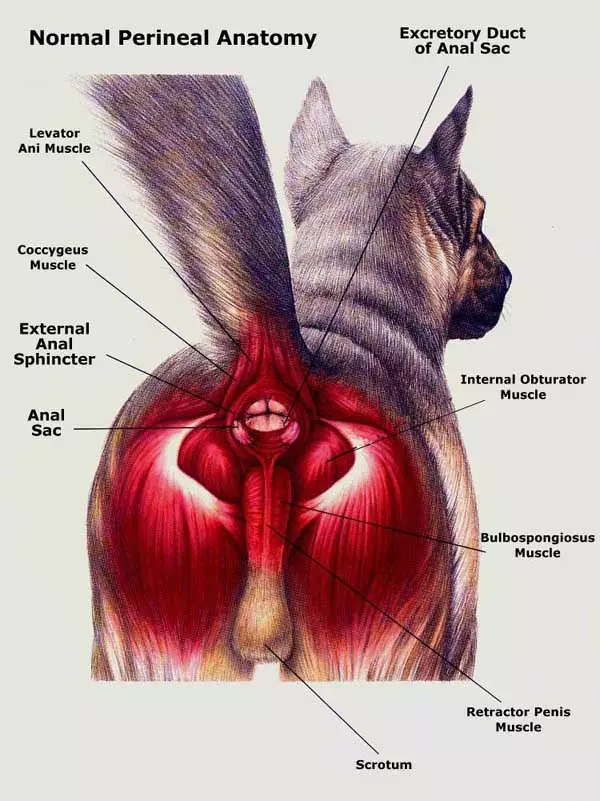
The anal sacs, also called ‘anal glands’, are two small pouches located on either side of, and slightly below, the dog’s anus. Each sac is connected by a tiny duct to an opening just inside the anus.
The anal sacs are lined with numerous specialised sebaceous (sweat) glands that secrete a smelly, oily, brown fluid that is stored in the anal sacs. Some of these fishy, metallic -smelling yellow-brown secretions are released through the ducts when the dog defecates. The pungent smell is unique to every dog, male and female, and is used to mark the animal’s territory, which may explain why dogs are interested in smelling one another’s anuses and faeces.
Anal sac impaction or infection is the most common disorder of the anal region in dogs. The anal sacs may become impacted, inflamed, infected, abscessed or in rare cases, neoplastic (cancerous). Small breeds such as Cavalier King Charles Spaniels, Miniature Poodles, Toy Poodles and Chihuahuas are predisposed to these conditions, while the large or giant breeds are seldomly affected.
Expert advice from Dr Felicia:
The prevalence of anal sac disease in small breed dogs likely is a combination of a relatively smaller size duct, with higher likelihood of blockage when that duct becomes inflamed, as well as a higher proportion of these dogs having allergies or bring prone to soft stools.
Impaction of the anal sacs
The anal sacs frequently become impacted, or blocked from altered anal secretions, resulting in inflammation of the ducts. Within the impacted sacs, the secretion will thicken into a pasty, brown substance and the sacs will become hard, swollen and distended, making defecation painful.
Infection and abscess of the anal sacs
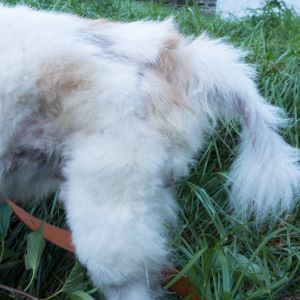
The thickened secretions within the anal sacs are an ideal medium for bacterial growth, resulting in infection and the formation of abscesses. An abscess will appear as a painful, red, hot swelling on one or both sides of the anus. If the abscess ruptures, it will release greenish-yellow or bloody pus. Anal gland abscesses that remain untreated or respond poorly to medical management over time may require surgery.
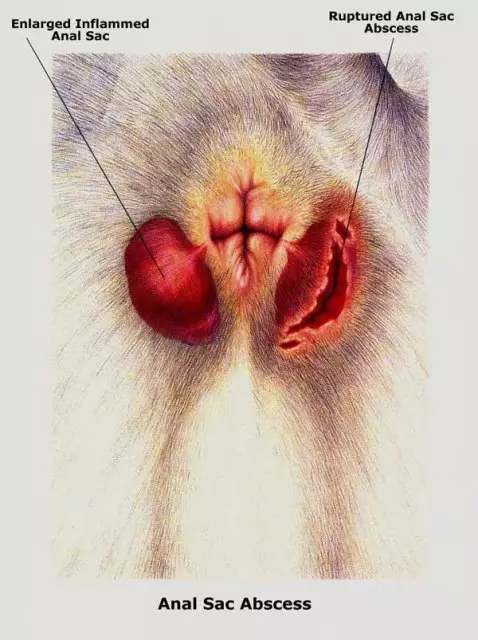
Other problems relating to the anal sacs
Some dogs typically release the contents of their anal sacs when frightened. Some dogs appear to lack control of the anus or anal sac ducts so that small quantities of fluid will drain out when they are resting, leaving an unpleasant lingering odour in the home.
Expert advice from Dr Felicia:
The leakage of blood tinged anal gland fluid from a burst abscess can often be mistaken for bleeding from the anus, but on examination at the clinic is seen to be coming from a different location.
Cost of anal sac treatment for dogs
Anal sac disorder was one of the most common health issues experienced by dogs in 2022, according to PetSure claims data. They were most prevalent in smaller dog breeds.
Claims data for anal sac disorder |
Average cost of treatmentØ |
Highest cost of treatmentØ |
| Dogs | $260 | $11,021 |
ØBased on PetSure claims data, 2022 calendar year. Reimbursement for these claims under a pet insurance policy would be subject to limits, such as annual benefit limits or sub-limits, benefit percentage, applicable waiting periods and any applicable excess. Cover is subject to the policy terms and conditions. You should consider the relevant Product Disclosure Statement or policy wording available from the relevant provider. Please note that values calculated are based on all claims for that condition and medically related conditions in each calendar year.
Because it is difficult to predict the costs of veterinary care, it can help to have measures in place to help prepare for the unexpected. Pet insurance can help by covering a portion of the eligible vet bill if the unexpected does happen.
Get a quote for 2 months free pet insurance for your puppy or kitten in their first year.
Symptoms of anal sac impaction in dogs
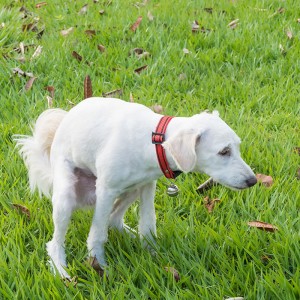
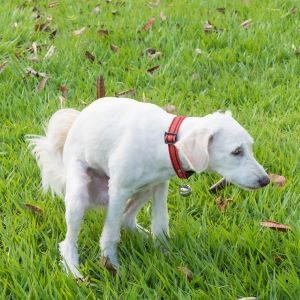
The first sign of an anal sac impaction is often scooting or dragging the bottom along the ground. In some cases, the dog has an episode of diarrhoea or digestive upset a week or two before the clinical signs of anal sac disease became evident. Anal sac disease is very painful, and even normally gentle dogs may snap or growl if you touch the tail or anus.
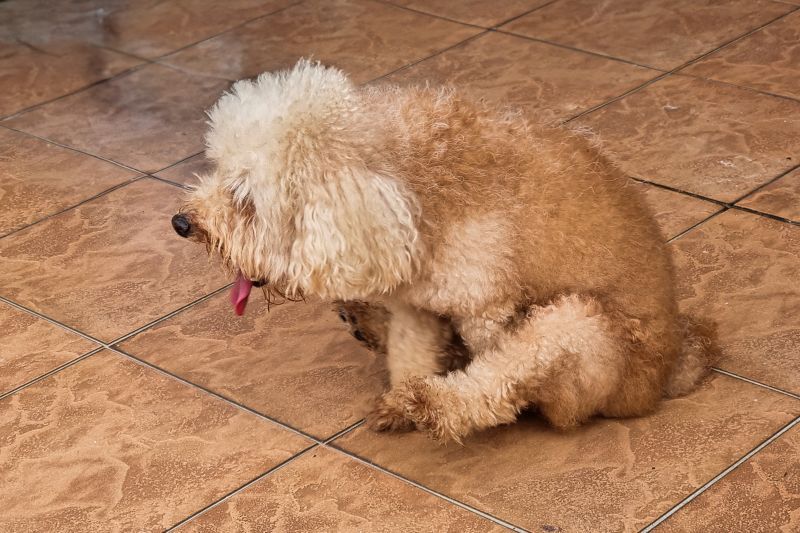
Signs of an anal sac impaction are:
- Sliding or scooting the bottom on the floor to relieve itchiness
- Constant licking and biting of the anus or base of the tail
- A fishy, metallic odour
- Straining to defecate
- Tail chasing
- Discharge of pus
- If the anal sac ruptures, blood or pus draining from the rectum
- Obvious constipation
Expert advice from Dr Felicia:
Dogs with anal sac impaction/infection typically present with an acute onset of quite frantic licking and discomfort around the back end, affecting their desire to eat and ability to sleep. Occasionally patients present with less-specific signs of general discomfort and malaise.
Causes of anal sac impaction in dogs
It is often difficult to determine why some dogs develop an anal sac impaction. Failure of the sacs to expel the fluids during defecation, poor muscle tone in the anal region, and over-secretion by the glands can all lead to retention of fluids within the anal sacs. This retention may predispose the dog to inflammation, bacterial overgrowth and infection. Each impaction may cause further scarring and narrowing of the ducts, leading to more frequent recurrences.
Overweight and obese dogs tend to have chronic anal sac problems because their anal sacs do not empty properly, possibly because the extra body fat they carry in the anal region reduces the pressure that passing faeces applies to the anal sacs. Some dogs may be born with very narrow ducts that drain the anal sacs.
An underlying food allergy or insufficient fibre intake are two areas that may contribute to development of anal sac issues.
While any breed can suffer an anal sac disorder, smaller breeds, such as Cavalier King Charles Spaniels, Miniature Poodles, Toy Poodles, Miniature Schnauzers, Lhasa Apsos and Chihuahuas appear to have an increased risk. It does not appear to occur as frequently in large and giant breeds. There is no age or sex predisposition.
Expert advice from Dr Felicia:
The vast majority of patients I see in practice for anal gland impaction would be small breed dogs, primarily Cavalier King Charles Spaniels, Miniature Poodles and their crossbreeds, especially Cavoodles.
Possible predisposing factors for anal sac disorders may include:
- Recent soft faeces
- Diarrhoea
- Excessive glandular secretions
- Poor anal muscle tone
- Retained secretions
- Chronically loose stools, which may be caused by a poor diet
- Lack of exercise
- Obesity
- Food allergy
- Flea allergy dermatitis
- Parasitic diseases
How is anal sac impaction in dogs diagnosed?
Diagnosis of an anal sac impaction usually entails a complete physical examination and an account of the dog’s history, symptoms and factors that might have precipitated the condition.
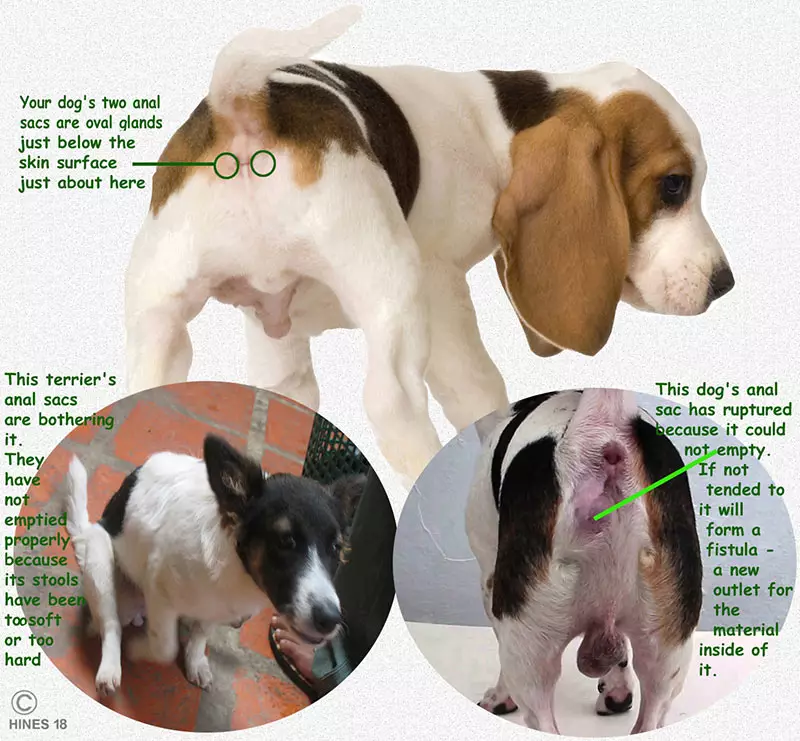
A digital rectal examination is usually performed by the veterinarian to determine if the glands are impacted or infected. If so, the normally clear or pale yellow-brown secretion will present as a thick, pasty brown substance. Abscessed anal sacs will contain a red-brown fluid and show signs of swelling and redness. If a digital exam is too painful for your dog, a visual examination may be sufficient, particularly if the abscess has already ruptured. A sample of the anal sac secretion may be examined under the microscope by your vet.
Unsure how serious it is?
Bow Wow Meow policyholders can get access to trusted vet care anytime, anywhere, at no additional cost. Connect to an experienced Australian registered vet via video call, 24/7. Whether it’s providing vet advice, setting up at-home treatment plans, or confirming if you need to visit a vet in person, you can get help when you need it.
Find out more about our pet insurance cover options.
Prognosis
Most anal sac impactions in are not especially serious and are not hard to diagnose, especially since the area involved is so isolated and accessible.
Some dogs will have recurrent anal sac impactions or abscesses. For dogs suffering from chronic or recurrent anal sac infection or impaction, surgical removal of the anal sacs may be the only way, and last resort, to relieve the dog’s pain.
Treatment for anal sac impaction in dogs
Treatment for impacted anal sacs depends on the severity of the condition and whether or not there is an identifiable underlying cause.
Impacted anal sacs can be relieved by manually expressing or emptying the sacs by squeezing the glands. If the impaction is severe or if there is an infection or abscess, it is usually necessary to flush out the affected sac to remove the solidified material. Abscessed anal sacs will be lanced and drained. The anal sacs will then be cleaned and flushed, and antibiotics infused into them. Anal gland flushes are generally performed under heavy sedation or anaesthetic.
Oral antibiotics are usually prescribed and most dogs require pain relief medications for several days until the swelling and inflammation have subsided. A recheck is usually performed one week after an anal gland flush procedure to confirm the infection/abscess is resolving and the anal sac duct remains patent.
Expert advice from Dr Felicia:
It is important that the underlying cause of anal sac disease be addressed, if possible. This may look like diet modification, addition of supplements to the diet or identification and removal of allergic triggers. Some dogs may benefit from regular emptying of the sacs to ensure they don’t ‘overfill’ every 2-3 months.
Some dogs will have recurrent anal sac impactions or abscesses despite these measures. If this condition recurs frequently, causing chronic pain and suffering, and in advanced or severe cases, surgical removal of the sacs may be recommended. Removal of the anal sacs is a delicate and specialised surgery requiring general anaesthesia.
Ongoing management:
- Follow up appointments will be required as necessary.
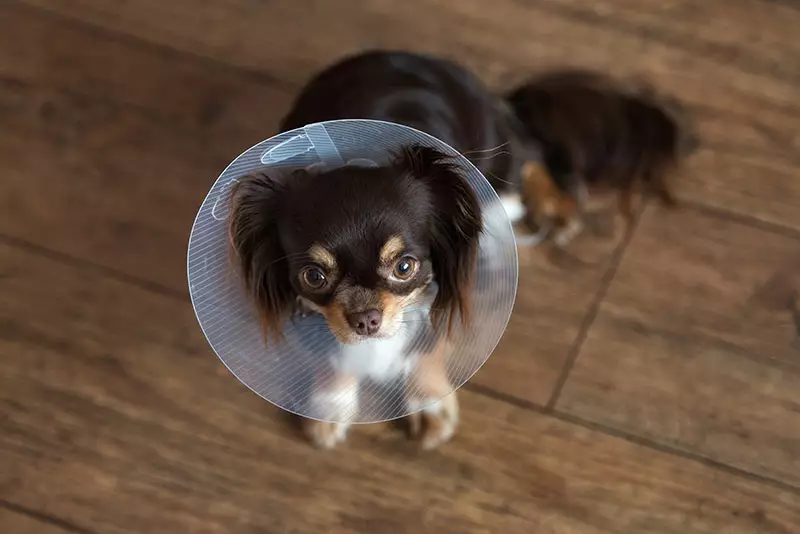
- An Elizabethan collar may be required to prevent licking at the wound.
- A high fibre diet and increased exercise may be recommended.
- Owners may be shown how to express blocked anal glands at home.
In conclusion
Dogs have two small pouches on either side of their anus which produce a smelly, oily, brown fluid that they use to identify each other and mark their territory. An anal sac disorder begins as an uncomfortable impaction of the anal sacs and can develop into to a painful infection or abscess. A bad smell, licking or biting at the anal area and scooting are common signs of these conditions.
The vet will perform a rectal examination and evaluate the contents of the anal sacs grossly (‘by eye’) or under the microscope. Treatment entails manually expressing, or emptying, the impacted anal sacs to provide relief. A severe impaction or infection will be flushed out and antibiotics are usually prescribed. Weight loss and a diet high in fibre may be recommended to prevent recurrences. Surgery may be a last resort in severe and chronic cases.
Bow Wow Meow Pet Insurance can help protect you and your dog should an unexpected trip to the vet occur.
-
Find out more about our dog insurance options
-
Get an online pet insurance quote
Bow Wow Meow is proud to have been awarded winner of Canstar’s ‘Most Satisfied Customers’ Award in the Pet Insurance category for both 2024 and 2025!
Bow Wow Meow is proud to be the only Pet Insurer that has been awarded Product Review’s Top Rated Pet Insurance every year from 2018 to 2026! This is based on 3,193 independent customer reviews (as at 09/04/2026), with an overall rating of 4.5 stars.

We also have the following ratings on other review platforms:
Google Review rating of 4.5 stars (based on 1,358 reviews)
Trust Pilot rating of 4.6 stars (based on 555 reviews)
Bow Wow Meow has been chosen as Winner of 4 categories in the 2026 Finder Pet Insurance Customer Satisfaction Awards!

– Most Trusted Pet Insurance
– Easiest to Claim Pet Insurance
– Most Recommended Pet Insurance
– Legendary Service Pet Insurance
We also received Highly Commended Awards for Loved Brand Pet Insurance and Best Value Pet Insurance.
Bow Wow Meow is an Australian-owned and operated pet insurance provider. Our focus is purely on pets, and we are proud to have helped provide peace of mind to over 200,000 Aussie pet owners since 2008.