Dog Constipation

Summary
Constipation in dogs may stem from dehydration, low fibre, swallowed bone fragments, pain or underlying disease. Signs include straining, small dry stools or lethargy. Encourage water intake, gentle exercise and a vet approved diet. Avoid over the counter human laxatives unless advised. Seek veterinary care for distress when attempting to defecate, repeated episodes, blood, vomiting or abdominal discomfort.
What is constipation in dogs?
Dogs usually pass about one or two stools a day, though it is not uncommon for some dogs to go a couple of days without a bowel movement. Constipation occurs in most dogs at one time or another, and fortunately most cases are not serious and can be treated quite easily.
Symptoms of dog constipation
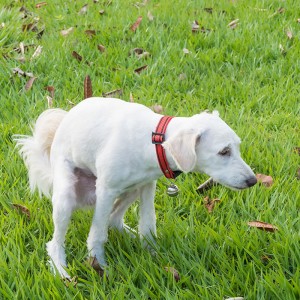
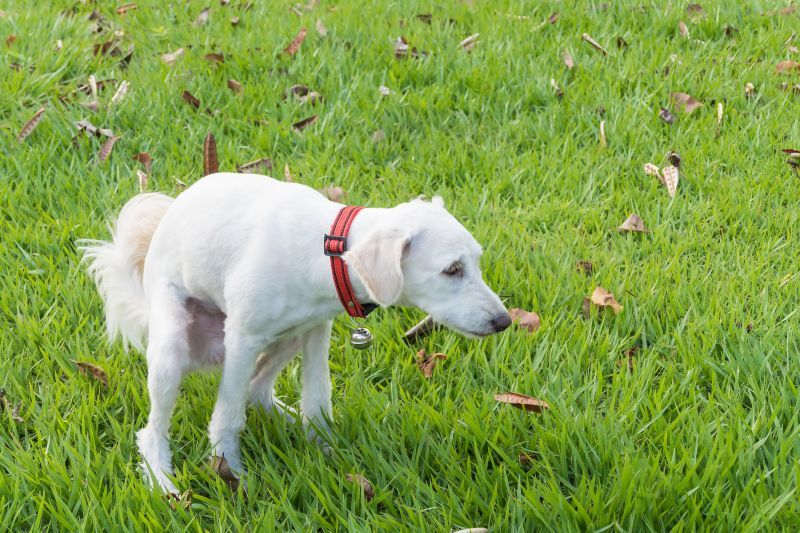
- Tenesmus: non-productive bowel movements which cause the dog to strain
- Abnormal Faecal Matter: often the stools produced by constipated dogs are small, hard, dry, and a small amount of liquid or mucus discharge may follow after attempts at defecation.
- Painful Defecation: constipated dogs may experience pain when having a bowel movement or soreness, redness and swelling around the anus.
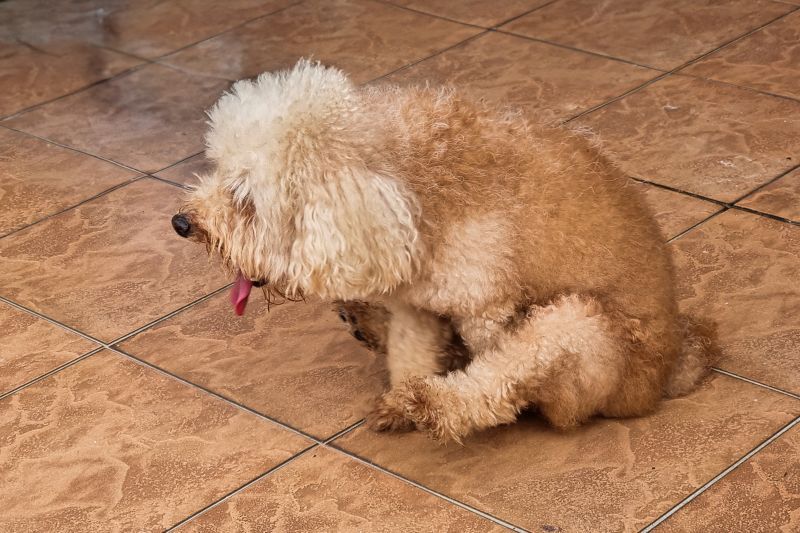
- Scooting: dogs often scoot when experiencing anal discomfort to try and relieve the pain.
- Lack of Appetite: dogs suffering constipation may not have a large appetite because of being unable to have a bowel movement. This can lead to weight loss.
- Behavioural Changes: constipated dogs may be more lethargic or depressed than usual due to the discomfort.
- Bloating: dogs may experience abdominal bloating and discomfort as a result of constipation.
- Intermittent Vomiting: affected dogs can vomit occasionally in an attempt to relieve the discomfort.
Expert advice from Dr Felicia:
Truly constipated dogs are very distressed and frequently trying to pass faeces, often crying out. Their anus may look very red and irritated from all the straining.
Causes of constipation
Dogs may defecate less frequently for many different reasons. The most innocuous of these reasons may be due to a more digestible diet being fed compared to before. Dogs may need to defecate less frequently on a ‘low residue’ diet or if they have recently had a bout of diarrhoea so have less foodstuff moving through their gut. As long as your dog seems happy and comfortable this is not a cause for concern.
Constipated dogs seem distressed and will normally repeatedly strain while only very small amounts of faeces or mucous are passed. Sometimes dogs with colitis can be confused for constipation, and a physical with a rectal examination cause quickly differentiate the two, as dogs with colitis have no obstruction but are straining due to inflammation in their colon. Truly constipated dogs that are straining and struggling to pass faeces usually have eaten a bone or large quantities of sand, causing their faeces to be more hard than usual and difficult to pass.
Unsure how serious it is?
Bow Wow Meow policyholders can get access to trusted vet care anytime, anywhere, at no additional cost. Connect to an experienced Australian registered vet via video call, 24/7. Whether it’s providing vet advice, setting up at-home treatment plans, or confirming if you need to visit a vet in person, you can get help when you need it.
Find out more about our pet insurance cover options.
Other reasons for dogs to be constipated may be related to an underlying disease such as kidney disease, predisposing them to dehydration which often leaves their faeces too dry and hard to pass. Older dogs may become constipated due to underlying back or leg pain impacting their ability to squat properly to defecate. Finally a concerning anatomical reason for straining to defecate in a dog may be due to prostatic growths or rectal masses. Your vet, with your help will likely be able to work out which is the most likely in your dog to come up with a suitable plan moving forward.
Diagnosis of dog constipation
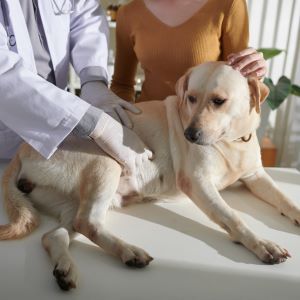
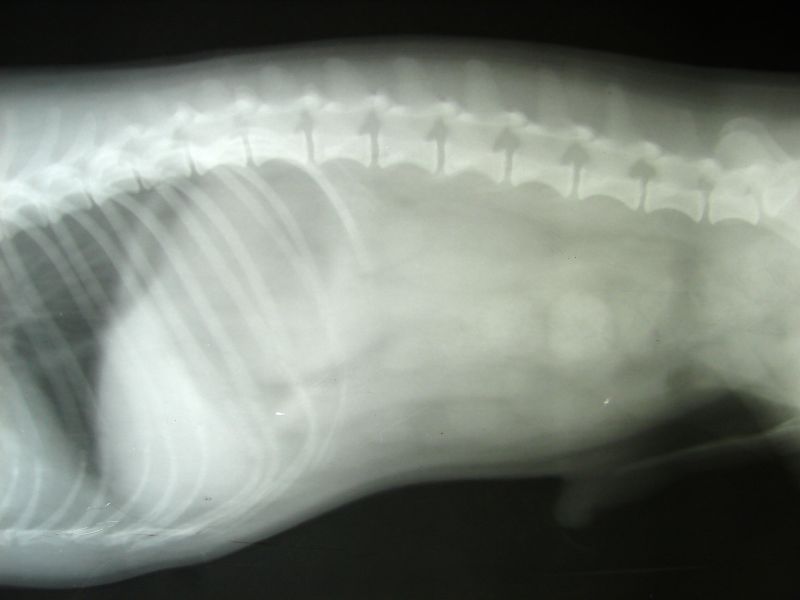
Serious cases of constipation will need to be assessed by a vet. Your vet may conduct a full physical examination of the dog with additional tests including a blood chemical profile and blood count, electrolyte analysis and urinalysis. X-rays may be required to determine the severity of impaction.
Expert advice from Dr Felicia:
A rectal examination during the physical examination will determine whether true constipation is present and if there are potentially anatomic abnormalities contributing, e.g. enlarged prostate.
Treatment of dog constipation
For mild cases of constipation, stool softeners, lubricant and diet alteration (e.g. increasing fibre intake) can be good measures to take to improve the dog’s condition.

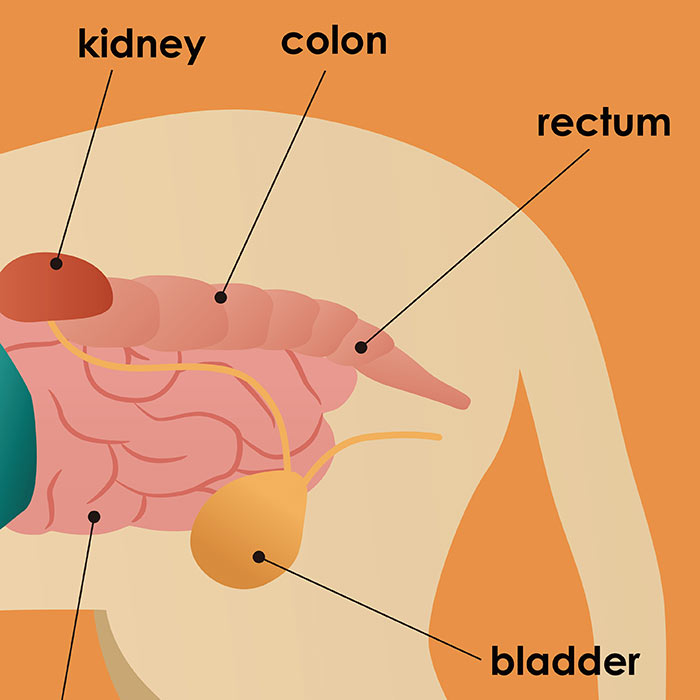
Treatment of obstipation (chronic constipation) is a little more complex. Since it causes the colon to become filled with large amounts of hard faecal matter, affected dogs are unable to empty their bowels on their own and are extremely uncomfortable. Moderately affected dogs may be placed on IV fluids to help hydrate them or be given an enema to help clear the colon. Severe cases may require the dog to be placed under general anaesthetic so the vet can perform a more thorough enema and extraction of faeces. Surgery may also be required if obstipation is caused by a pelvic fracture.
Expert advice from Dr Felicia:
Enemas are often required by the time a dog is constipated since they are unable to pass the faeces on their own and in some pain. Chronically constipated patients due to underlying health issues are better candidates for stool softens if the constipation is mild.
Prevention
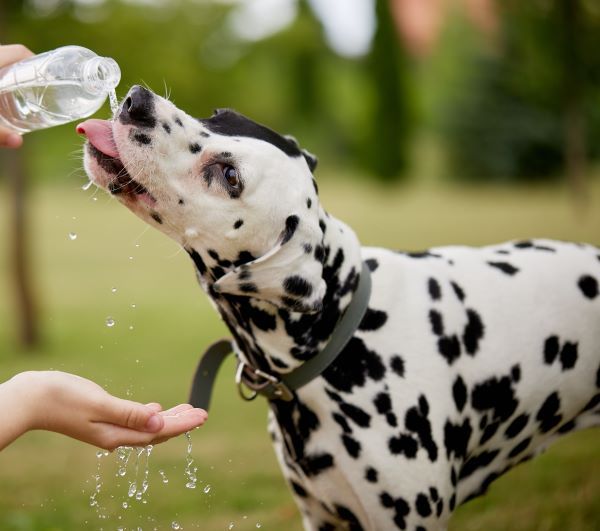
The best way to prevent constipation is to ensure your dog is very well hydrated, while feeding your dog a fibre-rich diet can go a long way to regulating bowl movements and preventing constipation.
If you suspect constipation, a laxative may be given to help soften the stool. Desexing male dogs can also help prevent constipation due to growth of the prostate.
Interesting facts
- Constipation can affect all dogs, though it most commonly occurs in young, growing medium-to-large-sized dogs.
- Dogs that lick their fur excessively may develop fur balls, which can cause colon blockages. Finding and treating the cause of the licking is the best way to prevent this.
- Keep dogs away from small, hard objects such as rocks and kids’ toys since they could cause a blockage in the digestive tract and may require surgical removal.
- Certain medications can cause temporary constipation, but vets who are aware of the side effects may prescribe a stool softener.
- Older dogs suffering constipation should be tested for electrolyte imbalance, since this could be a sign of kidney disease.
Bow Wow Meow Pet Insurance can help protect you and your dog should an unexpected trip to the vet occur.
-
Find out more about our dog insurance options
-
Get an online pet insurance quote
Bow Wow Meow is proud to have been awarded winner of Canstar’s ‘Most Satisfied Customers’ Award in the Pet Insurance category for both 2024 and 2025!
Bow Wow Meow is proud to be the only Pet Insurer that has been awarded Product Review’s Top Rated Pet Insurance every year from 2018 to 2026! This is based on 3,193 independent customer reviews (as at 09/04/2026), with an overall rating of 4.5 stars.

We also have the following ratings on other review platforms:
Google Review rating of 4.5 stars (based on 1,358 reviews)
Trust Pilot rating of 4.6 stars (based on 555 reviews)
Bow Wow Meow has been chosen as Winner of 4 categories in the 2026 Finder Pet Insurance Customer Satisfaction Awards!


– Most Trusted Pet Insurance
– Easiest to Claim Pet Insurance
– Most Recommended Pet Insurance
– Legendary Service Pet Insurance
We also received Highly Commended Awards for Loved Brand Pet Insurance and Best Value Pet Insurance.
Bow Wow Meow is an Australian-owned and operated pet insurance provider. Our focus is purely on pets, and we are proud to have helped provide peace of mind to over 200,000 Aussie pet owners since 2008.