Pets that struggle in summer: how to keep dogs and cats cool

Summary
Australian summers can be tough on our pets. Dogs and cats rely on behaviours such as seeking shade and, particularly in dogs, panting to help control their body temperature, but these cooling mechanisms can be overwhelmed by hot or humid weather.
All pets can develop heat stress or heatstroke, but flat-faced breeds, overweight pets, animals with thick coats, very young or senior pets, and those with heart or breathing problems are at greater risk.
The good news is that simple changes – keeping pets indoors during extreme heat, providing plenty of fresh water, exercising dogs during the coolest parts of the day and knowing the warning signs of overheating – can make summer much safer. Heatstroke is a life-threatening emergency, so if your pet is struggling to breathe, weak, confused, vomiting, collapsing or showing other signs of severe overheating, start cooling them and seek veterinary care immediately.
Which pets are most at risk in hot weather?
Any dog or cat can overheat, but some pets have a harder time regulating their body temperature than others.
Dogs rely mainly on panting to lose heat. They can sweat through their paw pads, but this contributes relatively little to cooling compared with panting. Cats also sweat through their paw pads and use behaviours such as grooming, resting and seeking cooler locations to help regulate their temperature.
Pets at greater risk of heat stress and heatstroke include:
- flat-faced dogs and cats, including French Bulldogs, British Bulldogs, Pugs, Persian cats and Himalayans
- pets with thick or long coats
- overweight or obese pets
- very young puppies and kittens
- senior pets
- pets with heart, respiratory or neurological conditions
- dehydrated animals
- pets exercising strenuously in warm or humid conditions.
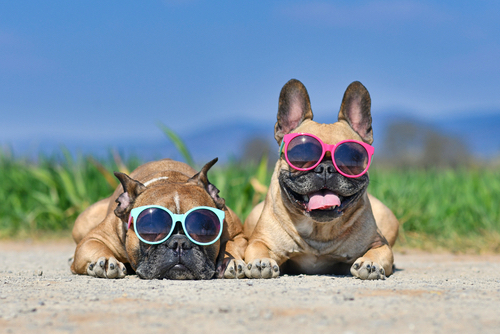
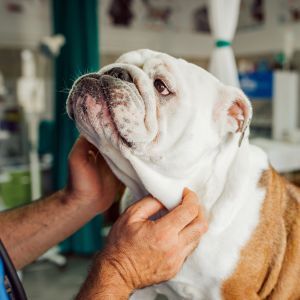
Flat-faced dogs are particularly vulnerable because their shortened airways reduce the efficiency of panting. Heat and humidity can quickly turn an existing breathing problem into an emergency.

Do cats cope better with hot weather?
Cats often appear to cope well with warm weather because they naturally reduce their activity, seek shade and cool surfaces, and groom themselves. However, cats can still develop heat stress and heatstroke if they become trapped somewhere hot, cannot access water or shade, or are exposed to extreme temperatures.
Flat-faced cats, such as Persians and Himalayans, as well as very young, older or unwell cats, may be particularly vulnerable.
Panting is not a normal cooling behaviour for cats in the way it is for dogs. A cat that is panting in hot weather may already be significantly overheated and should be moved somewhere cool and monitored closely; if panting persists or there are other signs of illness, contact your veterinarian promptly.
Keeping pets cool indoors
On very hot or humid days, bring pets inside if the indoor environment is cooler than outdoors. Air conditioning is particularly helpful for high-risk pets.
You can also:
- close blinds or curtains before the hottest part of the day
- provide several bowls of fresh, cool water in case one is knocked over
- allow access to cool tiled or shaded areas
- use fans to improve airflow
- provide a cooling mat or other cool resting surface
- keep activity and energetic play to a minimum during the hottest hours.
If you open windows for ventilation, make sure they are securely screened so cats and other pets cannot escape or fall.
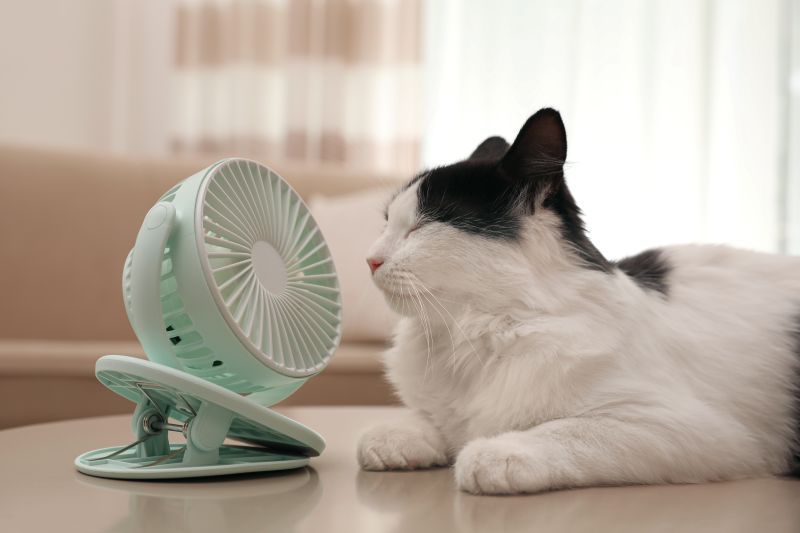
Be aware that a fan alone may not be enough during extreme heat, particularly for flat-faced, elderly or unwell pets. If your home becomes very hot, consider moving your pet to a cooler air-conditioned location.
Keeping your pet cool outdoors
If your pet spends time outside:
- provide shade that remains shaded as the sun moves
- offer several stable bowls of fresh water
- ensure good airflow and ventilation
- provide access to a cool surface or cooling mat
- supervise water play such as sprinklers or a shallow paddling pool
- never rely on a kennel as the only shade, as enclosed kennels can become dangerously hot
- bring your pet indoors during extreme heat wherever possible.
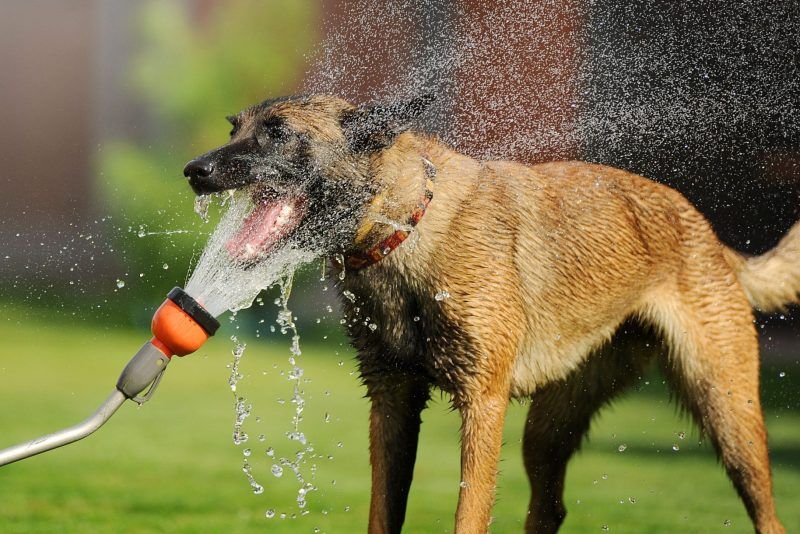
You can gently wet a dog with cool water to help them cool down. Avoid wrapping an overheated pet in wet towels, as a towel that warms against the body may reduce ongoing heat loss.

Cooling treats for hot days
Frozen treats can provide enrichment as well as helping pets enjoy a hot day.
For dogs, try:
- ice cubes or frozen water treats
- a durable food toy filled with their normal wet food and frozen
- small amounts of mashed banana or plain yoghurt frozen into a dog-safe treat
- diluted, low-salt meat stock frozen into ice blocks.
For cats, try freezing a little of their usual wet food or a cat-safe broth into a lickable treat.
Always check the ingredients. Stock should not contain onion or garlic, and peanut butter given to dogs must be free from xylitol, which is highly toxic to dogs. Treats should also be counted as part of your pet’s normal daily food intake.
Walking your dog safely in summer
On warm days, exercise your dog during the coolest part of the early morning or evening rather than simply relying on the clock.
Before setting out:
- check both the air temperature and humidity
- feel the walking surface – asphalt, concrete and sand can become hot enough to burn paw pads
- take drinking water
- choose shaded routes where possible
- shorten or skip the walk if conditions are too hot
- reduce exercise further for flat-faced, senior, overweight or unwell dogs.
Watch your dog rather than trying to complete a set distance. Heavy or increasingly noisy panting, slowing down, seeking shade or refusing to continue are signals to stop.

Does grooming help pets stay cool?
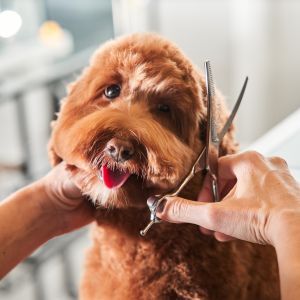
Regular brushing removes loose undercoat and helps prevent matting, which can trap heat and reduce airflow through the coat.
However, don’t automatically shave a thick or double-coated dog for summer. A healthy coat also provides some protection from sunlight and environmental heat, and clipping requirements vary considerably by breed and coat type. Speak to your veterinarian or a qualified groomer before dramatically shortening your pet’s coat.
See our [summer pet care and grooming guide] for more advice.
For more summer grooming advice, read our article Summer Dog Grooming Guide.
Heatstroke in dogs and cats: know the signs
On very hot days, pets that are exposed to the weather or have over-exerted are more at risk of exhaustion, dehydration and even heatstroke, just as we are.
Heatstroke occurs when a pet’s body temperature rises to dangerous levels and their normal cooling mechanisms can no longer cope. It can cause rapid damage to multiple organs and can be fatal.
Warning signs may include:
- relentless or unusually heavy panting
- rapid or difficult breathing
- excessive drooling
- agitation or restlessness
- very red or unusually pale gums
- weakness or lethargy
- vomiting or diarrhoea
- confusion or disorientation
- staggering
- muscle tremors
- seizures
- collapse.
Heatstroke is an emergency. Do not wait to see whether your pet improves.
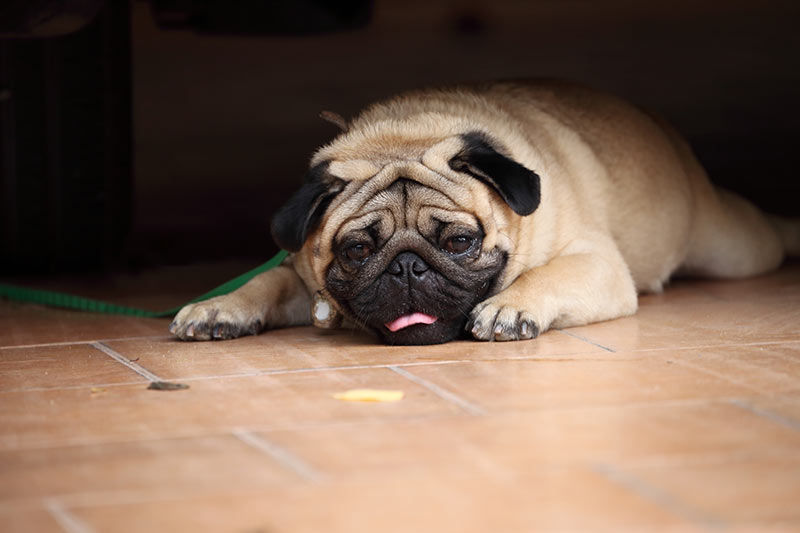
What should you do if you suspect heatstroke?
- Move your pet out of the heat immediately.
- Start cooling them. Apply or spray cool or tepid water over the body and use moving air from a fan where available.
- Do not use ice or ice-cold water.
- Contact your veterinarian or nearest emergency vet immediately and arrange transport.
Continue cooling appropriately while seeking veterinary advice. Even if your pet seems to recover, veterinary assessment is important because heatstroke can cause internal organ damage that is not immediately obvious.

Dehydration
Hot weather increases water requirements, particularly when pets are panting or active. Always provide unrestricted access to clean, fresh water unless your veterinarian has specifically advised otherwise.
Signs such as lethargy, dry or tacky gums, weakness, reduced urination or loss of appetite can occur with dehydration, but these signs can also indicate other medical problems. If your pet appears unwell or is not drinking normally during hot weather, contact your veterinarian.
Can dogs and cats get sunburn?
Yes. Pets with white or very light-coloured coats, pink skin, sparse fur or hairless areas are particularly susceptible to sunburn, especially around the nose, ears and other exposed areas.
Keep vulnerable pets out of strong direct sunlight during the hottest parts of the day and provide plenty of shade.
If sunscreen is required, use a pet-safe product recommended by your veterinarian. Human sunscreens may contain ingredients that are unsafe if pets lick them, including salicylates and other compounds.
Never leave a pet in a parked car
Never leave a dog or cat unattended in a parked vehicle, even for a few minutes, with the windows partly open or when the car is parked in shade.
Vehicle temperatures can rise rapidly even when the outside temperature does not seem extreme, placing animals at risk of potentially fatal hyperthermia.
Dogs travelling on ute trays can also be exposed to intense heat from the metal surface and direct sun. They must be transported safely and protected from hot surfaces and heat exposure.
Your hot-day pet checklist
Before a very hot day, check that your pet has:
✓ plenty of fresh water in more than one location
✓ access to a cool indoor area
✓ shade that lasts throughout the day
✓ no strenuous exercise planned during the heat
✓ somewhere cool to lie
✓ safe transport if they need to leave home
✓ someone checking on them if they are particularly vulnerable.
Conclusion
Summer should still be enjoyable for you and your pets, but on very hot days the safest plan is often the simplest: keep them somewhere cool, provide plenty of fresh water, reduce exercise and avoid unnecessary heat exposure.
Pay extra attention to flat-faced, overweight, very young, senior or unwell pets, as they may overheat more quickly. Most importantly, know what is normal for your pet. If their breathing, behaviour or energy level suddenly changes in the heat, act early.
Heatstroke can become life-threatening very quickly. If you suspect your pet is overheating, start cooling them and contact a veterinarian immediately.
Bow Wow Meow Pet Insurance can help protect you and your pet should an unexpected trip to your vet occur.
- Find out more about our dog insurance options
- Find out more about our cat insurance options
- Get an instant online pet insurance quote
Bow Wow Meow is proud to have been awarded winner of Canstar’s ‘Most Satisfied Customers’ Award in the Pet Insurance category for both 2024 and 2025!
Bow Wow Meow is proud to be the only Pet Insurer that has been awarded Product Review’s Top Rated Pet Insurance every year from 2018 to 2026! This is based on 3,193 independent customer reviews (as at 09/04/2026), with an overall rating of 4.5 stars.

We also have the following ratings on other review platforms:
Google Review rating of 4.5 stars (based on 1,358 reviews)
Trust Pilot rating of 4.6 stars (based on 555 reviews)
Bow Wow Meow has been chosen as Winner of 4 categories in the 2026 Finder Pet Insurance Customer Satisfaction Awards!


– Most Trusted Pet Insurance
– Easiest to Claim Pet Insurance
– Most Recommended Pet Insurance
– Legendary Service Pet Insurance
We also received Highly Commended Awards for Loved Brand Pet Insurance and Best Value Pet Insurance.
Bow Wow Meow is an Australian-owned and operated pet insurance provider. Our focus is purely on pets, and we are proud to have helped provide peace of mind to over 200,000 Aussie pet owners since 2008.
Sources:
“How can I protect my dog from heatstroke?”, RSPCA Knowledgebase. https://kb.rspca.org.au/categories/companion-animals/dogs/caring-for-my-dog/how-can-i-protect-my-dog-from-heatstroke. Accessed 6 October 2026.
“What can I do to protect my companion animals from heatstroke?”, RSPCA Knowledgebase. https://kb.rspca.org.au/categories/companion-animals/pet-ownership/what-can-i-do-to-protect-my-companion-animals-from-heatstroke. Accessed 6 October 2026.
“Keeping your pet safe during the heat”, RSPCA Australia. https://www.rspca.org.au/latest-news/blog/keeping-your-pet-safe-during-heat/. Accessed 6 October 2026.
“Getting summer-ready with your pet”, Australian Veterinary Association – Vet Voice. https://www.vetvoice.com.au/articles/getting-summer-ready/. Accessed 6 October 2026.
“Keeping your pet cool in warmer weather”, Australian Veterinary Association – Vet Voice. https://www.vetvoice.com.au/articles/keeping-your-pet-cool-in-warmer-weather/. Accessed 6 October 2026.
“Heatstroke in Cats”, Cats Protection. https://www.cats.org.uk/help-and-advice/health/heatstroke-in-cats. Accessed 6 October 2026.
“Companion animals confined to vehicles”, Australian Veterinary Association. https://www.ava.com.au/policy/companion-animals-confined-to-vehicles. Accessed 6 October 2026.