What does pet insurance cover?
Summary
Our pet insurance has three parts. Nose-to-Tail Cover is the core accident and illness policy. Optional Booster Care adds cover for specified dental conditions and specialised therapies. Optional Routine Care is a non-insurance benefit that contributes towards everyday preventive items like vaccinations.
Every policy also has waiting periods, benefit limits, exclusions and rules about pre-existing conditions, and we explain each of these below.
With Bow Wow Meow, our Nose-to-Tail Cover can help pay for eligible accidental injuries and illnesses, along with related consultations, diagnostic tests, medication, surgery and specialist care. The amount we pay back depends on the cover you choose, and policy terms, exclusions, benefit limits and waiting periods apply.
A vet visit rarely comes with a warning. One minute your dog is chasing a ball, the next you’re at the emergency clinic with a limping pup and an estimate in your hand. Understanding your pet insurance cover before that moment can helps you make clear, calm decisions about your pet’s care.
Pet insurance cover, in brief
Here’s a quick summary of where common vet costs usually sit.
- Generally covered by Nose-to-Tail Cover: eligible accidental injuries and illnesses, plus related consultations, diagnostics, medication, surgery, hospitalisation and specialist treatment.
- Available through optional Booster Care: specified dental conditions, behavioural treatment and listed specialised therapies like physiotherapy and hydrotherapy.
- May receive a contribution through optional Routine Care: vaccinations, health checks, desexing, microchipping and certain preventive care items.
- Generally not covered: pre-existing conditions, elective procedures, routine grooming and other items listed as exclusions.
The details for your pet always come down to your certificate of insurance and the current Product Disclosure Statement (PDS), so keep both handy as you read.
Pet insurance cover at a glance
This table shows what pet insurance may cover at a glance, including common treatments and expenses, the part of your policy most likely to apply, and the main factors that determine eligibility.
| Treatment or expense | Likely coverage route | Main qualificationØ |
| Accidental injuries | Nose-to-Tail Cover | Must meet the policy definition |
| Illnesses | Nose-to-Tail Cover | Must not be excluded or pre-existing |
| Consultations | Nose-to-Tail Cover | Must relate to a covered condition |
| Medication | Nose-to-Tail Cover or Booster Care | Must be eligible and prescribed for a covered condition |
| Diagnostic tests and X-rays | Nose-to-Tail Cover | Must relate to a covered condition |
| Surgery and hospitalisation | Nose-to-Tail Cover | Must be necessary treatment for a covered condition |
| Emergency and specialist treatment | Nose-to-Tail Cover | Subject to policy terms and exclusions |
| Specified dental conditions | Optional Booster Care | Limited to specified conditions and treatments |
| Physiotherapy and hydrotherapy | Optional Booster Care | Must treat a covered condition |
| Behavioural treatment | Optional Booster Care | Limited to eligible treatment types |
| Vaccinations and health checks | Optional Routine Care | Non-insurance benefit |
| Desexing and microchipping | Optional Routine Care | Non-insurance benefit |
| Routine grooming | Generally excluded | Nail clipping may be a Routine Care item |
| Pre-existing conditions | Generally excluded | Subject to the PDS and applicable review provisions |
ØWaiting periods: 2 days for accidental injuries, 30 days for illnesses, 30 days for behavioural conditions, 6 months for cruciate ligament conditions (may be waived), 6 months for specified dental conditions.
Use this as a starting point. Your certificate of insurance shows the benefits you’ve chosen, and the PDS sets out the full terms.
How Bow Wow Meow pet insurance cover is structured
Our pet insurance works like building blocks. You start with Nose-to-Tail Cover, then add the optional extras that suit your pet’s life stage and your budget.
Nose-to-Tail Cover
Nose-to-Tail Cover is our accident and illness policy for dogs and cats. It helps with the cost of unexpected vet care, including skin conditions, ear infections, broken bones, diabetes, cancer and hereditary conditions (excluding pre-existing conditions). You choose three settings:
- Annual benefit limit: $10,000, $20,000 or $30,000 each policy year.
- Benefit percentage: we pay back 70%, 80% or 90% of eligible vet costs.
- Annual excess: you can add an excess to lower your premium. Options may include $0, $250 or $500, depending on your benefit limit and benefit percentage.
Nose-to-Tail Cover has no sub-limits, so X-rays, medication and hospitalisation all draw on your overall annual benefit limit. You’ll also get 24/7 Live Vet support (general veterinary telehealth advice through the Pet Portal) and GapOnly® claiming at participating vets, where you pay only the gap at the counter.
Booster Care
Booster Care is an optional benefit for your pet’s more specialised needs. It pays up to $2,000 per year for specified dental conditions and specialised therapies combined, including behavioural treatment, physiotherapy and hydrotherapy. This limit sits on top of your Nose-to-Tail annual benefit limit. Your benefit percentage, excess, waiting periods and exclusions still apply.
Routine Care
Routine Care is an optional non-insurance benefit. It contributes up to $150 per year towards preventive items like vaccinations, health checks, desexing and microchipping. Your benefit percentage and excess don’t apply to Routine Care items, so we pay the eligible amount up to the limit.
Does pet insurance cover routine and preventive care?
Standard accident and illness cover pays for treatment when something goes wrong. It doesn’t pay for the care that keeps your pet well, like yearly vaccinations or flea treatment. That’s where the optional Routine Care non-insurance benefit comes in.
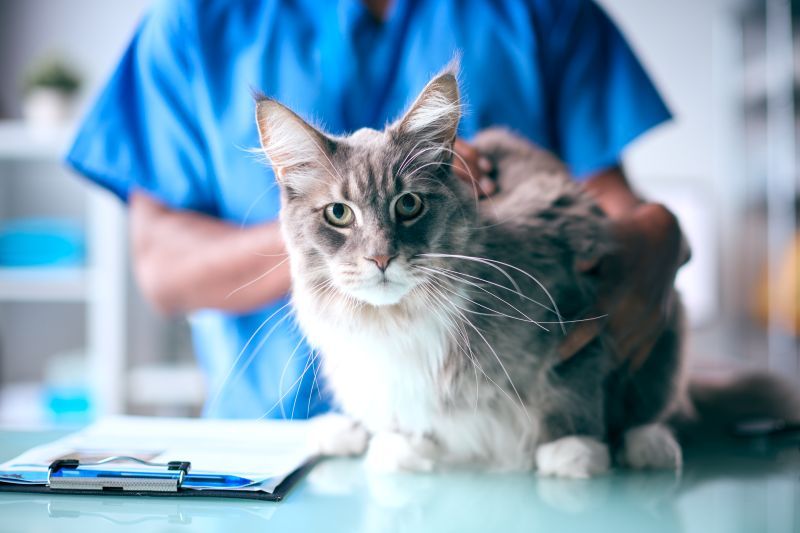
If you add Routine Care, you can receive a contribution of up to $150 per year towards these items:
- Desexing
- Vaccinations
- Health checks
- Microchipping
- Heartworm preventative
- Prescription diets
- Puppy pre-school and obedience training
- Flea, tick and worm control
- FeLV/FIV and heartworm tests
- Wellness blood screen
- Nail clipping
There’s one distinction worth knowing. A health check for a well pet counts as a Routine Care item. A consultation to diagnose or treat a covered condition, like a sudden ear infection, may fall under Nose-to-Tail Cover instead.
Does pet insurance cover check-ups and annual vet visits?
Yearly check-ups and wellness visits sit outside accident and illness cover. With Routine Care, you can claim a contribution towards health checks. If your vet finds a new problem during that visit, any follow-up treatment may be eligible under Nose-to-Tail Cover.
Does pet insurance cover vaccinations?
Vaccinations are preventive care, so Nose-to-Tail Cover alone won’t pay for them. Routine Care contributes towards vaccinations up to your yearly limit. Keeping vaccinations up to date also protects your pet from diseases like parvovirus and cat flu.
Does pet insurance cover flea, tick and worm treatment?
Preventive flea, tick and worm products fall under Routine Care. Treating an illness caused by intestinal parasites may be eligible under Nose-to-Tail Cover. Conditions caused by flea or mite infestations are generally excluded.
Does pet insurance cover heartworm treatment?
Heartworm preventative and heartworm tests are Routine Care items. If your pet develops heartworm disease, treatment may be eligible under Nose-to-Tail Cover as an illness, provided it isn’t pre-existing.
Bow Wow Meow gives you the option to add on Routine Care (non-insurance benefit), which provides a contribution towards everyday items such as vaccinations, de-sexing and health checks.
Learn more about our Routine Care (non-insurance benefit).
Does pet insurance cover microchipping?
Microchipping is a Routine Care item. Most Australian states and territories require it for dogs and cats, so it’s worth budgeting for early.
Does pet insurance cover prescription food?
Routine Care contributes towards prescription diets. Food generally sits outside Nose-to-Tail Cover, so check the PDS if your vet recommends a special diet for an ongoing condition.
Does pet insurance cover nail clipping or grooming?
Routine grooming isn’t covered. Nail clipping is the one exception, as it’s a listed Routine Care item.
Does pet insurance cover desexing?
Desexing is an elective procedure, so pet insurance in Australia generally doesn’t cover it. Routine Care contributes towards desexing costs up to your yearly limit. Our guide, Does pet insurance cover desexing in Australia?, explains costs and timing in more detail.
Does pet insurance cover dental treatment?
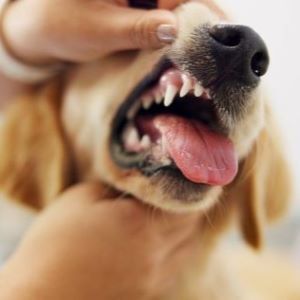
Dental care is one of the most common gaps in standard pet insurance. With Bow Wow Meow, cover for specified dental conditions comes through optional Booster Care, while accidental damage to a healthy tooth may fall under Nose-to-Tail Cover.
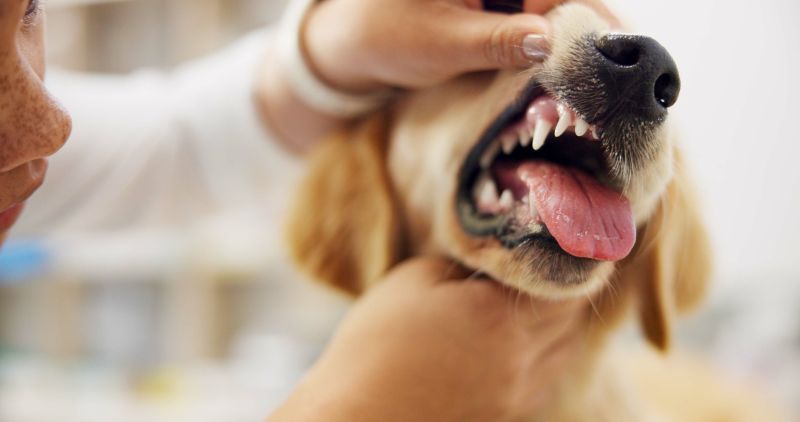
Booster Care pays for eligible scaling, polishing, dental X-rays and tooth removal when your pet has one of these specified dental conditions:
- Gingivitis
- Abscesses
- Odontoclastic resorptive lesions
- Dental disease arising from infection
- Retained deciduous (baby) teeth
- Cavities
- Fractured teeth due to dental disease
A six-month waiting period applies to specified dental conditions, and claims draw on the $2,000 yearly Booster Care limit. Booster Care won’t pay for anything outside this list, like orthodontic work.
Does pet insurance cover dental treatment?
It depends on the cause. Dental disease needs Booster Care, and only the specified conditions and treatments above qualify. A traumatic tooth fracture from an accident, like biting down hard on a rock, may be considered separately under accidental injury cover in Nose-to-Tail Cover.
Learn more about pet insurance that covers dental treatment.
Does pet insurance cover teeth cleaning?
Routine preventive cleaning generally isn’t covered. Scaling and polishing may be eligible under Booster Care when your vet performs them to treat a specified dental condition, like gingivitis. Brushing at home and yearly dental checks remain the best way to keep your pet’s mouth healthy.
Does pet insurance cover tooth extraction?
Tooth removal may be eligible under Booster Care when your vet extracts a tooth to treat a specified dental condition, such as an abscess or a retained baby tooth. Extractions for other reasons may not qualify, so ask your vet for the diagnosis and check it against the PDS.
For a closer look at dental claims, read our guide to pet insurance that covers dental in Australia. If you’re considering Booster Care, it’s important to understand the applicable waiting periods and pre-existing condition rules before dental problems arise.
Does pet insurance cover surgery, emergencies and health conditions?
Nose-to-Tail Cover can help with eligible unexpected veterinary costs, including surgery, hospital stays and after-hours emergencies.
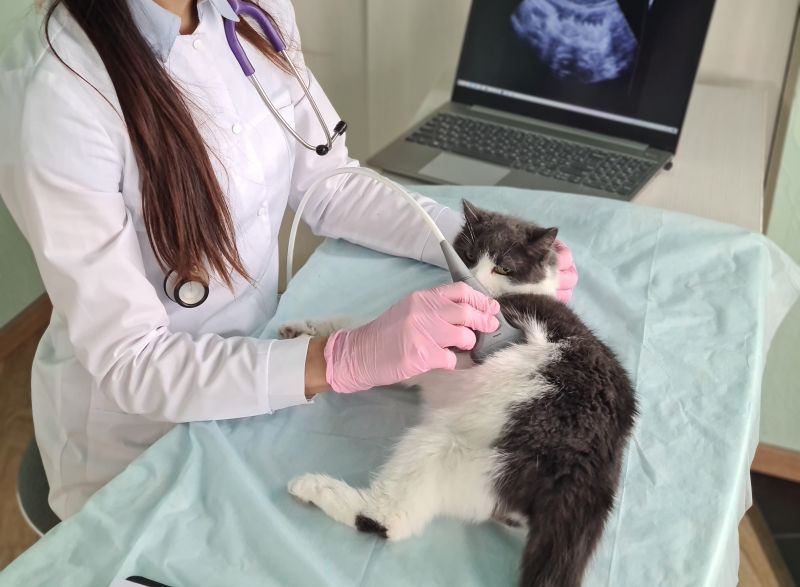
For any condition or treatment, eligibility comes down to five things:
- The condition: your policy must cover it.
- Pre-existing status: signs or symptoms can’t have appeared before cover started or during a waiting period.
- Waiting periods: the relevant waiting period must have ended.
- Policy terms and exclusions: the treatment can’t fall under a general exclusion.
- Your benefits: some treatments need Booster Care, and every claim draws on your chosen limits.
Does pet insurance cover surgery?
Nose-to-Tail Cover can help pay for surgery and hospitalisation when your pet needs it to treat a covered accident or illness. That might mean removing a swallowed sock, repairing a fractured leg or taking out a tumour. Elective surgery, like desexing or cosmetic procedures, sits outside this cover.
Does pet insurance cover emergency vet visits?
Emergency and after-hours treatment may be eligible when it relates to a covered accident or illness. Snake bites, tick paralysis, heatstroke and poisoning from chocolate or rat bait are examples of events that may be treated as accidental injuries. Emergencies like bloat (GDV), seizures and anaphylactic reactions may be treated as illnesses.
Does pet insurance cover cancer treatment?
Nose-to-Tail Cover may cover masses, lumps and cancer as illnesses, provided the condition is eligible under the policy and is not pre-existing. With no sub-limits, costs for surgery, chemotherapy, diagnostics and medication all draw on your annual benefit limit.
Learn more about pet insurance that covers cancer treatment.
Does pet insurance cover allergies?
Skin allergies appear on our list of illnesses that may be covered. Allergies can require long-term management, so it’s important to understand how pre-existing condition rules may affect eligibility for future treatment. If your pet showed signs or symptoms of the allergy before cover began or during an applicable waiting period, it may be considered pre-existing under the policy.
Does pet insurance cover hip dysplasia?
Hip dysplasia appears on our list of musculoskeletal conditions under illness cover, and we don’t exclude hereditary conditions. Penny’s Border Collie, Joey, needed surgery for hip dysplasia in both hips at just seven months old. Signs of the condition must not have appeared before cover started or during the 30-day illness waiting period.
Learn more about pet insurance that covers hip dysplasia.
Does pet insurance cover cruciate ligament conditions?
Cruciate ligament conditions may be eligible, but a six-month waiting period applies. This waiting period may be waived if your pet meets the eligibility requirements and Bow Wow Meow confirms the waiver in writing. Your vet examines your pet after your policy starts and sends us a completed Cruciate Ligament Exam Form within 14 days of the exam. We’ll confirm the outcome in writing.
Does pet insurance cover hereditary or congenital conditions?
They may be eligible, provided signs or symptoms weren’t present before cover started or during the applicable waiting periods. Hereditary and congenital conditions that first appear during your policy period won’t count as pre-existing.
Does pet insurance cover behavioural issues?
Behavioural conditions need optional Booster Care. It pays for prescribed medication and diagnostic tests for behavioural conditions your vet diagnoses, plus consultations with a veterinary behavioural specialist. A 30-day waiting period applies.
Does pet insurance cover physiotherapy or hydrotherapy?
Booster Care includes physiotherapy, hydrotherapy, acupuncture and chiropractic treatment when used to treat a covered condition. A qualified animal physiotherapist or vet must provide physiotherapy, and hydrotherapy must take place at a veterinary practice. Therapies used only to prevent a condition aren’t covered.
How does pet insurance coverage work?
Pet insurance pays back a share of your eligible vet bill after you pay your excess. Knowing the rules around pre-existing conditions, waiting periods and age helps you avoid surprises at claim time.
How we calculate a claim
Here’s an example with an 80% benefit percentage, a $20,000 benefit limit and a $250 annual excess.
| Step | First claim of the year | Second claim, same year |
| Eligible vet bill | $1,000 | $1,000 |
| After 80% benefit percentage | $800 | $800 |
| Annual excess | $250 | Already paid |
| We pay | $550 | $800 |
| You pay | $450 | $200 |
This is an example only. Not every condition or treatment qualifies, and your limits may differ.
Does pet insurance cover pre-existing conditions?
Generally, no. A pre-existing condition is one that appeared before your first policy period started, or during a waiting period, and that you knew about or reasonably should have noticed. There’s one exception. If a temporary pre-existing condition hasn’t existed, occurred or shown noticeable signs, symptoms or abnormalities during the required 18-month period before treatment, it may no longer be excluded as a pre-existing condition. You can apply for a pre-existing condition review, and your vet will need to provide records to support it.
Does pet insurance have a waiting period?
Yes. Cover for each type of condition starts after its waiting period ends.
| Condition type | Waiting period |
| Accidental injuries | 2 days |
| Illnesses | 30 days |
| Behavioural conditions | 30 days |
| Cruciate ligament conditions | 6 months (waiver available) |
| Specified dental conditions | 6 months |
Waiting periods you’ve already served won’t restart when you renew, unless your cover lapses.
Does pet insurance cover vet consultation fees?
Consultation fees may be eligible when they relate to diagnosing or treating a covered condition. A check-up for a healthy pet counts as a Routine Care item.
Does pet insurance cover medication?
Prescribed medication for a covered condition may be eligible under Nose-to-Tail Cover, with no separate cap. Medication for behavioural conditions needs Booster Care. For some pets, this adds up fast. Rachel’s dog, Lily, lived with lupus, and her medication alone came to more than $35,000 over nine years. Customer experiences vary, and every claim is assessed against the policy terms.
Does pet insurance cover X-rays and blood tests?
X-rays, blood tests, ultrasounds, MRIs and other diagnostics may be eligible when your vet uses them to diagnose or treat a covered condition. They draw on your annual benefit limit with no sub-limit.
Does pet insurance cover specialist vets?
You can take your pet to any vet licensed to practise in Australia, including specialists and emergency hospitals. Specialist treatment for a covered condition may be eligible, subject to policy terms.
Does pet insurance cover multiple pets?
Each pet has its own policy. When you insure more than one pet with us, you’ll get a 10% discount on the second and later policies.
Learn more about pet insurance for multiple pets.
Does pet insurance cover older dogs and cats?
Pets are eligible to apply for Nose-to-Tail Cover up to 9 years of age when first applying. Once cover has commenced, there is no upper age limit for renewal, as long as the product continues to be offered and subject to the policy terms. Premiums may increase as pets age and other pricing factors change.
Does pet insurance cover puppies and kittens?
Starting cover while your pet is young and before health conditions arise may reduce the likelihood of future conditions being treated as pre-existing. Check the current eligibility requirements before applying. Check the current eligibility requirements before applying.
Learn more about insurance for puppies and kittens.
Does pet insurance cover euthanasia?
Essential euthanasia may be covered when it is humane, necessary and required as a result of a covered condition. Voluntary euthanasia is excluded, and costs associated with disposal, burial or cremation are not covered.
What does pet insurance not cover?
Every pet insurance policy has exclusions, and knowing them upfront helps you plan for the costs you’ll carry yourself. Below are the most common items that sit outside coverage.
- Pre-existing conditions. Conditions that existed, occurred or showed noticeable signs, symptoms or abnormalities before cover started or during an applicable waiting period, unless they meet the policy’s temporary pre-existing condition provisions.
- Elective procedures. Treatments your pet doesn’t medically need, like desexing, sit outside accident and illness cover. Routine Care can contribute towards desexing.
- Cosmetic procedures. Procedures done for appearance alone aren’t covered.
- Routine items without Routine Care. Vaccinations, health checks, microchipping and parasite prevention require the optional Routine Care non-insurance benefit to receive an eligible contribution.
- Dental treatment without Booster Care. Dental disease, including gingivitis and abscesses, needs Booster Care. Accidental tooth fractures may still be eligible under Nose-to-Tail Cover.
- Breeding and pregnancy. We don’t cover costs linked to breeding, pregnancy or giving birth.
- Grooming. Baths, clips and other grooming aren’t covered. Nail clipping is a Routine Care item.
- Other general exclusions. These include orthodontic treatment and genetic or chromosome testing.
This list covers the main exclusions, but the full set lives in the Product Disclosure Statement. Read the General exclusions section before you buy, and you’ll save yourself a lot of guesswork later.
How can I check if my pet’s treatment is covered?
The fastest way to know where you stand is to check your own policy documents before treatment. Here’s what to look at.
- Your certificate of insurance. It shows your cover start date, benefit limit, benefit percentage and excess.
- Your selected benefits. Confirm if you’ve added Booster Care or Routine Care, as some treatments rely on them.
- Applicable waiting periods. Check that the relevant waiting period has ended for your pet’s condition.
- Relevant exclusions. Look through the General exclusions and any condition-specific rules.
- The current PDS. Download it from our Forms & brochures page for the full policy wording.

Still unsure? You can ask us for a pre-approval before a planned treatment. Email us your policy number, the condition and treatment, your vet’s details, relevant clinic records and an itemised estimate if you have one. We’ll usually reply within two business days. A pre-approval only counts once we confirm it in writing, and the final amount may change if the treatment differs from the request.
You can also call us on 1800 668 502 on weekdays between 8 am and 8 pm AEST. Every claim depends on your policy terms, so we can’t promise an outcome in advance, but we’ll walk you through how your cover applies.
Explore Bow Wow Meow pet insurance
Ready to compare your options? These pages go into more detail on each part of our cover.
- Nose-to-Tail Cover explains our accident and illness policy, benefit limits and benefit percentages.
- Booster Care lists the specified dental conditions and specialised therapies it includes.
- Routine Care shows every preventive item you can claim a contribution towards.
- Dog cover options and cat cover options help you choose cover for your species.
- Questions and answers covers claims, premiums and policy management.
- Forms & brochures holds the current PDS and Target Market Determination.
When you know what you need, get a quote online to see your price.
Find the right cover for your pet
What pet insurance covers comes down to your policy, the benefits you choose and your pet’s own health history. Nose-to-Tail Cover can help with eligible accidents, illnesses, surgery and emergency care. Booster Care adds specified dental conditions and specialised therapies, and Routine Care contributes towards everyday preventive items.
Waiting periods, exclusions, benefit limits and pre-existing condition rules all shape what you can claim. Your certificate of insurance and the current PDS hold the full details, so keep them close and check them before planned treatment.
Taking out cover while your pet is younger and before health conditions arise may reduce the likelihood of future conditions being treated as pre-existing. Explore our cover options, read the current PDS, and see what cover could look like for your dog or cat.
Bow Wow Meow Pet Insurance can help protect you and your pet should an unexpected trip to your vet occur.
- Find out more about our dog insurance options
- Find out more about our cat insurance options
- Get an instant online pet insurance quote
Bow Wow Meow is proud to have been awarded winner of Canstar’s ‘Most Satisfied Customers’ Award in the Pet Insurance category for both 2024 and 2025!
Bow Wow Meow is proud to be the only Pet Insurer that has been awarded Product Review’s Top Rated Pet Insurance every year from 2018 to 2026! This is based on 3,193 independent customer reviews (as at 09/04/2026), with an overall rating of 4.5 stars.

We also have the following ratings on other review platforms:
Google Review rating of 4.5 stars (based on 1,358 reviews)
Trust Pilot rating of 4.6 stars (based on 555 reviews)
Bow Wow Meow has been chosen as Winner of 4 categories in the 2026 Finder Pet Insurance Customer Satisfaction Awards!


– Most Trusted Pet Insurance
– Easiest to Claim Pet Insurance
– Most Recommended Pet Insurance
– Legendary Service Pet Insurance
We also received Highly Commended Awards for Loved Brand Pet Insurance and Best Value Pet Insurance.
Bow Wow Meow is an Australian-owned and operated pet insurance provider. Our focus is purely on pets, and we are proud to have helped provide peace of mind to over 200,000 Aussie pet owners since 2008.