Is the American Bulldog a good family dog?


American Bulldog
American Bulldogs are large, muscular, confident dogs with a history of farm work. They can be affectionate, engaging companions, but their strength and activity needs require a committed owner and regular involvement in family life.
| Recommended for | Experienced, active owners |
| Breed Classification | Not currently recognised by Dogs Australia |
| Other names | None |
| Lifespan | 10–12 years |
| Size | Large |
| Temperament | Affectionate, confident, loyal, energetic |
| Intelligence | Benefits from consistent, reward-based training |
| Tendency to bark | Low to moderate |
| Maintenance Level | Medium: straightforward coat care but regular skin and general care |
| Health Risk | American Bulldogs can develop joint disease, eye disorders, inherited skin and neurological conditions, and breathing difficulties. |
Thinking of insuring an American Bulldog?
Explore the Top 5 health issues claimed for American Bulldogs, including highest claims paid and how much pet insurance could help you save on eligible vet bills.
See American Bulldog pet insurance Ready to get cover? Get a quick quote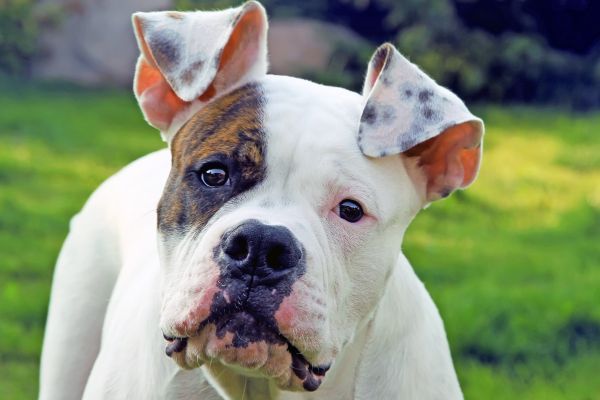
American Bulldog personality and temperament
American Bulldogs often form close bonds with their household and enjoy attention and shared activities. Some are outgoing with visitors, while others need more time to feel comfortable around unfamiliar people.
Clear routines and positive training help owners manage this powerful breed. Teach calm greetings and settling as well as active skills. A secure garden is useful, but exercise, companionship and enrichment remain important wherever the dog lives.
American Bulldogs with kids and other pets
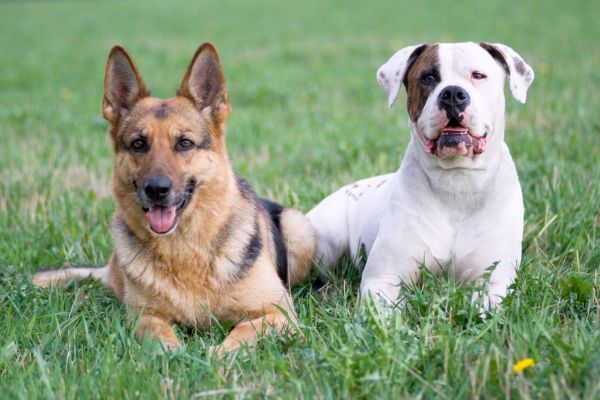
American Bulldogs can live successfully with children, but their strength and enthusiastic play require careful supervision. Teach children to interact calmly and give the dog space when eating, sleeping or resting.
Introductions to other pets should be gradual and closely managed. Some individuals are selective around other dogs, and compatibility with smaller animals should be assessed carefully. Use separation when necessary rather than relying on supervision alone.
American Bulldog training and exercise
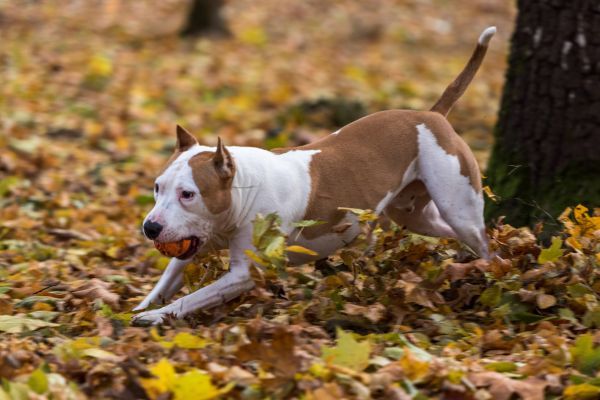
Provide daily walks, play and short training sessions, adjusting their length and intensity to your dog’s age, fitness and health. Sniffing games and food puzzles can provide useful mental activity alongside physical exercise.
Start with practical skills such as loose-lead walking, recall, calm greetings and settling. Use rewards and build difficulty gradually. Puppies need appropriate activity while growing, and strenuous sports should be introduced progressively once the dog is physically ready.
Shorter-muzzled dogs may have reduced exercise and heat tolerance. Noisy or laboured breathing, marked fatigue or difficulty recovering after activity warrant veterinary advice. Avoid strenuous exercise in hot or humid conditions.
| Energy level | Moderate to high |
| Exercise requirements | Moderate to high: daily walks, play and mental enrichment |
Common health issues for American Bulldogs
What do American Bulldog owners claim for the most?
American Bulldogs can develop conditions affecting their joints, skin, eyes and breathing. Some inherited disorders can be identified through DNA testing, so prospective owners should ask about documented parental screening and the health history of the breeding lines.
- Hip dysplasia and elbow dysplasia: Abnormal joint development can cause pain, lameness and arthritis. Appropriate parental screening, controlled puppy growth and a healthy body weight are important considerations.
- Eye conditions: Cherry eye occurs when the tear-producing gland of the third eyelid moves out of position. Entropion causes the eyelid to turn inward, allowing hair to rub against the eye. Both require veterinary assessment; entropion can damage the cornea, and cherry eye may need surgical repositioning of the gland.
- Ichthyosis: An inherited skin-barrier disorder that can cause extensive scaling and secondary skin infections. It may require substantial ongoing treatment. A DNA test is available for the recognised American Bulldog variant.
- Neuronal ceroid lipofuscinosis, or NCL10: An inherited, progressive neurological disorder that can affect coordination and movement. Signs often begin in young adulthood and worsen over time. DNA testing can identify the associated mutation and support breeding decisions.
- Breathing difficulties: Dogs with more shortened muzzles may experience airway problems and reduced tolerance of heat or exercise. Breathing difficulty should be investigated rather than accepted as normal for the breed.
Not all conditions are covered by Pet Insurance. For details of Bow Wow Meow Pet Insurance cover, refer to the Product Disclosure Statement.
How to choose the right insurance for your American Bulldog
When comparing cover for your American Bulldog, look for:

Cover for common American Bulldog conditions:
Check that the policy covers conditions American Bulldogs can be prone to, including common health issues.

Cover for hereditary conditions:
No exclusions for hereditary or congenital conditions⑅.

Flexible cover options:
Options to adjust your annual benefit limit, reimbursement rate and excess.
Bow Wow Meow's Nose-to-Tail Cover offers flexible options for your American Bulldog, with cover for accidental injuries, illnesses and hereditary conditions⑅. Get a quick quote for cover that suits your American Bulldog and your budget.
American Bulldog feeding and nutrition
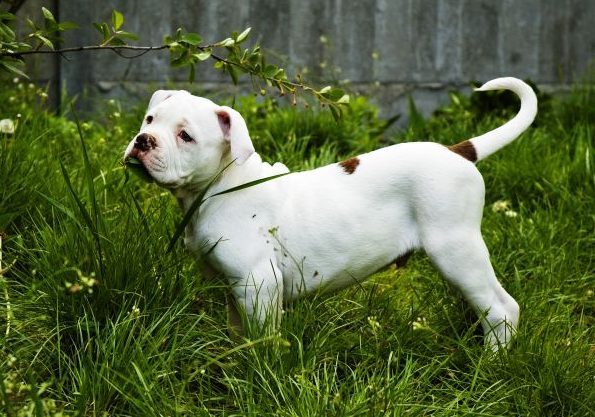
Feed a complete and balanced diet appropriate for your American Bulldog’s age, health and activity level. Puppies need food suitable for large-breed growth, with controlled energy and mineral levels. Do not add calcium or other supplements unless your vet recommends them.
Measure portions, include treats in daily intake and adjust feeding to maintain a lean body condition. Ask your vet when to transition to adult food, as growth and maturity vary between individuals.
American Bulldog care and grooming
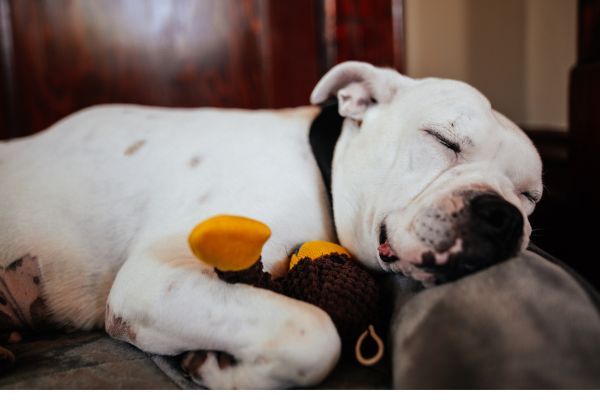
American Bulldogs have short coats that are generally straightforward to maintain. Weekly brushing with a suitable brush or grooming mitt helps remove loose hair, with extra attention when shedding increases.
Bathe when needed using a dog-specific shampoo, or follow your vet’s instructions if a skin condition requires treatment. Check the skin and ears regularly, keep nails appropriately trimmed and brush the teeth daily where possible. Introduce handling gradually and reward cooperation
Size, appearance and coat of American Bulldogs
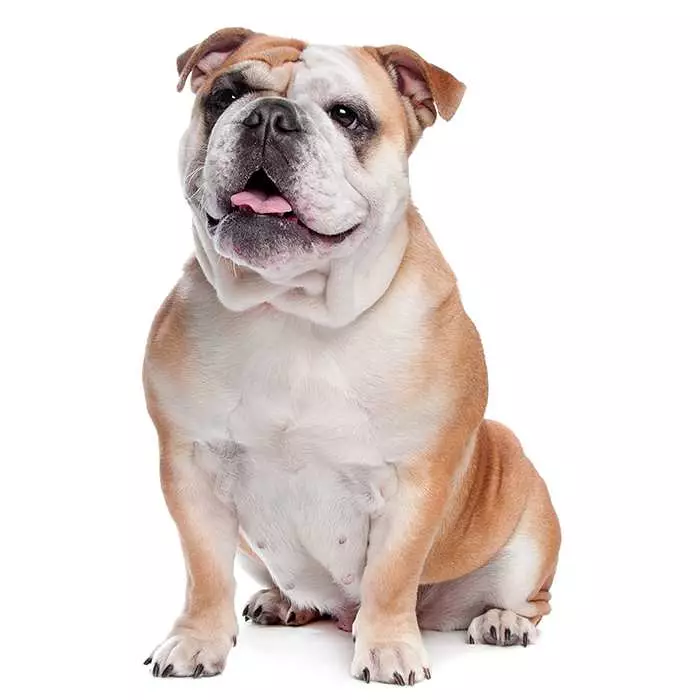
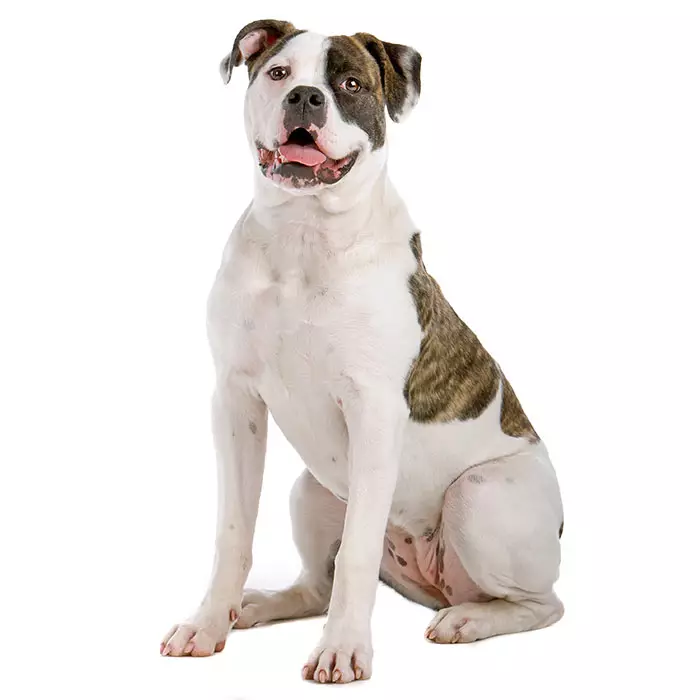
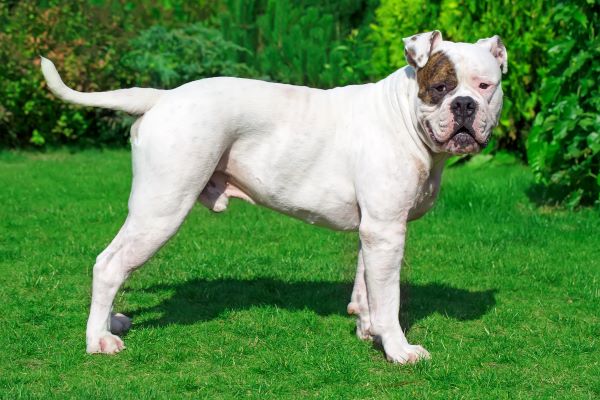
American Bulldogs have a muscular body, broad head and short coat. Appearance varies between lines: Johnson or Bully types are generally heavier, with shorter muzzles, while Scott or Standard types tend to be leaner and longer-muzzled. Many dogs combine these characteristics.
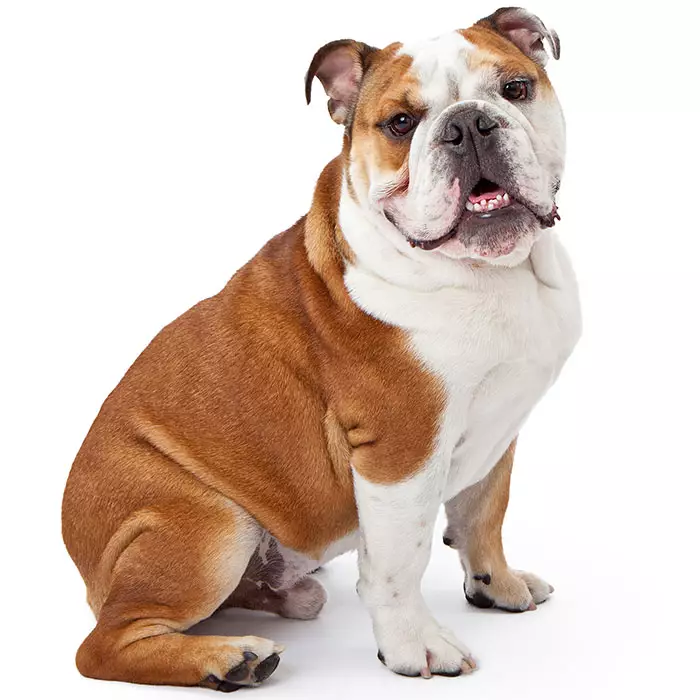
American Bulldogs are bigger, faster and more agile than British Bulldogs. They have short, coarse fur which in the past was mostly white, but now comes in a variety of patterns and colours.
| Weight range | Males approx. 34–45 kg; females 27-36 kg |
| Height range | Males approx. 56–69 cm; females 51–64 cm |
| Colours | Commonly white or white with brindle, brown, tan or black patches |
| Coat length | Short and close-fitting |
Breed history of American Bulldogs
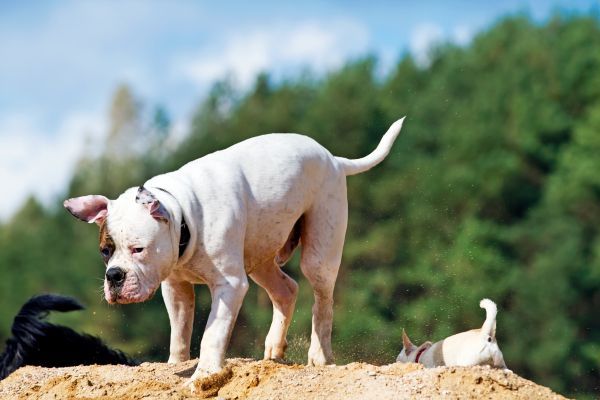
The American Bulldog developed from working bulldogs brought to the American South by immigrants. Farmers used them for livestock handling and other practical tasks.
Numbers had declined severely by the end of the Second World War. John D. Johnson, Alan Scott and other breeders helped preserve the dogs. Their breeding programmes contributed to the types recognised today. The United Kennel Club recognised the American Bulldog in 1999.
Explore related breeds
American Bulldog facts!
- The American Bulldog was originally known as the “American Pit Bulldog”. However, its name was changed to avoid confusion with the American Pit Bull Terrier.
-
“Bully type” does not mean American Bully. A Bully-type American Bulldog is a style within this breed; the American Bully is a separate breed with its own standard.
-
Chance, the American Bulldog puppy in Homeward Bound: The Incredible Journey was voiced by Michael J. Fox.
-
Playing Chance took a team: Rattler was the principal canine actor, but four dogs shared the role.
-
The film’s animal stars rehearsed before the cameras rolled. They trained for up to seven weeks before filming, responding to commands and earning food rewards.
Summary
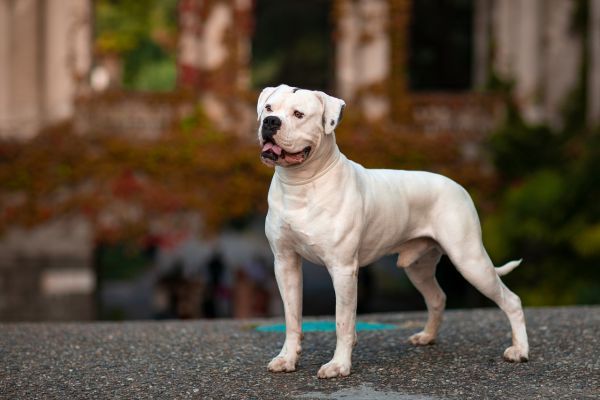
The American Bulldog is a strong, stocky medium-to-large dog with a tough appearance but a gentle and sensitive side. Loving, affectionate and fiercely loyal, the breed is also known for a quirky, sometimes clownish personality.
American Bulldogs are naturally protective of their family and property and can be suspicious of strangers. They are best suited to active families that appreciate a powerful, devoted companion and can provide the exercise, involvement and guidance this breed needs.
FAQs about the American Bulldog
An American Bulldog can suit an experienced, active household that can meet its training and exercise needs. Its size and strength make adult supervision around children essential.
Daily walks, play and mental enrichment are important. Adjust exercise to the individual’s age, fitness, joint health and breathing ability, especially in warm weather.
Consistent, reward-based training helps teach manageable behaviour. Start early with lead manners, calm greetings and responding to cues around distractions.
Barking is generally low to moderate, although individuals vary. Increased barking may relate to excitement, unfamiliar activity, frustration or distress.
Yes. Its short coat still sheds and benefits from regular brushing. Shedding varies between individuals and may increase seasonally.
Some individuals can adapt if their exercise, companionship and space needs are met. Consider practical issues such as access to outdoor areas, stairs and managing a large dog in shared spaces.
Some can, with appropriate supervision and carefully managed introductions. Compatibility depends on the individual; socialisation cannot guarantee that every dog will accept other animals.
Relevant concerns include hip and elbow dysplasia, eye disorders, ichthyosis, inherited NCL10 and breathing problems in shorter-muzzled dogs. Discuss screening and family health history with the breeder and your vet.
No. They are separate breeds. The terms Johnson or Bully type and Scott or Standard type describe American Bulldog lines, not American Bully varieties.
MORE INFORMATION:
The True American Bulldog Original Club of Australia: http://americanbulldogclub.com.au/

Get 2 months free for your puppy!
Congrats on your new bundle of joy
To ensure your precious fur baby is covered from the start, we'd like to offer your first 2 months of our Nose-to-Tail Cover for free2!
Get a quick quote