What is a Groodle?


Groodle
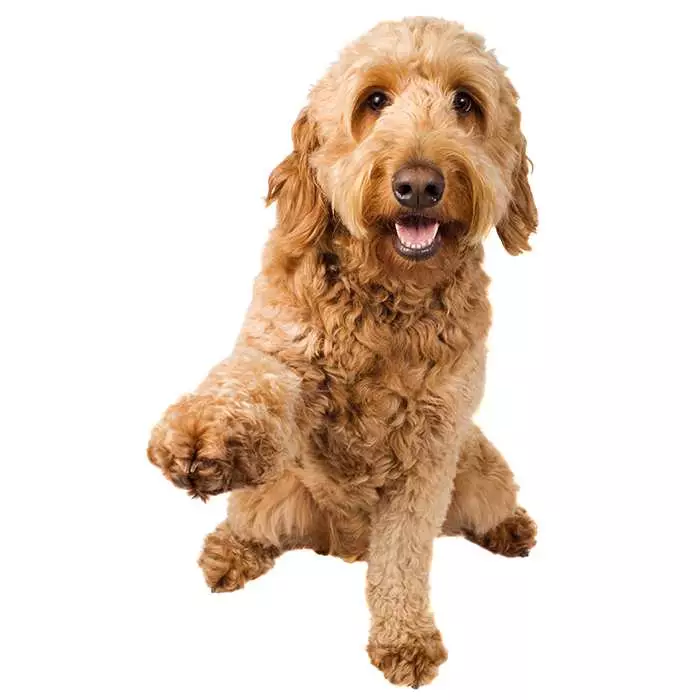
Groodles, also known as Goldendoodles, are intelligent and affectionate dogs created by crossing a Golden Retriever with a Poodle. They can range considerably in size depending on their parentage. Friendly, loving, and very human-oriented, they are known for their easy-going and calm nature, are highly trainable and make great companions.
| Recommended for | Singles, families |
| Breed Classification | Hybrid / designer breed |
| Other names | Goldendoodle, Golden Poos, Goldie Poos |
| Lifespan | Around 10–15 years |
| Size | Large |
| Temperament | Affectionate, obedient & loyal |
| Intelligence | Very high: quick learners that generally respond very well to consistent, positive reinforcement-based training |
| Tendency to bark | Low to moderate: may bark to alert their owners or when excited, bored or seeking attention |
| Maintenance Level | High: require frequent brushing, regular professional grooming, daily exercise and plenty of companionship and mental stimulation |
| Health Risk | Groodles can be prone to skin allergies, ear infections, gastrointestinal problems, hip and elbow dysplasia, eye conditions, heart disease and, particularly in larger dogs, GDV (bloat). |
Thinking of insuring a Groodle?
Explore the Top 5 health issues claimed for Groodles, including highest claims paid and how much pet insurance could help you save on eligible vet bills.
See Groodle pet insurance Ready to get cover? Get a quick quote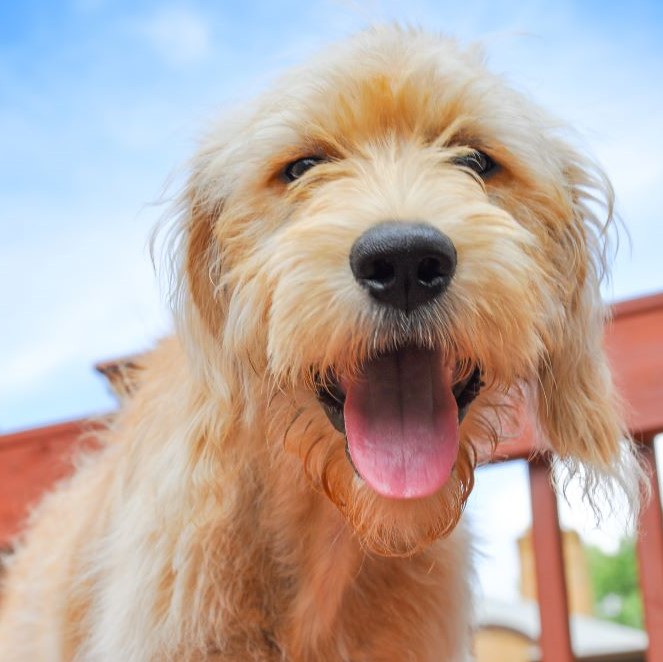
Groodle personality and temperament
The Groodle is generally friendly and family-oriented, but temperament depends on genetics, socialisation and experience. The placid and care-free temperament of the Golden Retriever, paired with the energetic and playful character of the Poodle ideally makes for an enthusiastic and joyful companion who loves to be involved in games and family events.
Groodles are best suited to living indoors with a family who will shower them with attention. They are very human-orientated, love being involved with their family and need regular human contact to remain happy. They thrive on being included in all your daily activities – even if it means taking them with you when you go out for a coffee or watch the kids play soccer.
Groodles are very social animals who will often welcome strangers, greet friends with affection and their family with steadfast loyalty. They require a good deal of interaction with, and devotion and care from, their humans. They don’t enjoy being left behind and can develop separation anxiety if left to their own devices for any extended period of time, which can result in behavioural problems.
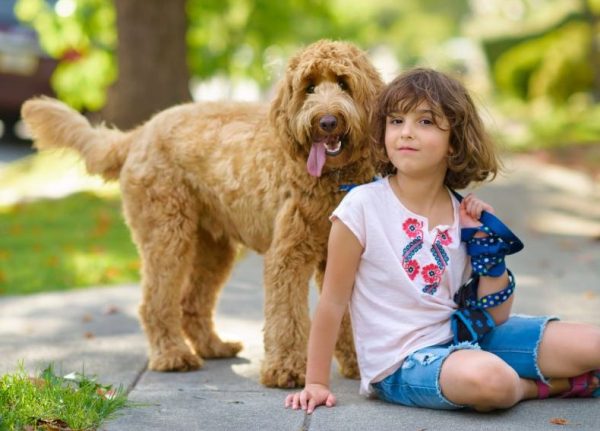
Groodles with kids and other pets
Known for their friendly, easy going and calm nature, Groodles can make affectionate family companions, but interactions between dogs and young children should always be supervised, particularly with larger, energetic Groodles.
The Goldendoodle is known for its patience and its ability to cohabitate peacefully with other pets in the home. Early and ongoing socialisation can help Groodles become comfortable and well-adjusted around other dogs and pets.
Groodle training and exercise
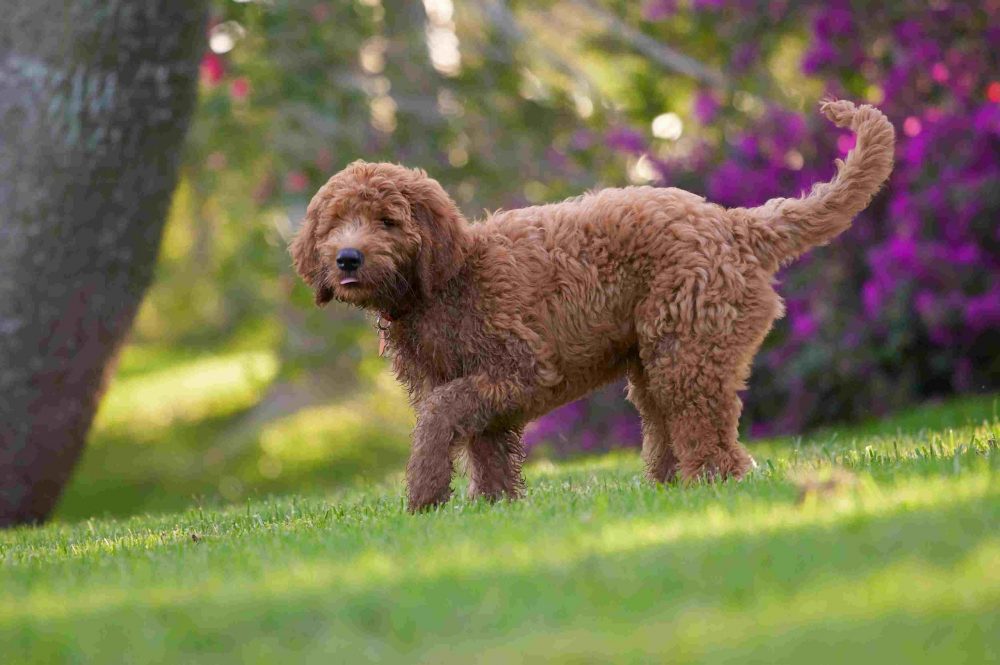
Groodles tend to be very energetic dogs that require a good deal of exercise and mental stimulation. Walks, running, swimming, fetch, hiking and training games are all suitable activities. Puzzle toys, scent games, retrieving, obedience and trick training are useful ways to combine mental and physical activity. If the Goldendoodle isn’t taken for a daily walk and/or played with regularly, destructive habits may form.
Groodles are intelligent and generally eager to learn. They respond well to consistent, positive reinforcement-based training, and benefit from starting training and socialisation from puppyhood.
| Energy level | Medium to high |
| Exercise requirements | Medium to high: around 30–60 minutes of physical exercise each day, plus play and mental stimulation |
Common health issues for Groodles
What do Groodle owners claim for the most?
Groodles are generally healthy dogs, but they can experience health conditions inherited from either the Golden Retriever or Poodle side of their ancestry, as well as some common skin, ear and gastrointestinal problems.
- Skin Allergies can cause itching, redness, licking, hair loss and recurrent skin irritation. Persistent skin problems should be assessed by a vet.
- Ear infections occur relatively frequently in Groodles. Their floppy ears and coat can help trap moisture, so monitoring the ears and keeping them dry after swimming or bathing is important.
- Gastrointestinal problems such as gastroenteritis and other stomach or intestinal upsets are also commonly seen in Groodles.
- Hip dysplasia and elbow dysplasia involve abnormal development of the joints and may cause pain, lameness and arthritis. Screening of breeding dogs for both hip and elbow dysplasia is recommended.
- Eye conditions can include progressive retinal atrophy (PRA), cataracts and glaucoma. GANA requires eye screening and DNA testing for several inherited forms of PRA in its breeding program.
- Heart disease, including subaortic stenosis, can occur, and cardiac screening is recommended for breeding Groodles.
- Gastric dilatation-volvulus (GDV or bloat) is a life-threatening emergency that can affect larger, deep-chested Groodles. Signs such as unproductive retching, a swollen abdomen, excessive drooling or restlessness require immediate veterinary attention.
Not all conditions are covered by Pet Insurance. For details of Bow Wow Meow Pet Insurance cover, refer to the Product Disclosure Statement.
How to choose the right insurance for your Groodle
When comparing cover for your Groodle, look for:

Cover for common Groodle conditions:
Check that the policy covers conditions Groodles can be prone to, including common health issues.

Cover for hereditary conditions:
No exclusions for hereditary or congenital conditions⑅.

Flexible cover options:
Options to adjust your annual benefit limit, reimbursement rate and excess.
Bow Wow Meow's Nose-to-Tail Cover offers flexible options for your Groodle, with cover for accidental injuries, illnesses and hereditary conditions⑅. Get a quick quote for cover that suits your Groodle and your budget.
Groodle feeding and nutrition
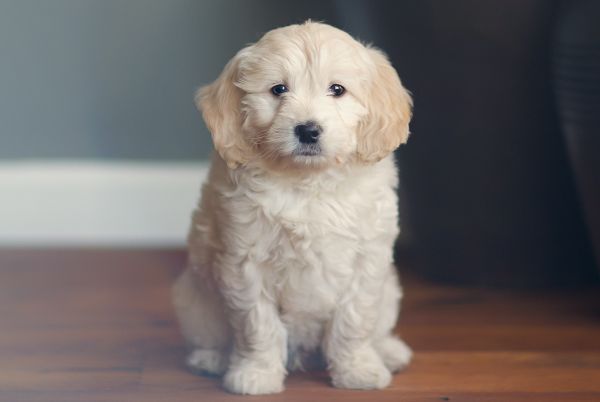
The Groodle should do well on a high-quality, well-balanced diet that is appropriate to the dog’s age (puppy, adult, or senior), size and activity level. Check with your vet if you have any concerns about your dog’s weight or diet.
Avoid feeding unsuitable table scraps or making sudden changes to your Groodle’s diet, particularly if they have a sensitive stomach. Groodles may also become overweight, so it’s important to monitor their calorie consumption and weight level. To help reduce the risk of gastric dilation and volvulus or ‘bloat’, don’t feed your Groodle large meals. Spread the portions out during the day over a number of smaller meals and feed them at least an hour before or after any rigorous exercise.
Groodle care and grooming
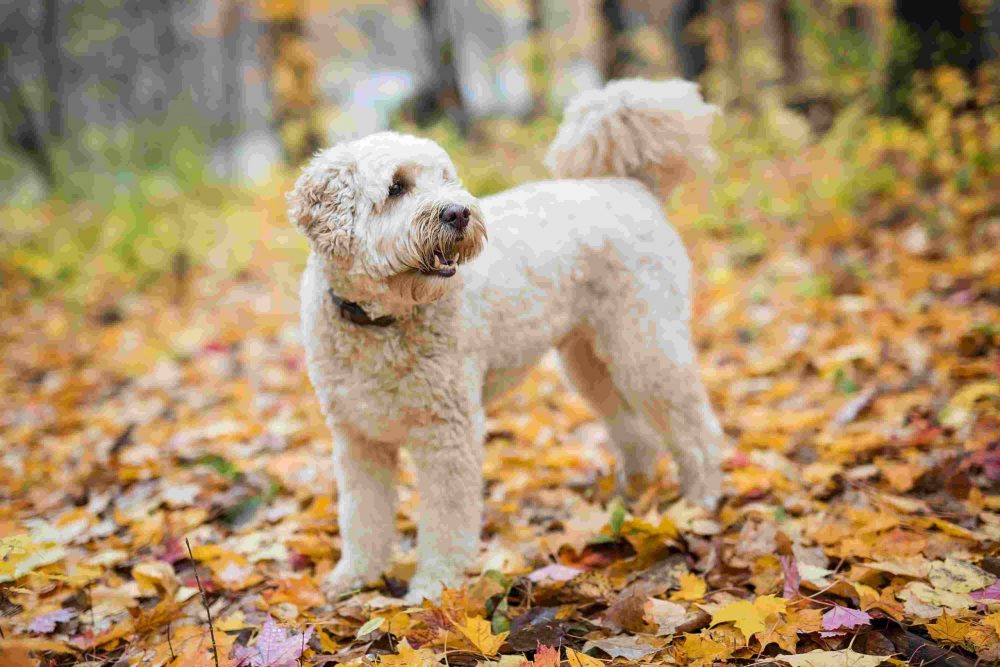
Groodle coats require regular maintenance. Most should be brushed thoroughly several times a week to help prevent knots and matting, and many require professional grooming approximately every four to eight weeks. Grooming needs vary according to coat type and length.
Many Groodles shed relatively little, particularly those with curlier, more Poodle-like coats, but shedding varies between individuals. No dog is completely hypoallergenic, so people with dog allergies should spend time with a particular dog before bringing one home.
Ear conditions are seen more often in Groodles than in the average dog, so their ears should be monitored and kept clean and dry, particularly after swimming or bathing.
Size, appearance and coat of Groodles
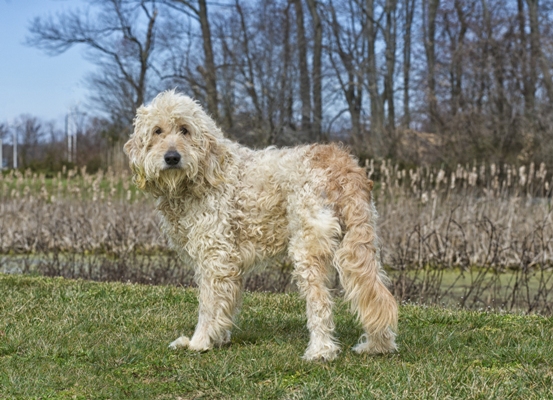
Because the Groodle, or Golden Doodle, is a relatively new crossbreed, they come in a variety of appearances, but tend to be large sized dogs with medium length, curly coats and a happy facial expression.
There are three common coat types: curly, wavy and straight. However, they can resemble a shaggy-looking retriever or a curly poodle, depending on the dominant genes they inherit. Their coat colours are also diverse and depend on their parent breeds.
| Weight range | Standard Groodle: 23 to 45 kg |
| Height range | Standard Groodle: around 53 cm |
| Colours | Cream, gold, apricot, chocolate, gray, black, parti or phantom |
| Coat length | Medium |
Breed history of Groodles
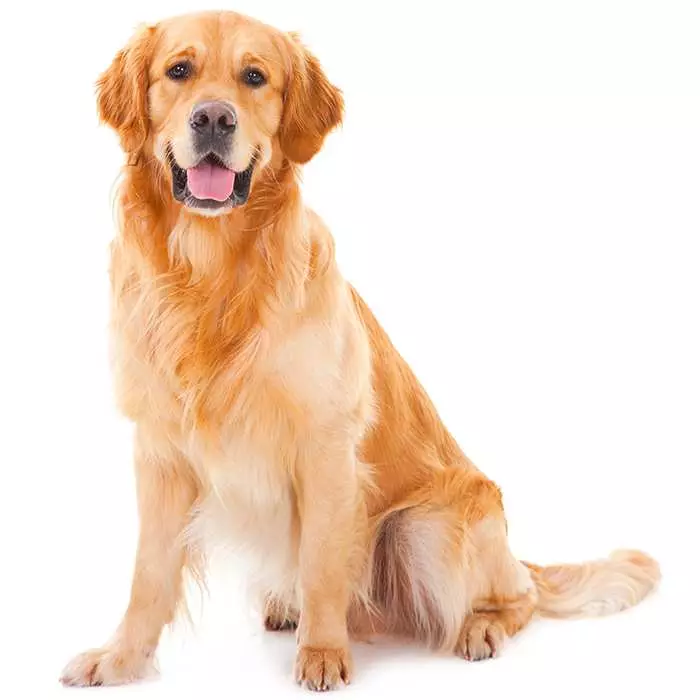
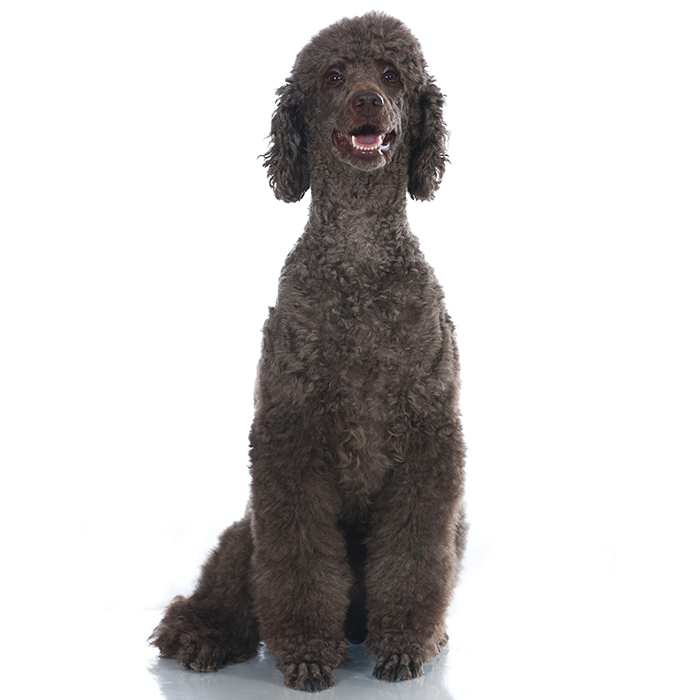
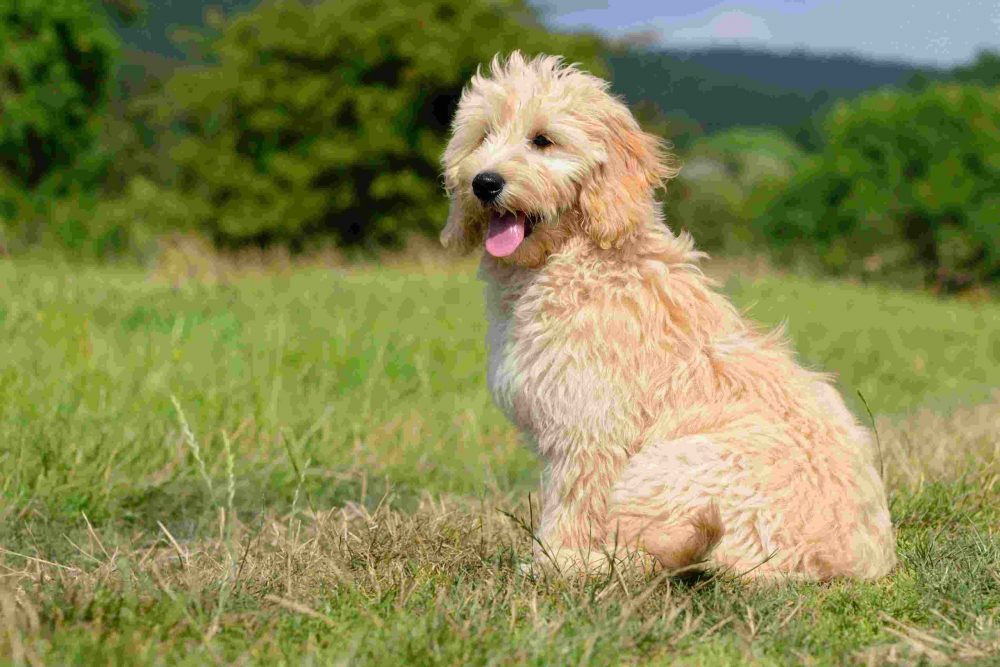
The Groodle, also known as Goldendoodle, is a hybrid breed of dog: a mix of the Golden Retriever and the standard Poodle. Golden Retriever–Poodle crosses were produced as early as the 1960s, although the Goldendoodle became much more widely bred and popular during the 1990s.
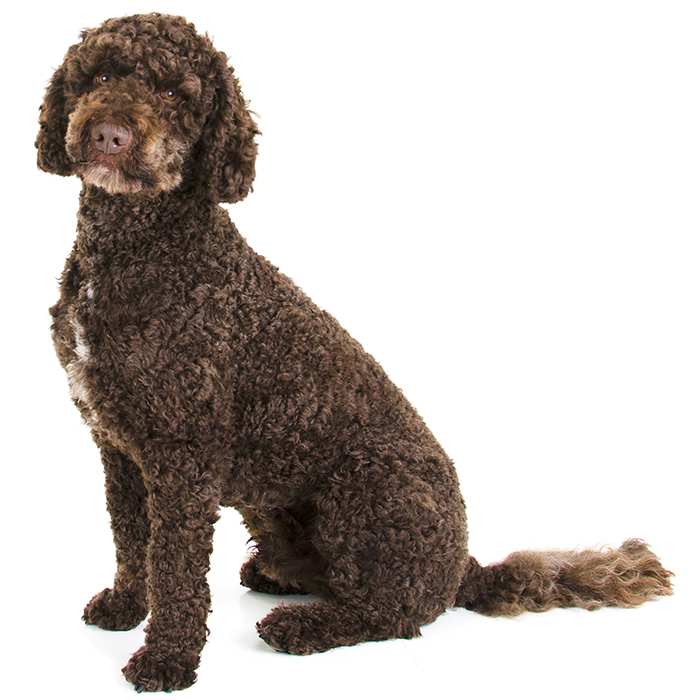
This mix is a product of recent trends in dog crossbreeding for the purposes of producing a better companion dog. The Poodle has, in the last few decades, become a popular breed for crossbreeding and the popularity of the Groodle, Labradoodle, Cavoodle and Moodle are all evidence of this.
The Groodle or Goldendoodle came about after the great success of the Labradoodle as a guide dog and general companion animal. It was thought that the placid and good-natured temperament of the Golden Retriever, paired with the high intelligence of the Poodle, would produce a breed of great charm and spunk. Today, Goldendoodles are very popular in the United States, Canada, the United Kingdom and Australia.
Explore related breeds
Groodle facts!
- Groodles come in far more colours than just gold. Thanks largely to their Poodle ancestry, they can be cream, apricot, red, chocolate, black, silver or grey, and can also have patterns such as parti, phantom and abstract markings.
- There are four commonly recognised Groodle size categories: Petite, Miniature, Medium and Standard, with Petite Groodles under about 35 cm tall and Standards over about 53 cm.
- Groodles can have straight coats as well as wavy or curly ones. Although the classic “teddy bear” wavy coat is common, coat texture can vary considerably between individual dogs.
- Some Groodles work as therapy and assistance dogs. Their intelligence, trainability and people-oriented temperament can make suitable individuals well suited to service and therapy roles.
- A “parti” Groodle is at least 50% white, while the rest of the coat consists of patches of another colour, making parti Groodles particularly distinctive.
- “Phantom” Groodles have a very specific colour pattern. They have lighter markings above the eyes, on the muzzle, chest, legs and under the tail against a darker black or brown base coat.
Summary
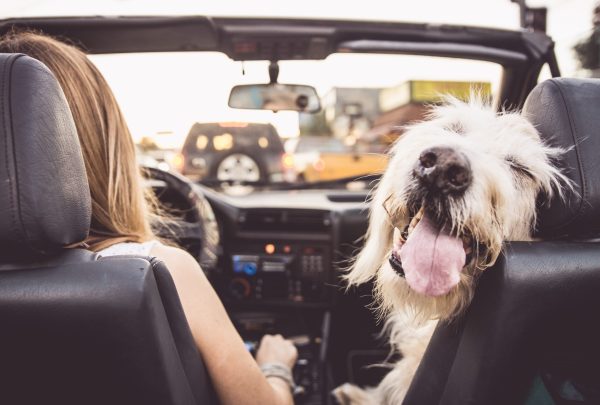
The Groodle, or Golden Doodle, is a large cross between the Golden Retriever and Standard Poodle. Intelligent, confident, friendly and loving, Groodles are highly people-oriented and are generally known for an easy-going, calm nature.
They require plenty of interaction, care and involvement from their owners and are often highly trainable. Groodles can make excellent companions for households prepared to provide the attention and companionship this social crossbreed needs.
FAQs about the Groodle
A Groodle is a cross between a Golden Retriever and a Poodle. As a crossbreed, appearance, coat, size and temperament can vary between individuals.
They can make good family companions, but temperament can vary between individuals and, for crosses, according to the other breed in the mix. Early socialisation and consistent training are important.
Moderate to high. Daily walks, play and mental enrichment are important, with regular opportunities for more active exercise.
Generally yes. They are intelligent and usually respond well to positive, consistent training, particularly when sessions are engaging and rewarding.
They are generally low to moderate or moderate barkers, although barking can increase with boredom, excitement, anxiety or unfamiliar activity.
Coat type and shedding can vary considerably depending on the other breed in the mix, so neither low shedding nor a particular grooming requirement can be guaranteed.
They can adapt to apartment living in the right circumstances, but owners need to meet their daily exercise, enrichment and behavioural needs consistently.
Many can live happily with children and other pets when socialised from a young age, although individual temperament and compatibility always vary.
Potential health concerns include hip and elbow dysplasia, eye disease, ear problems and skin allergies inherited from either parent breed.
No dog is truly hypoallergenic. Many may inherit a low-shedding Poodle-type coat, but coat type and the amount of allergen produced vary between individuals.
MORE INFORMATION
Goldendoodle Association of North America (GANA): https://www.goldendoodleassociation.com/

Get 2 months free for your puppy!
Congrats on your new bundle of joy
To ensure your precious fur baby is covered from the start, we'd like to offer your first 2 months of our Nose-to-Tail Cover for free2!
Get a quick quote