What is a Cavoodle?


Cavoodle
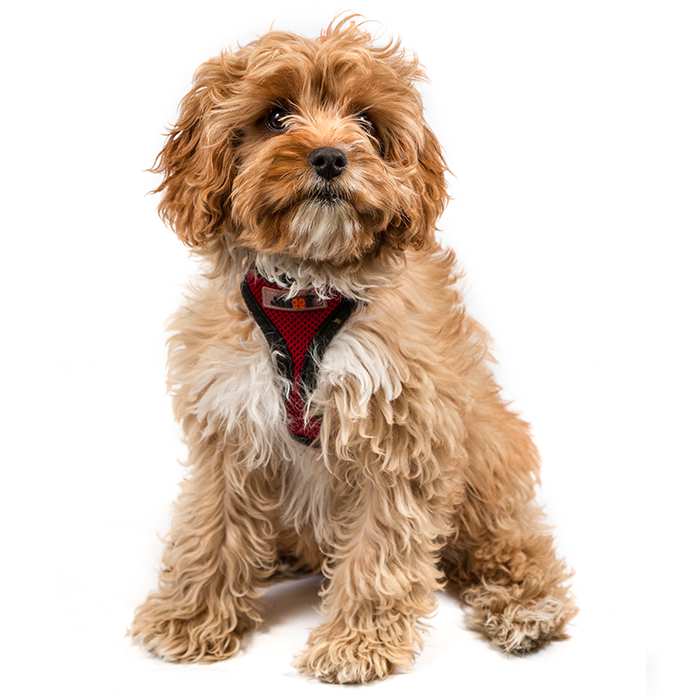
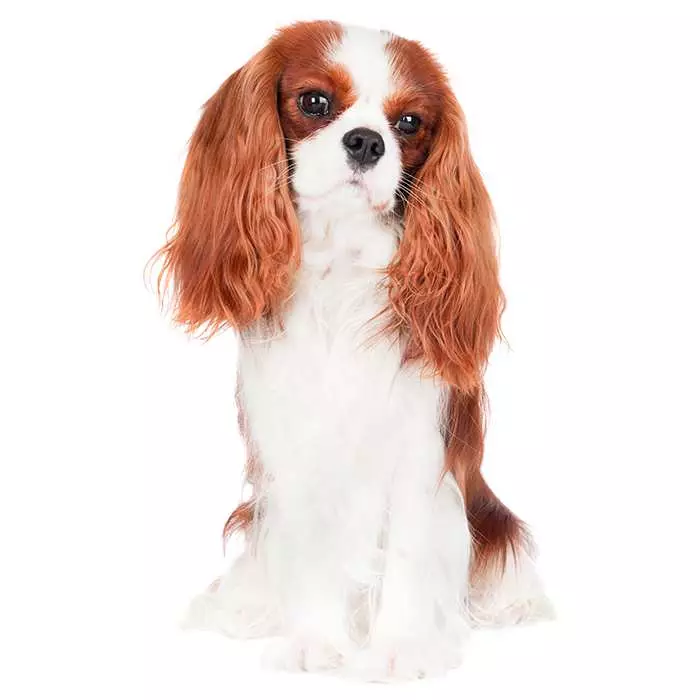
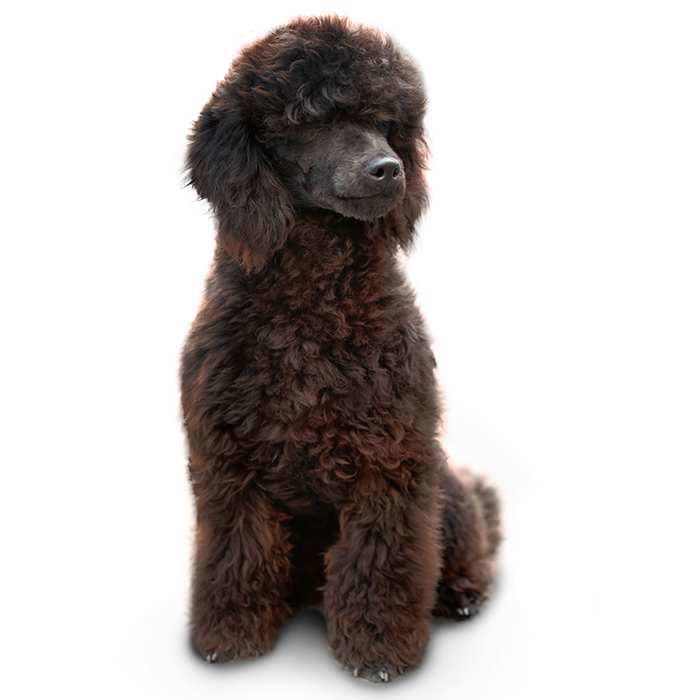
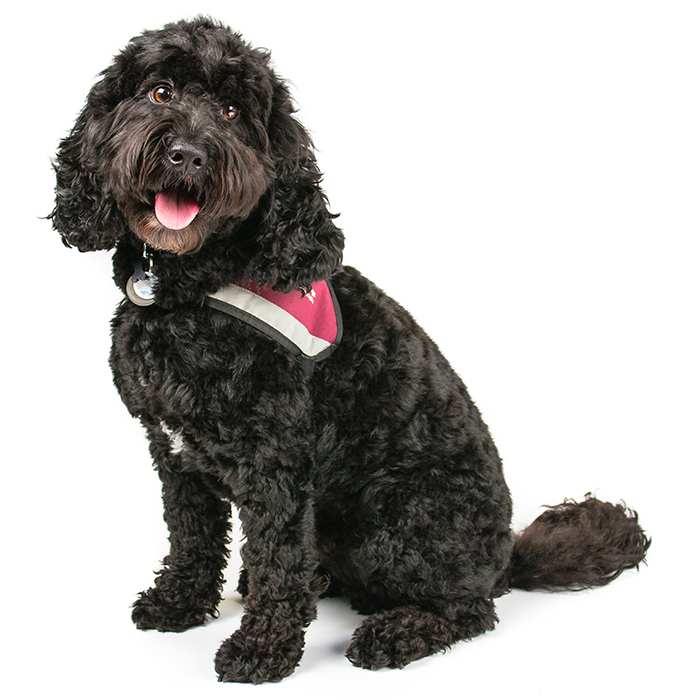
Cavoodles, also known as Cavapoos, are cute, smart and energetic small- to medium-sized dogs with soft, Poodle-like coats. They are typically lively, fun-loving dogs that enjoy play and are eager to please. Their temperament combines traits of the Cavalier King Charles Spaniel and Poodle, resulting in an affectionate and adaptable companion that is popular with families.
| Recommended for | Families with kids |
| Breed Classification | Hybrid / designer breed |
| Other names | Cavapoo |
| Lifespan | 10-14 years |
| Size | Small to medium |
| Temperament | Affectionate, playful, eager to please |
| Intelligence | High; typically quick to learn and responsive to positive, consistent training |
| Tendency to bark | High: they can be quite vocal, barking to alert their owners to visitors, when excited or when seeking attention |
| Maintenance Level | Moderate to high: require regular grooming, daily exercise and lots of companionship |
| Health Risk | Cavoodles are generally healthy dogs but they may be susceptible to inherited conditions including syringomyelia, mitral valve disease, cataracts, hip dysplasia, patellar luxation, progressive retinal atrophy and epilepsy. |
Thinking of insuring a Cavoodle?
Explore the Top 5 health issues claimed for Cavoodles, including highest claims paid and how much pet insurance could help you save on eligible vet bills.
See Cavoodle pet insurance Ready to get cover? Get a quick quote
Cavoodle personality and temperament
Cavoodles are typically lively, fun-loving dogs that love to play and are eager to please. The Cavoodle temperament combines the best traits from the Cavalier and the Poodle, making it an affectionate, laid-back and calm family companion. They thrive on companionship and generally should not be left alone for long periods. Because they can form very strong attachments, they may be susceptible to separation-related anxiety, but they should also be taught gradually to cope with appropriate periods alone.
Highly intelligent, if they do not get enough stimulation, Cavoodles will find themselves something to do, which might not be something their owners will be happy with. Boredom and anxiety can also contribute to excessive barking, so adequate exercise, mental stimulation and consistent training are important.
Cavoodles can adapt well to apartment living provided they receive adequate daily exercise, mental stimulation and companionship. Their tendency to bark should also be considered in homes with close neighbours.
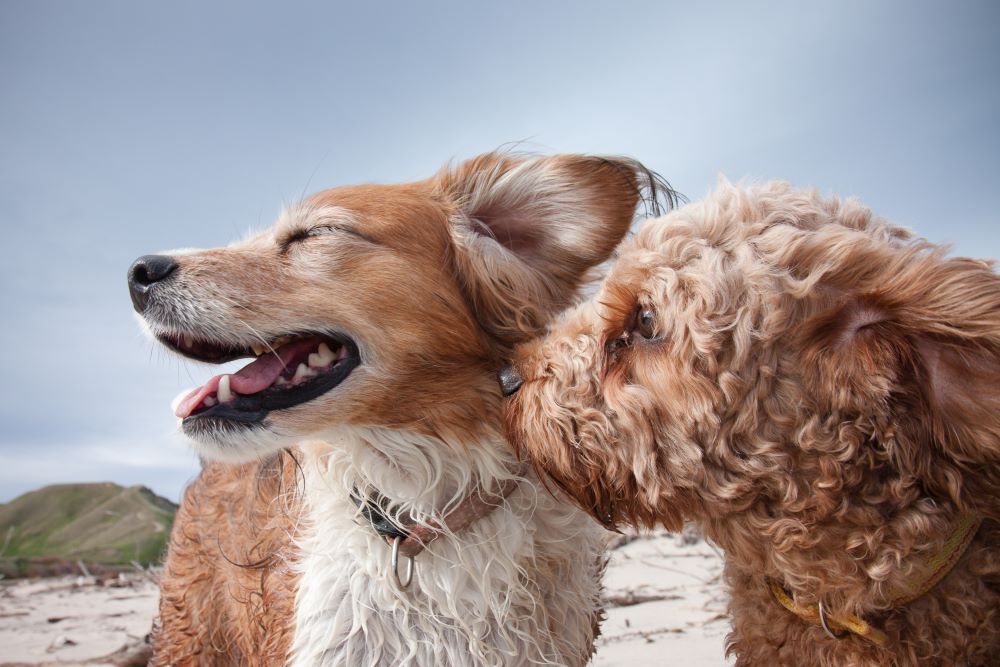
Cavoodles with kids and other pets
Cavoodles were developed to be companion dogs and thrive on the company of their family and other household pets.
In general, they are very loyal and affectionate towards all family members and are great with children.
Younger children do need to be taught to be gentle with their Cavoodle and not to treat the dog like a toy.
Cavoodle training and exercise
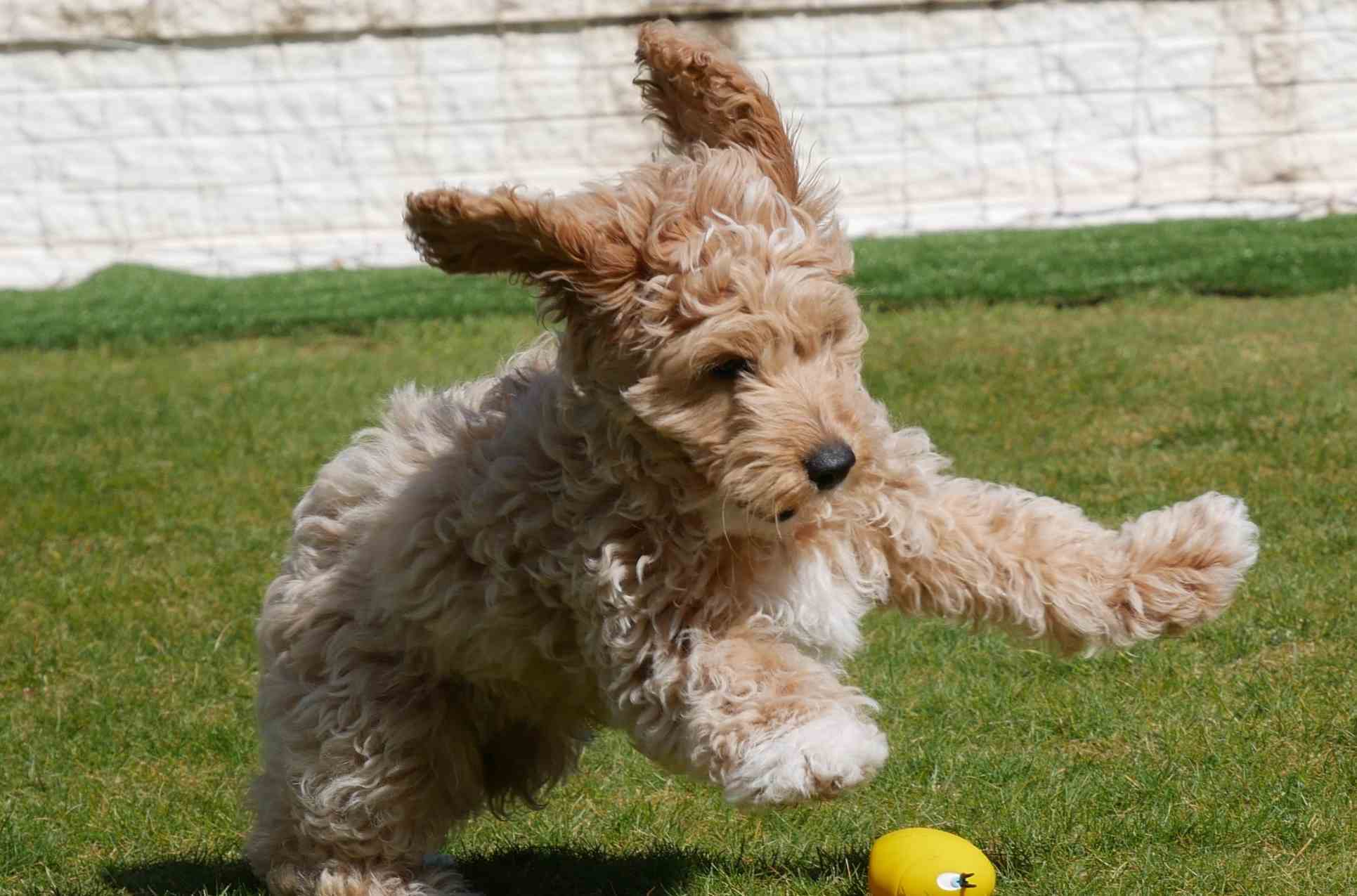
Cavoodles are lively and energetic dogs; they are not simply lap dogs and definitely not couch potatoes! They should be taken for one or two daily walks and/or outdoor play sessions. They often enjoy socialising with other dogs and can be trained to retrieve a ball.
Cavoodles are smart, enthusiastic, eager-to-please and obedient – traits that make them highly trainable. As well as physical exercise, they benefit from mental stimulation such as short training sessions, puzzle toys, scent games and learning new tricks. Their intelligence and eagerness to please generally make them responsive to positive reinforcement-based training.
| Energy level | High |
| Exercise requirements | High: daily walks and regular play |
Common health issues for Cavoodles
What do Cavoodle owners claim for the most?
While Cavoodles can inherit certain conditions from their parent breeds, some of the more common reasons Cavoodle owners visit the vet include gastrointestinal problems, skin conditions and ear infections.
- Syringomyelia is a neurological condition in which fluid-filled cavities, called syrinxes, develop within the spinal cord. It is often associated with Chiari-like malformation and can cause pain and neurological signs. Cavalier King Charles Spaniels are particularly predisposed, so Cavoodles may inherit an increased risk.
- Mitral Valve Disease is particularly common in Cavalier King Charles Spaniels and may therefore be a concern in Cavoodles. The disease causes degeneration of the mitral valve and may initially be detected as a heart murmur. In some dogs it progresses over time and can eventually lead to congestive heart failure.
- Cataracts occur in dogs as they do in humans, when a cloudy membrane forms over the lens of the eye, causing vision loss. Cataracts can be removed surgically.
- Hip dysplasia is a condition where the thighbone and hip do not fit together properly at the hip joint, causing pain and lameness. Less severe cases can be treated with anti-inflammatory medications, but surgery may be required for serious cases.
- Patellar luxation occurs when the bones of the patella (kneecap) are not aligned properly and as a result slip in and out of place, causing pain and an abnormal gait. Mild cases generally do not require treatment and do not impact too much on the dog’s life, but severe cases may require surgery.
- Progressive retinal atrophy refers to a family of eye diseases which gradually result in the deterioration of the retina, causing first night blindness then progressing to total blindness. There is no cure, but most dogs adapt very easily to the vision loss, provided their familiar environment does not change too much.
- Epilepsy is a neurological disorder characterised by seizures that have no known cause. A seizure is a sudden surge in the electrical activity of the brain causing signs such as twitching, spasms, shaking, tremors and/or convulsions. Fairly common in certain breeds, a genetic basis is suspected. Anti-seizure medications can be prescribed for affected dogs.
Not all conditions are covered by Pet Insurance. For details of Bow Wow Meow Pet Insurance cover, refer to the Product Disclosure Statement.
How to choose the right insurance for your Cavoodle
When comparing cover for your Cavoodle, look for:

Cover for common Cavoodle conditions:
Check that the policy covers conditions Cavoodles can be prone to, including common health issues.

Cover for hereditary conditions:
No exclusions for hereditary or congenital conditions⑅.

Flexible cover options:
Options to adjust your annual benefit limit, reimbursement rate and excess.
Bow Wow Meow's Nose-to-Tail Cover offers flexible options for your Cavoodle, with cover for accidental injuries, illnesses and hereditary conditions⑅. Get a quick quote for cover that suits your Cavoodle and your budget.
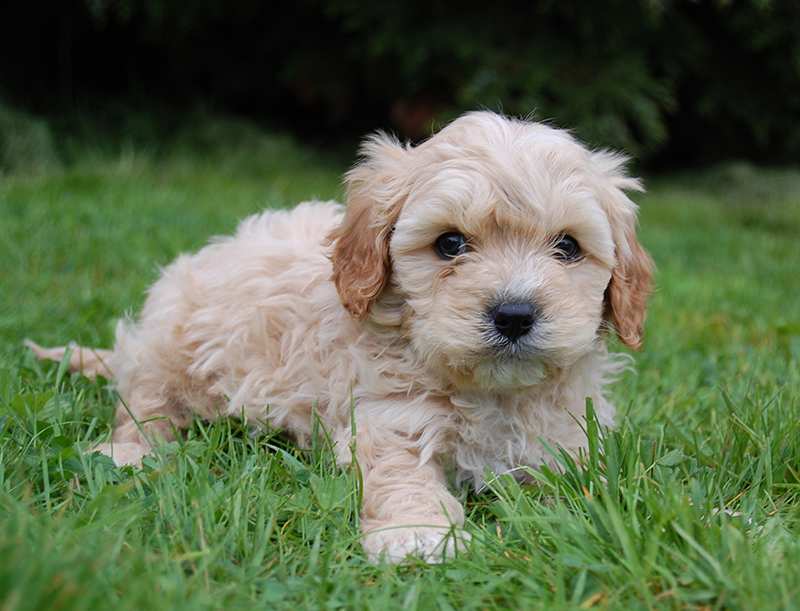
Cavoodle feeding and nutrition
The Cavoodle should do well on a high-quality, balanced diet, whether commercially manufactured or home-prepared with your veterinarian’s supervision and approval. Any diet should be appropriate to the dog’s age (puppy, adult, or senior).
Because Cavoodles are prone to tartar build up on their teeth, regular dental care is important. Brushing your dog’s teeth regularly can help control plaque and tartar, while specially formulated dental diets or other veterinary-recommended dental products may also be beneficial.
Cavoodle care and grooming
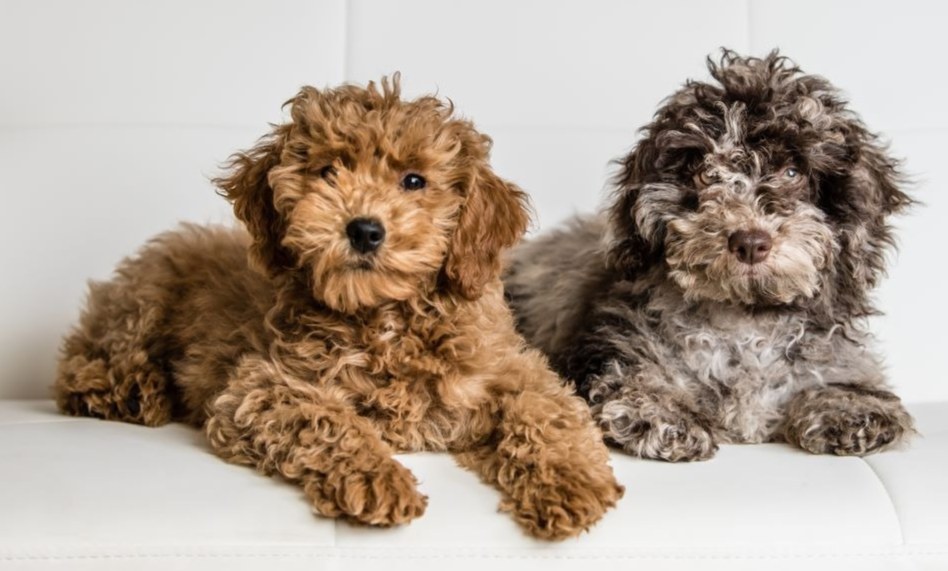
The Cavoodle’s appearance and coat can vary considerably because there is no established breed standard, with coats ranging from more Poodle-like and low-shedding to coats that more closely resemble the Cavalier. Grooming needs therefore vary between individuals:
- Those with Poodle-type coats require brushing every couple of days but shed very little.
- Those with Cavalier-type coats require less brushing but tend to shed more than their Poodle-coated counterparts.
Cavoodles are generally considered low-shedding dogs, particularly those with a more Poodle-like coat. However, shedding varies between individual dogs, and Cavoodles with a more Cavalier-like coat may shed noticeably more.
Size, appearance and coat of Cavoodles
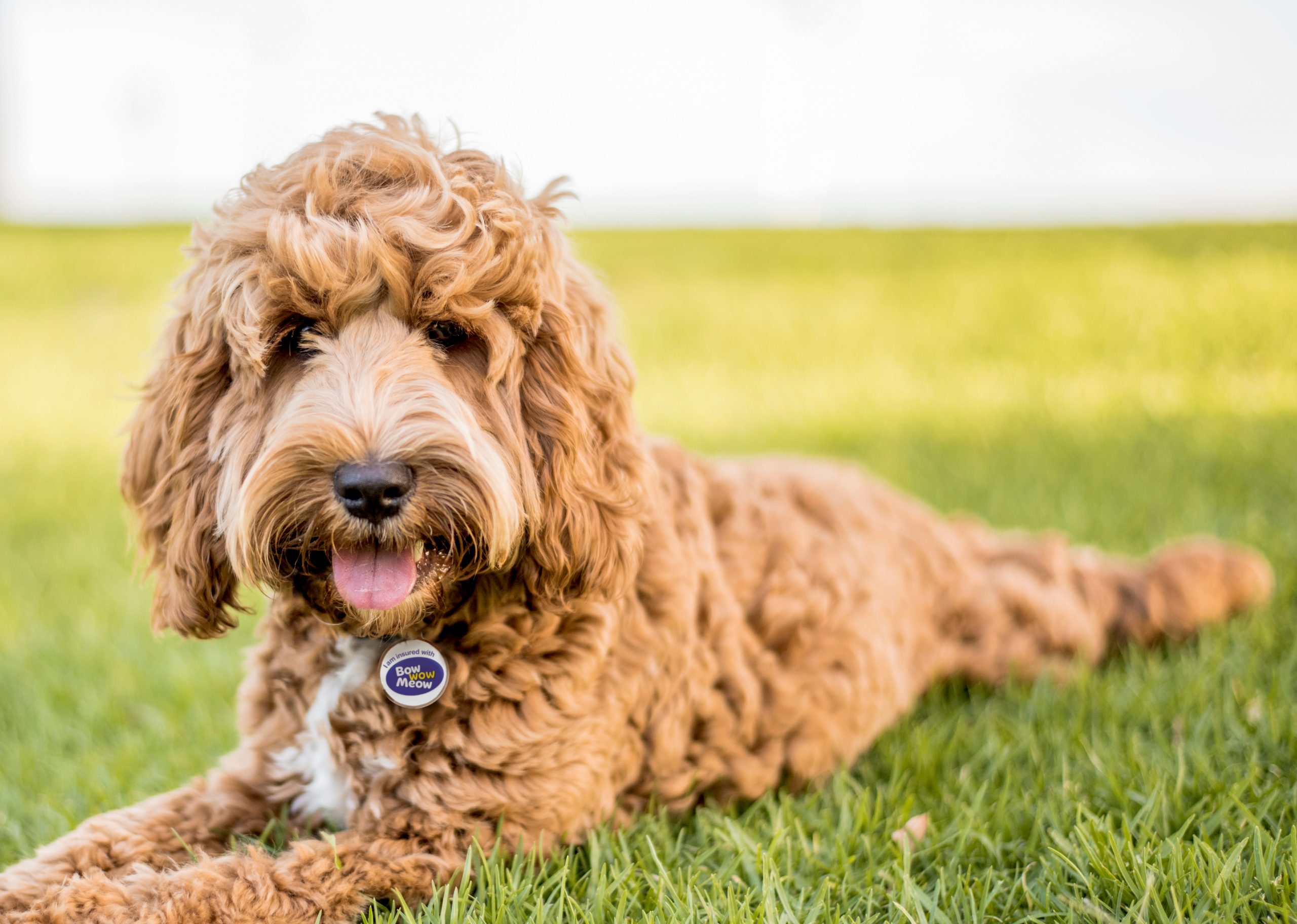
The Cavoodle is a sweet-looking dog with a long coat, floppy ears and soft brown eyes. Cavoodles come in a variety of colours, including black, white, chestnut/white, black/white/tan, gold, red, ruby and apricot.
The adult size of a Cavoodle can vary depending largely on whether the Poodle parent is a Toy or Miniature Poodle. Toy Cavoodles tend to be smaller, while Miniature Cavoodles generally grow taller and heavier. Because Cavoodles are a crossbreed without an established breed standard, individual dogs can fall outside typical size ranges and there can be a great deal of variation between individual dogs.
| Weight range | 5 to 12 kg |
| Height range | 25 to 38 cm |
| Colours | Gold, tan, cream, black, brown, with or without markings in these colours |
| Coat length | Long, with a soft, wavy or curly texture |
Breed history of Cavoodles
The Cavoodle was first bred in Australia in the late 1990s and has since made its way to the UK and USA, where it is more commonly known as the “Cavapoo”.
The original breeders of the Cavoodle wanted to mix the outgoing and calmer nature of the Cavalier King Charles Spaniel with the intelligence of the Poodle. Because Poodles tend to shed less, they were also selected in an effort to produce a lower-shedding companion dog that could be tolerated by allergy sufferers. However, no dog is completely hypoallergenic.
Today the Cavoodle is one of the most popular breeds in Australia; however, it is not recognised by any of the major international kennel clubs, which only recognise ‘pure’ breeds, not so-called designer and hybrid breeds.
Explore related breeds
Cavoodle facts!
- While “Cavoodle” is the most used name for the breed in Australia, internationally it is also known as the Cavapoo, Cavadoo, Cavapoodle and Cavadoodle.
- A Cavoodle’s coat colour can change as it grows up. Some Cavoodles inherit a colour-fading gene from their Poodle ancestry, meaning a puppy’s coat can become noticeably lighter as it matures.
- Cavoodles usually reach their full adult size at around 12 months old. Their final height and build can vary considerably depending on whether Toy or Miniature Poodle ancestry is involved.
- Their Poodle ancestors were working dogs – and even circus performers. Poodles were originally water-retrieving dogs, while smaller Poodles later became popular circus dogs thanks to their intelligence and trainability. This helps explain the Cavoodle’s reputation for being quick to learn tricks and games.
- Cavoodles can make surprisingly alert little watchdogs. Despite their friendly nature, they may bark when they notice something unusual or perceive a potential threat, then settle once they realise there is no danger.
- Two Cavoodles from the same litter can end up looking quite different as adults. Because they can inherit different combinations of genes from their Cavalier and Poodle parents, siblings may differ in height, build, coat texture and even how their coat develops with age.
Summary
The Cavoodle, also known as the Cavapoo, is a small-to-medium cross between the Cavalier King Charles Spaniel and Poodle. Cute, smart and energetic, it is generally affectionate, lively and eager to please.
Cavoodles are popular family companions that enjoy play, attention and being included in household life. Their friendly, laid-back side can make them adaptable pets, while regular grooming, interaction and consistent training help meet their day-to-day needs.
FAQs about the Cavoodle
A Cavoodle is a cross between a Cavalier King Charles Spaniel and a Toy or Miniature Poodle. As a crossbreed, appearance, coat, size and temperament can vary between individuals.
They can make good family companions, but temperament can vary between individuals and, for crosses, according to the other breed in the mix. Early socialisation and consistent training are important.
Moderate. Daily walks and play are generally appropriate, adjusted for the dog’s age, health and individual energy level.
Generally yes. They are intelligent and usually respond well to positive, consistent training, particularly when sessions are engaging and rewarding.
They are generally low to moderate or moderate barkers, although barking can increase with boredom, excitement, anxiety or unfamiliar activity.
Coat type and shedding can vary considerably depending on the other breed in the mix, so neither low shedding nor a particular grooming requirement can be guaranteed.
Yes, they can adapt well to apartment living provided they receive sufficient daily exercise, mental stimulation and companionship.
Many can live happily with children and other pets when socialised from a young age, although individual temperament and compatibility always vary.
Potential health concerns include heart, eye, joint, dental and neurological conditions inherited from either parent breed.
No dog is truly hypoallergenic. Many may inherit a low-shedding Poodle-type coat, but coat type and the amount of allergen produced vary between individuals.
null

Get 2 months free for your puppy!
Congrats on your new bundle of joy
To ensure your precious fur baby is covered from the start, we'd like to offer your first 2 months of our Nose-to-Tail Cover for free2!
Get a quick quote