

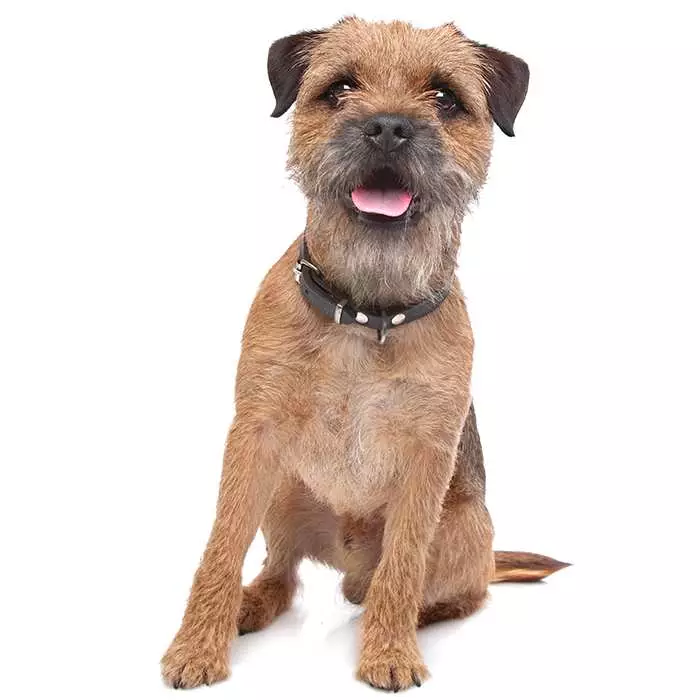
What is a Jack Russell Terrier Cross?


Jack Russell Terrier Cross
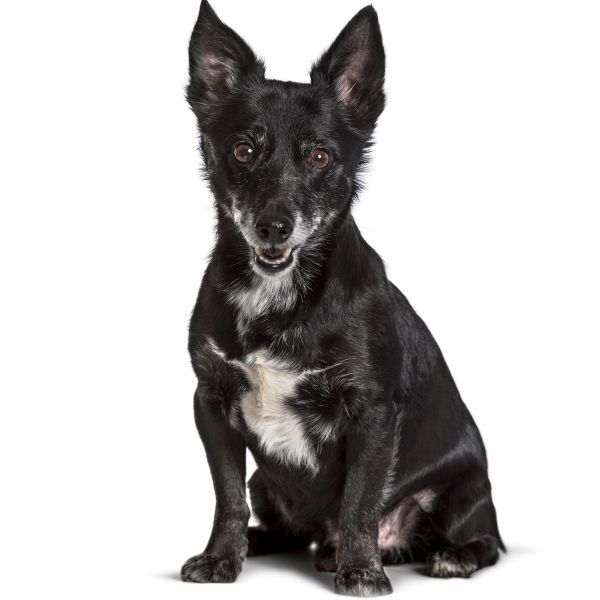
Jack Russell Terrier Cross dogs are lively, clever and full of personality. They are often chosen by owners who like a small dog that is energetic, entertaining and highly engaged with the world around it. Many inherit the Jack Russell Terrier's bold, curious nature and need for activity, which can make them rewarding companions for the right home but more demanding than their size first suggests.
| Recommended for | Active singles, couples and families with older children |
| Breed Classification | Crossbreed / terrier type |
| Other names | Jack Russell Cross, JRT Cross |
| Lifespan | Around 13 to 16 years |
| Size | Small |
| Temperament | Bold, bright, lively, alert |
| Intelligence | High |
| Tendency to bark | Medium to high |
| Maintenance Level | Low to medium |
| Health Risk | Moderate |
Thinking of insuring a Jack Russell Terrier Cross?
Explore the Top 5 health issues claimed for Jack Russell Terrier Crosses, including highest claims paid and how much pet insurance could help you save on eligible vet bills.
See Jack Russell Terrier Cross pet insurance Ready to get cover? Get a quick quote
Jack Russell Terrier Cross personality and temperament
Jack Russell Terrier Cross dogs are often bold, bright and packed with personality. Many are affectionate with their owners, but not necessarily soft or quiet in nature. They often like activity, novelty and stimulation, and can be quick to investigate anything new.
Many are confident little dogs with a strong independent streak. They can be funny, entertaining and deeply loyal, but also vocal, stubborn or intense if they do not have enough structure. Their terrier instincts can show up in chasing, digging, barking or fixating on movement.
In the right home, these traits are part of their charm. In the wrong home, they can feel exhausting. They are often best suited to owners who enjoy an active, spirited dog rather than one that simply wants to sit still.

Jack Russell Terrier Crosses with kids and other pets
A well-socialised Jack Russell Terrier Cross can do very well with respectful children and can be a fun family companion. They usually suit homes where children understand that a small dog does not mean a toy. Rough handling or constant over-excitement can lead to stress or defensive behaviour.
With other pets, compatibility depends on the individual dog and the household setup. Some live happily with other dogs and cats, while others have a stronger prey drive or more terrier-style intensity around small animals. Early socialisation and careful introductions are important.
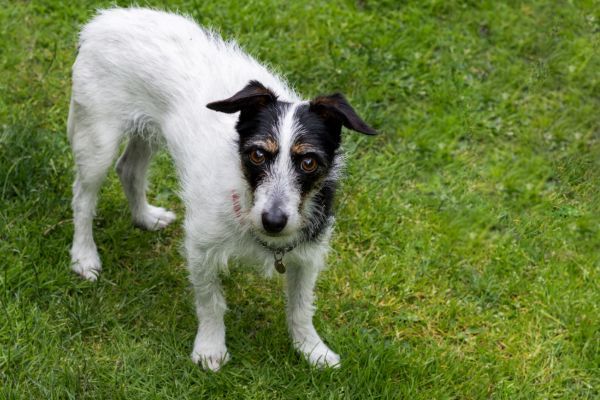
Jack Russell Terrier Cross training and exercise
Despite their small size, Jack Russell Terrier Cross dogs usually need a meaningful amount of daily exercise and mental stimulation. Walks, fetch, scent games, puzzle toys, trick training and short obedience sessions often suit them well.
Training should be clear, upbeat and consistent. Many are bright enough to learn quickly, but they can also be wilful and selective if training is dull or inconsistent. They often respond well to food rewards and interactive games. The key is to keep sessions short, varied and fair.
| Energy level | High to very high |
| Exercise requirements | High |
Common health issues for Jack Russell Terrier Crosses
What do Jack Russell Terrier Cross owners claim for the most?
- Dental disease – Small dogs can be prone to plaque build-up, gum disease and tooth loss if dental care is not kept up consistently through brushing, diet and routine veterinary attention.
- Luxating patella – This kneecap issue can occur in smaller dogs and may cause intermittent skipping, limping or discomfort, with some dogs only mildly affected and others more significantly impacted.
- Skin allergies – Terriers can be prone to itchy skin and recurring irritation, which may show up as scratching, chewing, redness or coat problems depending on the trigger involved.
- Ear infections – Ear problems may occur, particularly in dogs with allergy issues or heavier ear flaps, and can lead to discomfort, odour, scratching and repeated flare-ups.
- Behavioural stress and over-arousal – Busy, high-energy small dogs can become vocal, reactive or difficult to settle if they are under-exercised, under-stimulated or lacking enough routine and training.
Not all conditions are covered by Pet Insurance. For details of Bow Wow Meow Pet Insurance cover, refer to the Product Disclosure Statement.
How to choose the right insurance for your Jack Russell Terrier Cross
When comparing cover for your Jack Russell Terrier Cross, look for:

Cover for common Jack Russell Terrier Cross conditions:
Check that the policy covers conditions Jack Russell Terrier Crosses can be prone to, including common health issues.

Cover for hereditary conditions:
No exclusions for hereditary or congenital conditions⑅.

Flexible cover options:
Options to adjust your annual benefit limit, reimbursement rate and excess.
Bow Wow Meow's Nose-to-Tail Cover offers flexible options for your Jack Russell Terrier Cross, with cover for accidental injuries, illnesses and hereditary conditions⑅. Get a quick quote for cover that suits your Jack Russell Terrier Cross and your budget.
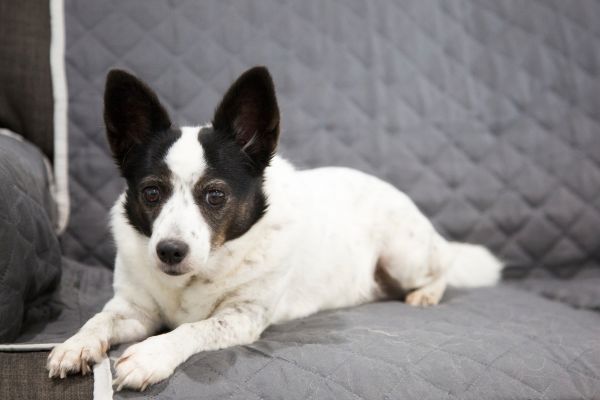
Jack Russell Terrier Cross feeding and nutrition
A high-quality diet suited to small, active dogs is usually best. Because these dogs can be very food-motivated, treats are often useful in training, but they still count toward the day’s intake. Portion control matters, especially in less active adult dogs.
Lean condition is important. Even a small amount of extra weight can affect mobility and put strain on joints in a compact dog.

Jack Russell Terrier Cross care and grooming
Grooming needs depend on the coat inherited. Smooth-coated dogs are generally easy-care, while rough or broken-coated dogs may need more regular brushing and occasional professional attention. In all cases, nail care, ear checks and dental hygiene are important.
Terrier-type dogs can be active, adventurous and sometimes hard on their bodies outdoors, so checking feet, skin and coat for burrs, scratches and grass seeds is sensible.
Size, appearance and coat of Jack Russell Terrier Crosses
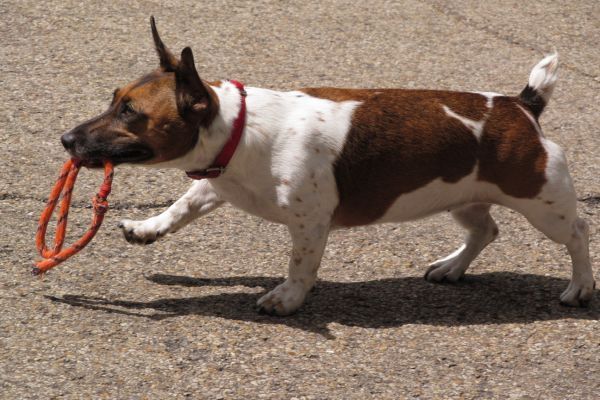
Jack Russell Terrier Cross dogs are usually small, athletic and agile, with a body that reflects speed and stamina rather than delicacy. Many have a compact but well-muscled build and move with a sense of purpose. They often look alert and ready for action even when standing still.
Depending on the mix, they may have a neat smooth coat, a rough or broken coat, or something in between. Their ears may fold, semi-prick or stand more upright, and their body shape can range from compact and square to slightly longer and leaner. Despite their size, they often project confidence and energy.
| Weight range | Usually around 5 to 10 kg, though this varies with the mix. |
| Height range | Usually around 25 to 35 cm at the shoulder. |
| Colours | Common colours include white with tan, black, brown or tri-colour markings, though broader variation can occur in crosses. |
| Coat length | May be short, rough, broken or medium, depending on parentage. |

Breed history of Jack Russell Terrier Crosses
Jack Russell Terrier Cross dogs draw on the strong terrier heritage of the Jack Russell Terrier, a breed originally developed for toughness, boldness and drive. Even in a crossbred form, many of those core terrier traits remain very obvious. These dogs are often quick, confident, vocal and highly interested in what is going on around them.
Crosses may have been bred deliberately or may simply arise from the popularity and ubiquity of small terrier-type dogs. The other breed in the mix can alter coat type, body shape, sociability and intensity, but many still keep the Jack Russell’s unmistakable spark. That is often exactly what owners like about them.
The challenge is that people sometimes choose a Jack Russell-type cross expecting ‘small and easy’, when the reality is often ‘small and busy’. Their history is not that of a passive lapdog. It is that of a dog bred to be active, bold and persistent, and that frequently still shows.
Explore related breeds
Jack Russell Terrier Cross facts!
- Jack Russell Terrier Cross dogs are often much busier than their small size suggests.
- Many seem to approach life as if every day is an adventure.
- They often combine curiosity, confidence and cheekiness in one compact package.
- A bored Jack Russell Cross can become very creative very quickly.
- They are often excellent little problem-solvers, especially when food is involved.

Summary
The Jack Russell Terrier Cross is a lively, clever dog that often packs a great deal of personality into a small frame. Many inherit the Jack Russell’s bold curiosity, energy and strong interest in the world around them, while other traits depend on the mix.
These dogs generally suit active owners who want an entertaining, highly engaged companion. Their size can be deceptive: many need considerable activity, play and training, and individual exercise and grooming needs vary according to their other ancestry.
FAQs about the Jack Russell Terrier Cross
A Jack Russell Terrier Cross is a Jack Russell Terrier crossed with another purebred or mixed-breed dog. As a crossbreed, appearance, coat, size and temperament can vary between individuals.
They can make good family companions, but temperament can vary between individuals and, for crosses, according to the other breed in the mix. Early socialisation and consistent training are important.
High. They need plenty of daily exercise, including walks, active play and mental stimulation, with opportunities for more vigorous activity where appropriate.
They are intelligent but can be independent or strong-willed, so patient, consistent reward-based training and early socialisation are important.
They can be quite vocal, particularly when alerting, excited, bored or under-stimulated, so early training can help manage unnecessary barking.
Coat type and shedding can vary considerably depending on the other breed in the mix, so neither low shedding nor a particular grooming requirement can be guaranteed.
They can adapt to apartment living in the right circumstances, but owners need to meet their daily exercise, enrichment and behavioural needs consistently.
They can live well with respectful children and other dogs, but terrier prey drive may make small pets tempting to chase and dog-to-dog compatibility varies.
Potential health concerns include joint, eye, dental and other inherited conditions depending on the breeds in the mix.
MORE INFORMATION
Jack Russell Terrier Club of Australia: https://www.jackrussellterriers.com.au/
Jack Russell Terrier Club of VIC Inc: https://www.jrtcv.com/
Jack Russell Rescue: http://www.jrtrescue.net/
Jacklands: http://www.jacklands.com/rescues.htm

Get 2 months free for your puppy!
Congrats on your new bundle of joy
To ensure your precious fur baby is covered from the start, we'd like to offer your first 2 months of our Nose-to-Tail Cover for free2!
Get a quick quote