Is the Brussels Griffon (Griffon Bruxellois) a good family dog?


Brussels Griffon
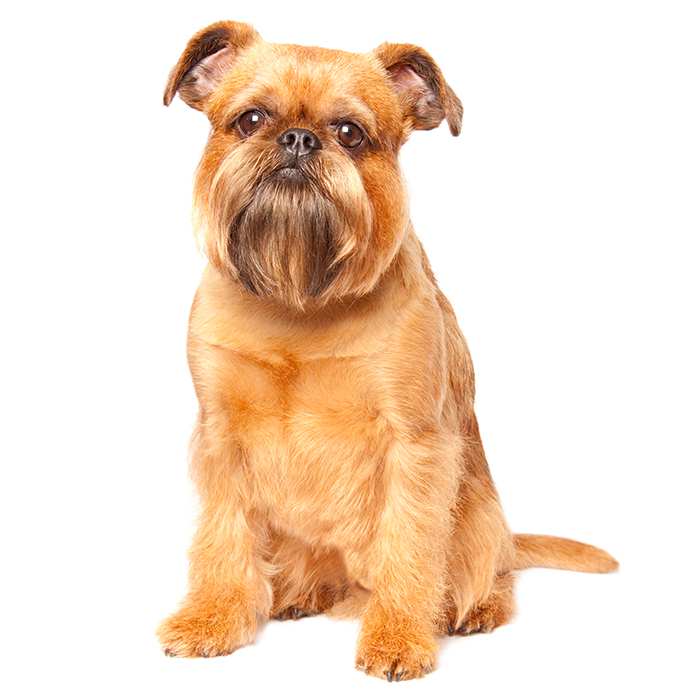
Brussels Griffons are expressive and affectionate small dogs with a compact body, distinctive bearded face and big, human-like eyes. Originally developed in Belgium as ratters and companion dogs, they are known for their lively personality, intelligence and strong attachment to their people. Generally playful and devoted with their family, Brussels Griffons can be sensitive, vocal and wary of strangers, so they benefit from gentle training, early socialisation and plenty of companionship.
| Recommended for | Owners in homes or apartments who want a devoted small companion and can provide plenty of attention. |
| Breed Classification | Toy Group |
| Other names | Brussels Griffon, Griffon Bruxellois |
| Lifespan | 12 to 15 years |
| Size | Small |
| Temperament | Alert, affectionate, comical and sensitive |
| Intelligence | Generally intelligent; best results come from patient, positive and consistent training |
| Tendency to bark | Moderate; alert and expressive |
| Maintenance Level | Rough coats need stripping; smooth coats low care |
| Health Risk | Brussels Griffon (Griffon Bruxellois)s can be prone to several inherited or structure-related health concerns, so health testing, weight management and early veterinary advice are particularly important. |
Thinking of insuring a Brussels Griffon?
Explore the Top 5 health issues claimed for Brussels Griffons, including highest claims paid and how much pet insurance could help you save on eligible vet bills.
See Brussels Griffon pet insurance Ready to get cover? Get a quick quote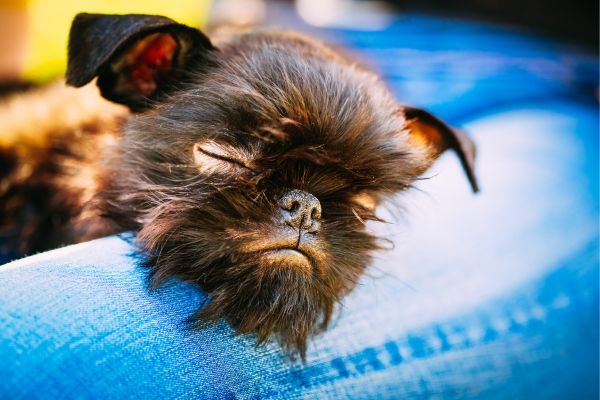
Brussels Griffon personality and temperament
The Brussels Griffon is lively, affectionate and expressive, with a big personality in a small body. It is often alert, curious and full of character, forming very close attachments to its favourite people.
This breed thrives on companionship and may become sensitive or demanding if left alone too often. Brussels Griffons can be wary of strangers and sometimes vocal, so gentle socialisation and positive training help build confidence and good manners.
Brussels Griffons with kids and other pets
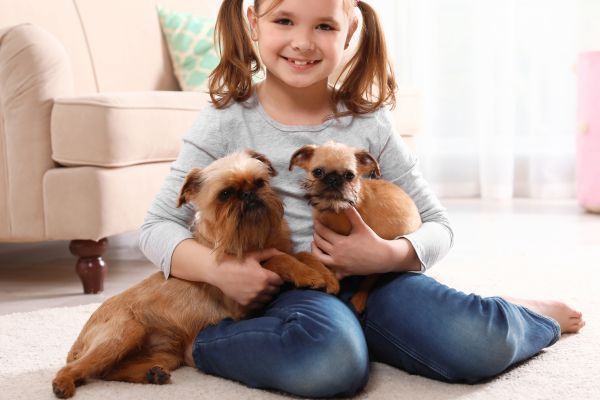
Brussels Griffons can be affectionate and entertaining companions, but they are often best suited to homes with older children who can handle them gently. Their small size and sensitive nature mean they may not enjoy rough play or being overwhelmed by very young children.
With other pets, Brussels Griffons can do well when introduced early and carefully. They often enjoy canine companionship and can live with cats, but supervision is sensible around larger dogs because of their small size.
Brussels Griffon training and exercise
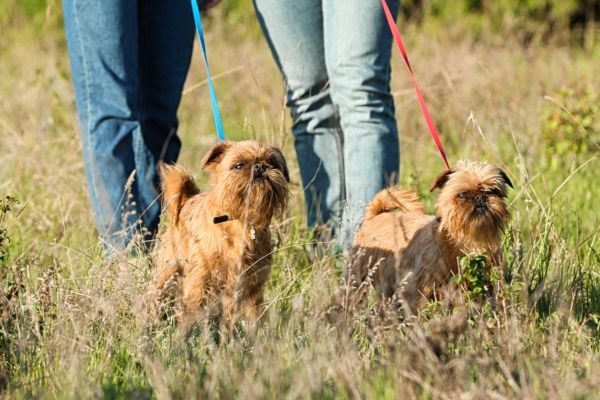
Brussels Griffons need moderate exercise, usually including daily walks, indoor play and interactive games. They are small but lively dogs that enjoy attention and mental stimulation. Short activity sessions throughout the day can help keep them engaged and prevent boredom.
Training should be gentle, positive and consistent. Brussels Griffons can be sensitive and may not respond well to harsh correction. Early socialisation is important to build confidence, while reward-based training helps manage barking, shyness or stubborn behaviour.
| Energy level | Moderate |
| Exercise requirements | Moderate - short walks, play and brain games |
Common health issues for Brussels Griffons
What do Brussels Griffon owners claim for the most?
- Brachycephalic airway issues: Breathing disorders in flat-faced dogs where narrowed nostrils, an elongated soft palate or other airway changes make airflow difficult. Signs may include noisy breathing, snoring, snorting, exercise intolerance, gagging, overheating, collapse or breathing distress.
- Eye injuries: These can include scratches, corneal ulcers, foreign bodies, chemical irritation, bite wounds or blunt trauma to the eye. Signs may include squinting, redness, tearing, cloudiness, discharge, pawing at the eye, bleeding or the eye appearing swollen or displaced.
- Patellar luxation: A developmental orthopaedic condition where the kneecap slips out of its normal groove, causing intermittent skipping, limping, pain or reduced mobility. It is more common in small breeds and severity ranges from mild to persistent lameness.
- Syringomyelia: A neurological condition where fluid-filled cavities form within the spinal cord, often linked to Chiari-like malformation in dogs. Signs may include neck or back pain, sensitivity to touch, weakness, wobbliness, scratching at the neck or ears, and behaviour changes.
- Dental disease: This commonly involves plaque and tartar build-up that inflames the gums and can progress to periodontal disease, pain, infection and tooth loss.
Not all conditions are covered by Pet Insurance. For details of Bow Wow Meow Pet Insurance cover, refer to the Product Disclosure Statement.
How to choose the right insurance for your Brussels Griffon
When comparing cover for your Brussels Griffon, look for:

Cover for common Brussels Griffon conditions:
Check that the policy covers conditions Brussels Griffons can be prone to, including common health issues.

Cover for hereditary conditions:
No exclusions for hereditary or congenital conditions⑅.

Flexible cover options:
Options to adjust your annual benefit limit, reimbursement rate and excess.
Bow Wow Meow's Nose-to-Tail Cover offers flexible options for your Brussels Griffon, with cover for accidental injuries, illnesses and hereditary conditions⑅. Get a quick quote for cover that suits your Brussels Griffon and your budget.
Brussels Griffon feeding and nutrition
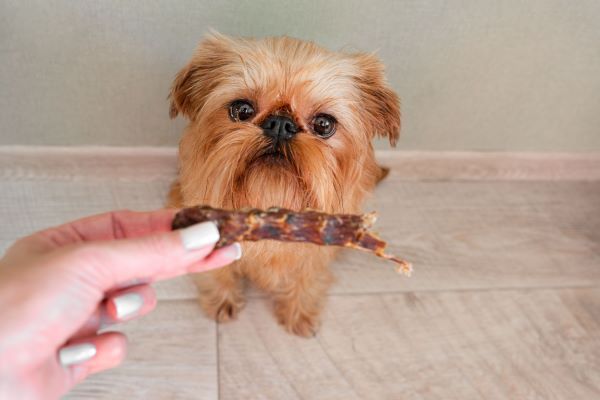
The Brussels Griffon needs a high-quality small-breed diet that supports its small body, moderate energy and overall health. Protein helps maintain lean muscle, while healthy fats support skin and coat condition, whether the dog has a rough or smooth coat.
Because Brussels Griffons are small, careful portion control is important. Overfeeding, frequent treats or rich human foods can quickly lead to weight gain or digestive upset. Meals should be measured and suited to the dog’s age, weight and activity level.
Brussels Griffon care and grooming
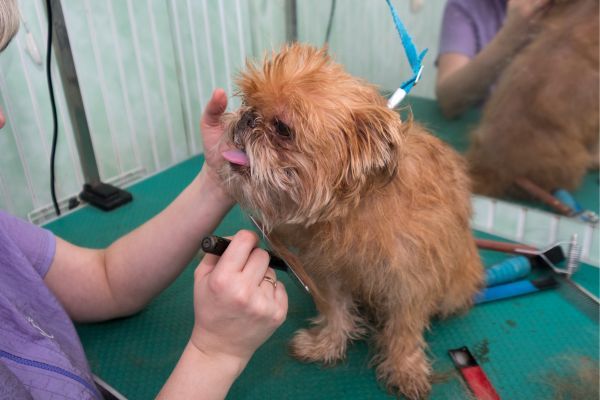
The Brussels Griffon may have either a rough or smooth coat, and grooming needs vary by coat type. Smooth-coated Griffons need weekly brushing with a soft brush or grooming mitt, while rough-coated Griffons require more regular combing to prevent tangles around the beard, legs and face.
Rough-coated Brussels Griffons may need professional grooming or hand-stripping to maintain the correct texture and tidy appearance. Facial hair should be kept clean, and the eyes may need gentle wiping. Regular nail trimming, dental care, ear checks and occasional bathing are important for both coat types.

Size, appearance and coat of Brussels Griffons
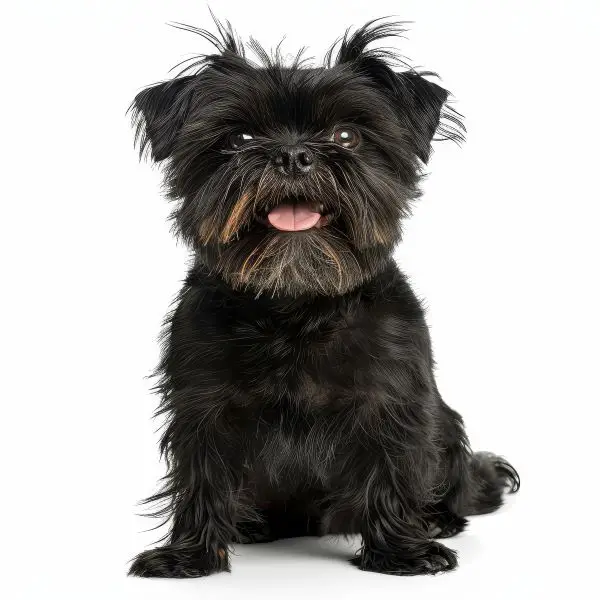
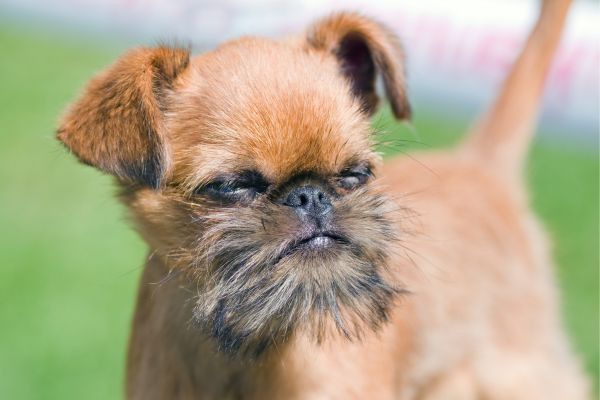
The Brussels Griffon is a small, compact toy breed with a square body and a remarkably expressive, almost human-like face. It has a domed head, large dark eyes, short nose and prominent chin, creating a characterful and slightly comical expression.
The breed may have either a rough or smooth coat. Rough-coated Griffons have a wiry texture with a beard and moustache, while smooth-coated Griffons have a short, glossy coat; colours include red, black, black and tan, and beige.
| Weight range | 3 to 6 kg |
| Height range | 18 to 28 cm |
| Colours | Red, beige, black and tan, or black |
| Coat length | Rough wiry coat or smooth short coat |
Breed history of Brussels Griffons
The Brussels Griffon began in Belgium as a small stable dog used to control rats in carriage houses. Its foundation was the rough-coated street and stable dog known as the Griffon d’Ecurie, later crossed with toy breeds such as the Pug and King Charles Spaniel to refine its head, expression and companion-dog qualities.
The breed gained popularity in Brussels society and was especially helped by royal interest from Queen Marie Henriette of Belgium. Its history explains the Griffon’s unusual mixture of rough terrier-like origin and toy-dog expression, as well as the existence of both rough and smooth coat types.
Explore related breeds
Brussels Griffon facts!
- They have a famously human-like expression. Their big eyes, short face and beard give them a very expressive look.
- They originated in Belgium where they were developed around Brussels as ratters and companions.
- They were once stable dogs that helped control rats in carriage stables.
- They come in rough and smooth coats. Rough-coated Griffons have a beard and wiry coat, while smooth-coated Griffons have a sleek coat.
- Brussels Griffons are often affectionate, dramatic and comical.
Summary
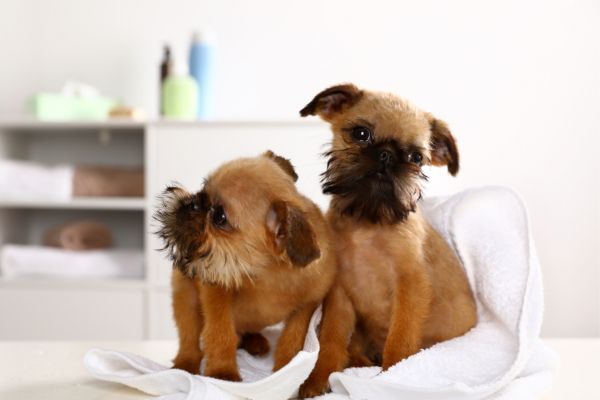
The Brussels Griffon is a small, compact toy breed with large expressive eyes, a short face and either a rough or smooth coat. Affectionate, alert and full of personality, Griffons often form very close bonds with their owners and can be sensitive or demanding of attention.
They need gentle training, careful socialisation, dental care and grooming suited to their coat type, with attention to breathing and eye issues due to their facial structure.
FAQs about the Brussels Griffon
It can be, provided the household matches the breed’s exercise, training, grooming and supervision needs.
Moderate – short walks, play and brain games.
Shedding depends on coat type, season and grooming routine. The breed has a rough wiry coat or smooth short coat.
No. While some individuals may shed less than others, no dog breed is truly allergy-free.
Most respond well to positive, consistent training, but owners should work with the breed’s instincts rather than against them.
MORE INFORMATION
Country Griffon Bruxellois Club of NSW: https://www.griffonnsw.com/
The Griffon Bruxellois Club of Victoria: https://www.griffonclubvic.com/

Get 2 months free for your puppy!
Congrats on your new bundle of joy
To ensure your precious fur baby is covered from the start, we'd like to offer your first 2 months of our Nose-to-Tail Cover for free2!
Get a quick quote