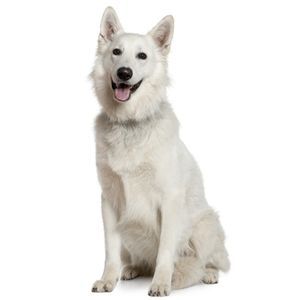
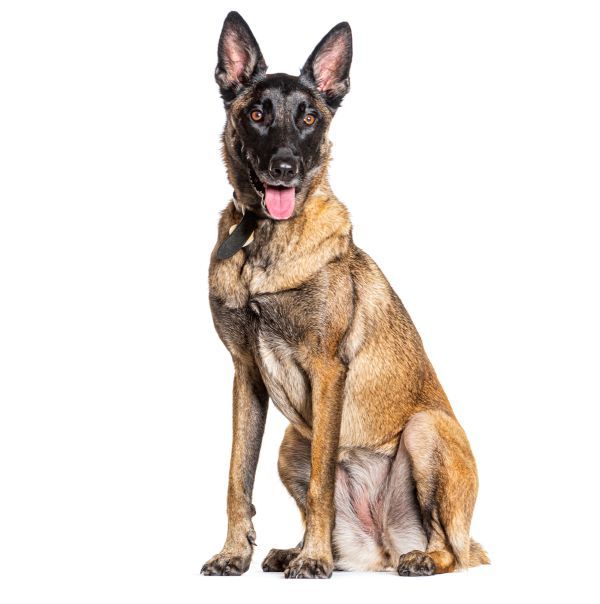
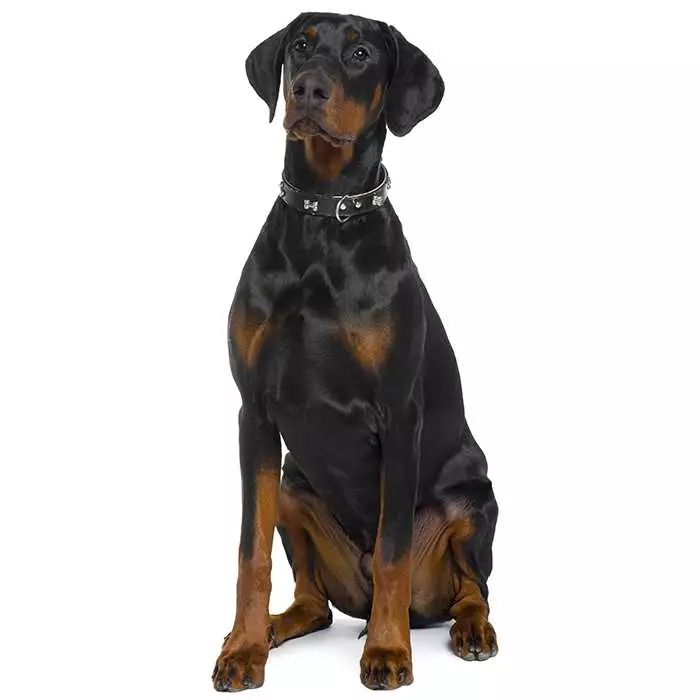
Is the German Shepherd a good family dog?


German Shepherd
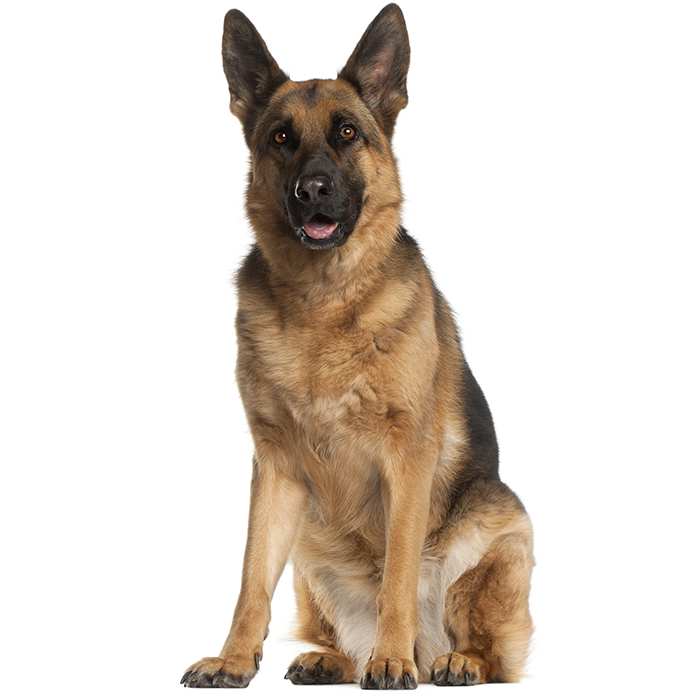
German Shepherd Dogs are intelligent, athletic and versatile working dogs known for their loyalty, confidence and trainability. Originally developed in Germany as herding dogs, they have since excelled in roles ranging from police and military work to search and rescue, assistance work and dog sports.
| Recommended for | Active, experienced owners and families able to provide substantial exercise, training and companionship |
| Breed Classification | Working dogs |
| Other names | Alsatian, GSD (German Shepherd Dog) |
| Lifespan | 10-14 years |
| Size | Large |
| Temperament | Alert, fearless & faithful |
| Intelligence | Very high: exceptionally trainable, versatile and capable of complex working tasks |
| Tendency to bark | Moderate: naturally alert and likely to bark at unfamiliar activity |
| Maintenance Level | Medium-high: heavy shedding plus substantial exercise, training and enrichment needs |
| Health Risk | German Shepherds can be predisposed to several inherited and breed-related conditions affecting the joints, nervous system, digestive system and eyes. |
Thinking of insuring a German Shepherd?
Explore the Top 5 health issues claimed for German Shepherds, including highest claims paid and how much pet insurance could help you save on eligible vet bills.
See German Shepherd pet insurance Ready to get cover? Get a quick quote
German Shepherd personality and temperament
German Shepherds are intelligent, loyal and confident dogs that tend to form strong bonds with their families. They are naturally alert and may be reserved with unfamiliar people, but a well-bred German Shepherd should be steady and approachable rather than nervous or unnecessarily aggressive.
Their combination of intelligence, trainability and working drive has made them highly versatile service and working dogs. As companions, they thrive when given regular interaction, purposeful activity and mental challenges rather than simply being left to entertain themselves. Early positive socialisation can help them develop appropriate responses to unfamiliar people, animals and environments.
German Shepherds with kids and other pets
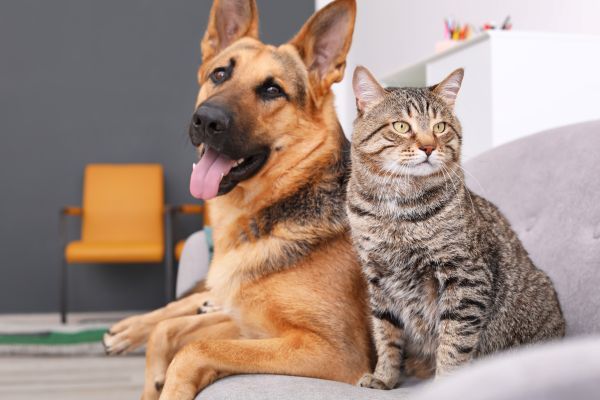
Well-socialised German Shepherds can make devoted family companions and may live very successfully with children. However, their size, strength and energetic nature mean interactions with young children should always be supervised, particularly while the dog is young and boisterous. Children should also be taught to interact calmly and respectfully with dogs.
German Shepherds can also live successfully with other dogs and cats when appropriately socialised and introduced. Individual compatibility varies, and careful introductions are particularly important with unfamiliar animals.
German Shepherd training and exercise
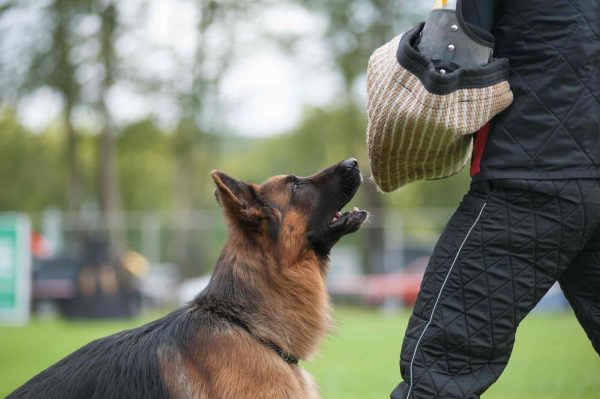
German Shepherds are highly active working dogs that need substantial daily exercise and mental stimulation. Most healthy adults benefit from around one to two hours of activity each day, although individual needs vary and particularly active working-line dogs may need more. Walks, hiking, running, retrieving, tracking, scent work, obedience, herding and other dog sports can all provide valuable outlets for their energy.
Their very high intelligence makes them highly trainable, but it also means they can become bored without regular mental challenges. Short, varied sessions using positive reinforcement work well, with early emphasis on lead manners, recall, impulse control and calm behaviour around unfamiliar people and animals.
| Energy level | Very high: active working dogs |
| Exercise requirements | Very high: generally around 1–2 hours daily, with some dogs benefiting from more |
Common health issues for German Shepherds
What do German Shepherd owners claim for the most?
German Shepherds can be predisposed to several inherited and breed-related conditions affecting the joints, nervous system, digestive system and eyes. Responsible breeding programs place particular emphasis on hip and elbow screening, with additional genetic and eye testing also available.
- Hip dysplasia and elbow dysplasia:These developmental joint disorders can cause pain, lameness and arthritis. Hip and elbow screening are particularly important in German Shepherd breeding programs and are part of the GSDCA’s established breed-improvement scheme.
- Degenerative myelopathy (DM): DM is a progressive disease of the spinal cord that usually develops in older dogs, causing hind-limb weakness and poor coordination that can eventually progress to paralysis. German Shepherds are one of the breeds most commonly affected. DNA testing can identify genetic risk, although a positive result does not mean a dog will necessarily develop the disease.
- Exocrine pancreatic insufficiency (EPI): EPI occurs when the pancreas does not produce enough digestive enzymes, resulting in poor nutrient absorption. Typical signs include weight loss despite a strong appetite, diarrhoea or bulky stools and excessive gas. German Shepherds are one of the breeds most commonly affected, and treatment generally involves lifelong pancreatic enzyme supplementation.
- Gastric dilatation-volvulus (GDV): German Shepherds are among the large, deep-chested breeds at increased risk of GDV, in which the stomach becomes distended and twists. A swollen abdomen, restlessness, repeated unsuccessful retching or collapse require immediate veterinary attention.
- Pannus (chronic superficial keratitis): This immune-mediated eye condition occurs particularly frequently in German Shepherds and causes progressive inflammation and pigmentation of the cornea. Without treatment it can impair vision, but lifelong topical medication can usually help control it.
- Skin and allergy conditions: German Shepherds can develop allergic skin disease and recurrent skin or ear inflammation. Persistent itching, redness, hair loss or recurrent infections should be investigated by a veterinarian rather than managed solely with dietary changes.
Not all conditions are covered by Pet Insurance. For details of Bow Wow Meow Pet Insurance cover, refer to the Product Disclosure Statement.
How to choose the right insurance for your German Shepherd
When comparing cover for your German Shepherd, look for:

Cover for common German Shepherd conditions:
Check that the policy covers conditions German Shepherds can be prone to, including common health issues.

Cover for hereditary conditions:
No exclusions for hereditary or congenital conditions⑅.

Flexible cover options:
Options to adjust your annual benefit limit, reimbursement rate and excess.
Bow Wow Meow's Nose-to-Tail Cover offers flexible options for your German Shepherd, with cover for accidental injuries, illnesses and hereditary conditions⑅. Get a quick quote for cover that suits your German Shepherd and your budget.
German Shepherd feeding and nutrition
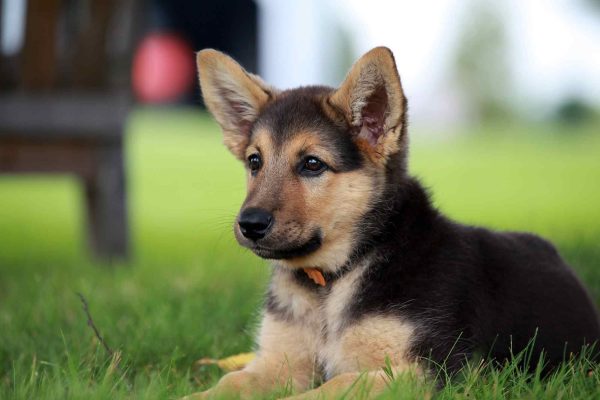
German Shepherds should be fed a complete and balanced diet appropriate for their age, body condition, activity level and health. Puppies should receive an appropriately formulated large-breed puppy diet to support steady, controlled growth and healthy bone and joint development, rather than being encouraged to grow as quickly as possible.
Adult portions should be adjusted to maintain a lean body condition. Because German Shepherds are susceptible to GDV, dividing the daily food allowance into two or more meals rather than one large meal may also be appropriate. Speak to your vet about your dog’s individual feeding needs, particularly during puppyhood.
German Shepherd care and grooming
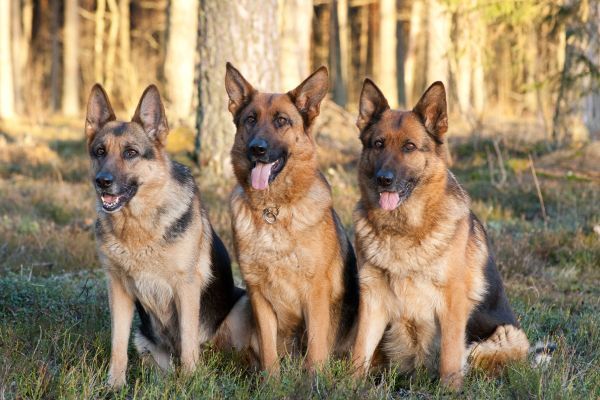
German Shepherds have dense double coats that shed throughout the year, with heavier seasonal shedding. Brushing several times a week helps remove loose hair and keep the coat in good condition, while daily brushing can be helpful during periods of heavy coat shedding. Long Stock Coat dogs generally require somewhat more grooming to prevent tangles around the ears, legs and feathering.
Bathing is generally only needed when dirty, alongside routine nail, ear and dental care.
Size, appearance and coat of German Shepherds
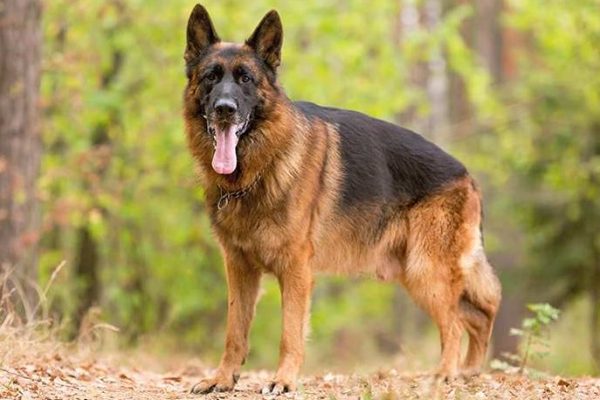
The German Shepherd Dog is a strong, muscular and slightly elongated working dog with erect ears, a wedge-shaped head and a long, bushy tail. Its structure should support smooth, efficient and enduring movement without exaggeration.
German Shepherds occur in two recognised coat varieties: Stock Coat and Long Stock Coat, both with an undercoat. Recognised colours include black with tan, reddish-tan or gold markings, solid black, and grey or sable shades with darker markings. White is not permitted under the Dogs Australia standard.
| Weight range | Male 30 to 40 kg, female 22 to 32 kg |
| Height range | Male 60 to 65 cm, female 55 to 60 cm |
| Colours | All, but typically a mixture of black and gold |
| Coat length | Medium or long: Stock Coat and Long Stock Coat varieties |
Breed history of German Shepherds
The German Shepherd Dog was developed in Germany during the late 19th century, largely through the work of Captain Max von Stephanitz, who wanted to create a versatile working dog combining intelligence, sound structure, trainability and herding ability. In 1899, he purchased a dog named Hektor Linksrhein, renamed him Horand von Grafrath and registered him as the first dog in the newly established German Shepherd breed studbook.
German Shepherds reached Australia in the early 20th century, with dogs recorded in Western Australia from around 1904. In 1928, the Australian Federal Government banned further imports amid concerns about the breed potentially interbreeding with dingoes. The ban remained for more than four decades and was lifted in 1972, with remaining restrictions removed by 1976. The breed subsequently grew enormously in popularity in Australia.
Today German Shepherds are widely used as companions, assistance dogs and working dogs in policing, search and rescue, detection, security and dog sports. Australia also recognises both the Stock Coat and Long Stock Coat varieties; Long Stock Coats have been separately exhibited since 2012, with interbreeding between the two varieties permitted from 2023.
Explore related breeds
German Shepherd facts!
- Strongheart, one of the earliest canine film stars, was a German Shepherd, as was Rin Tin Tin, who is widely regarded as the most famous German Shepherd. Both dogs have stars on the Hollywood walk of Fame.
- German Shepherds were widely called “Alsatians” in Britain and some other countries after World War I, when anti-German sentiment made the original name unpopular. The name was taken from the Alsace region, but “German Shepherd Dog” was officially restored by The Kennel Club in 1977.
- A German Shepherd named “Buddy” was one of the pioneering German Shepherd guide dogs and became America’s first Seeing Eye dog,
- German Shepherd imports were banned in Australia for more than 40 years following concerns that they might interbreed with dingoes and produce more formidable livestock predators.
- The breed’s original purpose was sheep herding rather than police work.
Summary
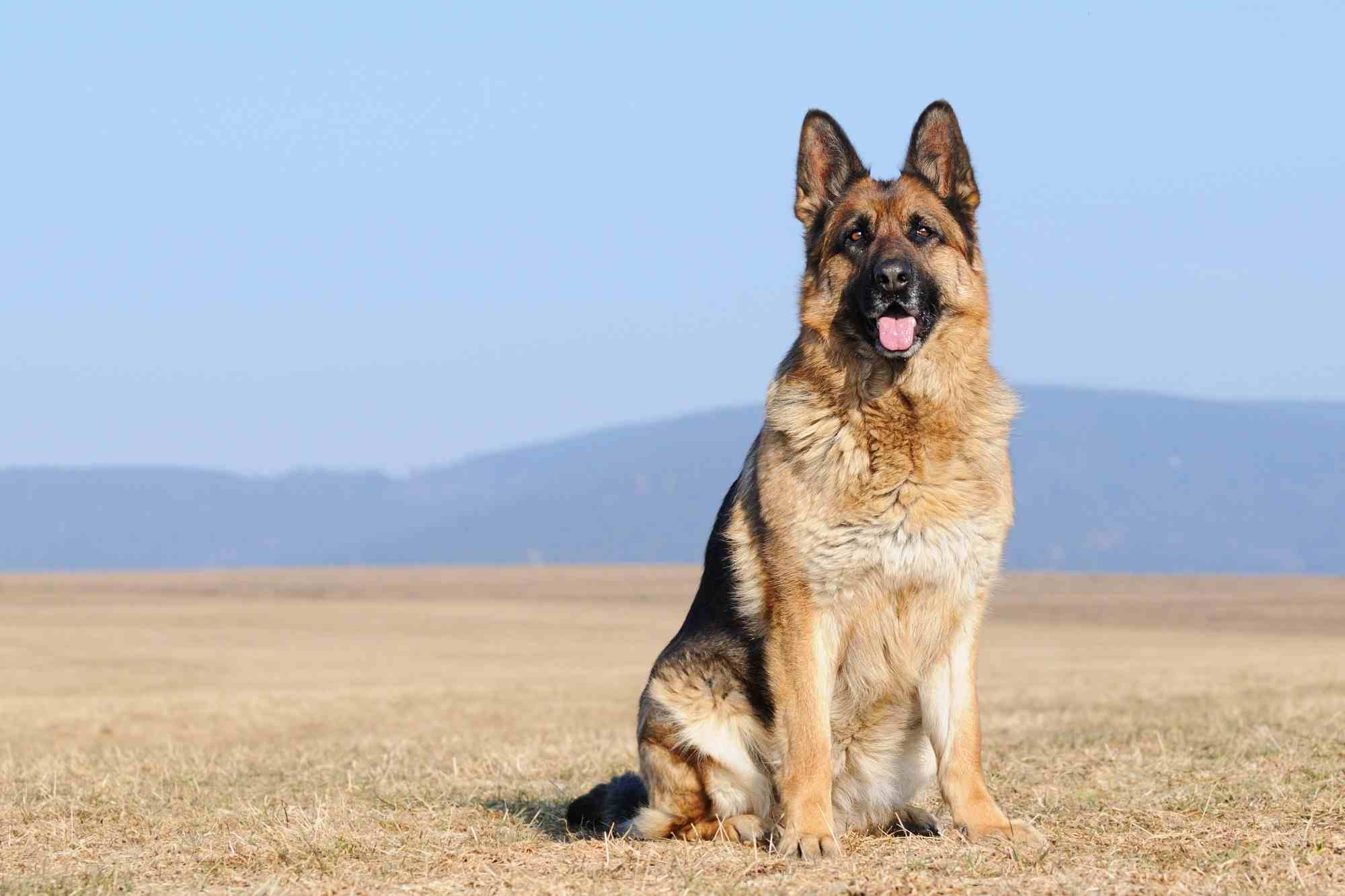
The German Shepherd is a smart, energetic large dog with a distinctive wolf-like appearance. Loyal, confident, courageous and steady, it is highly trainable and capable of performing a wide variety of working and companion roles.
German Shepherds can make devoted companions and superb watchdogs for owners prepared to provide regular training, activity and involvement. Their intelligence and versatility mean they thrive when given both physical exercise and purposeful mental work.
FAQs about the German Shepherd
They can be deeply loyal family companions in experienced homes, but early socialisation and consistent training are essential because of their size, strength or guarding instincts.
German Shepherds have very high exercise needs. Most healthy adults benefit from around 1–2 hours of daily physical activity, together with regular training and mental enrichment.
Yes. They are highly intelligent and capable learners that usually respond very well to consistent, reward-based training and regular mental challenges.
They are generally low to moderate or moderate barkers, although barking can increase with boredom, excitement, anxiety or unfamiliar activity.
Yes. They can shed heavily, particularly at certain times of year, and regular brushing is important during seasonal coat changes.
They are generally better suited to homes with more space because of their size, energy level or working and guarding instincts, although individual circumstances vary.
They can live successfully with children and other pets when carefully socialised, but their size and protective instincts mean supervision and thoughtful introductions are essential.
Potential health concerns include hip and elbow dysplasia, degenerative myelopathy, gastric dilatation-volvulus and some digestive or skin disorders.
Both are varieties of the same German Shepherd Dog breed and share the same size, structure and temperament standard. Stock Coats have a dense, harsh coat lying relatively close to the body, while Long Stock Coats have longer, softer hair with more feathering around the ears, legs, hindquarters and tail. Both varieties have an undercoat.
MORE INFORMATION
German Shepherd Dog League of NSW: http://www.gsdl.info/
German Shepherd Dog Club of QLD: https://www.gsdcqld.org.au/
German Shepherd Dog Club of VIC: http://www.gsdcv.org.au/
German Shepherd Dog Club of SA Inc: http://gsdcsa.org.au/
German Shepherd Dog Association of WA Inc: http://gsdawa.org/
German Shepherd Dog Council of Australia Inc: http://www.gsdcouncilaustralia.org/
Sweet Shepherd Rescue Australia Inc: http://www.sweetshepherdrescue.com.au/
German Shepherd Rescue VIC: http://gsrv.com.au/
German Shepherd Dog Rescue South Australia: https://gsdrescuesa.com.au/

Get 2 months free for your puppy!
Congrats on your new bundle of joy
To ensure your precious fur baby is covered from the start, we'd like to offer your first 2 months of our Nose-to-Tail Cover for free2!
Get a quick quote