Is the Hungarian Vizsla a good family dog?


Hungarian Vizsla
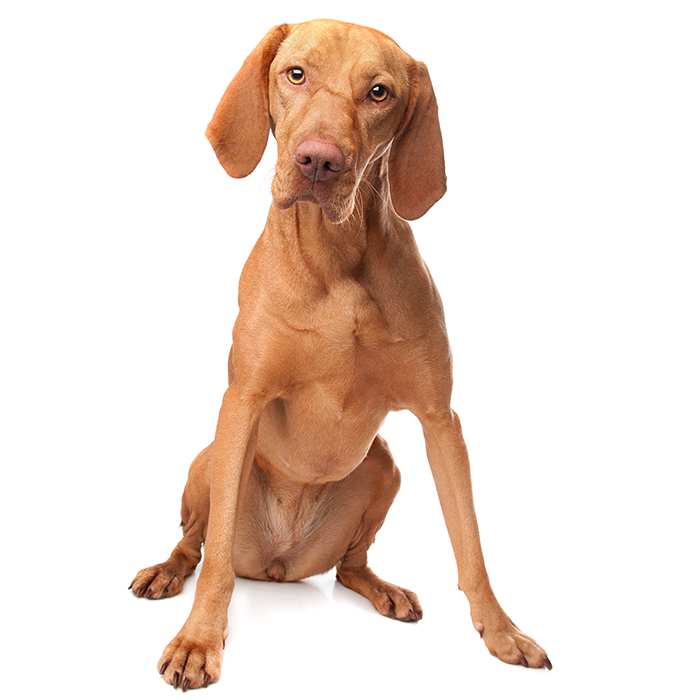
Hungarian Vizslas are medium to large sized dogs with an athletic, muscular build and a sleek, golden-rust coat. Originally bred as versatile hunting dogs, they are gentle, loyal and affectionate companions who bond closely with their owners. Having high energy levels, Vizslas thrive in active households with families and individuals who enjoy outdoor activities.
| Recommended for | Active and dedicated owners who have time for regular exercise and enjoy outdoor adventures |
| Breed Classification | Sporting Group |
| Other names | Vizsla, Magyar Viszla, Hungarian Pointer |
| Lifespan | 12 to 15 years |
| Size | Medium to large |
| Temperament | Affectionate, gentle, loyal |
| Intelligence | High, with excellent problem-solving skills |
| Tendency to bark | Moderate; typically to alert owners of unusual activity or to express excitement |
| Maintenance Level | Low grooming needs but high exercise requirements to meet their active lifestyle |
| Health Risk | This breed has an around average probability of having health issues in its lifetime, hence it is one of the more affordable breeds to insure. |
Thinking of insuring a Hungarian Vizsla?
Explore the Top 5 health issues claimed for Hungarian Vizslas, including highest claims paid and how much pet insurance could help you save on eligible vet bills.
See Hungarian Vizsla pet insurance Ready to get cover? Get a quick quote
Hungarian Vizsla personality and temperament
The Hungarian Vizsla is a friendly and affectionate breed, known for its gentle nature and lively personality. Originally bred as a hunting companion, the Vizsla is intelligent, eager to please, and full of energy, making it a wonderful choice for active households. Their even temperament and strong bonds with their families make them a loving companion for both adults and children.
Sociable and playful, Vizslas love to be involved in family activities. They enjoy outdoor adventures, such as hiking, running, or swimming, and need plenty of physical and mental stimulation to stay happy and well-balanced. Without sufficient engagement, their energy levels can lead to restlessness or undesirable behaviours, making regular exercise and interactive play essential.
This breed is highly adaptable and can thrive in a variety of environments, from rural homes with ample outdoor space to urban settings, provided their exercise needs are met. However, they do best with a large, safe enclosed area at home to run and play and are not suitable for people living in apartments.
Vizslas who do not receive adequate physical and mental stimulation can become destructive or develop behavioural problems.While they are independent enough to entertain themselves for short periods, Vizslas prefer close interaction with their family and may become attached to their loved ones. Their natural alertness and loyalty make them attentive companions, always eager to be by your side.
Highly intuitive and sensitive, Vizslas are quick learners and excel in tasks that challenge their intelligence. Their perceptive nature allows them to respond to their owners’ emotions, making them well-suited for therapy and assistance roles. They thrive in activities like agility, tracking, and obedience training, where their keen intelligence and willingness to work are evident.

Hungarian Vizslas with kids and other pets
The Hungarian Vizsla is a loving and gentle companion, making it an excellent choice for families with children. Known for their affectionate and playful nature, Vizslas thrive in active households where they can engage in exercise and interactive play, often forming strong bonds with kids.
While they are generally patient and tolerant, their excitable nature and high energy levels can sometimes be overwhelming for very young children. Supervised interactions and teaching children to respect and handle the dog properly are key to fostering a safe and positive relationship.
When it comes to other pets, Hungarian Vizslas usually get along well with dogs that share similar energy levels. However, their natural hunting instincts may pose challenges with smaller animals like cats or rabbits. Early and consistent socialisation is vital to help them learn how to coexist peacefully in a multi-pet household.

Hungarian Vizsla training and exercise
The Hungarian Vizsla is a high-energy breed that thrives in active households and requires a long, brisk walk or jog each day. Regular exercise and mental stimulation are crucial to keeping them happy and well-balanced. Activities such as running, hiking, swimming, and interactive games like fetch are ideal for meeting their physical needs. Vizslas also excel in canine sports like agility, tracking, and obedience, which provide both mental and physical challenges. Without sufficient exercise and engagement, they may become restless or develop undesirable behaviours.
Training a Hungarian Vizsla requires consistency, patience, and positive reinforcement. Their intelligence and eagerness to please make them highly trainable, though their sensitive nature means they respond best to gentle, reward-based methods. To maintain their focus, training sessions should be varied and engaging. Early socialisation is essential to help them grow into confident and well-mannered dogs. Because they have so much energy, some Vizslas may tend to chew, but if given proper training and involvement, and a good supply of chew toys, exercise and mental stimulation, Vizslas will become well-rounded, gentle and calm dogs.
| Energy level | High |
| Exercise requirements | High |
Common health issues for Hungarian Vizslas
What do Hungarian Vizsla owners claim for the most?
- Hip dysplasia is a common issue in Hungarian Vizslas, where the hip joint develops abnormally, leading to joint instability and arthritis. Symptoms include stiffness, difficulty rising, and reluctance to climb stairs. Genetics, rapid growth, and excessive weight during puppyhood can worsen the condition.
- Hypothyroidism occurs when the thyroid gland is underactive and does not produce enough of the thyroid hormone. Symptoms include weight gain, lethargy, and skin problems such as dryness and hair thinning. It can often be managed with lifelong medication and diet adjustments.
- Progressive Retinal Atrophy (PRA) refers to a family of eye conditions which result in the deterioration of the retina. This inherited eye condition causes gradual vision loss and eventual blindness due to retinal degeneration. Early signs include difficulty seeing at night and dilated pupils. Genetic testing can help breeders reduce the risk of PRA in future generations.
- Epilepsy is a neurological disorder that can cause seizures in Hungarian Vizslas that can manifest themselves in unusual behaviour, dizziness, rigidity and fainting spells. Treatment often includes medication and regular monitoring to manage the condition and maintain their quality of life.
- Bloating (Gastric Dilatation-Volvulus) is a life-threatening condition where the stomach fills with gas and twists, cutting off blood flow. Symptoms include restlessness, a swollen abdomen, and unproductive retching. Immediate veterinary intervention is critical.
- Skin allergies in Hungarian Vizslas may be triggered by environmental factors, food sensitivities, or contact irritants. Symptoms include itching, redness, and frequent licking. Identifying and managing triggers with the help of a vet is key.
- Dental Disease can occur in Vizslas as they are prone to tartar buildup, which can lead to gum infections and tooth loss if not addressed. Routine dental care, including regular brushing and professional cleanings, helps maintain their oral health.
Not all conditions are covered by Pet Insurance. For details of Bow Wow Meow Pet Insurance cover, refer to the Product Disclosure Statement.
How to choose the right insurance for your Hungarian Vizsla
When comparing cover for your Hungarian Vizsla, look for:

Cover for common Hungarian Vizsla conditions:
Check that the policy covers conditions Hungarian Vizslas can be prone to, including common health issues.

Cover for hereditary conditions:
No exclusions for hereditary or congenital conditions⑅.

Flexible cover options:
Options to adjust your annual benefit limit, reimbursement rate and excess.
Bow Wow Meow's Nose-to-Tail Cover offers flexible options for your Hungarian Vizsla, with cover for accidental injuries, illnesses and hereditary conditions⑅. Get a quick quote for cover that suits your Hungarian Vizsla and your budget.
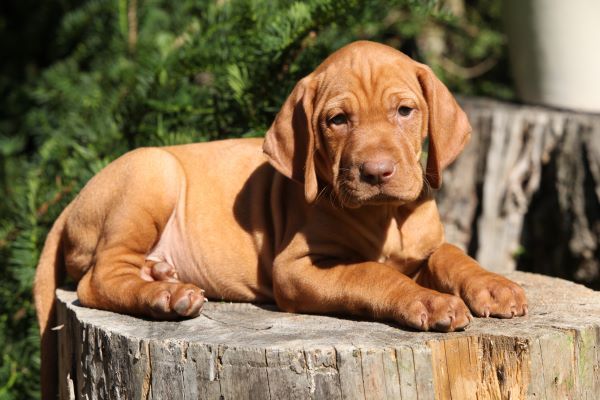
Hungarian Vizsla feeding and nutrition
The Hungarian Vizsla does not have strict breed-specific dietary requirements, but it does require a high-quality, well-balanced diet suited to its high energy levels, lean muscle mass, and active lifestyle. Since Vizslas are athletic hunting dogs, their diet should focus on lean proteins, healthy fats, and essential nutrients to maintain optimal health.
Nutritional needs for Hungarian Vizslas vary based on age and activity level. Puppies require a nutrient-dense, protein-rich diet to support their rapid growth and development. Adult dogs benefit from balanced meals that provide sustained energy for their active lifestyle, while senior Vizslas may need lower-calorie food and joint-supporting supplements, like glucosamine, to manage their changing metabolism and maintain mobility.
Monitoring calorie intake is crucial to prevent obesity, which can place unnecessary strain on their joints and overall agility. Feeding schedules and portion sizes should be carefully managed, considering the dog’s size, activity level, and age. Regular veterinary check-ups are vital to monitoring their weight, assessing nutritional needs, and addressing any dietary concerns early, ensuring your Vizsla remains healthy, energetic, and happy.

Hungarian Vizsla care and grooming
Hungarian Vizslas have a low-maintenance grooming routine, but regular care is essential to keep their coat and overall health in top condition. Their short, sleek coat is smooth and close-fitting, shedding lightly throughout the year. Weekly brushing helps remove loose hair, distribute natural oils, and maintain the coat’s healthy sheen. This minimal grooming requirement makes them a practical choice for owners who prefer a dog with straightforward grooming needs.
Bathing is only necessary as required, typically every few months or when the Vizsla becomes particularly dirty from outdoor activities. Regular nail trimming is important to prevent overgrowth and discomfort, while routine ear cleaning reduces the risk of ear infections, especially given their floppy ears. Consistent dental care, such as daily or weekly brushing, is crucial to prevent tartar buildup and support good oral hygiene.
Their coat does not require trimming or clipping, as it naturally provides protection against the elements. However, occasional tidying around the paws can help maintain a neat appearance. Avoid shaving their coat, as it plays a key role in temperature regulation and protection during their active lifestyle.
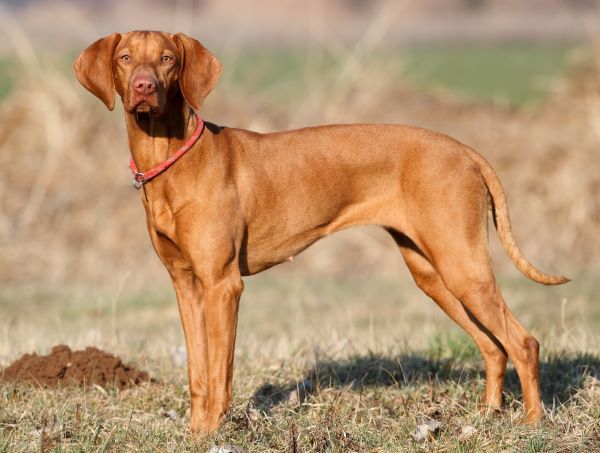
Size, appearance and coat of Hungarian Vizslas
The Hungarian Vizsla is a medium-to-large sized breed with a lean, muscular build that highlights its athleticism and agility. Their body is well-proportioned, featuring a deep chest, long legs, and an elegant frame designed for speed and endurance. The head is noble and well-defined, with a moderately broad skull, a straight muzzle, and expressive almond-shaped eyes that radiate intelligence and warmth. Their ears are long and silky, hanging close to their cheeks, adding to their graceful appearance.
The Vizsla’s coat is short, sleek, and close-fitting, with a distinctive golden-rust colour and its nose, eyes and nails are similarly coloured. Their low-maintenance coat is both weather-resistant and practical, offering protection during outdoor activities.
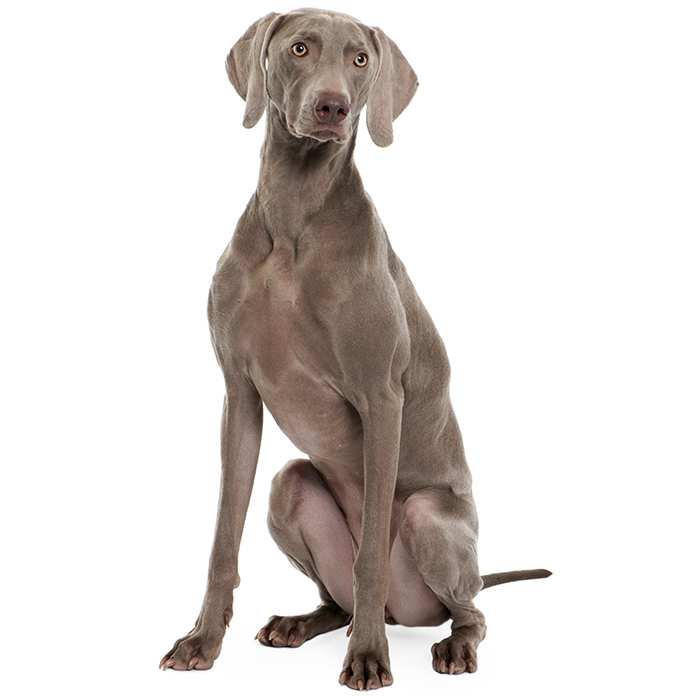
The Vizsla may be confused with the Weimeraner due to their similar appearance.
| Weight range | Males: 20–30 kg; Females: 18–25 kg |
| Height range | Males: 58–64 cm; Females: 54–60 cm |
| Colours | Distinctively golden-rust, though variations in shading may occur, ranging from lighter to deeper tones |
| Coat length | Short, sleek and close-fitting |
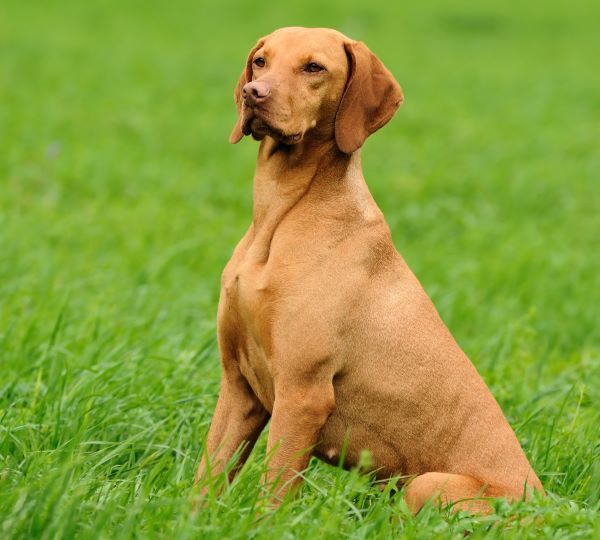
Breed history of Hungarian Vizslas
The Hungarian Vizsla is a centuries-old breed with its origins rooted in Hungary, with depictions of the breed’s ancestors date back to the 10th and 14th centuries in etchings and manuscripts. The Vizsla’s history can be traced to over a thousand ago, when it accompanied the nomadic Magyar tribes. Its name, which means “pointer” in Hungarian, reflects the breed’s primary role as a pointer and retriever of game.
By the 18th and 19th centuries, the Vizsla was firmly established as a distinct breed, prized by Hungarian nobility and landowners for its elegance, intelligence, and exceptional hunting abilities. The breed was carefully refined over time, incorporating traits from other breeds like the Turkish Yellow Dog and, later, pointers and retrievers, to enhance its versatility and stamina.
During WWI the Vizsla was used to carry messages, but by the end of World War II, the Vizsla faced near extinction due to the devastation in Europe. Dedicated breeders worked tirelessly to preserve the breed, focusing on maintaining its distinctive traits.
In more recent times, the breed’s popularity has grown beyond the hunting and working dog community, with more people choosing Vizslas as family pets and companions. Their affectionate nature, loyalty, and high energy levels have made them a favourite among active families and outdoor enthusiasts.
Explore related breeds
Hungarian Vizsla facts!
- Unlike many breeds, the Hungarian Vizsla’s nose colour matches their coat.
- Their natural hunting instincts are so refined that puppies can display pointing behaviour as early as six weeks old.
- The Wirehaired Viszla, despite having a very similar history and appearance to the Vizsla, is recognised as a separate breed by the AKC (American Kennel Club). They are extremely rare, and only around 150 are registered each year.
- Vizslas can run up to 65 km per hour.
- The English translation of the word “Vizsla” is “Pointer”.
- Some people refer to Vizslas as “Velcro dogs” since they love being around people and stick to their family like Velcro.
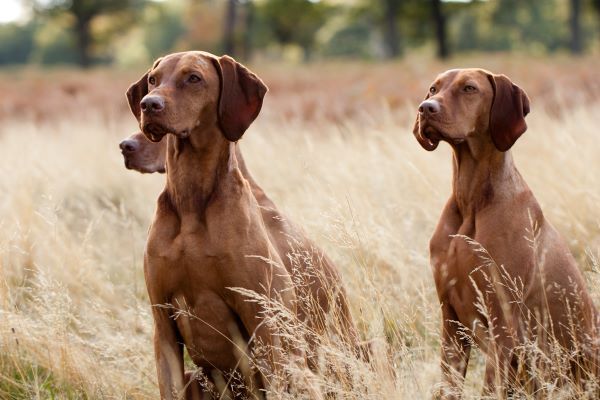
Summary
Hungarian Vizslas are energetic, affectionate, and highly intelligent dogs, making them an excellent choice for active individuals or families. With their athletic build and loving nature, they bond deeply with their owners while excelling in both outdoor activities and family life. Vizslas thrive in homes where they can enjoy regular physical activity and mental stimulation, making them perfect for those who enjoy outdoor adventures like running, hiking, or swimming. Though they are best suited to homes with plenty of space, they can adapt to suburban living as long as their exercise needs are met.
Known for their intelligence and eagerness to please, Hungarian Vizslas respond well to positive reinforcement training and are quick learners. Their friendly and social temperament makes them excellent companions for children and suitable for households with other pets, especially when properly socialised. Their keen senses and love for work make them great candidates for activities like agility, obedience, and even search-and-rescue roles.
With regular exercise, consistent training, and plenty of affection, Hungarian Vizslas provide years of loyalty and companionship. For those seeking an energetic, intelligent, and loving dog with a strong work ethic, the Hungarian Vizsla stands out as a versatile and devoted breed.
FAQs about the Hungarian Vizsla
They are generally affectionate, social dogs that can be excellent family companions for households able to meet their exercise and training needs.
High. They need plenty of daily exercise, including walks, active play and mental stimulation, with opportunities for more vigorous activity where appropriate.
Yes. They are highly intelligent and capable learners that usually respond very well to consistent, reward-based training and regular mental challenges.
They are generally low to moderate or moderate barkers, although barking can increase with boredom, excitement, anxiety or unfamiliar activity.
Yes. They generally shed a low to moderate or moderate amount and benefit from routine brushing.
They can adapt to apartment living in the right circumstances, but owners need to meet their daily exercise, enrichment and behavioural needs consistently.
Many can live happily with children and other pets when socialised from a young age, although individual temperament and compatibility always vary.
Potential health concerns include hip dysplasia, epilepsy, eye disease and some cancers or autoimmune conditions.
SEE MORE
Hungarian Vizsla Club of NSW: http://www.vizsla.org.au/
Hungarian Vizsla Club of Victoria: http://www.hvcv.com/
Hungarian Vizsla Club of SA: https://hvcsainc.wixsite.com/hvcsa

Get 2 months free for your puppy!
Congrats on your new bundle of joy
To ensure your precious fur baby is covered from the start, we'd like to offer your first 2 months of our Nose-to-Tail Cover for free2!
Get a quick quote