Is the Akita a good family dog?


Akita
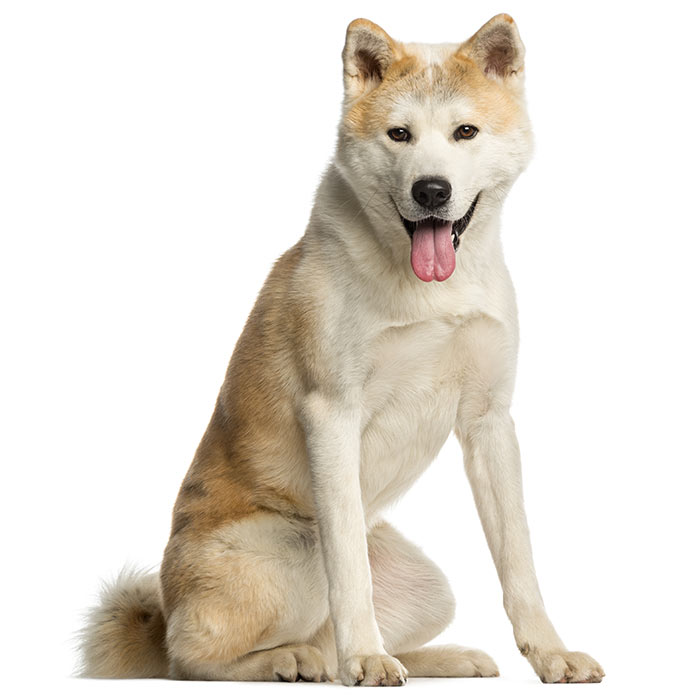
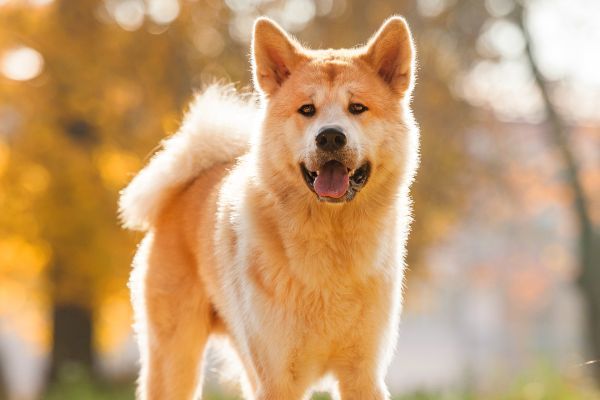
Akitas are large, powerful dogs with erect ears, a curled tail and a dense double coat. They are known for their loyalty and dignified manner, but their independence and strength make them best suited to experienced owners.
| Recommended for | Experienced owners who can provide consistent training and socialisation and secure surroundings |
| Breed Classification | Utility |
| Other names | Akita Inu, Japanese Akita |
| Lifespan | 10-13 years |
| Size | Large |
| Temperament | Dignified, loyal, alert, independent |
| Intelligence | Above average: benefits from short, engaging training sessions |
| Tendency to bark | Low to moderate: generally quiet unless alerting |
| Maintenance Level | Medium to high: particularly during seasonal shedding |
| Health Risk | Akitas can be predisposed to joint disease, bloat, hypothyroidism, sebaceous adenitis and inherited eye disorders. |
Thinking of insuring an Akita?
Explore the Top 5 health issues claimed for Akitas, including highest claims paid and how much pet insurance could help you save on eligible vet bills.
See Akita pet insurance Ready to get cover? Get a quick quote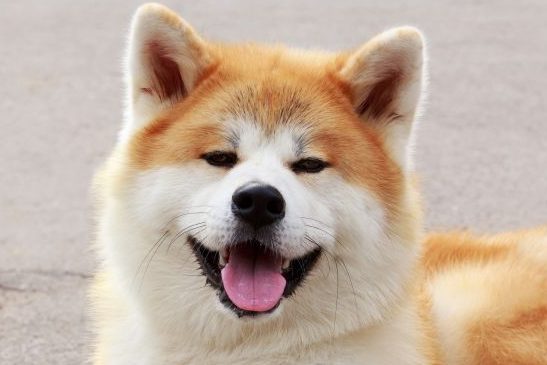
Akita personality and temperament
Akitas often develop a strong attachment to their household while remaining reserved around unfamiliar people. They can be affectionate companions without necessarily enjoying attention from everyone they meet.
Their intelligence comes with an independent streak. Clear routines, rewarding training and appropriate outlets for their energy help them settle into family life. Socialisation should build confidence and calm behaviour; it does not mean an Akita will become comfortable with every unfamiliar dog.
Akitas with kids and other pets
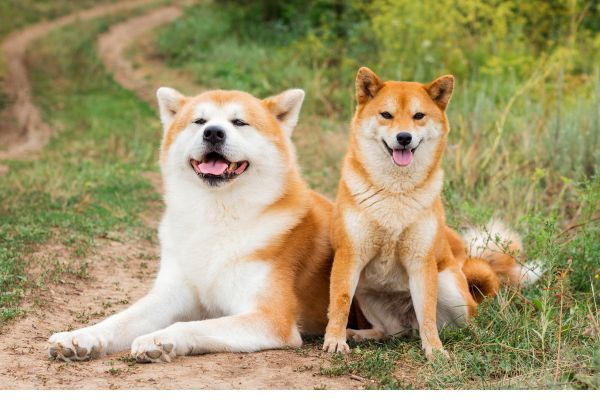
Akitas are generally better suited to families with older children who can follow rules around dogs. Their size and strength can make interactions with younger children difficult to manage. Adults should supervise contact, and children should give the dog space when it is eating, resting or seeking time alone.
Some Akitas have difficulty living with other dogs, particularly those of the same sex. Their hunting background also means smaller pets may trigger chasing behaviour. Assess compatibility individually and use carefully managed introductions; growing up together does not guarantee that animals will remain compatible.
Akita training and exercise
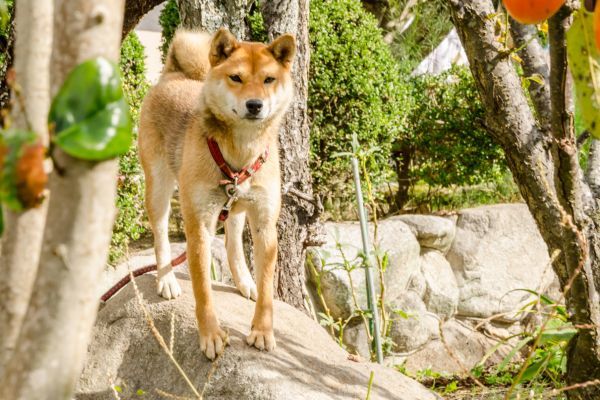
Provide daily walks, opportunities to explore and short training or play sessions. Adjust activity to your Akita’s age, health and fitness, and exercise during cooler parts of the day in hot weather.
Use reward-based training to teach useful skills such as loose-lead walking, settling and responding calmly to distractions. Keep sessions varied and manageable. Their tendency to chase makes secure fencing important, and off-lead exercise should take place in safely enclosed areas.
| Energy level | Moderate |
| Exercise requirements | Moderate - steady walks, controlled play and mental work |
Common health issues for Akitas
What do Akita owners claim for the most?
Akitas can develop inherited and breed-associated conditions affecting their joints, skin, thyroid and eyes. Responsible breeding, appropriate health screening and early veterinary assessment can help owners identify and manage problems.
- Hip dysplasia and elbow dysplasia: Developmental joint abnormalities that can cause pain, lameness and arthritis. Ask breeders for documented parental screening results.
- Gastric dilatation-volvulus (GDV): A life-threatening condition in which the stomach expands and twists. Suspected bloat requires immediate emergency veterinary treatment.
- Hypothyroidism: An underactive thyroid that may cause reduced energy, weight gain and changes to the skin or coat.
- Sebaceous adenitis: An inflammatory disorder affecting the skin’s oil glands. Signs can include hair loss, scaling and changes in coat texture.
- Eye disorders: Relevant conditions include progressive retinal atrophy and cataracts, which can impair vision.
Not all conditions are covered by Pet Insurance. For details of Bow Wow Meow Pet Insurance cover, refer to the Product Disclosure Statement.
How to choose the right insurance for your Akita
When comparing cover for your Akita, look for:

Cover for common Akita conditions:
Check that the policy covers conditions Akitas can be prone to, including common health issues.

Cover for hereditary conditions:
No exclusions for hereditary or congenital conditions⑅.

Flexible cover options:
Options to adjust your annual benefit limit, reimbursement rate and excess.
Bow Wow Meow's Nose-to-Tail Cover offers flexible options for your Akita, with cover for accidental injuries, illnesses and hereditary conditions⑅. Get a quick quote for cover that suits your Akita and your budget.
Akita feeding and nutrition
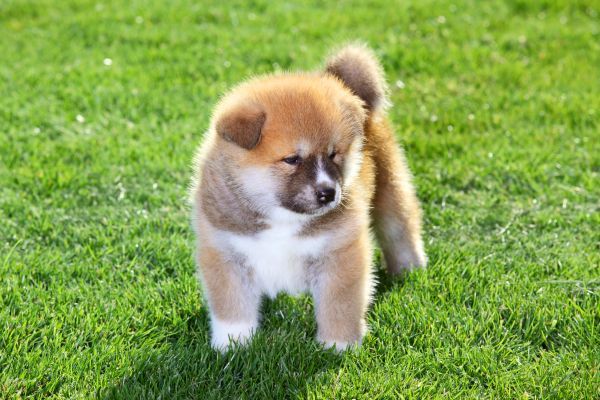
Feed your Akita a complete and balanced diet appropriate for its age, activity level and health. Measure portions and adjust them to maintain a lean body condition, allowing for treats when calculating daily intake.
Puppies need food suitable for large-breed growth, with appropriately controlled energy and mineral levels. Avoid adding calcium or other supplements unless your vet recommends them, as an unbalanced diet can interfere with healthy skeletal development. Your vet can help assess growth and advise when to move to adult food.
Akita care and grooming
Akitas have a dense double coat that needs regular brushing, with much more attention during seasonal shedding. Brush several times a week, increasing to daily sessions when loose undercoat is accumulating.
Introduce grooming and nail care gradually from puppyhood, using rewards to help your dog accept handling. Bathe when needed and include regular dental care and checks of the ears and skin. Routine shaving is not recommended for this double-coated breed.
Size, appearance and coat of Akitas
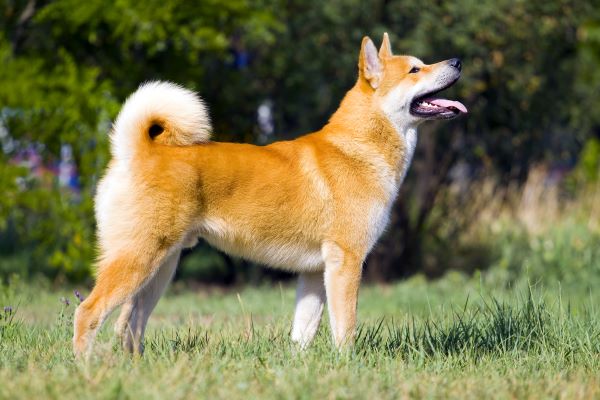
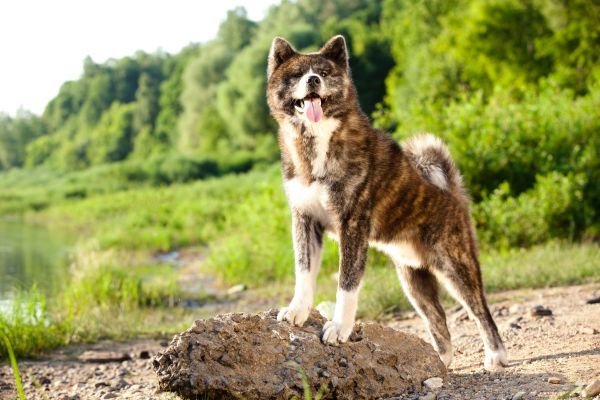
American and the Japanese Akitas both have a sturdy build, upright ears and a thick tail carried over the back. The American Akita generally has a broader, heavier appearance, while the Japanese Akita Inu is generally more fox-like and refined, and has more restricted colours and characteristic pale markings known as urajiro, except on white dogs.
| Weight range | Approximately 32-59 kg |
| Height range | Japanese: Male 64–70 cm; female 58–64 cm. American: Male 66–71 cm; female 61–66 cm |
| Colours | Japanese: Red fawn, sesame, brindle and white. American: Any colour except merle |
| Coat length | Short, dense double coat |
Breed history of Akitas
The Akita’s ancestry traces to hunting dogs in northern Japan. During the nineteenth century, crossing with larger dogs changed its size and appearance. Later preservation efforts sought to restore the Japanese breed’s characteristic features.
War and further crossbreeding complicated that history. Japanese preservationists worked to recover the traditional form, while a different style developed overseas. Today, Australian breed standards distinguish the Japanese Akita from the American Akita.
Explore related breeds
Akita facts!
- Akitas are a national treasure in Japan, where breed is considered an important symbol of Japanese culture and is associated with loyalty, courage and protection.
- The most famous Akita was Hachikō, who waited at a Tokyo train station every day for years after his owner passed away, becoming an enduring symbol of devotion.
-
Hachikō attended the unveiling of his own statue. The first bronze statue at Shibuya Station was unveiled in April 1934, while the famous dog was still alive.
-
Helen Keller’s visit to Japan led to an Akita friendship. After hearing Hachikō’s story, she received an Akita puppy in 1937. She later owned his younger brother, nicknamed Go-Go
- In Japan, Akita figurines are symbols of good luck and small Akita statues are sometimes given to wish someone health, happiness or a speedy recovery.
Summary
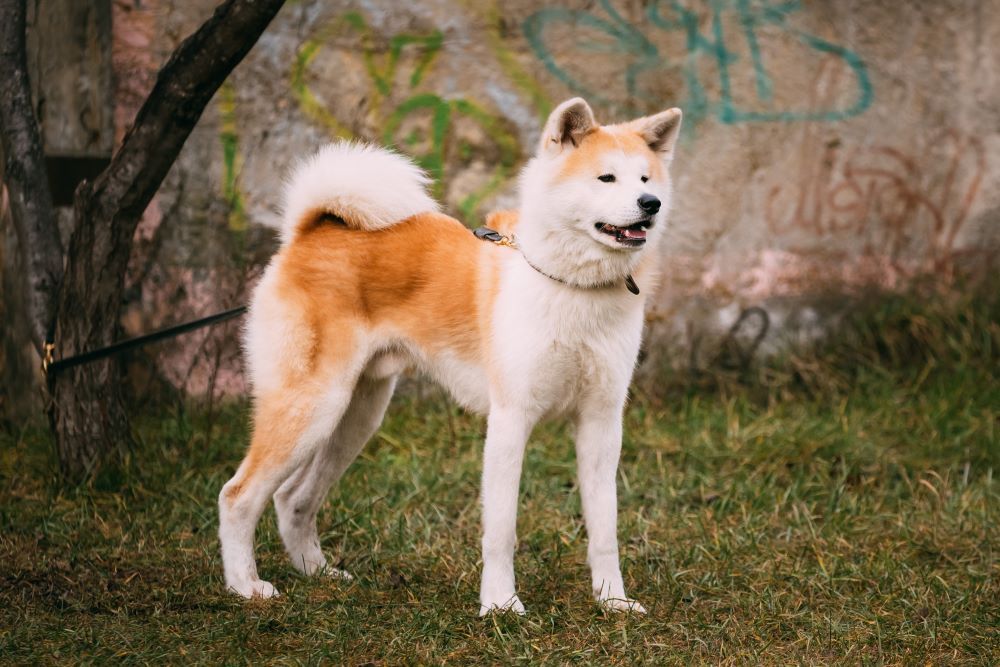
The Akita is a large, powerful Japanese breed with a thick double coat, broad head, curled tail and calm, dignified presence. Loyal, courageous and naturally protective, Akitas are deeply devoted to their families but can be reserved with strangers and selective with other dogs.
They are best suited to experienced owners who can provide early socialisation, steady training, regular exercise and careful management of their heavy seasonal shedding.
FAQs about the Akita
An Akita can suit an experienced household, especially one with older children. Careful supervision, training and thoughtful management around visitors and other animals are important.
Akitas need daily walks, play and mental stimulation. The amount should reflect the individual dog’s age, fitness and health, with adjustments during hot weather.
Yes. Akitas shed throughout the year, with particularly heavy shedding when their undercoat changes seasonally. Regular brushing helps manage loose hair.
No. Akitas shed heavily and are not considered hypoallergenic.
Akitas are intelligent but independent. Short, rewarding sessions and consistent expectations work better than force or repetitive drills.
They share ancestry, but Dogs Australia recognises them separately as Akita (Japanese) and Akita. Their appearance, height standards and accepted colours differ.
MORE INFORMATION
The Akita Club of America: https://www.akitaclub.org/
World Union of Akita Clubs: https://www.wuac.info/

Get 2 months free for your puppy!
Congrats on your new bundle of joy
To ensure your precious fur baby is covered from the start, we'd like to offer your first 2 months of our Nose-to-Tail Cover for free2!
Get a quick quote