Is the Chow Chow a good family dog?


Chow Chow
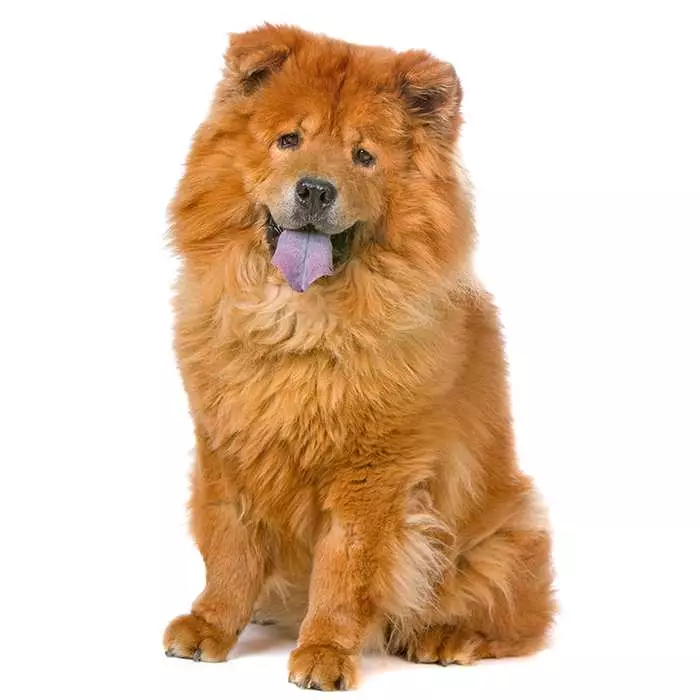
Chow Chows are distinctive medium-sized dogs known for their lion-like coats, blue-black tongues and dignified, independent personalities. Originally developed in China as versatile working dogs, they tend to be loyal to their families but more reserved and self-contained than many companion breeds.
| Recommended for | Experienced owners, singles, couples and quieter households |
| Breed Classification | Non-sporting |
| Other names | Chow |
| Lifespan | 9-12 years |
| Size | Medium |
| Temperament | Loyal, stubborn, independent |
| Intelligence | High: independently minded and less motivated by repetitive obedience |
| Tendency to bark | Low: generally quiet, although may bark to alert to unfamiliar activity |
| Maintenance Level | High: dense double coat requires frequent brushing and sheds heavily seasonally |
| Health Risk | Chow Chows can be prone to hip and elbow dysplasia, entropion and other eye disorders, patellar luxation, thyroid disease and skin conditions. |
Thinking of insuring a Chow Chow?
Explore the Top 5 health issues claimed for Chow Chows, including highest claims paid and how much pet insurance could help you save on eligible vet bills.
See Chow Chow pet insurance Ready to get cover? Get a quick quote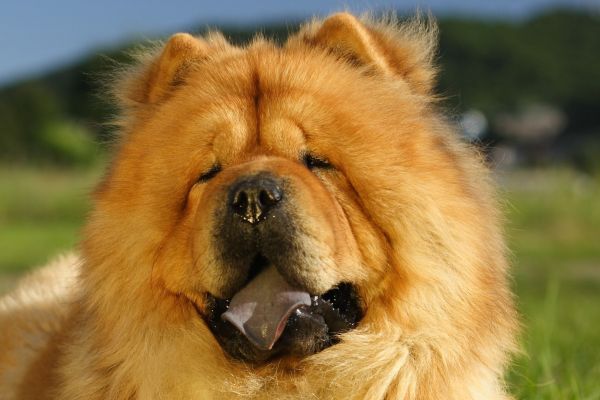
Chow Chow personality and temperament
Chow Chows are typically calm, independent and loyal dogs that often form strong bonds with their families. They are naturally more reserved than many breeds and may be aloof with unfamiliar people rather than immediately seeking attention. Their self-contained temperament is sometimes described as cat-like.
Because Chows can be cautious around unfamiliar people and situations, early positive socialisation is particularly important. Exposure to a variety of people, dogs, environments and everyday experiences can help them develop confidence and appropriate responses.
They are intelligent but independently minded and may not be as eager to follow instructions simply to please their owner. Consistent routines, respectful handling and reward-based training generally suit the breed better than forceful methods.
Chow Chows with kids and other pets
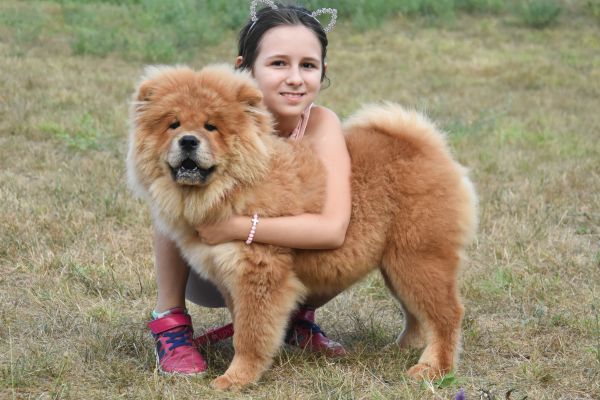
Well-socialised Chow Chows can live successfully with children, particularly when raised with them. However, they tend to prefer calm, respectful interaction rather than rough play, so children should be taught to respect the dog’s space and interactions with young children should always be supervised.
Chows can also live successfully with other dogs and pets, especially when introduced carefully and socialised from a young age. Individual compatibility varies, and some may be selective with unfamiliar dogs or have a stronger prey drive, so introductions should be gradual and supervised rather than assuming either compatibility or conflict.
Chow Chow training and exercise
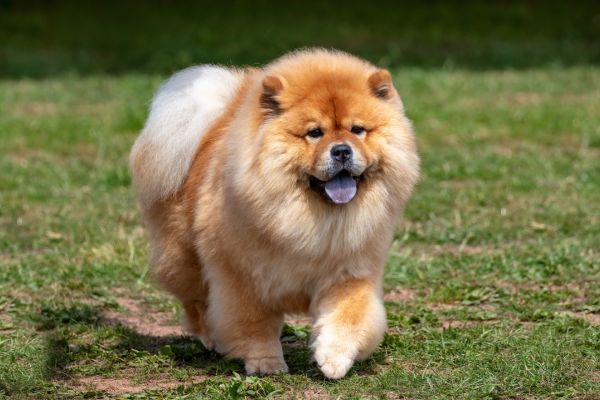
Chow Chows have moderate exercise needs and generally benefit from around 40–60 minutes of daily activity, often divided into shorter walks and play sessions. They do not usually require intense endurance exercise, but regular movement and mental stimulation are important for maintaining a healthy weight and preventing boredom. The Royal Kennel Club gives up to one hour daily, while PetMD suggests a couple of approximately 20-minute walks for many adults.
Their thick double coat and relatively short muzzle can make them less tolerant of hot or humid conditions, so exercise should be scheduled for cooler parts of the day during warm Australian weather.
Chows are intelligent but independent and can lose interest in repetitive training. Short, varied sessions using positive reinforcement generally work best. Early socialisation and puppy training are particularly valuable for helping them become comfortable and manageable around unfamiliar people, animals and environments.
| Energy level | Medium: generally calm and self-contained |
| Exercise requirements | Medium: around 40–60 minutes daily, preferably in shorter sessions and cooler conditions |
Common health issues for Chow Chows
What do Chow Chow owners claim for the most?
Chow Chows can be predisposed to several inherited and breed-related conditions affecting the joints, eyes, thyroid and skin. Responsible breeding programs commonly include hip, elbow, patellar, eye and thyroid screening.
- Hip dysplasia and elbow dysplasia: These developmental joint disorders can cause pain, lameness and arthritis. Both hip and elbow assessment are recommended for breeding Chow Chows, and elbow dysplasia is a particularly important concern in the breed.
- Entropion and other eye disorders: Entropion occurs when the eyelid rolls inward, allowing eyelashes and hair to rub against the eye and potentially cause pain, ulcers or scarring. Other eye problems, including ectropion and glaucoma, can also occur, making specialist eye screening important.
- Patellar luxation; The kneecap slips out of its normal position, potentially causing skipping, lameness, pain and arthritis. More severe cases may require surgery. Patellar assessment is recommended for breeding Chows.
- Autoimmune thyroiditis and hypothyroidism: Thyroid disease can result in insufficient thyroid hormone production, causing signs such as lethargy, weight gain and skin or coat changes. Thyroid screening is included in breed-health recommendations.
- Skin conditions and allergies: The breed’s dense coat can make skin irritation harder to detect, and allergies or infections may cause itching, redness, hair loss or recurrent skin problems. Regular grooming provides an opportunity to check the skin closely.
Not all conditions are covered by Pet Insurance. For details of Bow Wow Meow Pet Insurance cover, refer to the Product Disclosure Statement.
How to choose the right insurance for your Chow Chow
When comparing cover for your Chow Chow, look for:

Cover for common Chow Chow conditions:
Check that the policy covers conditions Chow Chows can be prone to, including common health issues.

Cover for hereditary conditions:
No exclusions for hereditary or congenital conditions⑅.

Flexible cover options:
Options to adjust your annual benefit limit, reimbursement rate and excess.
Bow Wow Meow's Nose-to-Tail Cover offers flexible options for your Chow Chow, with cover for accidental injuries, illnesses and hereditary conditions⑅. Get a quick quote for cover that suits your Chow Chow and your budget.
Chow Chow feeding and nutrition
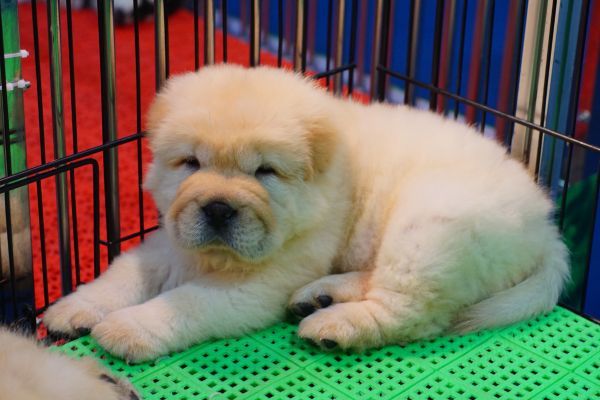
Chow Chows should be fed a complete and balanced diet appropriate for their age, body condition, activity level and health. Portions should be measured and adjusted to maintain a healthy weight, as excess weight can place additional stress on the joints.
If a Chow develops persistent itching, recurrent ear or skin problems or gastrointestinal signs, speak to your vet rather than making major dietary restrictions without a diagnosis. Food allergies are only one possible cause of these symptoms, and an appropriate elimination diet may be recommended when food allergy is suspected.
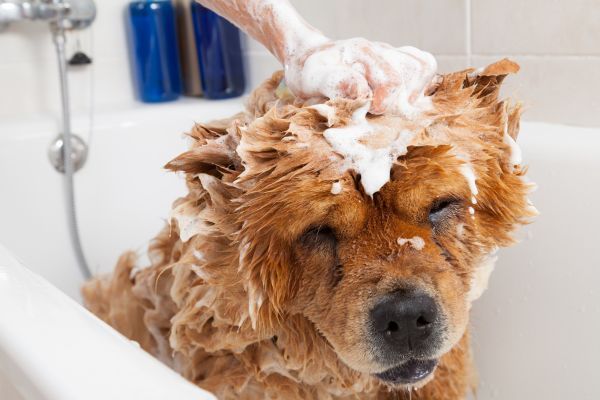
Chow Chow care and grooming
Both Rough and Smooth Chow Chows have dense double coats that shed and require regular grooming. Thorough brushing several times a week helps remove loose hair, prevent tangles and reach the thick undercoat, while daily grooming may be helpful for Rough Coats and during periods of heavy seasonal shedding. The Royal Kennel Club recommends daily grooming for the breed overall.
Particular attention should be paid behind the ears, around the neck and under the legs, where tangles can form. Bathing can be done as needed, and the dense coat should be dried thoroughly afterwards to reduce retained moisture against the skin. Routine nail, ear and dental care is also important.
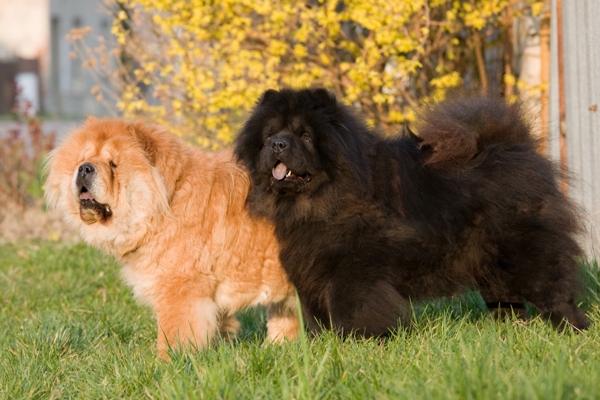
Size, appearance and coat of Chow Chows
The Chow Chow is a medium-sized, compact and powerfully built dog with a broad skull, small erect ears, deep-set almond-shaped eyes and a distinctive blue-black tongue. Its square outline, high-set tail carried over the back and characteristic stilted gait give the breed an unmistakable appearance.
Chow Chows occur in Rough and Smooth coat varieties. Rough Coats are abundant, dense and stand away from the body, creating the characteristic mane or ruff around the neck, while Smooth Coats are shorter but still dense and double-coated. Recognised colours are black, red, blue, fawn, cream and white, which may be shaded but should not be patched or parti-coloured.
| Weight range | Approximately 20–32 kg |
| Height range | Minimum 46 cm under the Dogs Australia standard |
| Colours | Black, red, blue, fawn, cream or white |
| Coat length | Medium; Rough and Smooth double-coat varieties |
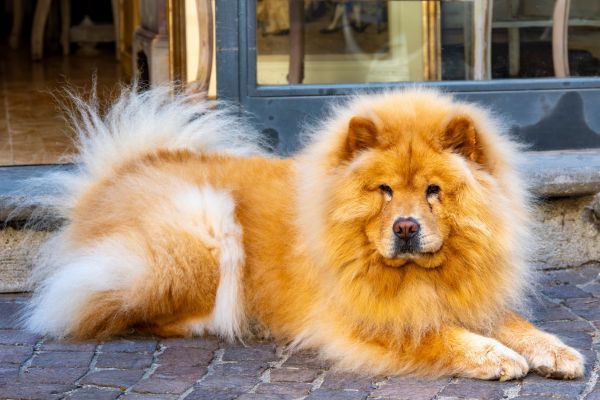
Breed history of Chow Chows
The Chow Chow is one of the oldest surviving dog breeds and has a long history in China. Dogs resembling modern Chows are depicted and described from at least the Han Dynasty, more than 2,000 years ago, while genetic research places the breed among ancient East Asian dog lineages.
Throughout Chinese history, Chow-type dogs performed a range of practical roles, including guarding, hunting and pulling carts, as well as serving as companions. Historical records also indicate that some dogs were raised for meat and their coats or skins were used for clothing, reflecting practices of particular periods rather than the modern role of the breed.
Chow Chows began attracting attention in Britain during the late 18th and 19th centuries. Two dogs were reportedly brought to Britain by East India Company traders in 1780, and dogs described as “Black Mouthed Chinese” were later displayed at London Zoo. Interest in the breed increased further after Queen Victoria acquired a Chow.
Chow Chow facts!
- A Chow Chow’s tongue develops its characteristic blue-black colour after birth; puppies are born with pink tongues that darken as they grow.
- The Chow Chow comes in two coat varieties—Rough and Smooth—with the same basic breed standard apart from coat length and texture.
- The breed has an unusual straight-hocked rear construction that produces its characteristic short, stilted gait.
- Chow Chows have small, round “cat-like” feet, a feature specifically described in the official breed standard.
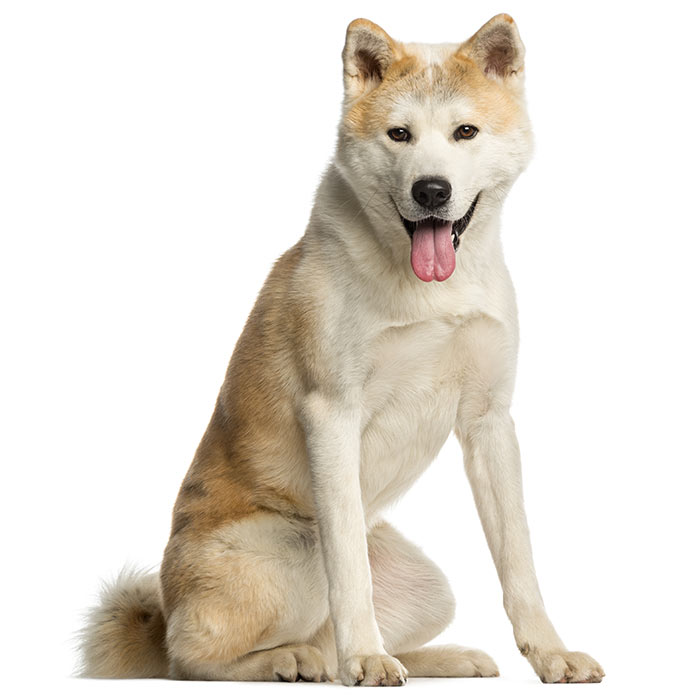
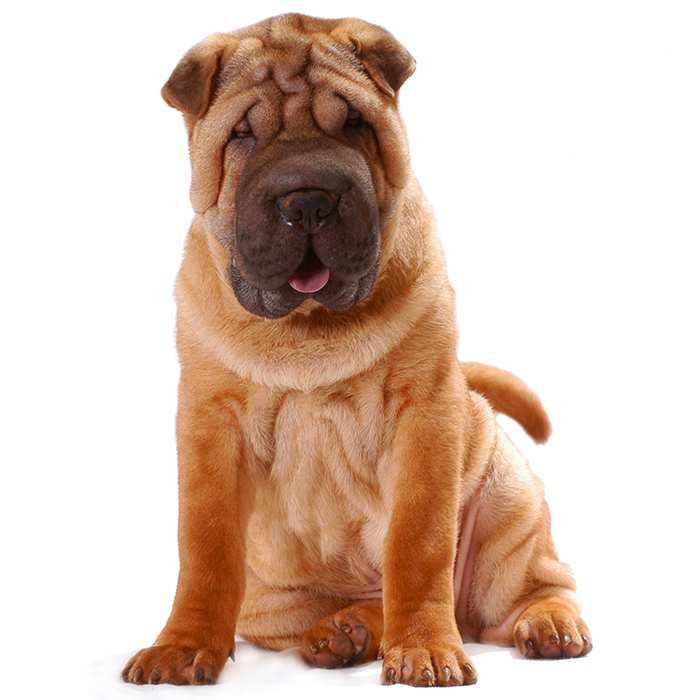
- Genetic research places the Chow Chow among the world’s ancient East Asian dog lineages, alongside breeds such as the Akita and Shar-Pei.
- Sigmund Freud owned Chow Chows, and his daughter Anna Freud later became a breeder and enthusiast of the breed.
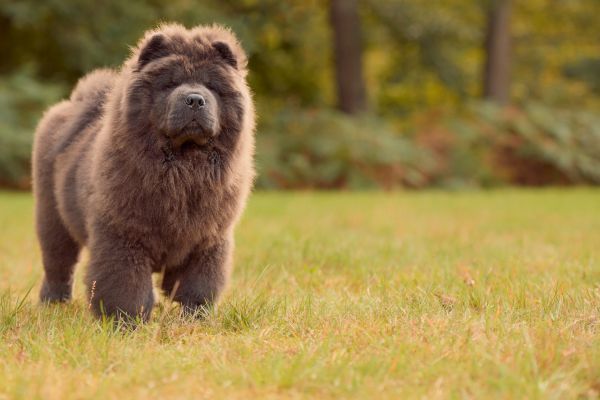
Summary
The Chow Chow is a sturdy medium-to-large dog with a distinctive, teddy-bear-like appearance and a dignified, independent personality. Loyal and protective, it tends to form strong bonds with its chosen people while remaining reserved and self-contained.
Often described as cat-like, the Chow Chow can be stubborn and less eager to please than many breeds. It is generally better suited to singles or smaller households that appreciate an independent companion and can provide patient, consistent handling.
FAQs about the Chow Chow
They can be deeply loyal family companions in experienced homes, but early socialisation and consistent training are essential because of their size, strength or guarding instincts.
Moderate. Daily walks and play are generally appropriate, adjusted for the dog’s age, health and individual energy level.
They are intelligent but can be independent or strong-willed, so patient, consistent reward-based training and early socialisation are important.
They are generally relatively quiet dogs, although any individual may bark when alerting, excited or anxious.
Yes. They can shed heavily, particularly at certain times of year, and regular brushing is important during seasonal coat changes.
They can adapt to apartment living in the right circumstances, but owners need to meet their daily exercise, enrichment and behavioural needs consistently.
They can live successfully with children and other pets when carefully socialised, but their size and protective instincts mean supervision and thoughtful introductions are essential.
Potential health concerns include hip and elbow dysplasia, entropion, skin disease and thyroid disorders.
The blue-black tongue is a defining characteristic of the Chow Chow and develops as puppies mature. Chow puppies are born with pink tongues, which gradually darken during the first weeks of life. Adult Chows should have a bluish-black tongue under the breed standard.
They can be challenging for inexperienced owners because they are independent, reserved and require careful early socialisation and consistent training. Many are therefore better suited to owners who understand independent guardian-type breeds and are comfortable providing clear routines and ongoing socialisation.
MORE INFORMATION
The Chow Chow Club of NSW Inc: https://www.chowchowclubnsw.com/
The Chow Chow Club of Victoria Inc: http://www.chowchowclubvic.com.au/

Get 2 months free for your puppy!
Congrats on your new bundle of joy
To ensure your precious fur baby is covered from the start, we'd like to offer your first 2 months of our Nose-to-Tail Cover for free2!
Get a quick quote