Is the Dachshund a good family dog?


Dachshund
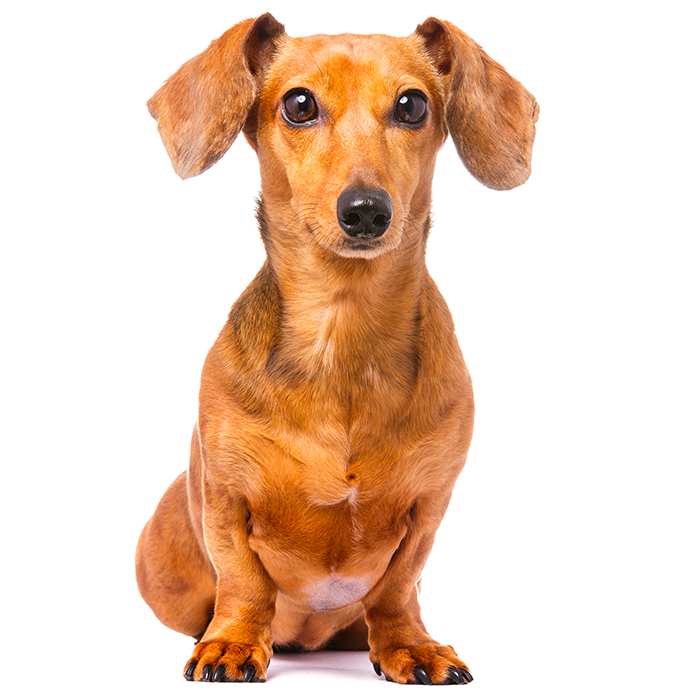
Dachshunds are lively, intelligent and affectionate hounds instantly recognisable for their long, low bodies and short legs. Originally developed in Germany to hunt animals underground, they remain curious, courageous and strongly motivated by scent.
| Recommended for | Singles, couples, seniors and families with older children |
| Breed Classification | Hounds |
| Other names | Doxie, sausage dog |
| Lifespan | 12-16 years |
| Size | Small |
| Temperament | Affectionate, independent, loyal, brave |
| Intelligence | Above average: clever and capable learners, but independently minded |
| Tendency to bark | High: alert and vocal, with a surprisingly deep bark |
| Maintenance Level | Medium: varies considerably between coat varieties |
| Health Risk | Dachshunds are generally long-lived dogs, but their distinctive body shape places them at increased risk of IVDD and they are prone to dental disease, patellar luxation, eye disorders and epilepsy. |
Thinking of insuring a Dachshund?
Explore the Top 5 health issues claimed for Dachshunds, including highest claims paid and how much pet insurance could help you save on eligible vet bills.
See Dachshund pet insurance Ready to get cover? Get a quick quote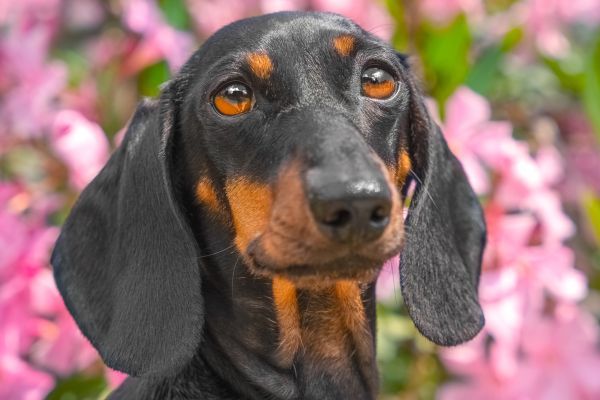
Dachshund personality and temperament
Dachshunds are lively, affectionate and intelligent dogs with an independent streak inherited from their history as hunters. They often form close bonds with their families and enjoy being involved in everyday activities, although they can be more self-directed than breeds developed primarily to work closely alongside people.
Naturally alert and equipped with a surprisingly powerful bark, Dachshunds can make effective watchdogs and may be reserved around unfamiliar people. Early positive socialisation and training can help them respond confidently and appropriately to new people, dogs and environments.

Dachshunds with kids and other pets
Dachshunds can make affectionate family companions, but their long backs and relatively short legs mean they should be handled carefully. Children should be taught to support the dog properly, avoid rough play and never pick them up without supervision.
They can also live successfully with other dogs and pets when appropriately socialised and introduced. However, their hunting background means some Dachshunds retain a strong prey drive towards smaller animals, so individual temperament should always be considered.
Dachshund training and exercise
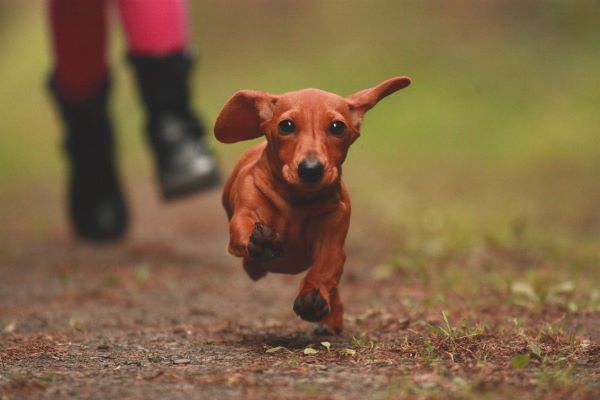
Dachshunds may have short legs, but they are active hunting dogs that benefit from regular daily exercise. Walks, sniffing opportunities, scent games and play help maintain fitness and provide important mental stimulation. Their strong scent drive can make recall challenging, so off-lead exercise is safest in secure areas unless recall is very reliable.
Dachshunds are intelligent but can be independent, so short, enjoyable training sessions using positive reinforcement tend to work best. Maintaining good muscle tone and a healthy body weight is particularly important because of the breed’s susceptibility to spinal disease.
Because Dachshunds are prone to IVDD, avoid unnecessary high-impact activities and repeated uncontrolled jumping from significant heights. Keeping them lean and physically fit is important, and owners of dogs with existing back problems should follow their veterinarian’s advice about stairs, jumping and exercise.
| Energy level | High: ively, curious and active despite their short legs |
| Exercise requirements | Medium: around 30–60 minutes daily plus play and mental enrichment |
Common health issues for Dachshunds
What do Dachshund owners claim for the most?
Dachshunds are generally long-lived dogs, but their distinctive body shape places them at increased risk of spinal disease. They can also be predisposed to several dental, joint, eye and neurological conditions, with some inherited disorders affecting particular coat or size varieties.
- Intervertebral Disc Disease (IVDD): Dachshunds have a particularly high risk of IVDD, in which degeneration of the discs between the vertebrae can lead to pain, weakness, difficulty walking and, in severe cases, paralysis. Sudden back or neck pain, reluctance to move, weakness or dragging of the limbs requires prompt veterinary attention. Research has estimated clinical IVDD affects a substantial proportion of Dachshunds during their lifetime.
- Dental disease: Periodontal disease is common in small dogs such as Dachshunds and can lead to inflamed gums, infection and tooth loss. Daily tooth brushing and regular veterinary dental checks can help maintain oral health.
- Patellar luxation: This occurs when the kneecap slips out of its normal position, potentially causing skipping, lameness, discomfort and eventually arthritis. More severe cases may require surgery.
- Eye disorders: Dachshunds can develop inherited and acquired eye conditions including progressive retinal atrophy (PRA), cataracts and glaucoma.
- Epilepsy: Idiopathic epilepsy causes recurrent seizures without an identifiable underlying cause and is thought to have a genetic component in some Dachshunds. Treatment depends on seizure frequency and severity and may involve long-term anticonvulsant medication.
Not all conditions are covered by Pet Insurance. For details of Bow Wow Meow Pet Insurance cover, refer to the Product Disclosure Statement.
How to choose the right insurance for your Dachshund
When comparing cover for your Dachshund, look for:

Cover for common Dachshund conditions:
Check that the policy covers conditions Dachshunds can be prone to, including common health issues.

Cover for hereditary conditions:
No exclusions for hereditary or congenital conditions⑅.

Flexible cover options:
Options to adjust your annual benefit limit, reimbursement rate and excess.
Bow Wow Meow's Nose-to-Tail Cover offers flexible options for your Dachshund, with cover for accidental injuries, illnesses and hereditary conditions⑅. Get a quick quote for cover that suits your Dachshund and your budget.
Dachshund feeding and nutrition
Dachshunds should be fed a complete and balanced diet appropriate for their age, body condition, activity level and health. Portions should be measured carefully, as excess weight places additional strain on the body and can make mobility and spinal problems more difficult to manage.
Treats should be included when considering daily food intake, and maintaining a lean, healthy body condition is particularly important for this breed. Speak to your vet if you have concerns about your Dachshund’s weight, diet or individual nutritional needs.
Dachshund care and grooming
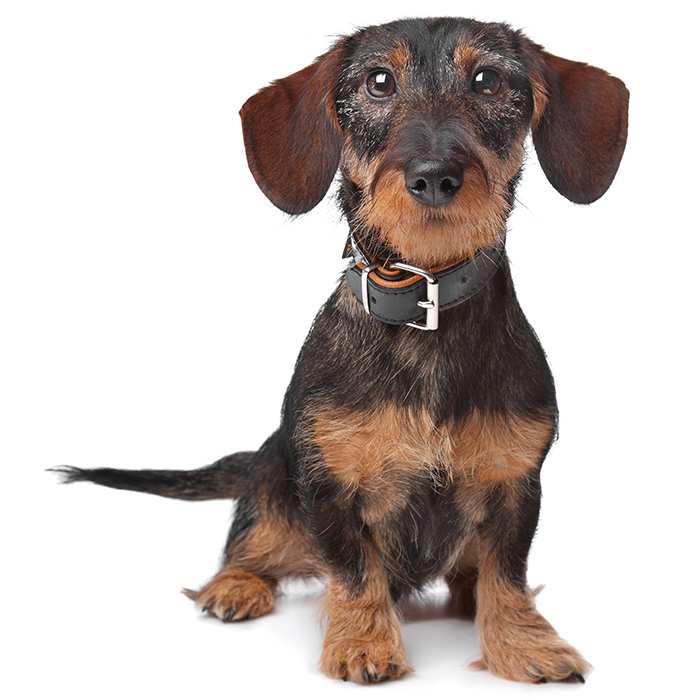
Grooming requirements vary between the three coat varieties. Smooth-haired Dachshunds generally need only weekly brushing, while Long-haired dogs require more frequent brushing and combing to prevent tangles, particularly around the ears, chest and feathering. Wire-haired Dachshunds benefit from regular brushing and periodic hand-stripping to maintain the characteristic harsh coat texture.
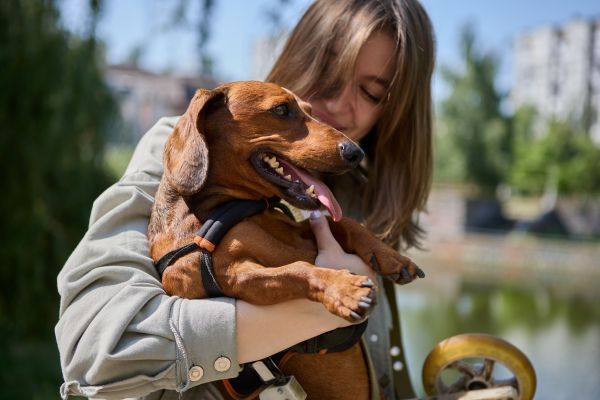
The long, pendulous ears should be checked regularly for redness, odour, discharge or irritation and cleaned only when needed or as advised by a veterinarian. Routine nail and dental care is also important.
Size, appearance and coat of Dachshunds
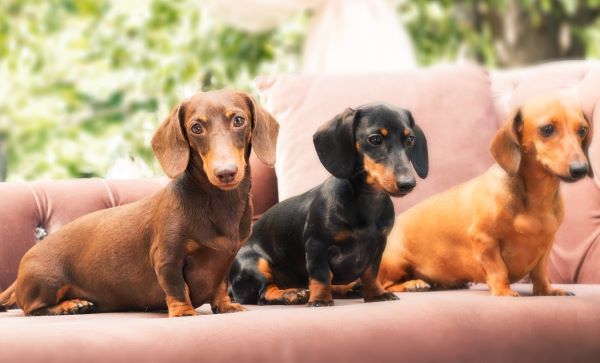
The Dachshund is a small, long-bodied dog with short, muscular legs. They have a long muzzle and almond shaped eyes that can either be dark red or black-brown. Dachshunds come in two sizes: Standard and Miniature.
The Dachshund is a low-set, compact and muscular hound with a body that is moderately long in proportion to its height, short strong legs and sufficient ground clearance for free movement. Its head is long and tapered, with medium-sized almond-shaped eyes and long, rounded ears.
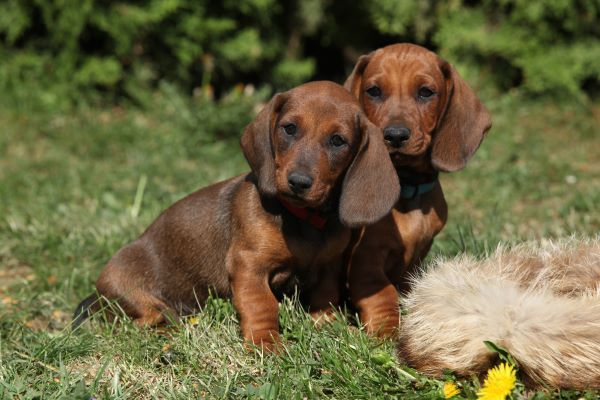
Dachshunds occur in Standard and Miniature sizes and three coat varieties: Smooth, Long and Wire. Smooth coats are short and sleek; Long coats are soft and feathered; and Wire coats are harsh and close-fitting with distinctive facial furnishings.
| Weight range | 9–12 kg for Standards; 4.5 kg for Miniatures |
| Height range | Approx. 13–23 cm, depending on size variety |
| Colours | Red, black and tan, chocolate and tan and dapple, with cream, brindle and wild boar permitted in certain coat and size varieties |
| Coat length | Short, medium or long, depending on variety |
Breed history of Dachshunds
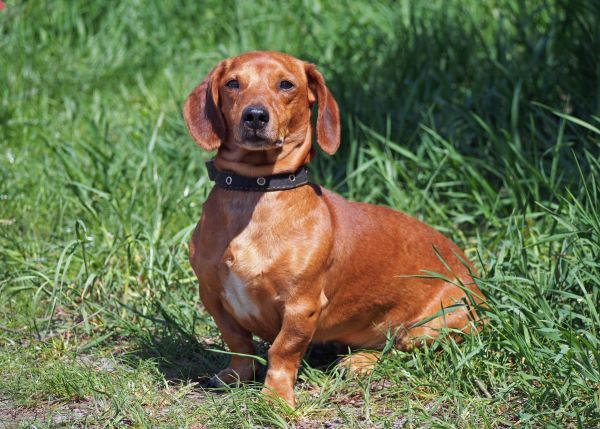
The Dachshund originated in Germany, where it was developed as a versatile hunting dog capable of tracking game above ground and pursuing quarry into underground burrows. Its name comes from the German words Dachs, meaning badger, and Hund, meaning dog, reflecting its traditional role hunting badgers.
Dogs resembling modern Dachshunds appear in European records and illustrations from several centuries ago, with German hunters progressively developing a specialised low-built hound suited to underground work. Standards were refined during the 19th century, and the Deutsche Teckelklub, Germany’s Dachshund breed club, was established in 1888.
Different sizes and coat types developed to suit different hunting roles. Today, Dachshunds are far more commonly kept as companions, although their strong scenting ability, determination and independent hunting instincts remain characteristic of the breed.
Explore related breeds
Dachshund facts!
- The name Dachshund literally means “badger dog” in German
- Dachshunds occur in three distinct coat varieties: Smooth, Long and Wire
- Their short legs and powerful forequarters were developed to help them work underground
- “Teckel” is another traditional German name for the breed, while in Australia they are affectionately known as the “sausage dog”.
Summary
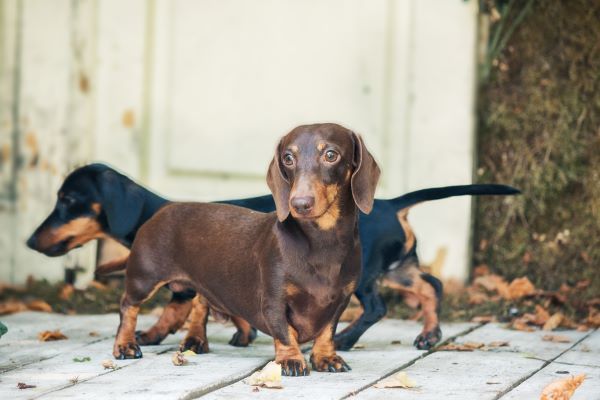
The Dachshund is a lovable, independent small dog with a distinctive long body and short legs. Loyal and bright, Dachshunds can make affectionate family pets and enjoyable companions for older people.
They do not require a huge amount of exercise, but their brave and vigilant nature means they can be surprisingly vocal watchdogs. Dachshunds may bark or growl at visitors and suit owners who appreciate a small dog with a confident personality.
FAQs about the Dachshund
They are generally affectionate companions and can suit families, couples or singles when their individual exercise, training and grooming needs are met.
Most healthy adult Dachshunds benefit from around 30–60 minutes of daily exercise, together with play and mental enrichment. Exercise should be appropriate for the dog’s age, size, fitness and any existing back problems.
They are intelligent but can be independent or strong-willed, so patient, consistent reward-based training and early socialisation are important.
Dachshunds can be quite vocal and have a surprisingly deep bark for their size. They often bark to alert their owners, while boredom, excitement or anxiety can increase barking.
Yes. They generally shed a low to moderate or moderate amount and benefit from routine brushing.
Yes, they can adapt well to apartment living provided they receive sufficient daily exercise, mental stimulation and companionship.
They are often sociable with children and other dogs, although their hunting instincts mean smaller pets should be introduced and supervised carefully.
Potential health concerns include intervertebral disc disease, dental disease, eye problems and patellar luxation.
MORE INFORMATION
The Dachshund Club of Queensland: https://dachshundclub.com.au/
The Dachshund Club of NSW Inc: http://www.dachshundclub.org.au/
The Dachshund Club of Victoria Inc: http://www.dachshundaustralia.org.au/

Get 2 months free for your puppy!
Congrats on your new bundle of joy
To ensure your precious fur baby is covered from the start, we'd like to offer your first 2 months of our Nose-to-Tail Cover for free2!
Get a quick quote