Is the Welsh Corgi a good family dog?


Welsh Corgi
Welsh Corgis are sturdy and affectionate small dogs with short legs, a long body and an alert, expressive face. Originally bred as herding dogs, they are known for their intelligence, confidence and lively, people-focused nature. Generally friendly and devoted to their family, Welsh Corgis can be vocal, energetic and sometimes strong-willed, so they benefit from regular exercise, mental stimulation and consistent training.
| Recommended for | Owners who want a small but active, intelligent dog and can manage regular exercise, training and possible barking. |
| Breed Classification | Herding Group |
| Other names | Corgi, Pembroke/Cardigan type |
| Lifespan | 12 to 15 years |
| Size | Small to Medium |
| Temperament | Bright, affectionate, bold and alert |
| Intelligence | Generally intelligent; best results come from patient, positive and consistent training |
| Tendency to bark | Moderate to high; alert and talkative |
| Maintenance Level | Weekly brushing, extra during shedding seasons |
| Health Risk | Welsh Corgis are generally robust when well bred and well cared for, but they can still be affected by recognised breed-related conditions that should be discussed with a vet or breeder. |
Thinking of insuring a Welsh Corgi?
Explore the Top 5 health issues claimed for Welsh Corgis, including highest claims paid and how much pet insurance could help you save on eligible vet bills.
See Welsh Corgi pet insurance Ready to get cover? Get a quick quote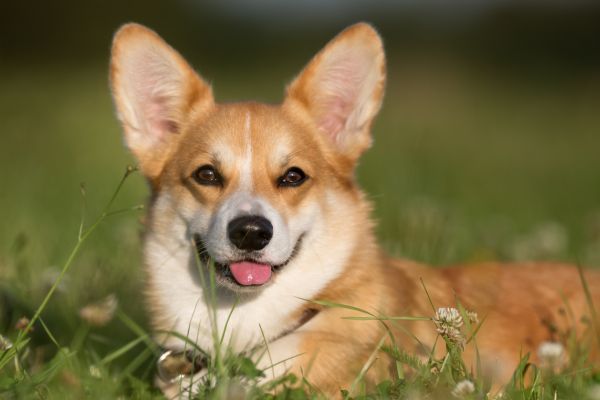
Welsh Corgi personality and temperament
The Welsh Corgi is a bright, alert and confident breed with a strong herding background and a lively personality. Despite its short legs and compact size, it is energetic, capable and often surprisingly bold.
Corgis are usually affectionate and loyal with their families, and many are outgoing and sociable. They can also be vocal, determined and inclined to herd people or other pets, so they benefit from training, mental enrichment and regular activity.
Welsh Corgis with kids and other pets
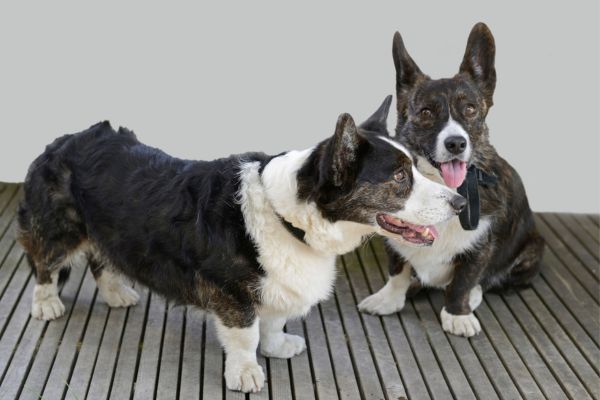
Welsh Corgis can be loving and entertaining family dogs that often enjoy the company of children. Their sturdy build and playful nature make them good companions for respectful kids, but their herding instincts may lead them to nip at heels or try to control running children if not trained appropriately.
With other pets, Welsh Corgis often do well with dogs and cats when introduced early. They can be confident, vocal and sometimes a little bossy, so early socialisation and clear household rules help maintain harmony.

Welsh Corgi training and exercise
Welsh Corgis need regular daily exercise despite their short legs and compact size. Walks, play sessions, training games and controlled off-lead time in secure areas help keep them fit and prevent weight gain. They also enjoy mental enrichment, especially activities that tap into their herding instincts.
Training should start early, as Corgis are intelligent, confident and sometimes strong-willed. They respond well to positive reinforcement, consistency and clear household rules. Training should also focus on managing barking, heel-nipping and herding behaviours, especially around children and other pets.
| Energy level | Moderate to high |
| Exercise requirements | Moderate to high - daily walks, games and low-impact herding-style play |
Common health issues for Welsh Corgis
What do Welsh Corgi owners claim for the most?
- Intervertebral disc disease: A spinal condition where the cushioning discs between the vertebrae bulge or rupture, putting pressure on the spinal cord and nerves. Signs may include back or neck pain, a hunched posture, wobbliness, weakness, dragging limbs or paralysis.
- Hip dysplasia: A developmental condition where the hip joint forms abnormally, causing looseness, pain and reduced mobility. Genetics are a major factor, while rapid growth, excess weight and inappropriate exercise can worsen symptoms. Early diagnosis, weight control and veterinary care can help manage the condition.
- Degenerative Myelopathy: A progressive spinal cord disease that causes gradual hind-leg weakness, wobbliness, dragging feet and loss of coordination. It usually affects older dogs and is linked to inherited risk factors in some breeds.
- Eye disease: This includes problems such as cataracts, glaucoma, conjunctivitis, dry eye, corneal ulcers and inherited eye disorders. Signs may include redness, cloudiness, discharge, squinting, pawing at the eye, swelling or changes in vision.
- Obesity: A common condition where excess body fat affects a dog’s health, mobility and quality of life. It can increase the risk of arthritis, diabetes, breathing problems, heart disease and anaesthetic complications.
Not all conditions are covered by Pet Insurance. For details of Bow Wow Meow Pet Insurance cover, refer to the Product Disclosure Statement.
How to choose the right insurance for your Welsh Corgi
When comparing cover for your Welsh Corgi, look for:

Cover for common Welsh Corgi conditions:
Check that the policy covers conditions Welsh Corgis can be prone to, including common health issues.

Cover for hereditary conditions:
No exclusions for hereditary or congenital conditions⑅.

Flexible cover options:
Options to adjust your annual benefit limit, reimbursement rate and excess.
Bow Wow Meow's Nose-to-Tail Cover offers flexible options for your Welsh Corgi, with cover for accidental injuries, illnesses and hereditary conditions⑅. Get a quick quote for cover that suits your Welsh Corgi and your budget.

Welsh Corgi feeding and nutrition
The Welsh Corgi needs a balanced diet that supports its sturdy body while helping prevent excess weight gain. Although Corgis are active and intelligent, their long backs and short legs mean maintaining a healthy weight is especially important to reduce strain on the spine and joints.
Measured portions are essential, as Corgis often enjoy food and can become overweight if overfed. A diet with quality protein, moderate fat and controlled calories is ideal. Treats should be limited and included as part of the daily calorie allowance, especially when used for training.
Welsh Corgi care and grooming
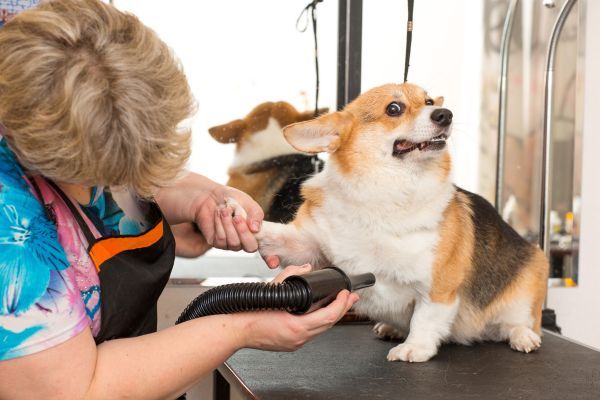
The Welsh Corgi has a medium-length double coat that sheds regularly and more heavily during seasonal changes. Weekly brushing helps remove loose hair, reduce shedding and keep the coat clean. During heavier shedding periods, brushing several times a week may be needed.
Corgis do not usually require complex trimming, but their coat benefits from routine maintenance. Bathing should be done as needed, and the dog should be dried thoroughly afterwards. Regular nail trimming is important because of the breed’s short legs and active movement, along with ear checks and dental care.
Size, appearance and coat of Welsh Corgis
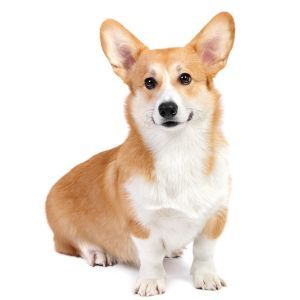
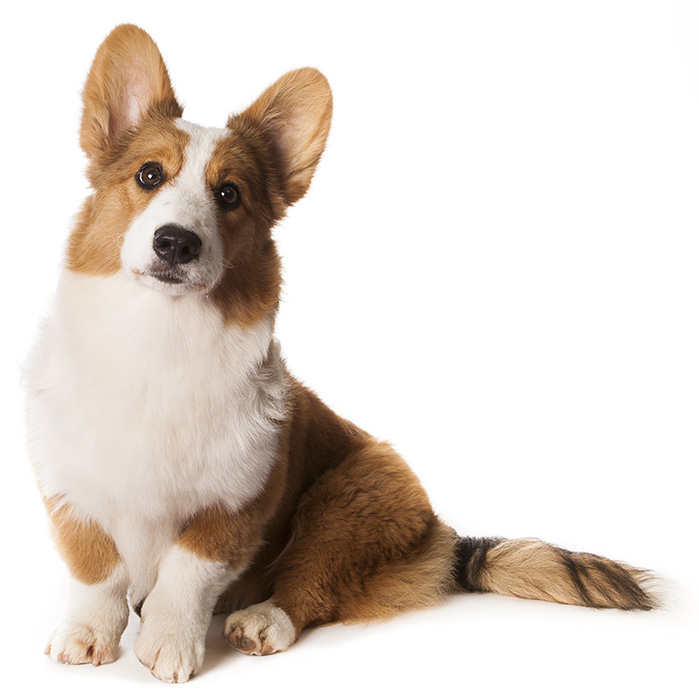
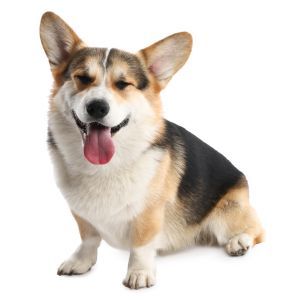
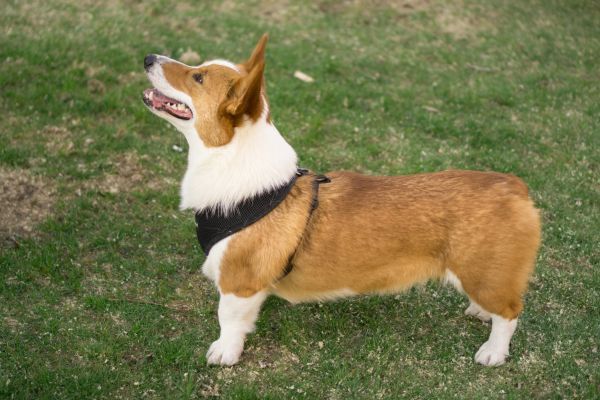
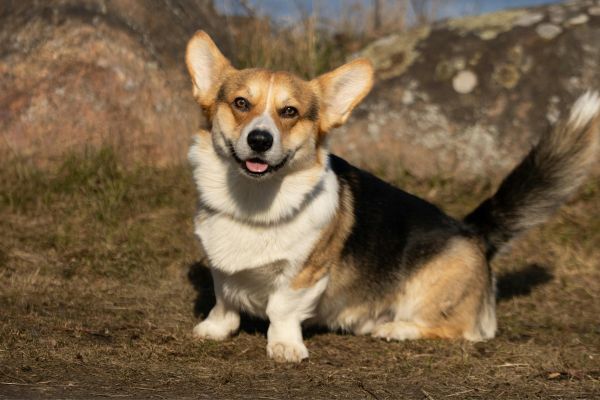
The Welsh Corgi is a low-set, sturdy herding dog with a long body, short legs and a bright, alert expression. It has a fox-like head, upright ears, dark expressive eyes and a compact but surprisingly strong frame that reflects its working background.
Its coat is medium-length and weather-resistant, with a dense undercoat. Colours vary by type but commonly include red, sable, fawn, black and tan, often with white markings on the chest, legs, neck, face or muzzle.
| Weight range | 10 to 17 kg |
| Height range | 25 to 33 cm |
| Colours | Red, sable, fawn, black and tan, brindle or merle depending on type |
| Coat length | Medium length, weather-resistant double coat |
Breed history of Welsh Corgis
The Welsh Corgi’s history is tied to the farms and cattle routes of Wales, where low-set herding dogs were used to drive livestock by nipping at heels and ducking away from kicks. The name has historically covered both Pembroke and Cardigan types, which share Welsh working roots but developed as distinct breeds in different regions.
Corgis were valued as practical farm dogs rather than ornamental companions. Their short legs, sturdy build and alert nature reflect a history shaped by cattle work, yard guarding and close partnership with farming families in the Welsh countryside.
Explore related breeds
Welsh Corgi facts!
- The name “Corgi” comes from the Welsh word for “dwarf dog”.
- They have also been referred to as “yard-long dogs” in the past.
- Corgis were popularised by Queen Elizabeth II who owned many Corgis and Dorgis (Corgi cross Dachshund) over the years.
- Stephen King, Ava Gardner, Kiefer Sutherland, Selma Blair and Kirstie Alley have all owned Corgis.
- Many Pembrokes today are naturally born with no tail.
- Welsh legend has it Corgis were the preferred method of travel for fairies.
Summary
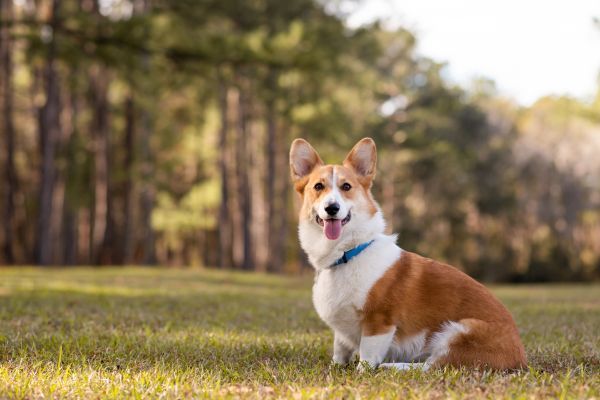
The Welsh Corgi is a sturdy, low-set herding dog with short legs, a long body, upright ears and a bright, alert expression. Intelligent, lively and affectionate, Corgis are often devoted family companions but can also be vocal, confident and inclined to herd people or other pets.
They need regular exercise, weight control, training to manage barking or nipping behaviours, and routine brushing to manage their shedding double coat.
FAQs about the Welsh Corgi
It can be, provided the household matches the breed’s exercise, training, grooming and supervision needs.
Moderate to High – daily walks, games and low-impact herding-style play.
Shedding depends on coat type, season and grooming routine. The breed has a medium length, weather-resistant double coat.
No. While some individuals may shed less than others, no dog breed is truly allergy-free.
Most respond well to positive, consistent training, but owners should work with the breed’s instincts rather than against them.
MORE INFORMATION
Corgi Club of Victoria: http://corgiclubvic.com/
The Welsh Corgis Club of NSW: https://welshcorgiclubnsw.com/

Get 2 months free for your puppy!
Congrats on your new bundle of joy
To ensure your precious fur baby is covered from the start, we'd like to offer your first 2 months of our Nose-to-Tail Cover for free2!
Get a quick quote