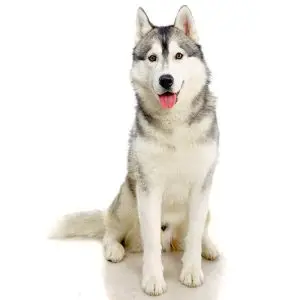
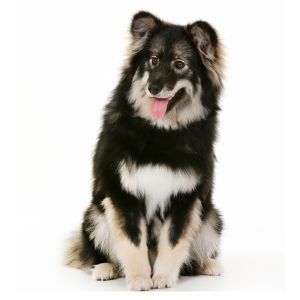
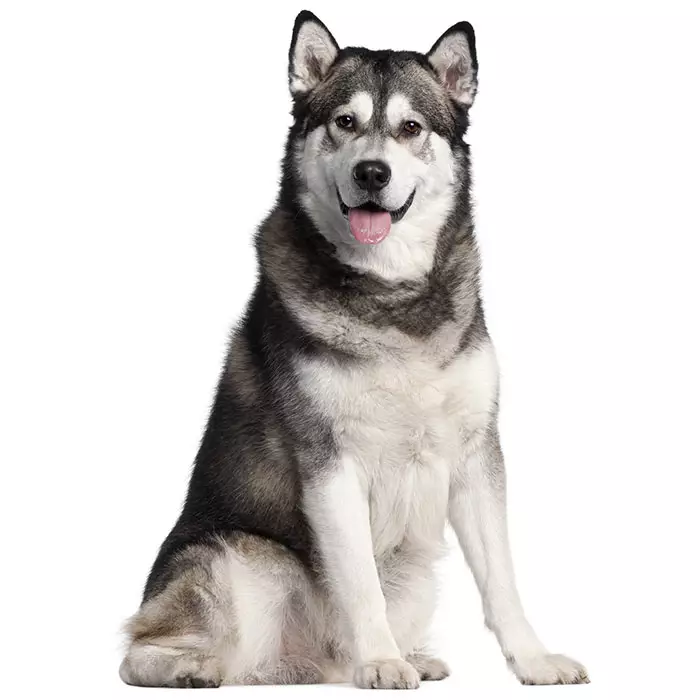
Is the Samoyed a good family dog?


Samoyed
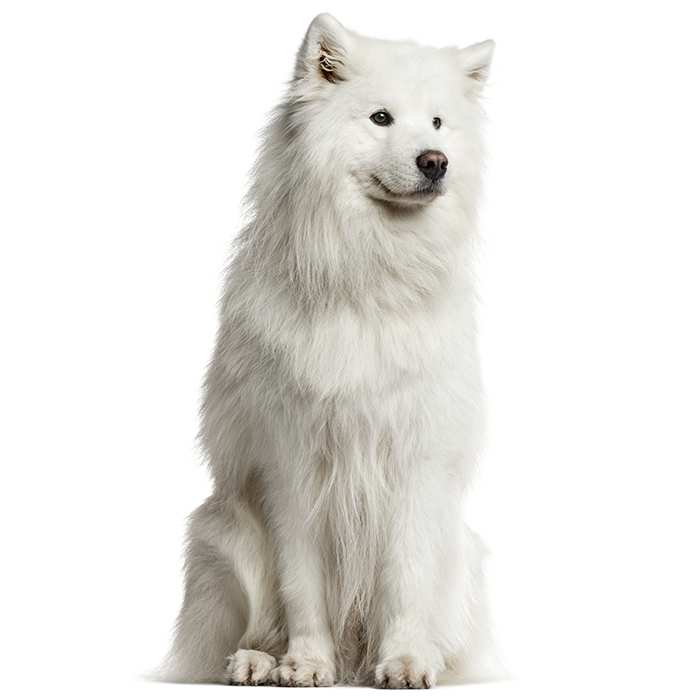
Samoyeds are medium sized spitz-type dogs with a thick, fluffy, all-white coat and a permanent smile. They are friendly, affectionate, mischievous and independent dogs who thrive on human company. Samoyeds are not an easy breed to own – they have plenty of energy, so owners need to make sure they have enough exercise, while their long, thick coat needs daily grooming.
| Recommended for | Families |
| Breed Classification | Working group |
| Other names | Bjelkier (in Europe), Sammie, Sam |
| Lifespan | 12-14 years |
| Size | Medium to large |
| Temperament | Affectionate, gentle, independent |
| Intelligence | High |
| Tendency to bark | High |
| Maintenance Level | Medium |
| Health Risk | This breed has a higher than average probability of developing health issues during its lifetime, hence the cost to insure is above average. |
Thinking of insuring a Samoyed?
Explore the Top 5 health issues claimed for Samoyeds, including highest claims paid and how much pet insurance could help you save on eligible vet bills.
See Samoyed pet insurance Ready to get cover? Get a quick quote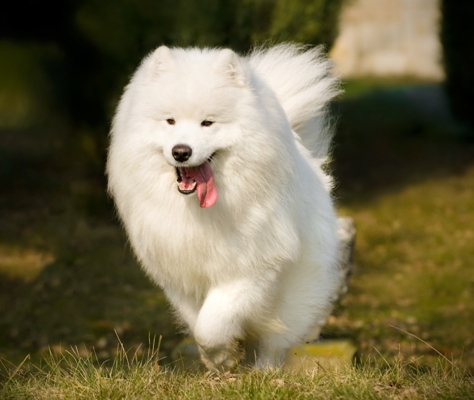
Samoyed personality and temperament
Samoyeds are known for their friendly disposition and playfulness, which they maintain even in their old age. Happy-go-lucky, mischievous and very sociable in nature, they demand love and attention and are very rarely aggressive. They thrive on human companionship and enjoy being with their people and participating in family activities.
These are very independent dogs who like to go their own way at times, investigating the environment without caring too much where their owners are. Once this breed sets their mind on something, there is no stopping them.
Samoyeds make good watchdogs and they will alert you of danger through barking or a wolf-like howling sound. An excited Samoyed will often bark with a high pitched and rhythmic bark during play, giving them a reputation as the loudest of the arctic breeds.
As an ancient working breed, they have a natural desire to be active and to work. If left alone for too long with nothing to do, your Samoyed will become destructive, for example, they may start digging up the garden or develop an unwanted barking habit.
Samoyeds with kids and other pets
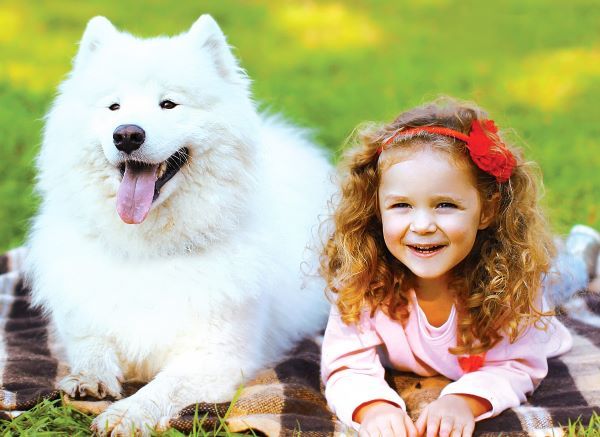
From their earliest days, Samoyeds developed as close and trustworthy family companions and playmates and protectors of children. While children can bring out the Samoyed’s excitable and playful side, with training, a calm Samoyed can be an excellent friend for a child.
Samoyeds are usually friendly to all other dogs, including smaller breeds, preferring to have a friend with a similar energy level to bounce around and play with.
While they can live peacefully with other dogs and cats, they have a history as a herding and hunting dog, so owners should be watchful around other small animals.
Samoyed training and exercise
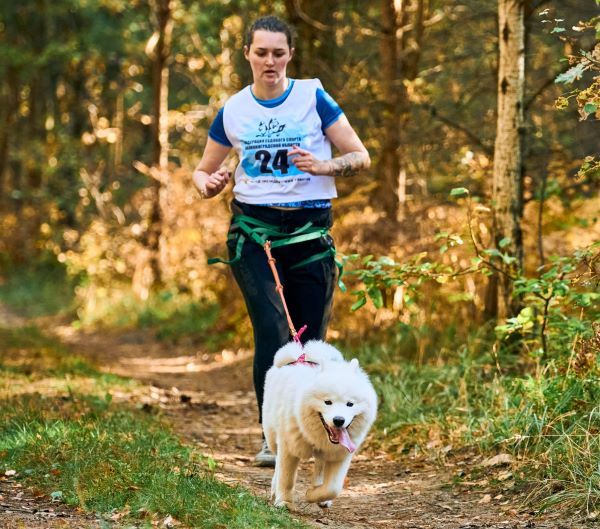
Samoyeds are not an easy breed to own – they have a desire to just keep on going, and daily walks will not be enough. These athletic dogs have plenty of energy, so owners need to make sure they have enough exercise. They make terrific hiking companions, and some enjoy swimming. They make an ideal partner for outdoor sports, and will even happily pull you along on a bike or wagon. They enjoy play sessions with their owner in a safely fenced yard. Most also love the snow, thanks to their arctic heritage.
The breed has a strong urge to run away and roam, so on-leash walking is advised. If loose, a Sammie might travel for miles, putting themself at risk. Like all arctic breeds they can become strong pullers on the lead if they are not trained to walk nicely.
The Samoyed is a very intelligent breed, but can be a bit stubborn and independent-minded, and need a firm but loving hand in training. Obedience training is essential but can be a challenge. Owners should be persistent and patient when training their Samoyed as the dog will become easily bored and distracted. They must make the work fun and commands should be given with enthusiasm.
| Energy level | High |
| Exercise requirements | High |
Common health issues for Samoyeds
What do Samoyed owners claim for the most?
- Glaucoma is a group of eye diseases that cause the optic nerve damage, causing black spots in the eye and causing vision to decrease over time. It is difficult to detect until its later stages, when the increased eye pressure leads to vision impairment and pain. It can be treated via surgery or with eye drops.
- Hip dysplasia is a common heritable condition in dogs, in which the thighbone does not fit correctly with the hip joint. It can cause pain, lameness and eventually arthritis; however some dogs do not show any symptoms.
- Samoyed hereditary ghlomerulopathy is an inherited kidney condition which can cause renal failure and death in male Samoyeds by the age of 15 months. Symptoms occur around 3 months old and include weight loss, proteinuria (an excess of protein in the urine) and hypoalbuminemia (abnormally low levels of albumin in the blood).
- Patellar luxation occurs when the knee joint frequently slides in and out of place, which causes (occasionally crippling) pain, but many dogs still lead normal lives with the condition.
- Hypothyroidism is they most common hormone imbalance in dogs, occuring when the thyroid gland is underactive and therefore producing too little thyroid hormone. Found most often in middle-aged to older dogs, the average age at diagnosis is 7-years. It usually affects mid- to large-size breeds.
- Diabetes is a metabolic disease that occurs when the body cannot regulate blood sugar levels. Affected dogs do not lose their appetite, but will often lose weight, urinate a lot and get thirsty often. It is treated with a special diet and insulin.
- Progressive retinal atrophy refers to a family of eye conditions which cause the retina’s gradual deterioration. Night vision is lost in the early stages of the disease, and day vision is lost as the disease progresses. Many dogs adapt to the loss of vision well, as long as their environment stays the same.
- Subvalvular aortic stenosis is a heart condition caused by a weak connection between the left ventricle and aorta, causing fainting and in some cases, death. It is detectable and treatable.
Not all conditions are covered by Pet Insurance. For details of Bow Wow Meow Pet Insurance cover, refer to the Product Disclosure Statement.
How to choose the right insurance for your Samoyed
When comparing cover for your Samoyed, look for:

Cover for common Samoyed conditions:
Check that the policy covers conditions Samoyeds can be prone to, including common health issues.

Cover for hereditary conditions:
No exclusions for hereditary or congenital conditions⑅.

Flexible cover options:
Options to adjust your annual benefit limit, reimbursement rate and excess.
Bow Wow Meow's Nose-to-Tail Cover offers flexible options for your Samoyed, with cover for accidental injuries, illnesses and hereditary conditions⑅. Get a quick quote for cover that suits your Samoyed and your budget.
Samoyed feeding and nutrition
As an active breed, for optimum health Samoyeds should be fed a high-quality protein-based food that free of preservatives, additives and artificial ingredients. An optimal diet will also help to maintain a healthy skin and keep the coat looking magnificent.
Monitor your Samoyed, and adjust the amount and type of food as required, depending on their age (puppy, adult, or senior), size and activity level, being careful not to overfeed. Keep in mind that meals were few and far between in their native land, and they survived without eating for many days. Fish are a staple diet in the Arctic and the fish oils would have contributed to a healthy coat.
Young Samoyeds are not as hearty eaters as other breeds of similar size and may need enticement with tasty meat juices or bacon grease added to their food. Check with your vet if you have any concerns about your Samoyed’s weight or diet.
Samoyed care and grooming
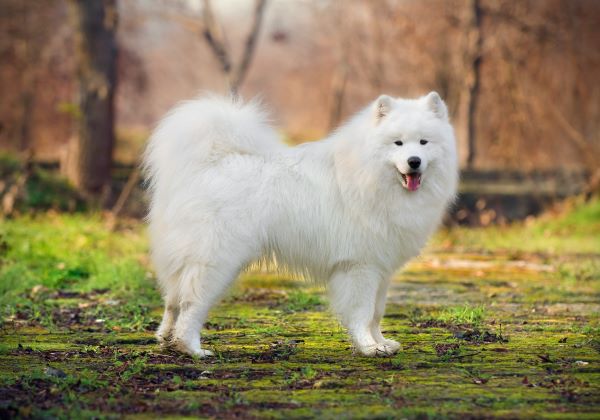
Daily grooming is a must for the Samoyed. Its thick long coat needs regular brushing to prevent the fur matting and to remove loose hairs, dirt or any objects that may become entangled in the fur. Brushing will also help to keep the coat white, as dried dirt will fall off the coat when brushed. It is important to not clip their fur as it acts as a form of protection against both heat and cold.
Samoyeds shed quite a bit all year round and even more so during shedding season, which can occur once or twice a year. Grooming their lovely coat is regarded by some as a pleasure, and others as a chore! A properly groomed Samoyed is stunning; with a magnificent coat displaying sparkling, silver tips.
Little bathing is required and there is none of the doggy odour often found amongst other dog breeds. Before bathing, the Samoyed must always be thoroughly groomed to remove any loose or dead hair. Bathing without combing first may make it very difficult to dry and groom the dog later.
Size, appearance and coat of Samoyeds
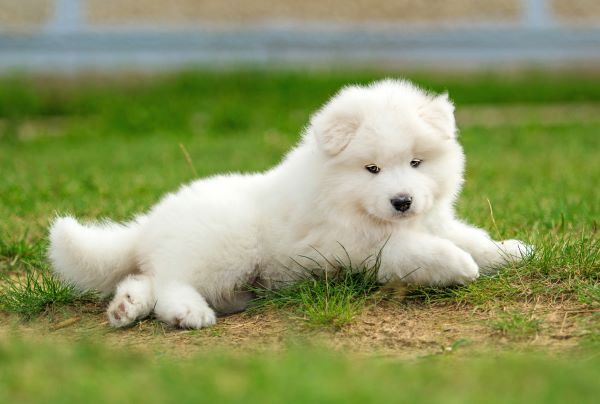
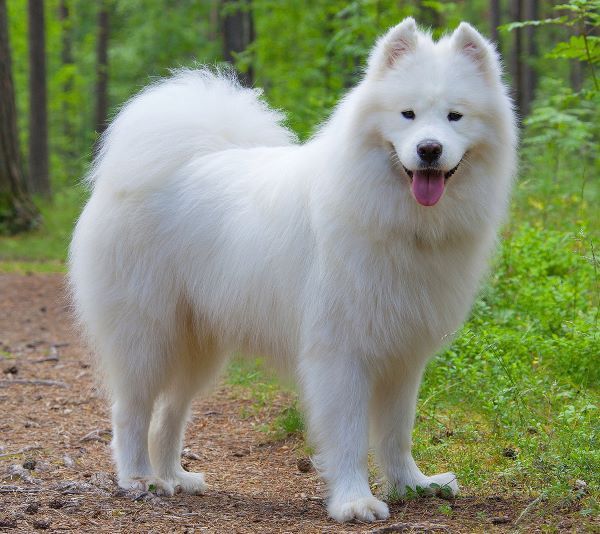
Strong, powerful and tireless, with a magnificent all-white coat and a perpetual smile, the Samoyed is both functional and beautiful. Samoyed puppies are the most adorable fluff-balls you will ever see!
A wolf-like breed, the Samoyed has not been significantly altered by human selective breeding, and are one of the 14 ancient dog breeds most genetically similar to the wolf.
Bred for hard work in the world’s coldest locations, their famous white coat is thick enough to protect them against brutal conditions, and they appear impervious to the cold. They have a profuse double coat, with a longer outer coat of harsh hair and a soft, thick, wooly undercoat.
| Weight range | 23 to 30 kg |
| Height range | Males 53–60 cm; Females 48–53 cm |
| Colours | White. cream or biscuit |
| Coat length | Long |
Breed history of Samoyeds
Bred for more than 5000 years, the Samoyed is one of the oldest dog breeds, and is named after the reindeer-herding Samoyede peoples of Siberia. Leading semi-nomadic lives, the Samoyede were reliant on their dogs for their working abilities – hunting and herding reindeer and hauling sleds – and companionship. They allowed the dogs to join in family activities at the end of the day and huddled up with them in their tents at night to help keep themselves warm. This early close companionship with their owners has led them to become the trusting and loyal dogs they are today.
It was not until 1889 that the Samoyed was brought out of Siberia and into England by Arctic explorers. England then became the centre of the breeding efforts which led to the modern Samoyed, with just 12 dogs being credited for the foundation of the breed today. Queen Alexandra was a fan of the breed and many modern English and American Samoyeds are descended from her breeding stock.
Scott, Shackleton, and Amundsen are a few of the early 20th century’s famous explorers who rode on sleds pulled by Samoyeds through the uncharted frozen wastelands of the Arctic and Antarctic. Subjected to extreme hardships, they suffered terribly and only a handful of dogs survived.
Explore related breeds
Samoyed facts!
- Samoyeds are known for their happy, smiling expression known as the “Samoyed smile”. The Samoyed smile has a practical function: the upturned corners of the mouth keep them from drooling, preventing icicles from forming on the face.
- A Samoyed named “Etah”, the lead dog in Roald Amundsen’s South Pole expedition, was the first to reach the pole.
- They cope very well, if not better, than many shorter coated breeds in the hot weather as their thick coat acts as insulation and the coat colour reflects the light.
- In Siberia, where the breed originated, the combings from the hair were knitted into human clothing. There are many people even now that use the Samoyed’s hair for spinning into ‘wool’ and knitting jumpers. It has also been used to create artificial flies in fly fishing.
Summary
The Samoyed is a medium-sized spitz dog with a thick, fluffy white coat and characteristic smiling expression. Friendly, affectionate, mischievous and independent, Samoyeds thrive on human company.
They are not a low-maintenance breed: their high energy means they need plenty of exercise, while their long, dense coat requires daily grooming. They suit owners prepared to invest significant time in both activity and coat care.
FAQs about the Samoyed
They are generally affectionate companions and can suit families, couples or singles when their individual exercise, training and grooming needs are met.
High. They need plenty of daily exercise, including walks, active play and mental stimulation, with opportunities for more vigorous activity where appropriate.
Generally yes. They are intelligent and usually respond well to positive, consistent training, particularly when sessions are engaging and rewarding.
They are generally low to moderate or moderate barkers, although barking can increase with boredom, excitement, anxiety or unfamiliar activity.
Yes. They can shed heavily, particularly at certain times of year, and regular brushing is important during seasonal coat changes.
They can adapt to apartment living in the right circumstances, but owners need to meet their daily exercise, enrichment and behavioural needs consistently.
Many can live happily with children and other pets when socialised from a young age, although individual temperament and compatibility always vary.
Potential health concerns include hip dysplasia, eye disease, diabetes and hereditary kidney disease.
MORE INFORMATION
New South Wales Samoyed Club Inc: http://www.nswsamoyedclub.com/
Samoyed Club of Victoria: https://www.samoyedclubvictoria.com/

Get 2 months free for your puppy!
Congrats on your new bundle of joy
To ensure your precious fur baby is covered from the start, we'd like to offer your first 2 months of our Nose-to-Tail Cover for free2!
Get a quick quote