Pet insurance coverage for cataracts in dogs and cats

Does Bow Wow Meow pet insurance cover cataracts in dogs and cats?
Yes, Bow Wow Meow’s Nose-to-Tail Cover covers cataracts if the condition is not pre-existing and the waiting period has passed⑅.
Summary
Cataracts in dogs and cats are a serious eye condition causing cloudiness of the lens, reducing vision to the point of blindness. The only effective treatment for advanced cataracts is surgical removal.vCataracts can be costly to treat, with average claim costs reported by Petsure at $1,805Ø for cataract management and $7,079Ø for cases that require surgery.
This article explains how cataracts affect Australian pets, what treatment can cost, and what to look for when researching pet insurance that covers cataracts, including Bow Wow Meow’s Nose-to-Tail Cover.
Understanding cataracts in pets
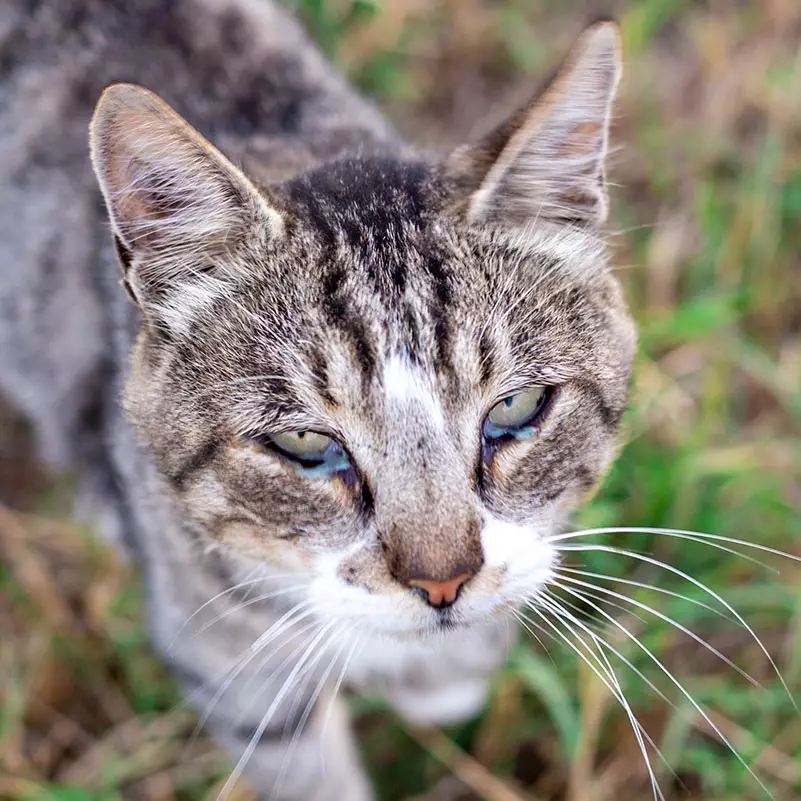
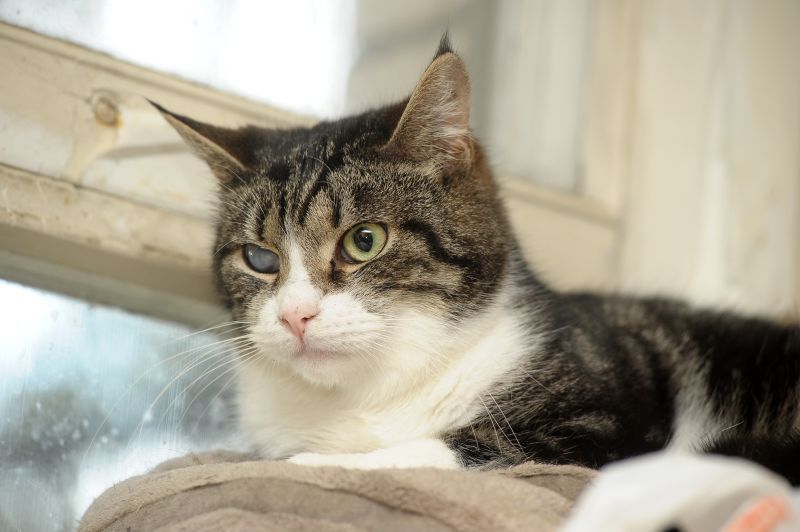
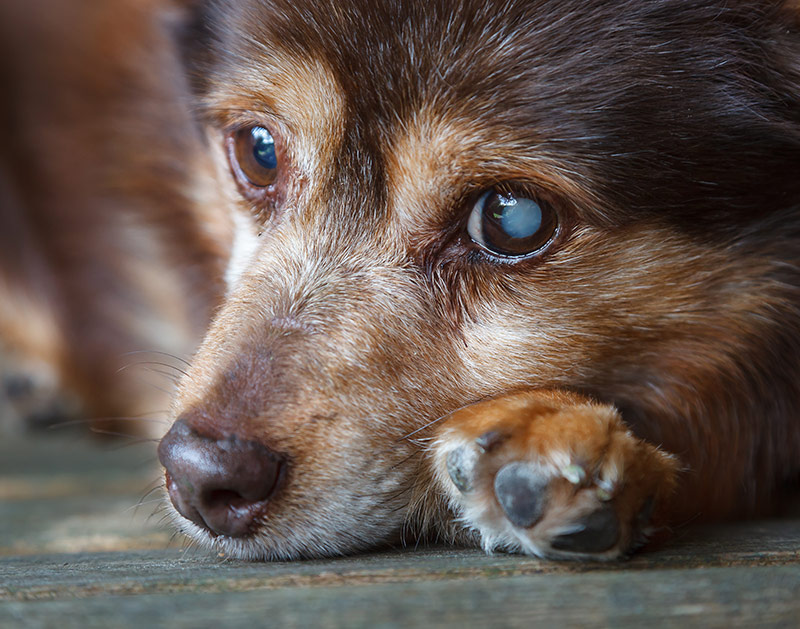
The diagnosis of cataracts in a beloved dog or cat is worrying and stressful for pet parents. Cataracts are one of the most common causes of blindness in dogs and very common in dogs with diabetes. In cats, cataracts are considered uncommon to rare compared with dogs. When they do occur in cats, they are often secondary to other eye disease such as uveitis.
Expert advice from Dr Felicia:
In practice, sudden or progressive blindness in pets caused by cataracts is often accompanied by behaviour changes, making it a highly stressful time for pet owners. Financially, cataract surgery is a large commitment and insurance can be a big help for taking referrals to ophthalmologists for evaluation and discussions about surgery.
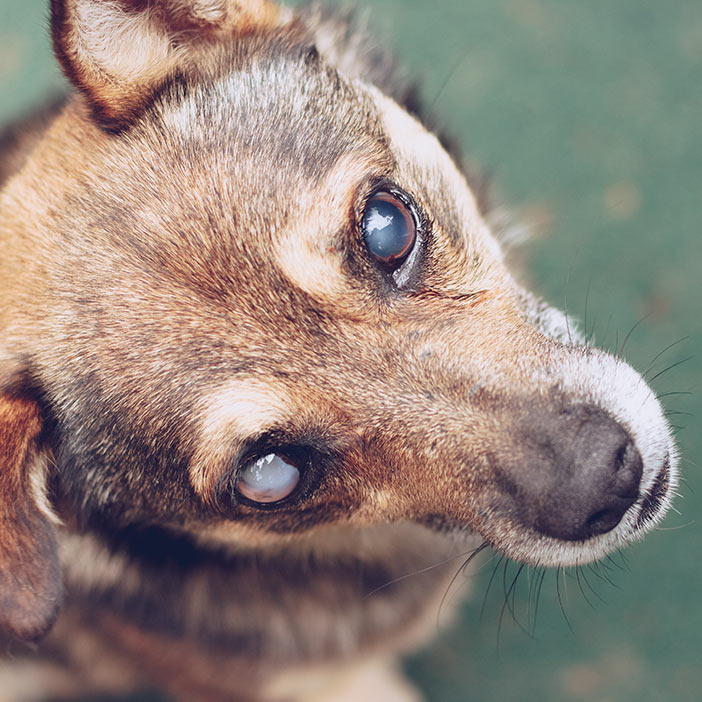
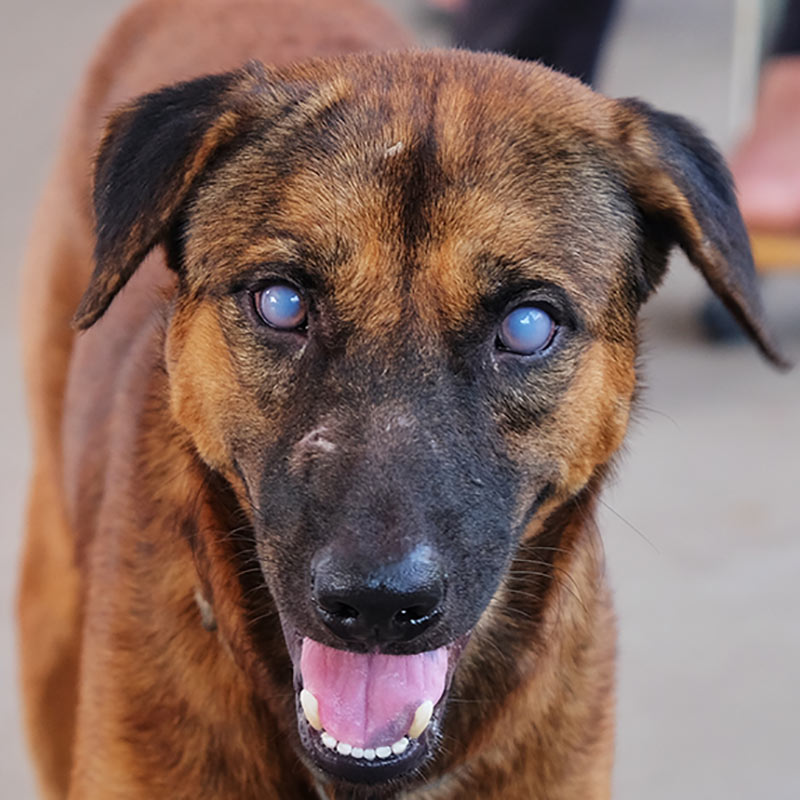
Cataracts occur when the normally clear lens inside the eye becomes cloudy or opaque, which blocks light from reaching the retina properly and reduces vision. Depending on how much of the lens is affected, vision loss can range from mild impairment to complete blindness. Cataracts may develop gradually over months or years, or more quickly in some cases.
Differences between dogs and cats
There are some important differences between cataracts in dogs and cats. In dogs, cataracts are relatively common and are often inherited, although they can also develop secondary to diabetes, inflammation, trauma and other diseases. In cats, cataracts are much less common, and when they do occur they are more often linked to anterior uveitis (inflammation inside the eye) rather than developing on their own. Diabetes is also a major difference between the species: cataracts develop frequently in diabetic dogs, but cats with diabetes rarely develop cataracts.
Common causes
In dogs, genetics is the most common cause of cataract formation, meaning the cataracts are inherited and can either be present at birth (congenital) or can develop later in life. The second most common cause of cataracts in dogs is diabetes mellitus. Diabetic cataracts tend to develop very quickly and 80% of dogs with diabetes will develop complete cataracts within one year of developing diabetes. Other causes of cataract formation include trauma, intraocular inflammation (uveitis), and nutrition. In cats, cataracts are typically not genetic but form secondary to trauma or uveitis.
Breeds with a higher risk of cataracts
Some dog breeds have a higher risk because inherited cataracts are well recognised in dogs. MSD Veterinary Manual lists breeds including the American Cocker Spaniel, Australian Shepherd, Bichon Frise, Boston Terrier, Golden Retriever, Labrador Retriever, Miniature Schnauzer, Siberian Husky, Staffordshire Bull Terrier, Standard Poodle and West Highland White Terrier among those with inherited cataracts reported.
The treatment of hereditary or congenital cataracts is especially important because some breeds are more predisposed to them. Bow Wow Meow’s Nose-to-Tail Cover does not consider hereditary and congenital conditions as pre-existing conditions if your pet has not shown noticeable signs, symptoms or an abnormality before the policy starts or during any applicable waiting period. This means that if your dog is one of the breeds with a higher risk of cataracts, they can still be covered for cataract treatment; what matters is whether the cataracts had already shown up, or should reasonably have been noticed, before cover commences.
Why treatment of cataracts is important
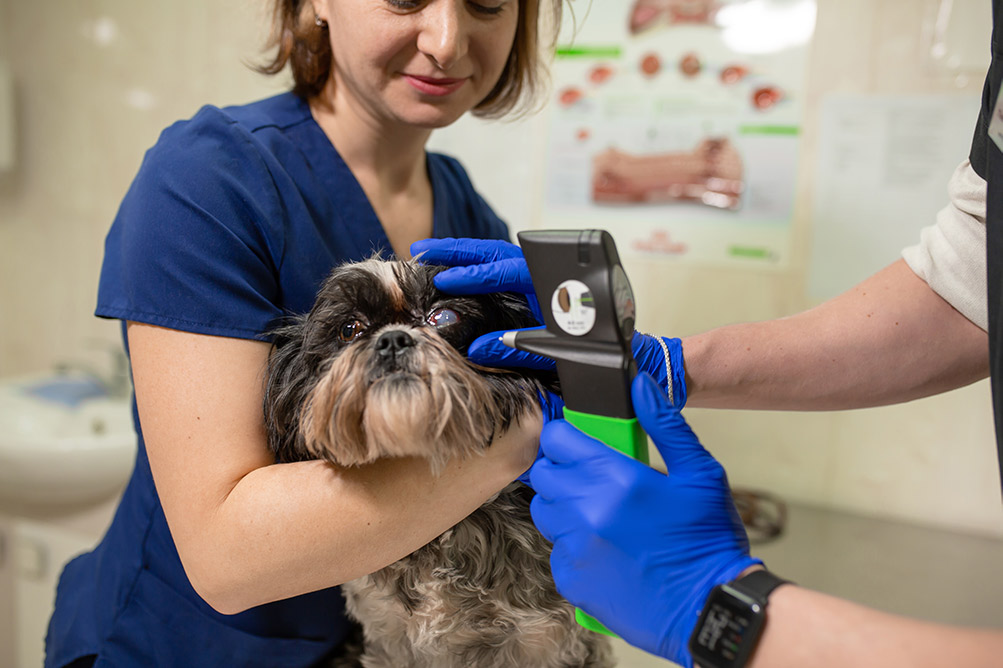
Cataract surgery in pets is very similar to cataract surgery in people and is the only way to restore vision following cataract formation. Most pets experience improved vision immediately and vision typically continues to improve over the week following surgery. After removal of the cataracts, your pet will not develop cataracts again.
If left untreated, cataracts can continue to progress through stages ranging from incipient to immature, mature and hypermature. As they worsen, they can cause increasing vision loss and, in some pets, blindness. Advanced cataracts may also trigger painful secondary problems such as lens-induced inflammation or glaucoma. Glaucoma is a painful and blinding disease that often leads to eye removal, which is why veterinary assessment is essential, rather than assuming cloudy eyes are simply a normal part of ageing.
How much does cataract surgery for pets cost?
The cost of dog cataract surgery can vary widely depending on the individual case, but owners should be prepared for bills in the thousands of dollars. For example, SASH Vets lists a fixed package price of $7,870 for one cataract and $9,870 for two cataracts, with an additional $500 for diabetic patients, and Eye Clinic for Animals lists $7,500 for unilateral cataract surgery and $9,500 for bilateral surgery.
According to PetSure Claims data for 2022, the average claimed cost of cataract management was $1,805Ø while the average claimed amount for cases that required surgery was $7,079Ø. Pets that require cataract surgery are more likely to be over the age of 8 years old.
ØBased on PetSure claims data, 2022 calendar year. Reimbursement for these claims under a pet insurance policy would be subject to limits, such as annual benefit limits or sub-limits, benefit percentage, applicable waiting periods and any applicable excess. Cover is subject to the policy terms and conditions. You should consider the relevant Product Disclosure Statement or policy wording available from the relevant provider. Please note that values calculated are based on all claims for that condition and medically related conditions in each calendar year.
Because it is difficult to predict the costs of veterinary care, it can help to have measures in place to help prepare for the unexpected. Pet insurance can help by covering a portion of the eligible vet bill if the unexpected does happen.
Get a quick quote
Why is the cost of cataract treatment so high?
Several factors can affect the cost of cataract treatment for dogs. One of the biggest is whether surgery is needed in one eye or both eyes. Costs can also rise depending on the severity of the cataracts, whether the pet has complicating conditions such as diabetes, the fees charged by the specialist ophthalmologist, and how much is needed for diagnostics, anaesthesia, medications and post-operative monitoring.
The cost of a cataract operation for dogs is higher than a standard GP veterinary procedure because it involves referral to a veterinary ophthalmologist, specialised equipment, anaesthesia, pre-operative testing and follow-up care.
Does pet insurance cover cataract surgery?
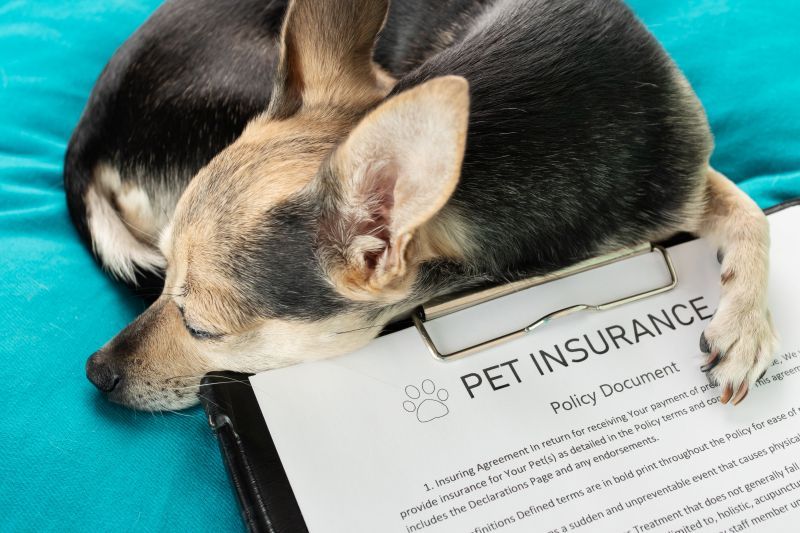
In many cases, pet insurance does cover cataract surgery, but it is not automatically covered in every case.
In Australia, cataracts are generally treated as an illness under pet insurance policies. That means cataracts are typically covered under Comprehensive policies that include illness cover.
If cataracts first develop after cover starts and after the waiting period has passed, eligible vet expenses for diagnosis and treatment, including surgery, may be claimable subject to the policy terms, annual benefit limit, benefit percentage and any excess.
On the other hand, if your pet had cloudy eyes, reduced vision, lens changes or related symptoms before you took out cover, cataract surgery may be excluded. That is why taking out cover early, before any eye changes are noticed, can be so important.

How Bow Wow Meow approaches cataract treatment
With Bow Wow Meow’s Nose-to-Tail Cover, cataract surgery is not treated as a special separate category. Like other illnesses, cataract surgery is generally covered as long as it is not pre-existing and the policy’s terms are met, including waiting periods and exclusions.
This means that potentially you can claim up to $30,000 for cataract related vet bills, if you have taken out Nose-to-Tail Cover with a $30,000 annual limit⑅. Bear in mind that Nose-to-Tail Cover is subject to waiting periods, pre-existing condition rules and other terms and exclusions set out in the current PDS.
Evaluating pet insurance that covers cataract surgery
Once you’ve narrowed down a few options, it’s time to look closely at the structure of the cover. Be sure to thoroughly research the following important considerations:
Annual limits and sub-limits
Because benefits are usually capped by a policy’s annual benefit limit and any relevant sub-limits, look for a policy with:
-
A high annual benefit limit (e.g. $20,000 or $30,000 rather than a very low cap)
-
No sub-limits on cataracts or other common conditions
Bow Wow Meow’s Nose-to-Tail Cover has no sub-limits and up to $30,000 annual limit, giving you flexibility to use the full annual limit on cataract management and treatment, if required, in a given year⑅.
Get a quick quote
Ongoing cover
Most modern policies are designed to cover ongoing conditions year after year, provided you keep your policy continuous (i.e. you continue paying your premiums).
Excess and waiting periods
Check:
- How often the excess applies – some excess are applied per condition and others only once per policy period (including our Nose-to-Tail Cover)
- The illness waiting period and whether any longer waiting periods apply to specific conditions
These details can affect how your pet insurance cataracts claim plays out if your pet is diagnosed soon after you take out the policy.
Pre-existing conditions
Like other illnesses, cataract treatment is unlikely to be covered if there were signs of the condition present before the policy started, or during the waiting period.
A sensible strategy is to take out pet insurance while your pet is young and still healthy, well before any cataract issues are detected.
Prevention and early detection
You can’t prevent cataracts, but you can reduce risk where possible and, importantly, pick it up early, to allow for evaluation of other structures within the eye before the lens becomes completely opaque.
Early signs to watch for:
- Cloudy eyes
- Vision changes
- Bumping into objects or tripping over
- Fearful/anxious changes in behaviour due to poor vision
In summary
Cataracts are a common and potentially serious eye condition in pets, particularly in dogs, and they can have a major impact on vision, comfort and quality of life. In some cases, they may progress slowly, but they can also lead to significant vision loss, painful complications and the need for specialist treatment. As this article has shown, the cost of managing cataracts, especially when surgery is recommended, can quickly add up to thousands of dollars.
Pet insurance can play an important role in reducing the financial stress of unexpected veterinary bills. Taking out cover early, before any signs of eye disease appear, and understanding key policy terms such as waiting periods, pre-existing conditions and benefit limits, can make a real difference to whether cataract treatment may be covered. If you have any concerns about your pet’s eyes or vision, speak with your vet as early as possible, and review your pet insurance options before problems arise so you can make informed decisions with more confidence.
Bow Wow Meow Pet Insurance can help protect you and your pet should an unexpected trip to your vet occur.
- Find out more about our dog insurance options
- Find out more about our cat insurance options
- Get an instant online pet insurance quote
Bow Wow Meow is proud to have been awarded winner of Canstar’s ‘Most Satisfied Customers’ Award in the Pet Insurance category for both 2024 and 2025!
Bow Wow Meow is proud to be the only Pet Insurer that has been awarded Product Review’s Top Rated Pet Insurance every year from 2018 to 2026! This is based on 3,193 independent customer reviews (as at 09/04/2026), with an overall rating of 4.5 stars.

We also have the following ratings on other review platforms:
Google Review rating of 4.5 stars (based on 1,358 reviews)
Trust Pilot rating of 4.6 stars (based on 555 reviews)
Bow Wow Meow has been chosen as Winner of 4 categories in the 2026 Finder Pet Insurance Customer Satisfaction Awards!
– Most Trusted Pet Insurance
– Easiest to Claim Pet Insurance
– Most Recommended Pet Insurance
– Legendary Service Pet Insurance
We also received Highly Commended Awards for Loved Brand Pet Insurance and Best Value Pet Insurance.
Bow Wow Meow is an Australian-owned and operated pet insurance provider. Our focus is purely on pets, and we are proud to have helped provide peace of mind to over 200,000 Aussie pet owners since 2008.
Sources:
“What are Cataracts?”, Veterinary Eye Institute, https://www.veterinaryeyeinstitute.com/cataracts/. Accessed 12 Mar 2026
“Cataracts”, ACVO, https://www.acvo.org/common-conditions-1/2018/3/1/cataracts. Accessed 12 Mar 2026
“Inherited Cataracts in Dogs”, MSD Manual, https://www.msdvetmanual.com/multimedia/table/inherited-cataracts-in-dogs. Accessed 12 Mar 2026
Kaukonen, Maria KarlaSaija JHannes. “Hereditary cataract in Bichon Frisé dogs: Genome-wide association study suggests a new preliminary locus finding”, ARVO journal, https://iovs.arvojournals.org/article.aspx?articleid=2272120. Accessed 12 Mar 2026
“Cataracts”, Eye Clinic for Animals, https://eyeclinicforanimals.com.au/services/cataracts/. Accessed 12 Mar 2026
“Fixed Price Cataract Surgery at SASH Vets”, SASH, https://sashvets.com/fixed-price-cataract-surgery/. Accessed 12 Mar 2026
Lim, Christine C; Bakker, Shannan C; Waldner, Cheryl L; Sandmeyer, Lynne S; Grahn, Bruce H. “Cataracts in 44 dogs (77 eyes): A comparison of outcomes for no treatment, topical medical management, or phacoemulsification with intraocular lens implantation”, PMC, https://pmc.ncbi.nlm.nih.gov/articles/PMC3039899/
“Australian Pet Health Monitor 2023”, Petsure, https://petsure.com.au/wp-content/uploads/2023/04/PetHealth-Monitor-2023-ONLINE-spreads-1.pdf Accessed 12 Mar 2026