Pet insurance that covers luxating patella

Does Bow Wow Meow pet insurance cover luxating patella in dogs and cats?
Yes, Bow Wow Meow’s Nose-to-Tail Cover covers luxating patella if the condition is not pre-existing and the waiting period has passed⑅.
Summary
Luxating patella is a common joint condition in pets, especially dogs, where the kneecap slips out of its normal position. It can interfere with comfortable movement, cause pain and limping, and in more serious cases lead to ongoing joint damage and reduced quality of life. For moderate to severe cases, surgery is often medically necessary rather than optional, and treatment costs can quickly add up.
This article explains how luxating patella affects pets, how much treatment may cost, and what to look for when researching pet insurance that covers luxating patella, including Bow Wow Meow’s Nose-to-Tail Cover.
Understanding patella luxation in pets
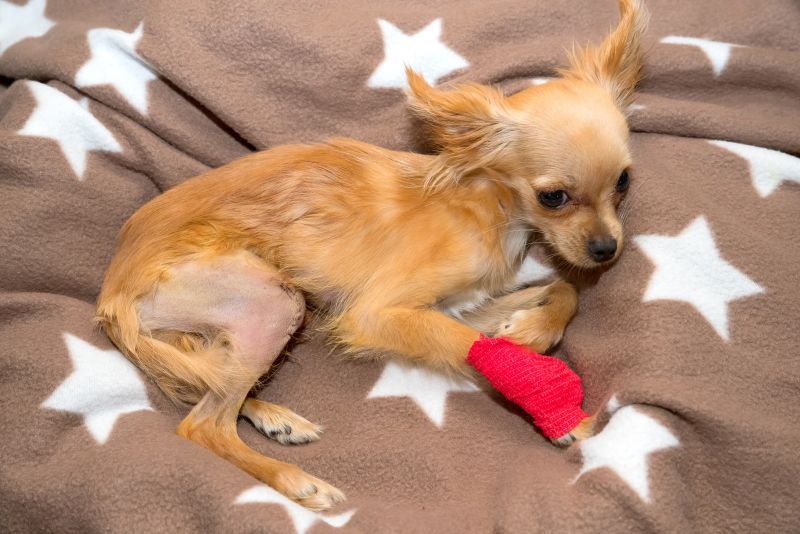
A luxating patella occurs when a pet’s kneecap (patella) slips out of its normal position in the groove of the thigh bone (femur). It’s usually seen in small dog breeds, though it can also affect larger dogs and even cats.
The condition can range from mild (occasional slipping with little discomfort) to severe (frequent dislocation causing pain, limping, and long-term joint damage). Over time, untreated cases may lead to arthritis or mobility issues, which can affect walking, running and jumping.
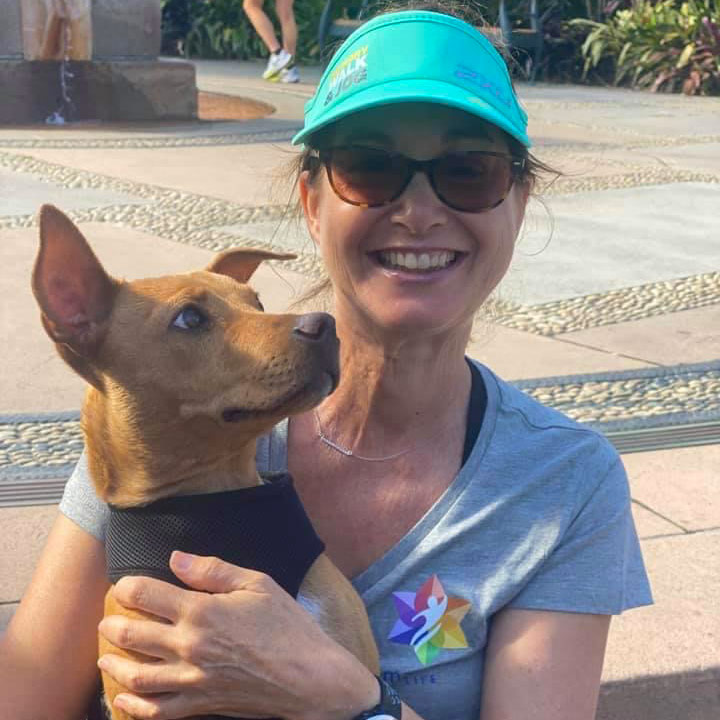
Expert advice from Dr Felicia:
Patella luxation is easily identified on physical examination by gentle manipulation of the kneecap. Patella luxations are given a grade between 1-4, with higher grades more likely to need surgery. Patella luxations are often detected in young pups, so it can be well worth organising insurance prior to your first vet check to ensure this condition is covered, rather than pre-existing.
A diagnosis of luxating patella can be stressful for pet owners, especially when a pet starts limping, skipping or struggling to move comfortably. Patellar luxation is one of the most common orthopaedic problems in dogs and is usually diagnosed more often in small breeds, although larger dogs and cats can also be affected.
Differences between dogs and cats
There are some important differences between luxating patella in dogs and cats. In dogs, it is a common orthopaedic disorder, especially in toy and small breeds, and most cases are considered developmental rather than purely traumatic. In cats, the condition is seen less often but has been reported in breeds including Devon Rex and Abyssinian, and may also occur following trauma or developmental abnormalities.
Common causes
Patella luxation is usually linked to genetics, anatomy and developmental abnormalities rather than a single injury. It is associated with malalignment of the quadriceps mechanism and related skeletal changes that affect how the kneecap sits and moves. Trauma can also cause or worsen patellar luxation in some pets.

Breeds with a higher risk of luxating patella
Some pets have a much higher risk than others. A VetCompass study found increased odds of patellar luxation in several dog breeds, including Pomeranians at 6.5 times the odds of crossbred dogs, Chihuahuas at 5.9 times, and Yorkshire Terriers at 5.5 times. Other commonly affected breeds include Poodles, French Bulldogs, Lhasa Apsos and Cavalier King Charles Spaniels. In cats, Devon Rex and Abyssinian are among the breeds reported more often.
Because patella luxation often has a hereditary or developmental component, this can be especially important when researching pet insurance. Nose-to-Tail Cover does not consider hereditary and congenital conditions as pre-existing conditions if your pet has not shown noticeable signs, symptoms or an abnormality before the policy starts or during any applicable waiting period. This means that if your dog or cat is one of the breeds with a higher risk of luxating patella, they can still be covered for treatment; what matters is whether the condition had already shown up, or should reasonably have been noticed, before cover commenced.
Why treatment of luxating patella is important
Luxating patella can worsen over time if left untreated. As the kneecap becomes unstable more often, it can rub abnormally on the joint surfaces, contributing to cartilage wear and arthritis. Ongoing instability can also predispose dogs to other knee problems, including cranial cruciate ligament rupture. Early diagnosis and treatment can help manage pain and may reduce the risk of secondary joint damage.
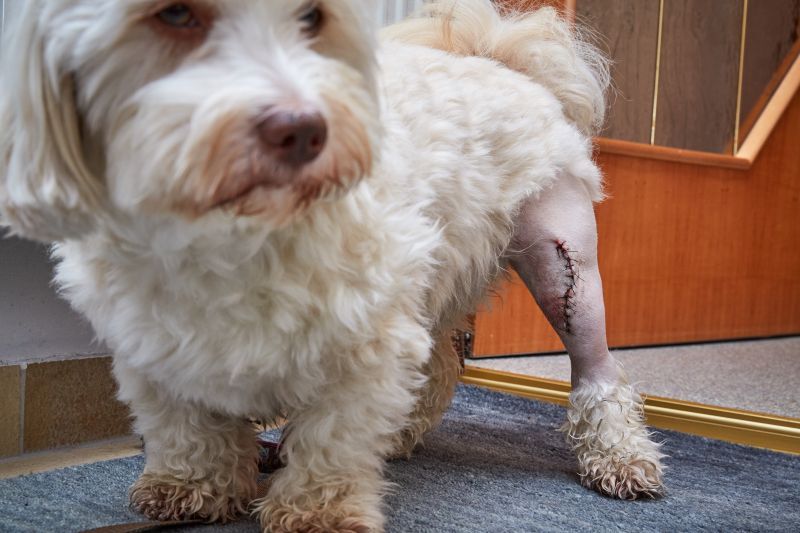
Treatment of luxating patella depends on the severity. Mild cases are often managed with weight control, physiotherapy, joint supplements, and monitoring. In moderate to severe cases, surgery is often recommended to realign the kneecap and stabilise the joint.
How much does luxating patella surgery cost?
- Diagnostics (consults, X-rays): $300–$800
- Surgery: $3.000–$6,000+ per knee
- Post-op care and rehab: $300–$1,000
Costs can increase if both knees are affected or complications arise.
The cost of luxating patella surgery can vary considerably depending on the individual case, but pet owners should be prepared for costs in the thousands. Australian pricing examples indicate that patella surgery may range from around $3,000 at some clinics to roughly $3,500 to $6,000 more broadly in Melbourne, while SASH Vets lists a fixed package price of $5,990 for one knee and $8,000 for two knees.
Because it is difficult to predict the costs of veterinary care, it can help to have measures in place to help prepare for the unexpected. Pet insurance can help by covering a portion of the eligible vet bill if the unexpected does happen.
Get a quick quote
Why is the cost of luxating patella treatment so high?
Several factors influence the cost of luxating patella treatment. One of the biggest is whether one or both knees are affected to a point where surgery is warranted, and whether the pet has other comorbidities affecting the knee such as a cranial cruciate ligament rupture concurrently. Costs may also increase depending on the specialist orthopaedic assessment, imaging, anaesthesia, hospitalisation, medications and aftercare involved.
The cost of surgery is generally higher than a routine GP veterinary procedure because it often involves orthopaedic examination, radiographs and sometimes advanced imaging, specialist surgical expertise, anaesthesia, and rehabilitation or follow-up visits during recovery.
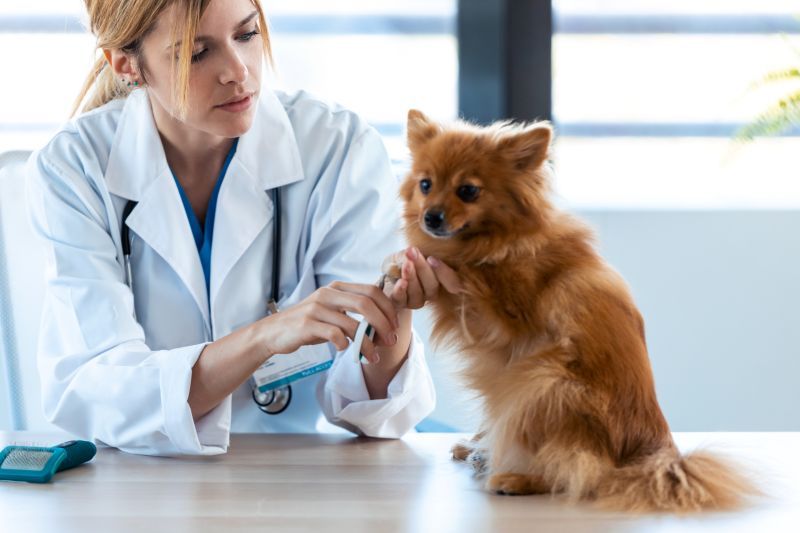
Does pet insurance cover luxating patella treatment?
In many cases, pet insurance does cover luxating patella treatment, but it is not automatically covered in every case. Most comprehensive pet insurance policies can cover luxating patella if the condition is not pre-existing and occurs after your policy starts.
If luxating patella first develops after cover starts and after the waiting period has passed, eligible vet expenses may include diagnosis, surgery, hospitalisation, medications and recovery care, subject to the policy terms, benefit percentage, annual benefit limit and any applicable excess.
On the other hand, if a pet had limping, skipping gait, knee instability or related symptoms before cover began, treatment may be excluded. That is why taking out cover early, before any limping, skipping or knee instability is noticed, can be so important.
How Bow Wow Meow approaches luxating patella treatment
With Bow Wow Meow’s Nose-to-Tail Cover, patella luxation is not treated as a special separate category. Like other musculoskeletal conditions, luxating patella surgery is generally covered as long as it is not pre-existing and the policy’s terms are met, including waiting periods and exclusions.
This means you may be able to claim up to $30,000 for luxating patella-related vet bills, if you have taken out Nose-to-Tail Cover with a $30,000 annual limit⑅. Bear in mind that Nose-to-Tail Cover is subject to waiting periods, pre-existing condition rules and other terms and exclusions set out in the current PDS.

Prevention and early detection
You cannot necessarily prevent luxating patella, but early detection can make a meaningful difference to treatment options, comfort and sometimes overall costs. Keep an eye out for early signs such as:
- Skipping or hopping on one leg
- Sudden lameness that resolves quickly
- Difficulty standing or jumping
- Reluctance to exercise
- Visible discomfort or stiffness
You can reduce risk and manage the condition by:
- Maintaining a healthy weight
- Providing regular, low-impact exercise
- Avoiding excessive jumping or strain
- Using joint-support supplements (if recommended by your vet)
- Scheduling regular vet check-ups
Early intervention may help slow progression of the joint changes associated with luxating patella and reduce the risk of longer-term complications such as arthritis and secondary ligament problems.
In summary
Luxating patella is a common and potentially costly joint condition in pets, especially dogs, and it can have a major effect on mobility, comfort and long-term quality of life. In mild cases it may be managed conservatively, but in moderate to severe cases surgery is often medically necessary to improve function and reduce ongoing joint damage. As this article has shown, diagnostics, specialist surgery and aftercare can quickly lead to veterinary bills in the thousands.
Pet insurance can play an important role in reducing the financial stress of unexpected orthopaedic treatment. Taking out cover early, before any signs of luxating patella appear, and understanding key policy terms such as waiting periods, pre-existing conditions, annual limits, reimbursement percentages and excess, can make a real difference to whether treatment may be covered.
If you have concerns about your pet’s movement or knee health, speak with your vet as early as possible and review your pet insurance options before problems arise so you can make informed decisions with more confidence.
Bow Wow Meow Pet Insurance can help protect you and your pet should an unexpected trip to your vet occur.
- Find out more about our dog insurance options
- Find out more about our cat insurance options
- Get an instant online pet insurance quote
Bow Wow Meow is proud to have been awarded winner of Canstar’s ‘Most Satisfied Customers’ Award in the Pet Insurance category for both 2024 and 2025!
Bow Wow Meow is proud to be the only Pet Insurer that has been awarded Product Review’s Top Rated Pet Insurance every year from 2018 to 2026! This is based on 3,193 independent customer reviews (as at 09/04/2026), with an overall rating of 4.5 stars.

We also have the following ratings on other review platforms:
Google Review rating of 4.5 stars (based on 1,358 reviews)
Trust Pilot rating of 4.6 stars (based on 555 reviews)
Bow Wow Meow has been chosen as Winner of 4 categories in the 2026 Finder Pet Insurance Customer Satisfaction Awards!



– Most Trusted Pet Insurance
– Easiest to Claim Pet Insurance
– Most Recommended Pet Insurance
– Legendary Service Pet Insurance
We also received Highly Commended Awards for Loved Brand Pet Insurance and Best Value Pet Insurance.
Bow Wow Meow is an Australian-owned and operated pet insurance provider. Our focus is purely on pets, and we are proud to have helped provide peace of mind to over 200,000 Aussie pet owners since 2008.
Sources:
“What Is Patellar Luxation?”, Cornell University College of Veterinary Medicine, https://www.vet.cornell.edu/departments-centers-and-institutes/riney-canine-health-center/canine-health-information/patellar-luxation. Accessed 21 Apr 2026
“Canine Patellar Luxation: Diagnosis and Treatment Options for General Practitioners”, Today’s Veterinary Practice, https://todaysveterinarypractice.com/orthopedics/canine-patellar-luxation-diagnosis-and-treatment-options-for-general-practitioners/. Accessed 21 Apr 2026
“The Epidemiology of Patellar Luxation in Dogs Attending Primary-Care Veterinary Practices in England”, VetCompass / Journal of Animal Practice, https://pubmed.ncbi.nlm.nih.gov/27280025/. Accessed 21 Apr 2026
“Patellar Luxation”, National Institutes of Health / PMC, https://pmc.ncbi.nlm.nih.gov/articles/PMC6055913/. Accessed 21 Apr 2026
“Patellar Luxation in Cats”, National Institutes of Health / PMC, https://pmc.ncbi.nlm.nih.gov/articles/PMC1524842/. Accessed 21 Apr 2026
“NSW Fixed priced packages create peace of mind for your dog or cat”, SASH, https://sashvets.com/fixed-price-cataract-surgery/. Accessed 21 Apr 2026
“Luxating patella in dogs”, Bow Wow Meow Pet Insurance, https://bowwowinsurance.com.au/pet-care/diseases-conditions/luxating-patella/. Accessed 21 April 2026