The most dangerous things cats ingest

Summary
Many everyday items are dangerous to cats, including lilies, paracetamol, string, cleaning and pest control products. Symptoms vary from drooling and vomiting to seizures or collapse. If exposure occurs, seek veterinary help immediately and bring the product or plant name. Prevent problems by cat proofing, safe storage and avoiding toxic plants in bouquets and gardens.
Cats are curious creatures!
We are all familiar with the old saying, curiosity killed the cat. It may seem a bit extreme, but it is true that cats like to investigate anything new and unfamiliar, and while this behaviour may be cute and endearing, it can land them in serious trouble if the ‘thing’ they choose to investigate is potentially toxic or dangerous.
Unfortunately, our feline companions are unable to effectively metabolise some substances. Their red blood cells are also very sensitive to oxidative stress. As a result of this, cats are more likely to sustain damage to their red blood cells and haemoglobin following exposure to certain poisons.
Many a cat has nibbled at a poisonous plant or a piece of chocolate or chewed on some string or ribbon, resulting in a stressful visit to the vet and in some cases, intensive and costly treatment. Accidents such as these can happen at any time. Pet insurance can provide peace of mind by helping to protect you and your cat should an unexpected trip to the vet occur.
Expert advice from Dr Felicia:
When dogs consume a toxin, it is possible to induce vomiting right away to ‘decontaminate’ and reduce the amount in their body. Unfortunately inducing vomiting in cats is unreliable which makes it much harder to remove the toxin once it is ingested.
Common household hazards for cats
Lilies
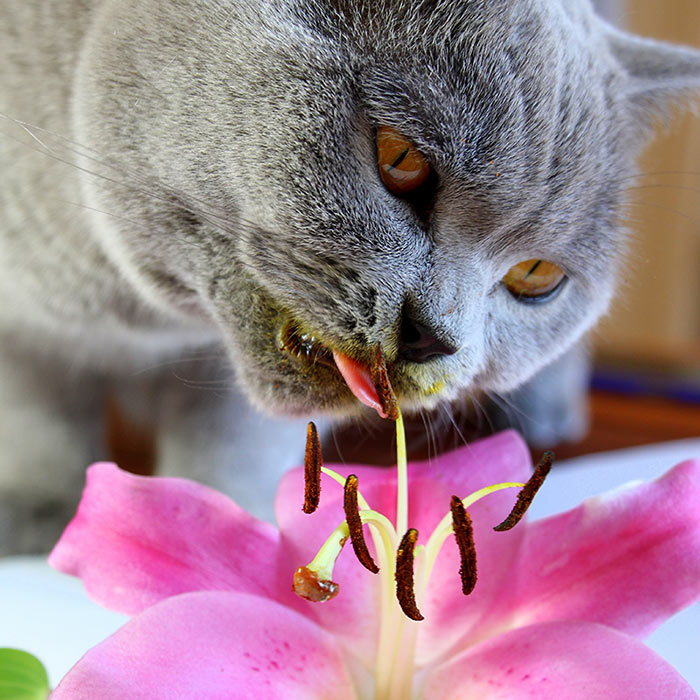
According to PetSure claims data for 2023, the number one toxin ingested by cats was lilies. All lilies within the Lilium and Hemerocallis plant species, including true lilies, daylilies and hybrids, are highly toxic to cats.
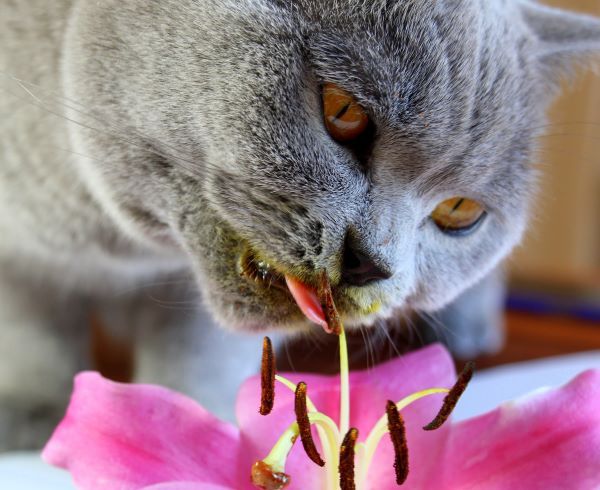
According to the Animal Poisons Helpline, any exposure, and even brushing up against them can result in life-threatening kidney failure in cats.
Common symptoms of lily ingestion range from a sudden disinterest in food, vomiting, lethargy or drooling, to excessive drinking or urination, crying, and generalised weakness. Seizures may also occur because of kidney injury or failure.
Immediate treatment is critical upon the suspicion of lily exposure as it typically involves hospitalisation, as well as efforts to stop toxin absorption to prevent kidney injury and/or seizuring. If kidney damage is apparent, treatment may include managing symptoms through intravenous fluids and appropriate medications.
The average treatment for the ingestion of lilies in 2023 was $1,845Ø with the highest claim being $22,423Ø.
String and ribbon
Craft items such as string or ribbon were also identified as a common foreign body ingested by cats. Cats are often attracted to string-like objects so it’s critical to keep these items out of their reach to prevent mishaps from occurring.
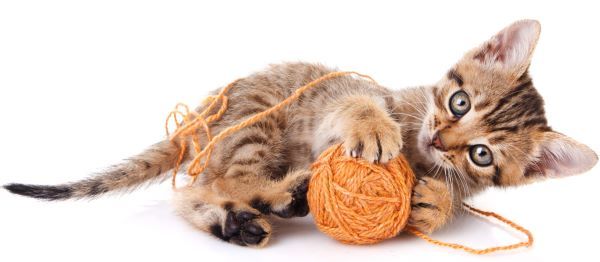
Ingestion of these materials can pose serious dangers to cats as they can become entangled in their intestines, leading to blockages or even perforations, which can be life-threatening.
The average treatment cost for ingestion of craft objects in 2023 was $4,704Ø with the highest claim being $11,906Ø.
Chocolate
Cats are naturally attracted to the smell and texture of chocolate, but it contains theobromine and caffeine, collectively known as methylxanthines, which are responsible for chocolate’s toxic effects on animals.
Please do not feed any chocolate, or any foods containing chocolate, to your pets. Unlike humans, many pets do not have the ability to effectively metabolise theobromine meaning that it remains in their body, sometimes reaching toxic levels.
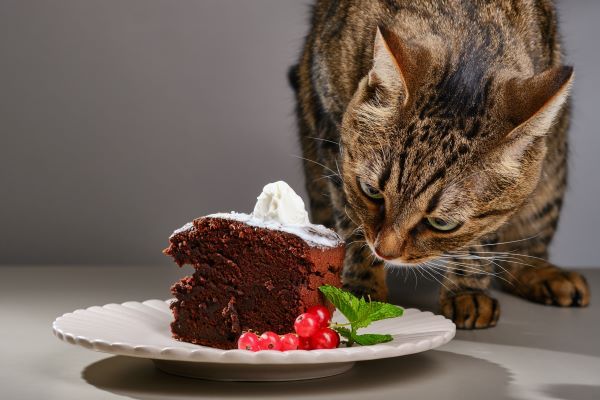
Ingesting chocolate can lead to symptoms such as vomiting, diarrhoea, rapid breathing, increased heart rate, and even seizures or death.
Treatment for chocolate ingestion in cats can be costly, with an average treatment cost of $598Ø and the highest treatment claim reaching $1,565Ø .
Rat bait
Anticoagulant rodenticides (commonly known as rat and mouse baits) are the most common poison that the Animal Poisons Helpline is phoned about.
Many rodenticides are manufactured as anticoagulants, which interfere with blood clotting, leading to uncontrolled bleeding and death in the rodent. When ingested by a cat, rat bait can lead to internal bleeding, weakness, difficulty breathing, and even death if not treated promptly.
Signs of poisoning from rodenticides are often delayed by at least several days and can vary significantly depending on the site and extent of the bleeding. Treatment costs for cats can quickly add up, due to the need for emergency medical intervention, monitoring and supportive care.
The average treatment claim for this in 2023 was $1,253Ø with the highest treatment claim being for $12,900Ø .
Human medications
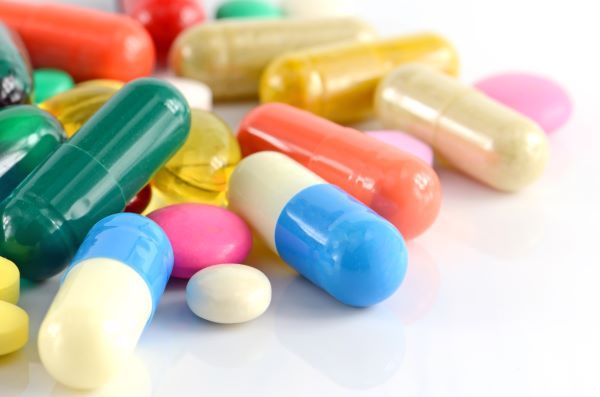
Cats are sensitive to many common human pain medications, such as ibuprofen and paracetamol. Ingesting these medications, even in small doses, can cause kidney damage, liver failure, gastrointestinal ulcers, and other serious complications in cats.
Treatment for accidental medicine consumption in cats had an average treatment claim of $1,863Ø with a maximum treatment claim of $6,271Ø.
Expert advice from Dr Felicia:
Cats should never be given ibuprofen or paracetamol, it is extremely dangerous to cats as they are unable to metabolise it without great harm. If you are concerned your cat is in pain he or she needs to be brought to the vet and appropriate medication prescribed for him/her.
Disinfectants
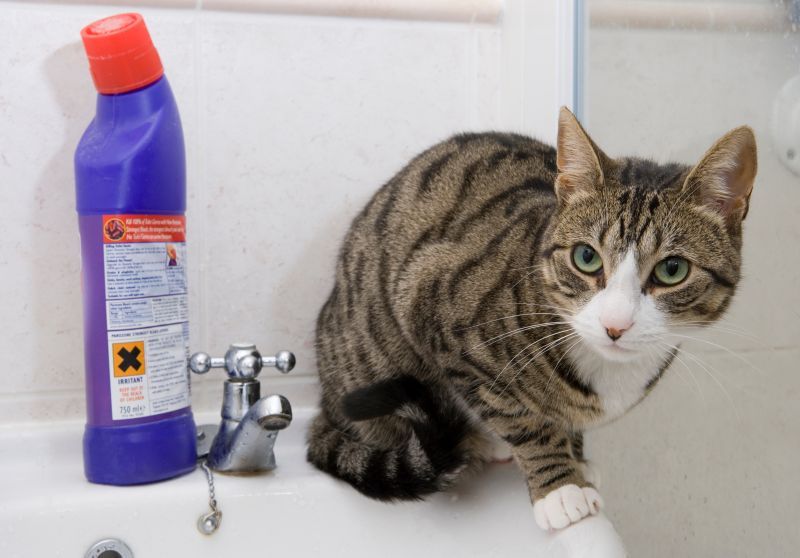
Disinfectants are chemicals that are used to kill microorganisms on surfaces and can be found in various domestic cleaning products, including liquids, sprays, wipes and aerosols.
Disinfectants often contain substances such as benzalkonium chloride, a cationic disinfecting surfactant that is often found in household disinfectants, floor cleaners, and hard surface wipes. Cats are very sensitive to these substances and toxicity can occur in this species following relatively small exposures,.
Cats can develop drooling, fever, and oral ulceration after ingesting liquid preparations. Even exposure to diluted preparations, including licking recently treated surfaces or grooming residue off paws, has the potential to cause harm.
The Animal Poisons Helpline advises cat owners to check the active ingredients of their household disinfectants and wipes. If this chemical is present, don’t allow your cat to access areas of application until they are thoroughly dry. Cleaning products should always be stored out of reach of pets, keeping in mind that cats are able to get up onto high surfaces and knock products over.
Unsure how serious it is?
Bow Wow Meow policyholders can get access to trusted vet care anytime, anywhere, at no additional cost. Connect to an experienced Australian registered vet via video call, 24/7. Whether it’s providing vet advice, setting up at-home treatment plans, or confirming if you need to visit a vet in person, you can get help when you need it.
Find out more about our pet insurance cover options.
Insecticides
Cats are highly sensitive to pyrethroid insecticides. It’s essential for cat owners to be aware that flea and tick treatments which are intended for dogs can cause life-threatening neurological toxicity in cats.
Engine coolant
Did you know that most radiator coolants contain a toxic substance called ethylene glycol? It can also be found in some brake fluids, window cleaners, carpet cleaners, printer inks and spary marker dyes.
While this compound is toxic to all species, cats are highly susceptible to its toxic effects. Poisoning can result in neurological signs and kidney damage. Animals that develop kidney failure have a very poor prognosis, and therefore preventing ingestion in the first place is incredibly important. Please keep your pets safe by storing engine coolant and other chemicals out of reach.
Mothballs
Be careful if you are using mothballs with cats in the house. Many mothballs and flakes contain naphthalene which is dangerous to cats. A little sniff or lick might cause mild self-limiting signs such as nausea, vomiting and respiratory irritation, while, ingestion may lead to severe poisoning.
Naphthalene damages red blood cells causing them to rupture, a condition known as haemolytic anaemia. Symptoms include weakness, lack of appetite, pale gums, red urine, yellowing of the skin/whites of the eyes and in severe cases collapse and possibly death.
Tips to prevent cats ingesting dangerous items
There are many ways that cats can inadvertently be exposed to poisons, ranging from a visiting friend leaving an open handbag on the floor or bringing over a bunch of flowers, to something blown in by the wind. The bottom line is that unforseen ingestions are not all that uncommon and it’s important to be prepared for these.
Here are some valuable tips to help minimise mishaps and foreign body ingestion:
- Cat-proof your home: Clear countertops to keep hazardous items like flowers and human medications out of reach, confine your cat to safe areas in the home, and keep a watchful eye on them.
Expert advice from Dr Felicia:
Vetting gifted flowers for lilies prior to bringing them into the house is the best way to avoid lily intoxication. Keeping medications in containers can also help to reduce inadvertent access.
- Supervised outdoor access: If you allow your cat outdoor access, supervise them closely to prevent encounters with toxic substances such as pest deterrents and hazardous plants. Create a cat-friendly outdoor space with secure fencing or enclosures to minimise the risk of exposure to outdoor threats.
- Pet-safe pest control products: Opt for pet-safe pest control products, such as bait stations for rodents that are inaccessible to cats or insect traps that do not contain harmful chemicals. Consult with your veterinarian to ensure any products used in or around your home are safe for your cat.
- Promote environmental enrichment: Ensure your cat is stimulated by providing sufficient entertainment and mental stimulation, to reduce the likelihood of them ingesting harmful objects due to boredom.
- Be alert: You know your furry feline better than anyone else and can perhaps sense when they just don’t seem their normal self. Monitor them closely and if something feels not quite right, it is best to speak to a vet.
- Regular veterinary check-ups: Schedule regular veterinary check-ups for your cat to monitor their health and address any concerns related to potential toxin exposure or ingestion.
Which cat breeds are most at risk?
In conclusion
As a loving pet parent, you want to do all you can to prioritise your kitty’s wellbeing. Therefore, it’s really important that you know what the most common household dangers are for cats, to avoid exposing your furry friend to them wherever possible, and to be prepared in the event of an ingestion.
If you suspect that your fur baby may have ingested a toxic or foreign substance, it is critical to consult your vet for advice. Remember that cats tend to hide their symptoms as much as possible, so they may already be sicker than you think.
ØBased on PetSure claims data, 2023 calendar year. Reimbursement for these claims under a pet insurance policy would be subject to limits, such as annual benefit limits or sub-limits, benefit percentage, applicable waiting periods and any applicable excess. Cover is subject to the policy terms and conditions. You should consider the relevant Product Disclosure Statement or policy wording available from the relevant provider. Please note that values calculated are based on all claims for that condition and medically related conditions in each calendar year.
Bow Wow Meow Pet Insurance can help protect you and your cat should an unexpected trip to the vet occur.
-
Find out more about our cat insurance options
-
Get an online pet insurance quote
Bow Wow Meow is proud to have been awarded winner of Canstar’s ‘Most Satisfied Customers’ Award in the Pet Insurance category for both 2024 and 2025!
Bow Wow Meow is proud to be the only Pet Insurer that has been awarded Product Review’s Top Rated Pet Insurance every year from 2018 to 2026! This is based on 3,193 independent customer reviews (as at 09/04/2026), with an overall rating of 4.5 stars.

We also have the following ratings on other review platforms:
Google Review rating of 4.5 stars (based on 1,358 reviews)
Trust Pilot rating of 4.6 stars (based on 555 reviews)
Bow Wow Meow has been chosen as Winner of 4 categories in the 2026 Finder Pet Insurance Customer Satisfaction Awards!
– Most Trusted Pet Insurance
– Easiest to Claim Pet Insurance
– Most Recommended Pet Insurance
– Legendary Service Pet Insurance
We also received Highly Commended Awards for Loved Brand Pet Insurance and Best Value Pet Insurance.
Bow Wow Meow is an Australian-owned and operated pet insurance provider. Our focus is purely on pets, and we are proud to have helped provide peace of mind to over 200,000 Aussie pet owners since 2008.