Christmas and New Year pet safety tips for dogs and cats
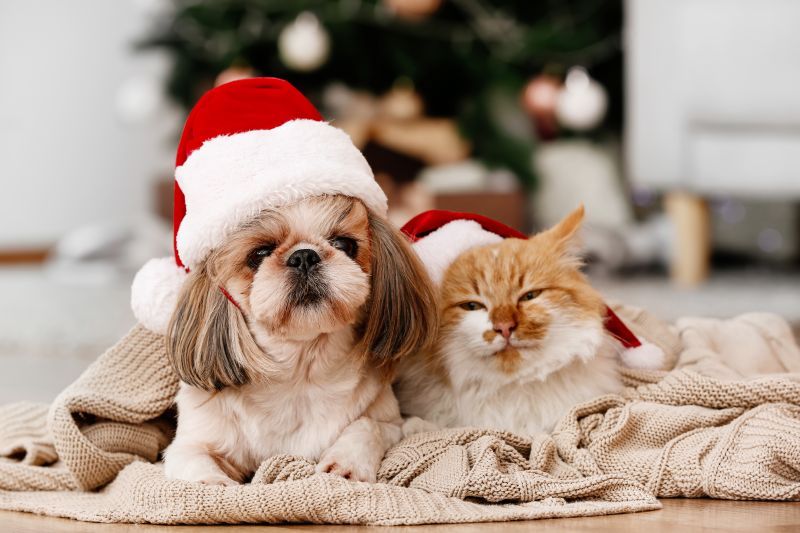
Christmas and New Year bring plenty of excitement, but some festive favourites can create risks for dogs and cats. Chocolate, Christmas pudding, ribbons, visiting children, fireworks and summer heat all deserve a little extra planning.
Help your pet enjoy the celebrations by keeping hazards out of reach, protecting their usual routine and giving them somewhere quiet to retreat.
Need help now? If your pet is struggling to breathe, collapsing, having a seizure or seriously injured, contact your nearest emergency vet immediately. For suspected poisoning, call your vet or the Australian Animal Poisons Helpline on 1300 869 738. The helpline operates 24/7; fees apply. Don’t wait for symptoms before seeking advice about a possible poisoning.
Quick Christmas and New Year pet safety checklist
- Keep festive food, drinks, medicines and rubbish out of reach.
- Secure the Christmas tree and protect electrical cords.
- Keep tinsel, ribbons, batteries and small decorations away from pets.
- Keep true lilies and daylilies out of homes with cats.
- Provide a quiet retreat and actively supervise children around pets.
- Prepare for fireworks early and check microchip contact details.
- Provide cool resting areas and fresh water, and never leave pets in parked cars.
- Save your vet’s holiday opening hours and the nearest emergency clinic’s number.
1. Keep Christmas food and rubbish out of reach
Ask visitors not to feed your pets from the table, and clear plates promptly. Store edible presents somewhere secure rather than leaving them beneath the tree.
Festive foods to keep away from dogs and cats include:
- Chocolate and cocoa, including baking chocolate and chocolate decorations.
- Onions and garlic, including ingredients in stuffing, gravy and savoury dishes.
- Alcohol, including unattended drinks.
- Raw yeast dough, which can expand and produce alcohol after being eaten.
- Fatty leftovers, such as ham fat and roast trimmings.
- Cooked bones and corn cobs, which can cause choking, injury or digestive obstruction.
Dogs also need particular protection from grapes, raisins, sultanas and dried grape currants, including those in Christmas pudding, fruitcake and mince pies, and from macadamia nuts. Contact your vet promptly if your dog eats these foods.
Xylitol is especially dangerous to dogs. This sweetener can occur in sugar-free gum, lollies, baked goods, some peanut butters and other products. Check ingredient labels and call for advice immediately if your dog may have eaten it.
Secure bins containing food scraps, skewers, meat string, foil and packaging. A closed kitchen door or suitable barrier can help keep pets away while food is being prepared.
To include your pet in the fun, offer an appropriate pet treat or use part of their usual food allowance in a suitable puzzle feeder.
Unsure how serious it is?
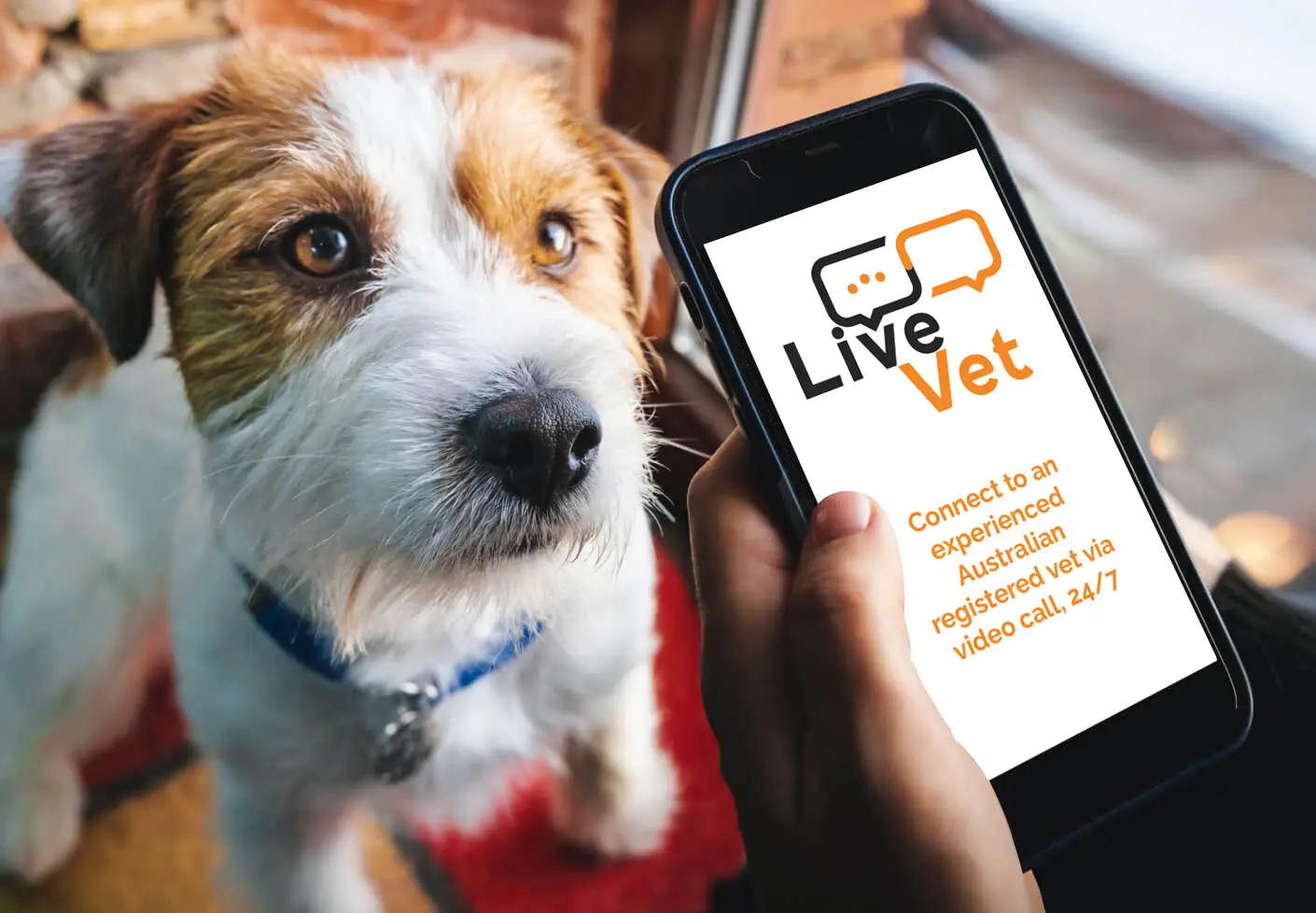
Bow Wow Meow policyholders can get access to trusted vet care anytime, anywhere, at no additional cost. Connect to an experienced Australian registered vet via video call, 24/7. Whether it’s providing vet advice, setting up at-home treatment plans, or confirming if you need to visit a vet in person, you can get help when you need it.
Find out more about our pet insurance cover options.
2. Make the Christmas tree harder to investigate
A Christmas tree can be an irresistible climbing frame for cats or a source of interesting smells for dogs.
- Use a stable stand and secure the tree so it is less likely to fall.
- Keep fragile ornaments, hooks and edible decorations away from pets.
- Cover the water reservoir of a real tree and prevent pets drinking from it.
- Clear fallen needles and broken decorations promptly.
- Put presents containing food somewhere inaccessible.
- Restrict access when you cannot supervise. A small fence may deter some dogs, but a closed room may be more effective for a climbing cat.

Avoid salt-dough ornaments, which can cause salt poisoning if eaten. Non-breakable decorations can reduce the risk of cuts, but they still need to be kept away from pets who might chew or swallow them.
3. Put away tinsel, ribbons, batteries and cords
Tinsel, string and ribbon are particularly tempting to cats. If swallowed, they can become trapped and cause serious intestinal damage.
Pack wrapping materials away after use and clear up gift ribbons, balloon strings and small toys before your pet investigates.
If you suspect your pet has swallowed string, ribbon or tinsel, contact a vet promptly. Don’t pull material protruding from their mouth or bottom.
Keep loose batteries and battery-powered decorations out of reach, and make sure battery compartments are secure. Contact a vet immediately if a battery has been chewed or swallowed.
Protect electrical cords with appropriate covers and prevent access to lights and plugs. Don’t rely on sprays or essential oils to discourage chewing.
Keep lit candles away from pets and extinguish them before leaving the room. Flameless candles avoid an open flame, but their batteries still need to be inaccessible.
4. Check festive plants and flower arrangements
Before bringing a plant or bouquet home, check whether it is suitable for a household with dogs or cats. Common names can be misleading, so use the plant’s exact identity where possible.
True lilies and daylilies are a particular emergency risk for cats. Plants in the Lilium and Hemerocallis groups can cause life-threatening kidney injury. Leaves, flowers and pollen are dangerous, and vase water can also pose a risk.
Keep these lilies out of homes with cats rather than relying on placing them on a high shelf. If your cat may have chewed a lily, licked pollen or drunk its vase water, contact a vet immediately—even if they appear well.
Other festive plants, including holly and mistletoe, can also cause illness. Keep plants and arrangements inaccessible, and ask for professional advice if you are unsure what your pet has encountered.
Artificial decorations are not automatically harmless: small pieces, wires and attachments can still be swallowed.
5. Give pets a break from visitors and children
A busy house can overwhelm even a normally sociable pet. Set up a quiet retreat before visitors arrive, with familiar bedding, water and suitable hiding places. Cats also need access to their litter tray.

Tell guests that this area is off limits, and let your pet choose whether to approach people.
- Actively supervise interactions between children and pets.
- Separate children and dogs with a secure barrier when an adult cannot give the interaction their full attention.
- Avoid hugging, chasing, grabbing or crowding pets.
- Leave pets alone while they are eating, sleeping or resting in their retreat.
- End an interaction if your pet tries to leave, becomes still or shows signs of discomfort.
- Ask visitors to keep external doors and gates closed.
Keep feeding, walks and rest times as consistent as possible. Managing the environment is more reliable than expecting a pet to tolerate a busy celebration.
6. Prepare for New Year’s Eve fireworks early
Fireworks can frighten pets and trigger escape attempts. Plan ahead rather than waiting for the first bangs.
Before fireworks night:
- Check that microchip contact details and identification tags are current.
- Check doors, windows, screens, gates and fences.
- Prepare a familiar indoor retreat.
- Arrange for a responsible person to stay with a pet who becomes distressed.
- Speak to your vet well in advance if your pet has previously panicked during fireworks or storms.
On the night, bring dogs and cats indoors before fireworks begin. Close curtains and use familiar background sound at a comfortable volume. Provide hiding places and let your pet settle where they feel secure.
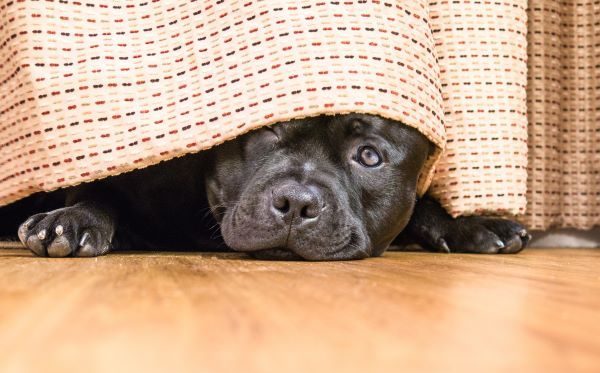
Use a crate only if your dog already finds it comfortable. Never tether a frightened pet or take them to a fireworks display.
Comfort and training for noise-sensitive pets
Stay calm and offer company if your pet seeks it. Don’t punish fear or force them out of a hiding place.
Sound-based training needs to be gradual and tailored to the individual animal. Start well before fireworks season, use a volume that does not trigger fear, and seek professional help if your pet becomes worried. Avoid a fixed timetable for increasing the volume.
Your vet can advise on a behaviour plan and whether medication is appropriate. Never give human sedatives or another animal’s medication.
7. Plan for Australian summer heat
Christmas outings can become uncomfortable or dangerous when the weather is hot or humid.
- Provide fresh water and a cool, well-ventilated resting area.
- Walk during cooler conditions and reduce or skip exercise when it is too hot.
- Avoid hot pavement and sand.
- Never leave pets unattended in parked cars, including with windows partly open.
- Take extra care with flat-faced breeds, older pets and animals with health conditions.
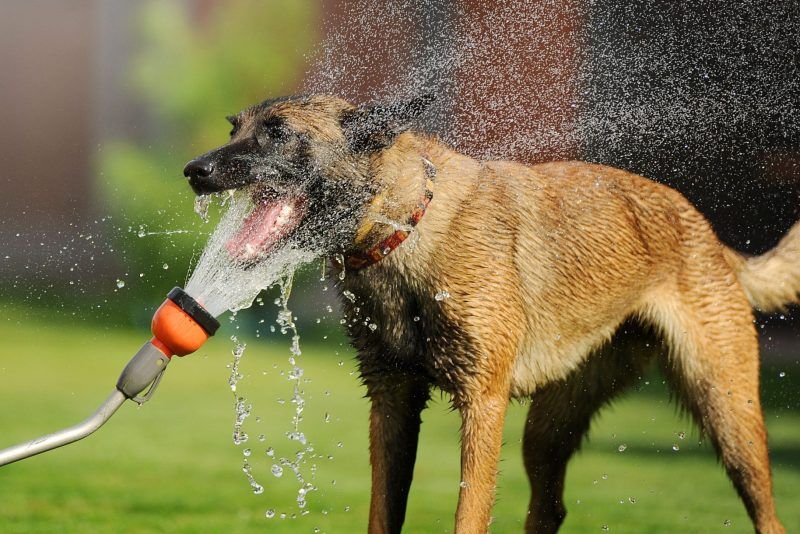
A surface feeling comfortable to your hand does not establish that the weather is safe for exercise. Consider the temperature, humidity, activity and your individual pet as well.
Read more about keeping pets comfortable in summer.
Know the signs of heatstroke
Warning signs can include heavy panting, distressed breathing, drooling, vomiting, weakness, confusion or collapse.
If you suspect heatstroke, move your pet out of the heat and begin cooling their body with cool tap water, keeping water away from the nose and mouth. Use airflow from a fan or air conditioning if available, and contact a vet urgently.
Start cooling before transport and arrange prompt veterinary assessment. Don’t wait to see whether your pet recovers without help.
8. Know what to do if something goes wrong
Save your regular vet’s holiday hours and the details of the nearest emergency veterinary hospital before the celebrations begin.
For suspected poisoning:
- Remove access to the substance if you can do so safely.
- Call your vet or the Animal Poisons Helpline on 1300 869 738 promptly.
- Keep the packaging, ingredient list or a photograph to help identify the hazard.
- Note when the exposure happened and approximately how much may be involved.
- Don’t induce vomiting or give home remedies, food or drink unless a vet or poisons specialist instructs you to.
The Animal Poisons Helpline provides 24/7 advice to Australian pet owners; fees apply.
For difficulty breathing, collapse, seizures, suspected heatstroke or serious injury, seek emergency veterinary care immediately. Online advice should not delay an emergency visit.
For non-emergency questions, eligible Bow Wow Meow policyholders can find information about 24/7 Live Vet support.
A little preparation can make the festive season easier for everyone. Protect your pet’s routine, offer quiet breaks and choose celebrations they can enjoy comfortably.
Bow Wow Meow Pet Insurance can help protect you and your pet should an unexpected trip to your vet occur.
- Find out more about our dog insurance options
- Find out more about our cat insurance options
- Get an instant online pet insurance quote
Bow Wow Meow is proud to have been awarded winner of Canstar’s ‘Most Satisfied Customers’ Award in the Pet Insurance category for both 2024 and 2025!
Bow Wow Meow is proud to be the only Pet Insurer that has been awarded Product Review’s Top Rated Pet Insurance every year from 2018 to 2026! This is based on 3,193 independent customer reviews (as at 09/04/2026), with an overall rating of 4.5 stars.

We also have the following ratings on other review platforms:
Google Review rating of 4.5 stars (based on 1,358 reviews)
Trust Pilot rating of 4.6 stars (based on 555 reviews)
Bow Wow Meow Pet Insurance has been named by Finder as the Most Awarded Pet Insurance for 2021-26, after winning 4 categories in the 2026 Finder Pet Insurance Customer Satisfaction Awards!


– Most Trusted Pet Insurance
– Easiest to Claim Pet Insurance
– Most Recommended Pet Insurance
– Legendary Service Pet Insurance
We also received Highly Commended Awards for Loved Brand Pet Insurance and Best Value Pet Insurance.
Bow Wow Meow is an Australian-owned and operated pet insurance provider. Our focus is purely on pets, and we are proud to have helped provide peace of mind to over 200,000 Aussie pet owners since 2008.