How much exercise does an Affenpinscher need?


Affenpinscher
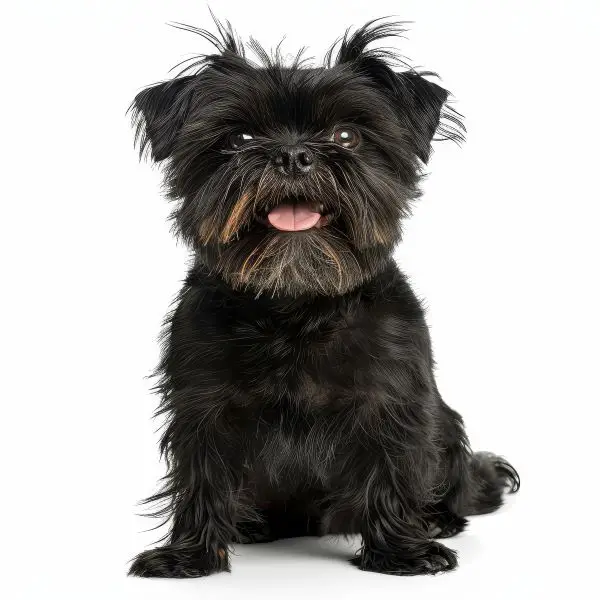
Affenpinschers are small, spirited companion dogs known for their bold personality, intelligence and distinctive monkey-like expression. Affectionate, playful and alert, they forms close bonds with their family but can also be independent and mischievous.
| Recommended for | Attentive singles, couples or families with older children; well suited to apartment dwellers |
| Breed Classification | Toy Group |
| Other names | Monkey Terrier, Affen (shortened nickname), Black Devil |
| Lifespan | 12 to 14 years |
| Size | Small |
| Temperament | Curious, playful, fun-loving, stubborn, aventurous |
| Intelligence | Above average: curious and quick to learn, although its independent streak can sometimes make training challenging. |
| Tendency to bark | Medium, particularly in response to unfamiliar noises or activity |
| Maintenance Level | Moderate grooming needs, average food costs |
| Health Risk | Affenpinschers are generally healthy but may be prone to patellar luxation, eye and dental problems, hip dysplasia and certain heart conditions. |
Thinking of insuring an Affenpinscher?
Explore the Top 5 health issues claimed for Affenpinschers, including highest claims paid and how much pet insurance could help you save on eligible vet bills.
See Affenpinscher pet insurance Ready to get cover? Get a quick quote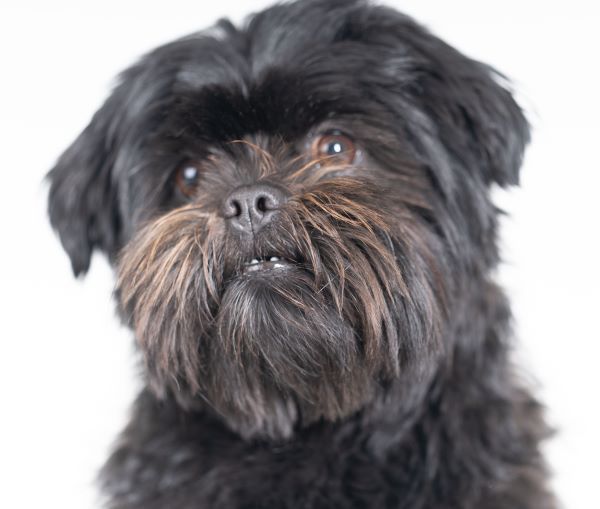
Affenpinscher personality and temperament
The Affenpinscher is a lively, intelligent and playful dog with a bold personality that often seems much bigger than its small frame. Originally bred as a ratter, it remains curious, alert and determined, with a strong prey drive and a mischievous streak. Affenpinschers enjoy exploring, playing with toys and entertaining their families with their expressive faces and amusing antics.
Affectionate and loyal, the breed forms strong bonds with its family and can make a watchful little companion. Affenpinschers may be wary of strangers and can have an independent or stubborn side, but they respond well to patient, consistent, reward-based training. Although energetic and in need of daily exercise and mental stimulation, they are also happy to relax and cuddle, making them adaptable companions for smaller homes and apartments.
Affenpinschers with kids and other pets
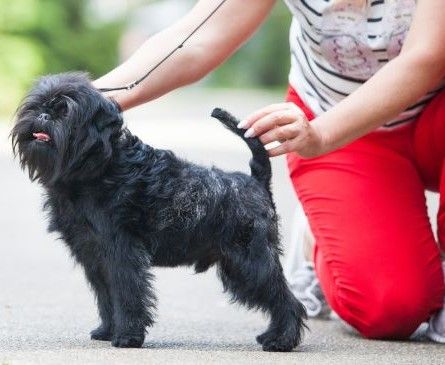
Affenpinschers are playful and lively companions for older children who can handle them gently and respectfully. With their small size and spirited temperament, they are less suitable for homes with very young children. They may not tolerate rough handling, including chasing, hugging and squeezing, and prefer a household where they are treated with respect.
Affenpinschers generally do well with other pets if they are introduced early and socialised properly. They can live in harmony with other dogs and even cats, particularly when raised together; however, their strong prey drive may make them chase after smaller animals.
Affenpinscher training and exercise
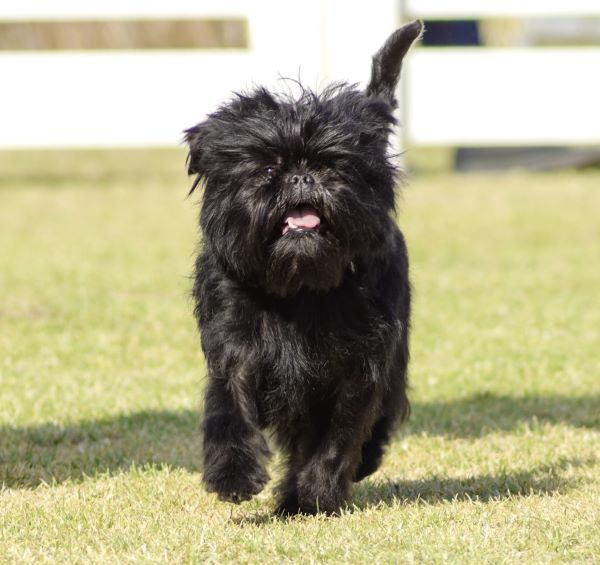
Affenpinschers need moderate exercise to keep their body and mind in shape. Daily walks with playtime are the best for their activity and to prevent boredom. They are not exactly high-energy dogs, but they love short spurts of energetic activity, like chasing toys or running in a secure area. Affenpinschers also love mental stimulation; therefore, including puzzle toys, interactive games, and problem-solving activities will keep their intelligent minds occupied.
An Affenpinscher needs patience, consistency, and a positive reinforcement approach for training. They often give the impression of being stubborn due to their independent nature, but they react very well to firm but gentle guidance. Training sessions should be very interesting and diversified so they do not lose interest in them. Early socialisation is crucial to ensure they develop into well-mannered companions, especially in a multi-pet or family home.
| Energy level | Moderate to high: they are lively, curious dogs that enjoy staying busy |
| Exercise requirements | Moderate: daily walks, interactive play and mental stimulation, although their small size means their exercise needs are relatively manageable |
Common health issues for Affenpinschers
What do Affenpinscher owners claim for the most?
- Hip dysplasia: A genetic condition where the hip joint develops improperly, leading to pain, lameness, and eventual arthritis. Contributing factors include rapid growth and excess weight, which can worsen symptoms. Regular monitoring and proper weight management can help mitigate its effects.
- Patellar luxation: Common in small breeds, this condition involves the kneecap slipping out of place, causing discomfort and occasional lameness. Early detection and appropriate care can prevent long-term mobility issues.
- Progressive Retinal Atrophy (PRA): A hereditary eye disorder that gradually leads to vision loss and eventual blindness. Symptoms include difficulty seeing at night and dilated pupils. Regular eye exams can help in early detection and management.
- Brachycephalic Airway Syndrome: Due to their short muzzle, Affenpinschers are prone to breathing difficulties, especially in hot or humid conditions. Careful monitoring and avoiding overexertion can help prevent respiratory distress.
- Heart conditions: Some Affenpinschers may develop mitral valve disease, a progressive condition that impairs heart function and causes symptoms such as coughing or reduced energy. Routine cardiac screenings are recommended.
- Dental issues: Small breeds like Affenpinschers are predisposed to dental crowding, which increases the risk of plaque buildup, gum disease, and tooth loss. Regular dental care, including brushing and professional cleanings, is essential.
Not all conditions are covered by Pet Insurance. For details of Bow Wow Meow Pet Insurance cover, refer to the Product Disclosure Statement.
How to choose the right insurance for your Affenpinscher
When comparing cover for your Affenpinscher, look for:

Cover for common Affenpinscher conditions:
Check that the policy covers conditions Affenpinschers can be prone to, including common health issues.

Cover for hereditary conditions:
No exclusions for hereditary or congenital conditions⑅.

Flexible cover options:
Options to adjust your annual benefit limit, reimbursement rate and excess.
Bow Wow Meow's Nose-to-Tail Cover offers flexible options for your Affenpinscher, with cover for accidental injuries, illnesses and hereditary conditions⑅. Get a quick quote for cover that suits your Affenpinscher and your budget.
Affenpinscher feeding and nutrition
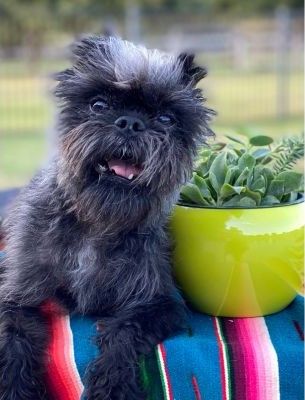
The Affenpinscher requires a well-balanced diet tailored to its small size, energy levels, and overall health. Like all dogs, it thrives on high-quality dog food that provides the right mix of protein, fats, and carbohydrates. Since Affenpinschers are small but active dogs, their diet should include lean proteins (such as chicken, turkey, or fish) to support muscle maintenance and healthy energy levels. Healthy fats, like those from fish oil or flaxseed, can help maintain their wiry coat and skin health.
Portion control is essential for Affenpinschers, as they can be prone to obesity if overfed or given too many treats. Feeding them measured portions based on their age, weight, and activity level helps prevent weight-related health issues. Since Affenpinschers can sometimes have sensitive stomachs, it’s best to avoid artificial additives, excessive grains, and low-quality fillers.
Affenpinscher care and grooming
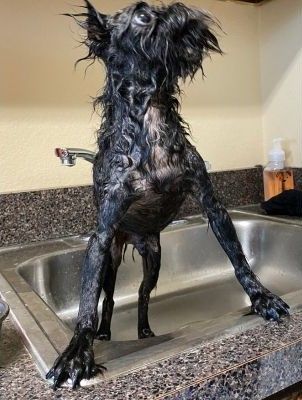
The Affenpinscher has a dense, wiry coat that is both functional and distinctive, requiring regular care to keep it in good condition. Grooming involves weekly brushing to prevent tangles and matting while keeping the coat looking tidy. A slicker brush or a comb designed for wiry coats works best to remove loose hair and maintain the coat’s texture. Affenpinschers are low shedders, but consistent grooming helps manage their moderate shedding and keeps them comfortable.
Trimming is typically minimal but necessary to maintain the breed’s neat and tidy look. Professional grooming every few months is recommended, particularly to shape the facial hair and tidy the paws. Clipping or shaving the coat is not advised, as the wiry texture is part of the breed’s charm and serves as protection. Regular nail trimming, dental care, and occasional baths will help to ensure the Affenpinscher stays clean, healthy, and stylish.

Size, appearance and coat of Affenpinschers
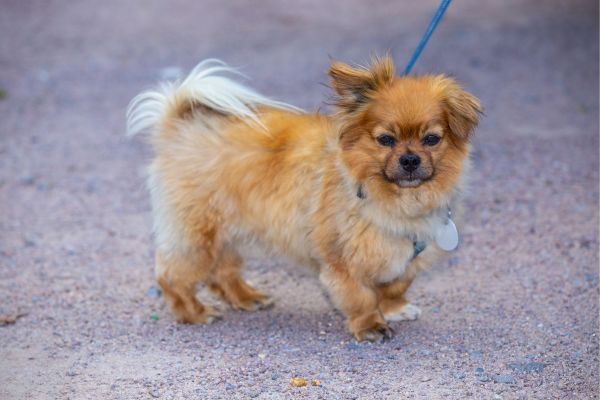
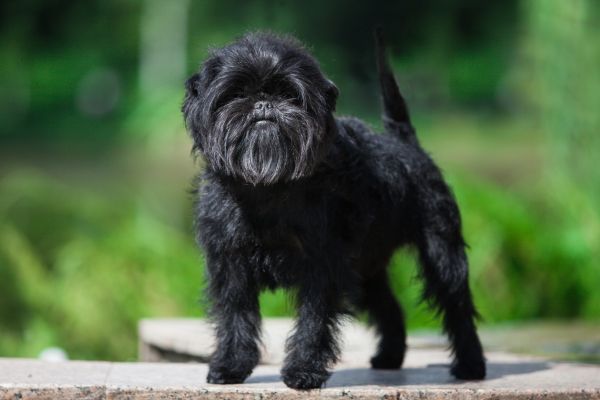
The Affenpinscher is a small, sturdy toy breed known for its distinctive, monkey-like face, which gives it a unique and endearing expression. The round head has a short, broad muzzle, dark, very expressive eyes, and erect ears which add to its alert and mischievous in appearance. Despite its small size, the Affenpinscher carries itself with confidence and a bold, almost comical demeanor.
A distinctive feature of the breed is its rough, wiry coat, which is dense and shaggy, particularly around the face where it forms a thick beard, bushy eyebrows and a scruffy mustache. The Affenpinscher’s coat comes in a variety of colours, including black (the most common), gray, silver, red, and beige.
| Weight range | 4 to 6 kg |
| Height range | 25 to 30 cm |
| Colours | Black (the most common), gray, silver, red, and beige |
| Coat length | Medium |
Breed history of Affenpinschers
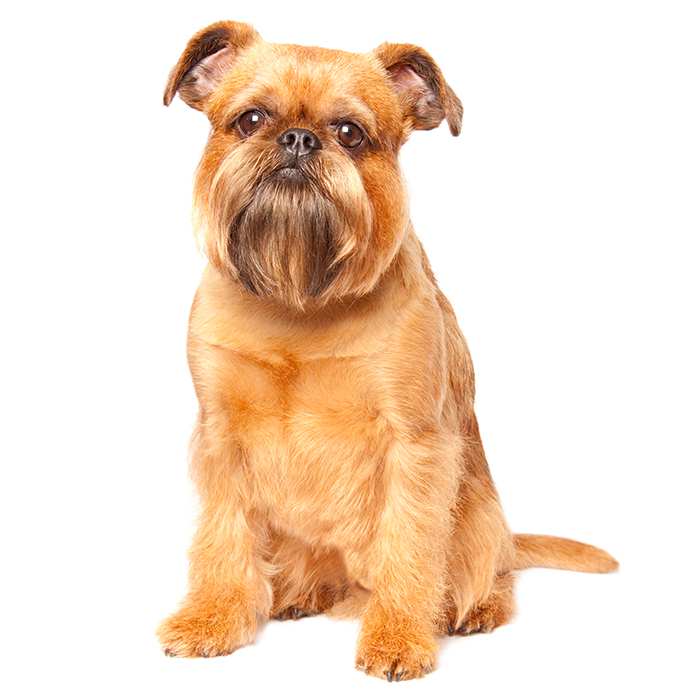
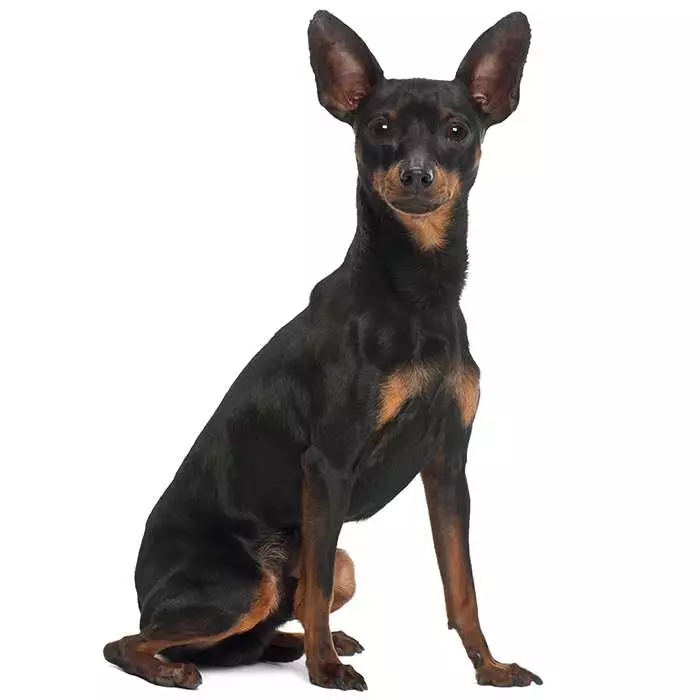
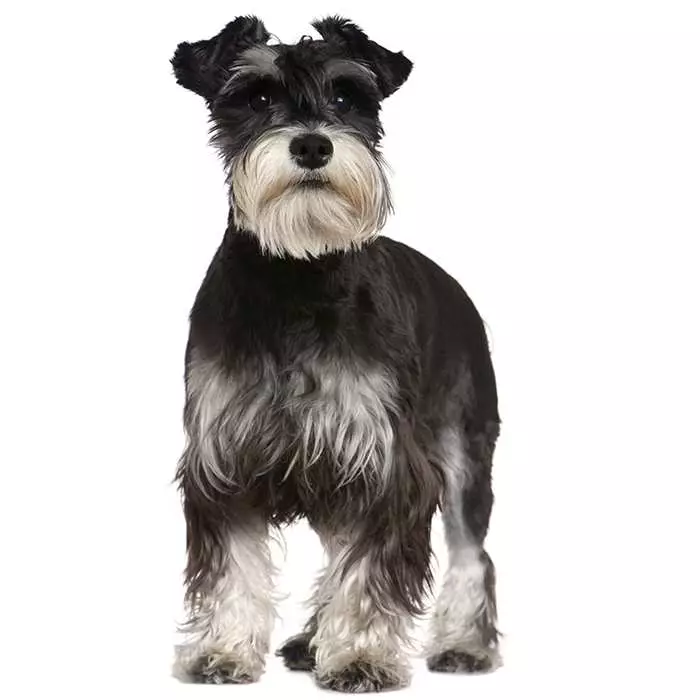
The Affenpinscher originated in Germany in the early 17th century, where they were bred to serve as ratters, keeping kitchens, stables, and shops free of vermin. Originally bigger in size, by the 19th century, the Affenpinscher had been refined into a distinct breed, with influences from other small European breeds, such as the Brussels Griffon and Miniature Schnauzer. They became particularly popular in France, where their characteristic scruffy coats, prominent eyebrows, and mischievous expressions made them a favourite among aristocrats and artists alike.
The breed made its way to the United States in the early 20th century, gaining recognition from the American Kennel Club (AKC) in 1936. However, World War II disrupted breeding programs, leading to a decline in their numbers. The Affenpinscher is now considered a rare breed both in its home country and worldwide. While it has never been a widely popular breed in Australia, it has maintained a niche following among enthusiasts who appreciate its lively personality and distinctive “monkey-like” appearance.
Explore related breeds
Affenpinscher facts!
- Though not classified as a terrier, the Affenpinscher was originally bred to work like one – its job was to exterminate rats and other pests in German stables of the 1600s.
- The name Affenpinscher is German for ‘monkey dog’ or ‘ape terrier.’
- The French call them diablotin moustachu, which translates to ‘mustached little devil’.
- Star Wars fans argue whether they look more like Wookies or Ewoks.
- In 2013, an Affen named Banana Joe delighted America by winning the Westminster Kennel Club’s Best in Show.
- Writer Desmond Morris reports that during a trip to Alaska he witnessed a tiny but fearless Affenpinscher chase off a grizzly bear!
Summary
The Affenpinscher is a small dog with a bold, playful personality and a strong sense of independence. Intelligent, affectionate and endlessly entertaining, this lively companion forms close bonds with its family and is well suited to owners who appreciate a confident little dog with plenty of character.
Although adaptable to apartment living, the Affenpinscher still needs daily exercise, mental stimulation, regular grooming and consistent, reward-based training. With early socialisation, routine veterinary care and plenty of companionship, the breed can make a loyal, amusing and devoted family pet.
FAQs about the Affenpinscher
Affenpinschers require moderate daily exercise, such as short walks and interactive play sessions. Although they are active and lively, their small size makes exercise needs relatively manageable.
Affenpinschers are intelligent but stubborn. The best way to overcome their independent streak is through positive reinforcement techniques, patience, and consistent training. They need early socialisation so they can grow into good companions.
Affenpinschers have wiry coats that should be brushed weekly to avoid tangles and maintain the texture. They may occasionally need a professional grooming for trimming facial hair and for them to look tidy. They need regular dental care and nail trimming.
Affenpinschers can be good with older children who understand how to handle small dogs gently. They generally get along well with other pets if introduced early. However, their possessive nature over toys and food may require supervision around small children and unfamiliar pets.
Generally, Affenpinschers are healthy dogs; however, they can have health issues such as hip dysplasia, patellar luxation, and some problems with breathing in hot climates. Regular veterinary checkups and a healthy lifestyle tend to minimise these risks.
Affenpinschers are not big noise makers but will bark when it is necessary to warn of intruders or to alert their owners of some unfamiliar situation, which makes them good watchdogs.
Affenpinschers can live 12–14 years if well cared for, exercised, and fed appropriately.
Affenpinschers are social animals and need companionship. Although they can tolerate short periods of isolation, long periods of it may cause boredom or anxiety. Toys and mental stimulation can keep them occupied.
Yes, their small size and moderate exercise needs make Affenpinschers very suitable for apartment living if they are given daily activity and mental engagement.
Monkey-like expression, spirited personality, playful and protective – all in one, they are unique and entertaining breed. Loyal, intelligent, and full of character, making them great companions
MORE INFORMATION
The Affenpinscher Club: https://affenpinscherclub.co.uk/
Affenpinscher Club of America: http://www.affenpinscher.org/

Get 2 months free for your puppy!
Congrats on your new bundle of joy
To ensure your precious fur baby is covered from the start, we'd like to offer your first 2 months of our Nose-to-Tail Cover for free2!
Get a quick quote