Is the Toy Poodle a good family dog?


Toy Poodle
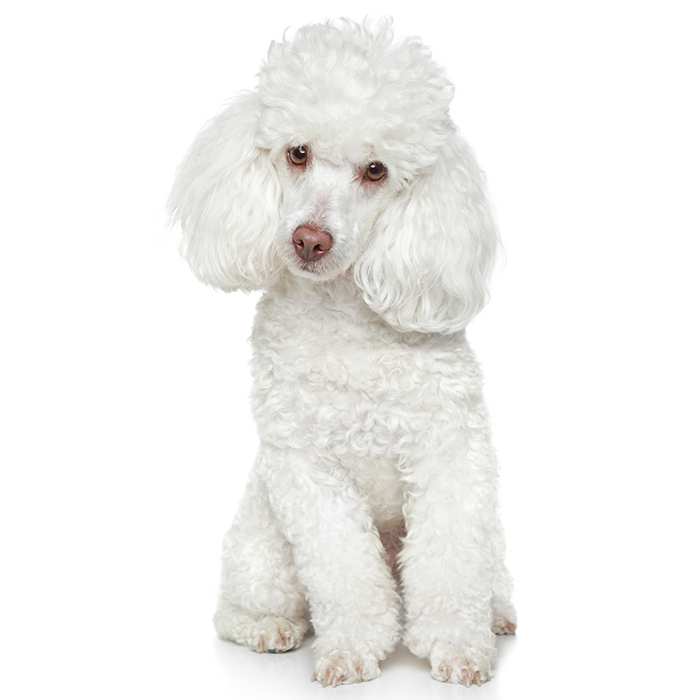
Toy Poodles are cute and energetic tiny-sized dogs with a long, tightly curled, non-shedding coat. Popular with families, they have a loving, caring and kind nature, love to feel like a part of the family and thrive on human companionship and interaction. Highly intelligent and eager to please, they are fast learners and natural performers who love to show off their skills and tricks.
| Recommended for | Families with older kids, couples, singles, people with allergies |
| Breed Classification | Toy group |
| Other names | - |
| Lifespan | 12 - 15 years |
| Size | Toy |
| Temperament | Active, enthusiastic, loyal |
| Intelligence | Very high |
| Tendency to bark | Medium to high |
| Maintenance Level | Medium (but high for grooming) |
| Health Risk | This breed has an around average probability of having health issues in its lifetime, hence it is one of the more affordable breeds to insure. |
Thinking of insuring a Toy Poodle?
Explore the Top 5 health issues claimed for Toy Poodles, including highest claims paid and how much pet insurance could help you save on eligible vet bills.
See Toy Poodle pet insurance Ready to get cover? Get a quick quote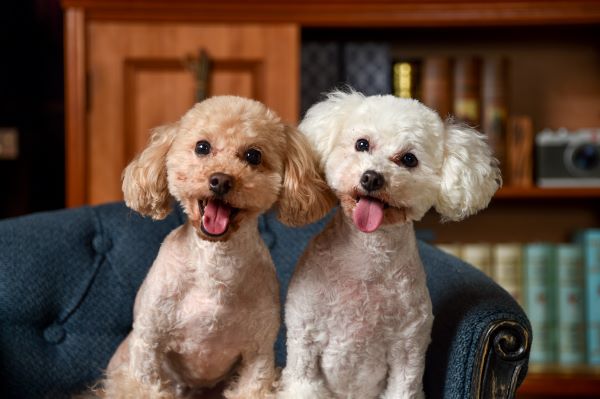
Toy Poodle personality and temperament
Toy Poodles are very joyful, playful, alert, loyal and highly intelligent little dogs. Their friendly, smiling eyes and their smarts and willingness to learn make a lot of people fall in love with this cute little breed. Their elegant looks may make them seem a bit posh, but in fact Toy Poodles just like to play and have fun. Given the chance they will happily roll in mud and go for a swim.
Like their bigger brothers, the Standard and Miniature Poodle, they are natural performers who love to please. They enjoy the spotlight and make great circus and trick dogs who will thrive on the recognition of their talents. Toy Poodles will wow you with all the performance skills you teach them, and the louder the applause, the better the performance will be.
Toy Poodles thrive on human companionship and do not do well if deprived of this companionship for extended periods of time on a regular basis. Puppies have a reputation for getting into mischief if they’re not stimulated with games and exercise and the breed can develop ongoing behavioural problems if not given enough human attention. Often a Toy Poodle will destroy shoes or dig up pot plants around the house when not stimulated. The breed tends also to develop separation anxiety.
Like other breeds that were developed as hunting dogs, they require a great deal of both physical and mental stimulation, paired with a strong yet fair owner who won’t allow any misbehaviour. They will adapt to all kinds of circumstances and will live happily in a campervan, apartment or mansion.
Toy Poodles with kids and other pets
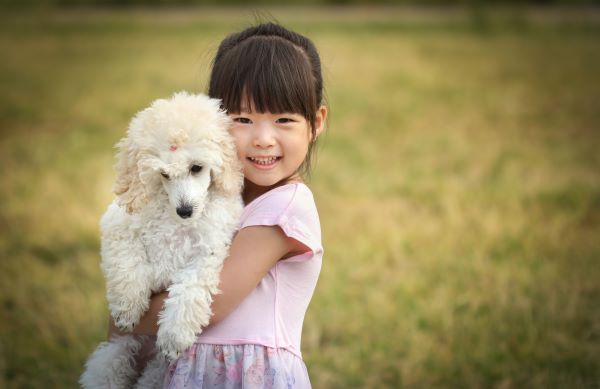
The Toy Poodle is generally good-natured and recommended for families with older kids, but they aren’t well-suited to small children. While Poodles are very loyal and joyful companion dogs, the toy variety doesn’t have as much patience for kids as the standard type.
Toy Poodles may nip and growl due to fear and confusion and younger children may unknowingly provoke them. Additionally, they are tiny dogs that require careful supervision by a responsible adult to avoid being accidently injured by active, boisterous children. A larger sized Poodle is more suitable for romping and playing happily with the kids.
Toy Poodles are generally good with other pets and can co-exist happily with them.
Toy Poodle training and exercise
Toy Poodles are highly intelligent and alert dogs who get bored easily and a lack of physical and mental stimulation can manifest in bouts of misbehaviour. Therefore, they require a fair amount of exercise for a dog of their size – ideally, one or two walks daily as well as games and other interactive play.
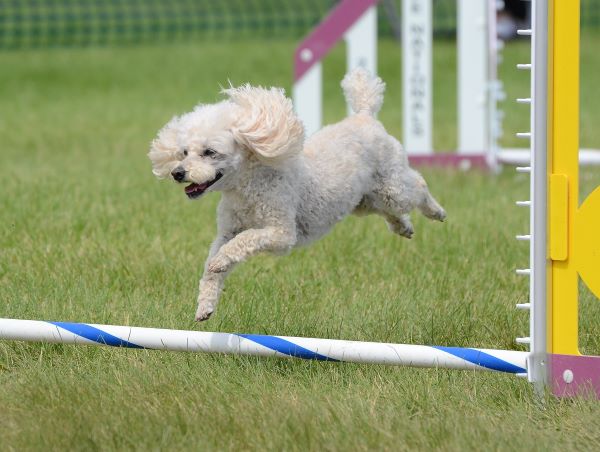
They are agile and graceful as well as smart, and they enjoy and can excel in a variety of canine sports, including agility, obedience, and tracking. Most Poodles love to get in the water and swimming is great exercise for them.
Because they are extremely intelligent and love to please, Toy Poodles are easily trained. They will excel if your training routines are fun and positive; just be sure that you remain firm, fair and consistent with what you ask.
Experts strongly recommend early socialisation and training as the Poodle’s intelligence can lead to misbehaviour. While not all Toy Poodles are yappy, training can teach those that are to control their bark.
| Energy level | High |
| Exercise requirements | High |
Common health issues for Toy Poodles
What do Toy Poodle owners claim for the most?
- Progressive retinal atrophy (PRA) refers to a family of eye conditions that cause the retina’s gradual deterioration. Night vision is lost in the early stages of the disease, and day vision fades as the disease progresses. Many dogs adapt well to the loss of vision, as long as their environment stays the same.
- Cataracts can appear at any time in a Toy Poodle. If they show up early (from birth to 3 years of age), they’re usually going to be more severe, leading to blindness, while those that show up after age 3 are usually milder.
- Legg-Calve-Perthes is common amongst toy breeds and occurs when blood supply to the hip area is decreased. Symptoms can include limping or staggering.If you suspect your Miniature Poodle is suffering this condition, make an appointment to see your vet. The condition can usually be corrected with simple surgery.
- Luxating Patella is an orthopedic condition that is more likely to occur in Toy and Miniature Poodles than in the Standard variety. One of the most common orthopaedic conditions in dogs and one of the most common causes of lameness. Luxating Patella occurs when the kneecap moves out of its normal position, causing pain and an abnormal gait. Owners may notice a skip in their dog’s step or see their dog run on three legs for a brief period. Mild cases generally do not impact too much on the dog’s life, but severe cases may require surgery.
- Addison’s Disease is a serious illness that is caused by the insufficient production of adrenal hormones by the adrenal gland. Poodles with Addison’s disease may have a poor appetite, appear lethargic and vomit. The symptoms of this disease are not always straightforward and it can be difficult to diagnose because its symptoms are similar to those of many other diseases.
- Hyperadrenocorticism, or Cushing’s disease, is one of the most common endocrine disorders that affects dogs. It is characterised primarily by overproduction of the hormone cortisol. Excessive cortisol in an animal’s body can do a lot of damage and may be life-threatening. It usually develops in middle-aged to older animals (7 to 12 years old). The disease is often insidious and slowly progressive.
- Hypothyroidism, or under-active thyroid, is a condition where the thyroid gland doesn’t produce adequate amounts of thyroid hormone, resulting in a slower metabolic rate. Some symptoms of Hypothyroidism include abnormal weight gain, dry skin, hair loss, ear infections, and lethargic behaviour. Hypothyroidism is the most common hormone imbalance occurring in dogs.
- Epilepsy is a general term for neurological disorders that bring on sudden and repeated seizures. Although it affects only 3% of dogs, Miniature Poodles are prone to idiopathic epilepsy, which are seizures with no known cause. The condition can usually be controlled through the careful use of prescribed medication.
- Skin Allergies are common in dogs, affecting nearly 20% of canines. Toy Poodles are prone to skin allergies and may develop rashes or excessive hair loss as a result. Keep an eye out for scratching and general discomfort. Allergies in dogs generally can’t be cured but can be managed, and regular bathing and flea control are good preventative measures.
Not all conditions are covered by Pet Insurance. For details of Bow Wow Meow Pet Insurance cover, refer to the Product Disclosure Statement.
How to choose the right insurance for your Toy Poodle
When comparing cover for your Toy Poodle, look for:

Cover for common Toy Poodle conditions:
Check that the policy covers conditions Toy Poodles can be prone to, including common health issues.

Cover for hereditary conditions:
No exclusions for hereditary or congenital conditions⑅.

Flexible cover options:
Options to adjust your annual benefit limit, reimbursement rate and excess.
Bow Wow Meow's Nose-to-Tail Cover offers flexible options for your Toy Poodle, with cover for accidental injuries, illnesses and hereditary conditions⑅. Get a quick quote for cover that suits your Toy Poodle and your budget.
Toy Poodle feeding and nutrition
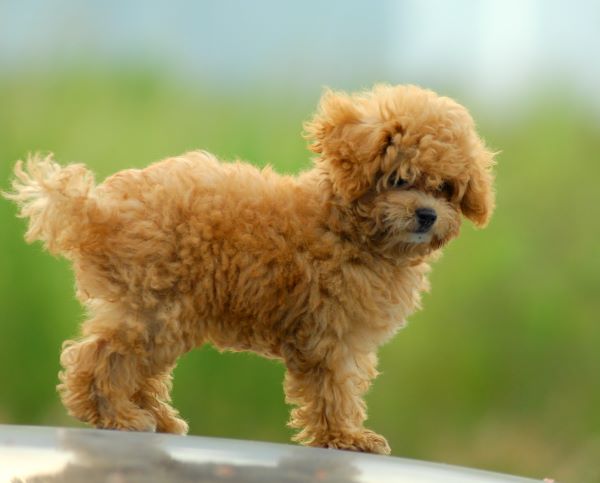
The Toy Poodle should do well on a high-quality, well-balanced diet that is appropriate to the dog’s age (puppy, adult, or senior), size and activity level.
Although they don’t tend to be greedy eaters, Poodles may become overweight, so it’s important to monitor their calorie consumption and weight level and adjust their diet accordingly.
Check with your vet if you have any concerns about your dog’s weight or diet.
Toy Poodle care and grooming
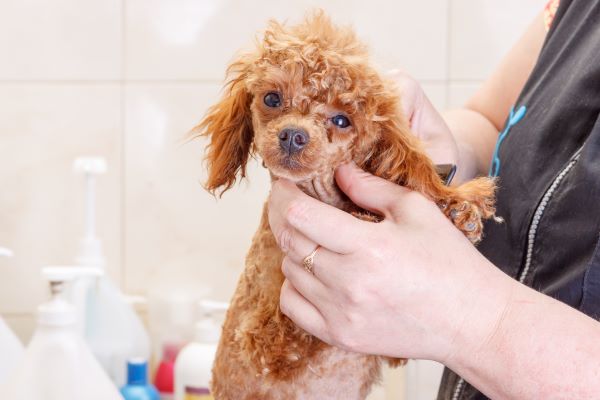
Potential Poodle owners need to be aware of the grooming costs and the need to have the Toy Poodle professionally groomed regularly – every 6 to 10 weeks, depending on the style of trim.
The Poodle has a thick, curly, non-shedding coat all over his body. The various “hairstyles” the Poodle is known for have their origins in the poodle’s early hunting days. Owners would shear the legs of the poodles to make swimming less difficult, leaving fur only on the joints to guard against the severe cold of the water, as well as a jacket of fur on the body.
All Poodles require daily attention and regular brushing, bathing and trimming. Regular grooming appointments, along with a short trim such as the simple ‘sporting clip’ in which the coat is shorn to follow the outline of the body, will help to keep the coat maintained and reduce the amount of daily grooming required.
Daily brushing is highly recommended to prevent the Poodle coat from matting or tangling, and care must be taken to keep the eyes, ears (inside and out), mouth, feet and anal area clean.
A Poodle’s hair doesn’t stop growing, which is why regular and diligent grooming is so important. Poodles are easily stressed and poor grooming has often resulted in nervous animals and skin irritations. Be sure to use only recommended shampoos as well.
Size, appearance and coat of Toy Poodles
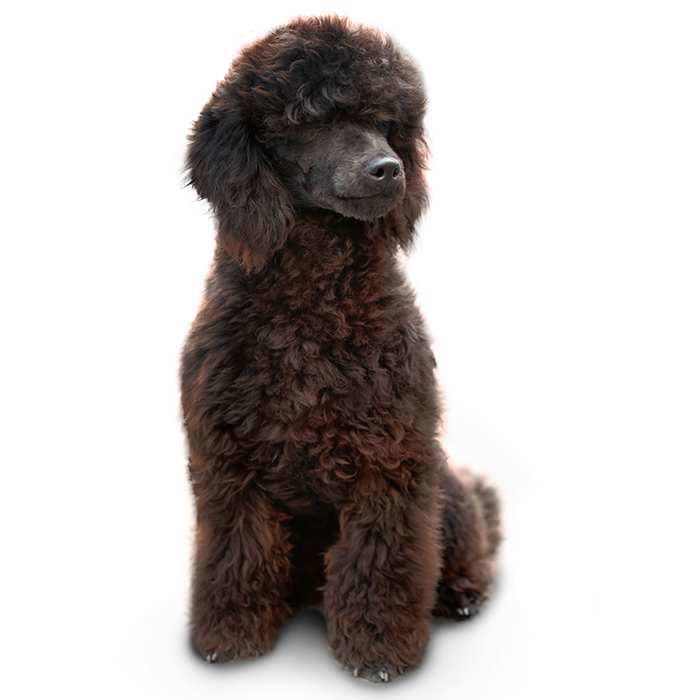
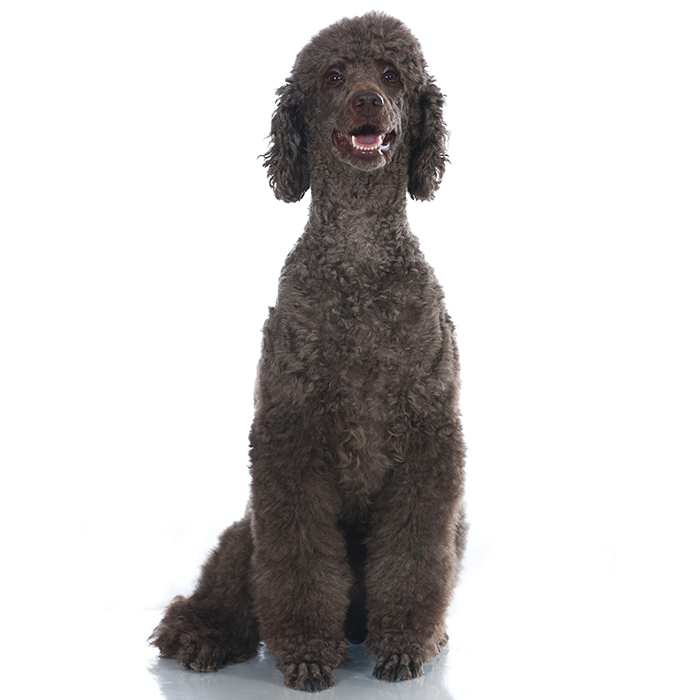
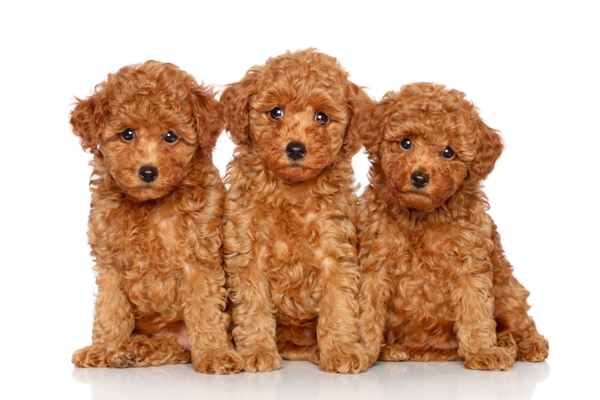
Toy Poodles are the smallest of the Poodles, weighing around 3 to 4 kg and measuring under 28 cm at the shoulder. They are smaller than the Miniature Poodle, which is in turn smaller than the Standard Poodle.
Tiny, extremely cute and with dark eyes brimming with expression, Toy Poodles appear quite fragile, and can often be seen with their head popping out of the handbags that their owners carry them around in!
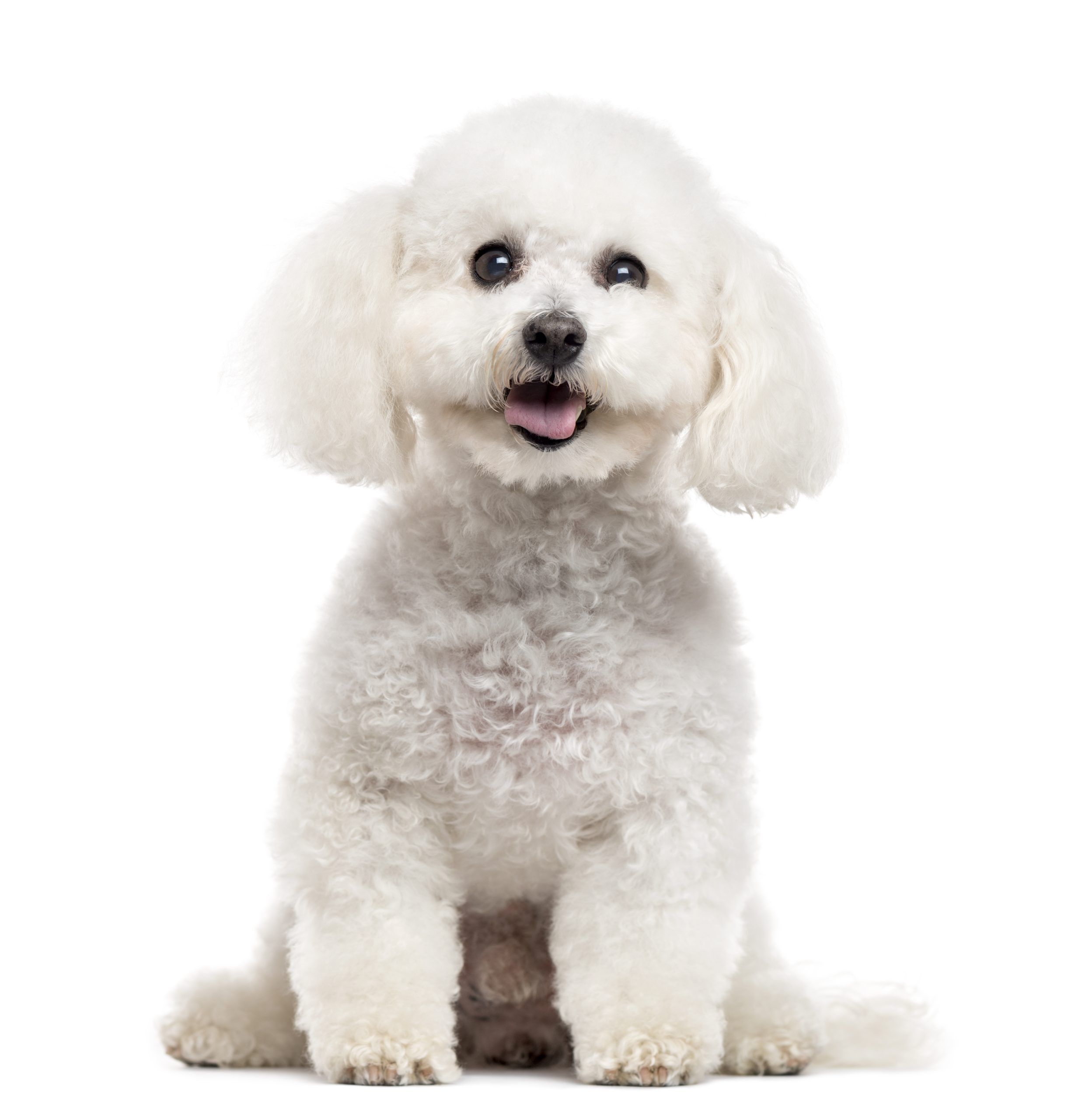
Poodles have a long, tightly curled coat which doesn’t shed and is non-allergenic, making them a popular choice for allergy sufferers. Their coat comes in a range of colours including white, brown, apricot, cream, red, blue, black and silver, with variations of shade in all the colours.
A Toy Poodle puppy does not mature until approximately 18 months old.
| Weight range | 3 - 4 kg |
| Height range | Under 28 cm |
| Colours | Any solid colour including black, white, cream, brown, silver, blue, and apricot |
| Coat length | Long |
Breed history of Toy Poodles
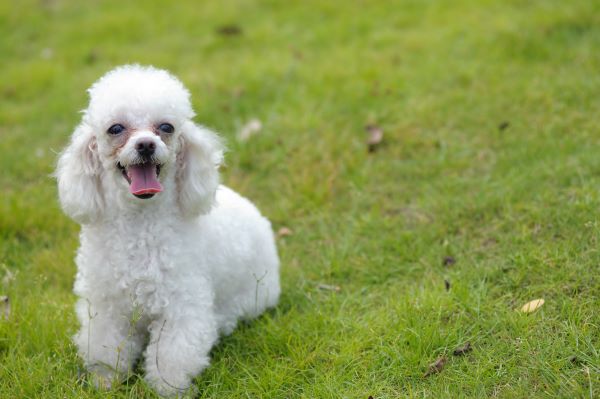
While Toy Poodles are a more recent Poodle type, Poodles have been around for at least the last 400 years, and probably longer. The French have officially claimed the Poodle as their national dog, yet it is widely believed that the origins of the Poodle are in fact German. Originally developed as a water retriever hunting dog that was bred to retrieve ducks and other water fowl from rivers and lakes, the name Poodle is most likely derived from the German word pudel meaning ‘splash in water’.
Miniature and Toy Poodles were developed over the centuries as companions, circus and street performers, and for searching out truffles, the mushroom-like fungus popular in French cuisine. Their smaller size was a plus for those hunting truffles; the delicate and valuable wild fungi would remain largely intact after being dug up by the Toy Poodle’s smaller paws.
The Toy Poodle became very popular with the aristocracy and royalty throughout the 18th and 19th centuries and the breed remains somewhat of a status symbol. To this day Toy Poodles remain extremely popular as companion animals.
Explore related breeds
Toy Poodle facts!
- The list of famous poodle owners is almost endless: Barbara Streisand, Grace Kelly, Joan Collins, Elizabeth Taylor, Shirley Bassey, Audrey Hepburn, Jackie Kennedy, Bob Hope, Marilyn Munroe, Winston Churchill and Cary Grant.
- Toy Poodles love going for rides. Whether it’s in a handbag, a car or in the basket of a bicycle, Poodles love being taken places. The breed has been rated as one of the best travelling dogs and, surprisingly, don’t require as much maintenance while on the go as others.
- Poodles are naturally very clean, almost odourless animals and absolutely love having baths. Their development as a water retriever hunting dog means that they are great swimmers and love getting wet. Throw a ball into a swimming pool and watch them go.
Summary
The Toy Poodle is a tiny, energetic dog with a long, tightly curled, non-shedding coat. Loving, caring and people-focused, Toy Poodles enjoy being part of the family and thrive on companionship and interaction.
Highly intelligent and eager to please, they are quick learners and natural performers that often enjoy showing off tricks and skills. They suit owners who can provide play, training, attention and the regular coat care required by a Poodle.
FAQs about the Toy Poodle
They are generally affectionate companions and can suit families, couples or singles when their individual exercise, training and grooming needs are met.
Moderate. Daily walks and play are generally appropriate, adjusted for the dog’s age, health and individual energy level.
Yes. They are highly intelligent and capable learners that usually respond very well to consistent, reward-based training and regular mental challenges.
They are generally low to moderate or moderate barkers, although barking can increase with boredom, excitement, anxiety or unfamiliar activity.
They are relatively low shedding, but their coat or skin still requires regular grooming and maintenance to stay healthy and free of mats.
Yes, they can adapt well to apartment living provided they receive sufficient daily exercise, mental stimulation and companionship.
They can live happily with respectful children and other pets when well socialised, but their small or delicate size means interactions with young children should be closely supervised.
Potential health concerns include patellar luxation, dental disease, eye disorders and some endocrine conditions.
MORE INFORMATION
The Toy Poodle Society of Victoria Inc: https://toypoodlesociety.com/
The Poodle Club of NSW Inc: http://www.poodleclubnsw.com/
Poodle Club of Queensland Inc: http://www.poodleclubofqueenslandinc.com/
Poodle Club of Victoria Inc: http://www.poodleclubofvictoria.com/
Poodle Club of South Australia Inc: https://poodleclubsa.com.au/

Get 2 months free for your puppy!
Congrats on your new bundle of joy
To ensure your precious fur baby is covered from the start, we'd like to offer your first 2 months of our Nose-to-Tail Cover for free2!
Get a quick quote