Pet insurance vs savings account: Which is better for Aussie vet bills?

Summary
For many pet owners, pet insurance offers better protection against large unexpected vet bills because it can provide access to a much larger benefit limit than a savings fund that is still growing. A savings account may still work for some owners, especially if they already have substantial reserves and are comfortable self-funding emergencies and chronic illness costs. This guide compares pet insurance and savings accounts for vet bills in Australia, including their pros and cons, where each option works best, and what to consider before choosing.
Pet insurance vs savings account: the big debate
The answer depends on your financial situation, your pet’s health risks, and how comfortable you are covering a large bill at short notice. For many owners, pet insurance offers stronger protection against major unexpected vet costs because it can provide access to a much larger annual benefit limit from early on. A savings account can still work well in some situations, especially if you already have substantial reserves and are comfortable self-funding emergencies and ongoing treatment.
Quick comparison: pet insurance vs savings account
- Pet insurance may be better if you want protection against large unexpected vet bills early on
- A savings account may work if you already have enough money set aside to comfortably cover major treatment costs
- Savings are flexible, but they can take time to build
- Pet insurance may help sooner, but only for eligible claims and subject to policy terms
- Many owners use a combination of both: insurance for major unexpected costs, plus savings for excess, routine care and anything outside cover
The cost of veterinary care
Vet care in Australia can be expensive, and unlike human healthcare, there are no Medicare benefits or government subsidies to soften the blow.
Australians only pay around 15% of their own healthcare costs thanks to Medicare and other programs. Pet owners, on the other hand, need to shoulder 100% of their pets’ veterinary bills. Sophisticated veterinary treatment, often on a par with human treatment, is available to our pets nowadays, but costs can escalate quickly, and there are no subsidies available.
Even “routine” diagnostics like blood panels or scans can add hundreds or thousands to the total vet bill. Unexpected emergencies that require diagnostics, treatment or surgery can drain a savings account quickly, leaving owners scrambling to organise finances or forcing them to make heartbreaking choices.
Here you can see the average and highest cost of treatment for the top 10 health conditions in both dogs and cats from Petsure’s 2024 claims data:
Top 10 conditions in dogs (all ages)
| Health condition |
Average cost for treatmentØ | Highest cost for treatmentØ |
| Skin infections / allergies | $667 | $21,209 |
| Gastrointestinal conditions | $874 | $37,599 |
| Ear infections | $439 | $22,665 |
| Wounds from traumatic injuries and fights / bites | $836 | $46,525 |
| Mass lesions (lumps and bumps) | $961 | $31,195 |
| Eye conditions | $468 | $19,419 |
| Osteoarthritis | $823 | $39,289 |
| Musculoskeletal conditions (limping) | $607 | $15,591 |
| Anal sac disorders | $316 | $30,697 |
| Dental conditions | $816 | $3,158 |
Top 10 conditions in cats (all ages)
| Health condition |
Average cost for treatmentØ | Highest cost for treatmentØ |
| Gastrointestinal conditions | $903 | $26,987 |
| Urinary tract disorder | $1,459 | $38,769 |
| Skin infections / allergies | $470 | $21,343 |
| Fight or bite wounds | $620 | $24,529 |
| Eye conditions | $424 | $20,106 |
| Behavioural problems | $141 | $10,679 |
| Ear infections | $422 | $10,979 |
| Osteoarthritis | $779 | $8,032 |
| Heart murmurs | $1,569 | $22,800 |
| Mass lesions (lumps and bumps) | $1,486 | $34,688 |
ØBased on PetSure claims data, 2024 calendar year. Reimbursement for these claims under a pet insurance policy would be subject to limits, such as annual benefit limits or sub-limits, benefit percentage, applicable waiting periods and any applicable excess. Cover is subject to the policy terms and conditions. You should consider the relevant Product Disclosure Statement or policy wording available from the relevant provider. Please note that values calculated are based on all claims for that condition and medically related conditions in each calendar year.
Why some owners prefer a savings account
For many people, a savings account feels like a simple and flexible solution. The appeal lies in the control it provides when budgeting for their pet’s needs.
Benefits of a savings account include:
- Freedom to use the funds for both pet and household needs.
- No ongoing insurance policy requirements.
- Ability to adjust contributions as income changes.
What savings cannot do well:
- Veterinary costs can far exceed what has been saved.
- Emergencies can happen before your savings reach a meaningful amount. For example, if you have only $500 saved by setting aside $100 each month after you have brought your puppy home, a case of gastrointestinal upset with an average cost of $694 (according to Petsure’s 2024 claims data for dogs under 1 year old) would mean you would need to dip into other funds to cover the treatment. You’d also need to start building up your now empty savings account once again.
- Multiple accidents and illnesses can occur within a short time period. In the above example, if another accident or illness occurs soon after, you will have no savings put aside for it.
- Your pet may require ongoing treatment for more complex or chronic conditions, e.g. allergies, diabetes or cancer. This can be very expensive and can quickly erode your savings.
- It may be tempting to use money put away in pet savings accounts for other emergencies requiring a significant investment, like car repairs or unexpected bills.
In summary, a savings account can be a good addition or alternative to pet insurance, if you already have a large amount saved, are diligent with regular savings payments, and are willing to draw on funds as needed to cover large and unexpected pet costs.
The main weakness of relying on savings alone is timing. Even if saving is the right long-term strategy for you, it may not help much if a serious accident, illness or chronic diagnosis happens before you have built a substantial reserve.
What pet insurance offers in comparison
Pet insurance takes a different approach to saving money in an account. Instead of building funds slowly, you pay regular premiums in exchange for coverage against a range of unexpected accidents and illnesses. It can help reduce the out-of-pocket expense for eligible vet bills when things don’t go according to plan.
We find that the value of pet insurance is often realised by uninsured pet owners after they are faced with a large vet bill, and unfortunately this is usually too late.
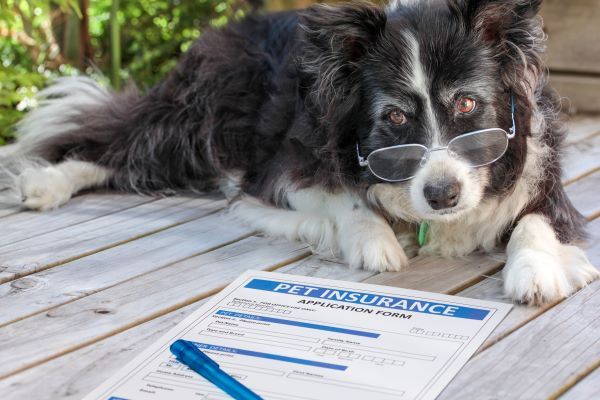
Advantages of pet insurance include:
- Paying your pet insurance premiums is a form of budgeting. It eliminates the temptation to use the money for other things.
- Access to your total annual benefit limit – up to $30k per year on our Nose-to-Tail Cover – is available immediately, without the delay of waiting for your savings to accumulate (subject to applicable waiting periods⑅). Accidents or illnesses can occur at any time; if you haven’t yet accumulated enough savings, you may not be able to afford the recommended treatment.
- Many pets end up with long-term or chronic health conditions that require ongoing medication and regular vet check ups. Pet insurance can cover eligible costs for treatment over your pet’s life, as long as your policy remains active4.
Pet insurance is a way to help alleviate these concerns by covering eligible vet bills so you can focus on what matters – helping your sick or injured pet. It covers a wide range of vet treatments for illnesses and injuries, allowing you to focus on what matters: looking after your beloved fur baby when they need it most.
Because it is difficult to predict the costs of veterinary care, it can help to have measures in place to help prepare for the unexpected. Pet insurance can help by covering a portion of the eligible vet bill if the unexpected does happen.
Get a quick quote
Limitations of pet insurance to keep in mind include:
- Premiums will increase each year as your pet ages due to the increasing likelihood of health issues and taking into account the rising average cost of care for pets like yours.
- Excesses may apply depending on the policy (our Nose-to-Tail Cover provides an annual excess option while some providers charge a per condition excess).
- Exclusions may apply to conditions that already existed before insurance is first taken out, or any conditions that develop during the initial policy waiting period/s.
- Routine treatments are generally not covered unless optional extras are purchased, like Bow Wow Meow’s Routine Care Cover.
Pet insurance has some limits, however it can be a valuable way to help protect both you and your pet from unexpected vet bills and to help your pet get the treatment they need when they need it without wiping out your accumulated savings.
What pet insurance covers well vs what savings cover well
Pet insurance is generally most useful for large unexpected accident and illness costs, especially when those costs happen before you have built up meaningful savings. Savings are often more useful for routine or predictable expenses, such as vaccinations, check-ups, grooming, food, and the portion of vet bills you still need to pay yourself.
Pet insurance vs savings account: how to decide
A savings account may suit you if you already have a strong financial buffer and feel comfortable using it for emergencies, illness and ongoing treatment if needed. This option can give you flexibility and full control over your money, but it also means carrying the full financial risk yourself.
Pet insurance may suit you better if a large vet bill would be difficult to absorb at short notice, or if you want access to a higher level of financial protection before you have built up substantial savings. This can be especially relevant for younger pets, pets in breeds with known health risks, or owners who want more certainty around budgeting for unexpected vet costs.
For some pet owners, the most practical approach is not choosing one or the other, but using both. Pet insurance may help with eligible major accident and illness costs, while a savings account can help cover excess, routine care and any expenses outside the policy terms.
What pet owners are saying
Online pet owner discussions often reflect the same divide. Reddit, one of the most active forums for real pet owner stories, is a common platform for these conversations.
- One pet owner explained that their Golden Retriever’s vet treatments over the last 4 years totalled nearly $12,000, of which they received a large portion back from their pet insurer.
- One owner shared their experience of their Greyhound being attacked at night and needing an emergency visit to an animal hospital. The total cost of the treatment was $6k for that one incident and they received a large portion back as well.
- One owner’s senior dog was diagnosed with cancer with treatment costing around $24k in total and receiving back about $18k.

A common conclusion among commenters was that while pet insurance can be expensive, it provides peace of mind, knowing they’re less likely to face risk of savings falling short in an emergency.
Many contributors noted that the amount they’ve been reimbursed over the years from their pet’s vet bills far exceeds the total pet insurance premiums they have paid. Some stated that they have been lucky not to have encountered any excessively large vet bills thus far, and found that a savings account has worked for them.
When a savings account might work best
A savings account may be more suitable in specific situations. It can be practical if you:
- Already have strong financial reserves and can absorb unexpected vet bills.
- Have a pet who has many pre-existing conditions that won’t be covered.
- Want funds available for routine expenses like vaccinations, food or grooming.

This strategy requires discipline and the willingness to cover a major vet bill out-of-pocket if it arrives before savings are large enough to cover it. Owners without backup resources, such as access to credit, may find themselves forced into difficult decisions if there is a significant gap between savings and a significantly larger vet bill.
When pet insurance may be the safer option
For many Australian households, pet insurance remains a way to give peace of mind when it comes to unexpected vet bills. You may find it the preferred option if you:
- Would struggle to pay thousands upfront in an emergency.
- Want certainty that your pet can receive necessary and quality vet treatment without financial hesitation.
- Value peace of mind, knowing you will be better placed to make medical decisions for your pet without your focus being solely on finances.
What pet insurance policies can include
Not all pet insurance policies are created equal, and what you are covered for, and the service you receive, will depend on the provider and product. With Bow Wow Meow’s Nose-to-Tail Cover, you have the freedom to choose:
- Up to $10k, $20k or $30k benefit limit option.
- Up to 70%, 80% or 90% of your eligible vet bills back⑅.
- Annual excess options for more control over your premium and out-of-pocket expenses.
Plus, you have the advantage of:
- Zero sub-limits. More benefits when you need them.
- GapOnly®ready. Eligible claims are paid on the spot.
- myPetPass®– your ticket to extra pet perks including Live Vet, complimentary 24/7 online vet care8.
- Booster Care optional benefit with up to $2k per year for specified dental conditions and specialised therapies including behavioural therapies and physiotherapy◇.
- Routine Care optional non-insurance benefit for vaccinations, health checks and more.

Why many pet owners choose a combination of pet insurance and savings
If you can’t decide between pet insurance or savings, the best answer might be some combination of both. Pet insurance for protection, and savings for flexibility.
Pet insurance can help shield you from larger vet bills while your savings can contribute to smaller costs, routine care, and any gaps between your eligible vet bills and your pet insurance rebate. Together, they can reduce stress, smooth out expenses, and give you room to say yes to the best care when your pet isn’t well.
Comparing saving money vs pet insurance
| Factor | Savings account | Pet insurance |
| Affordability over time | Flexible deposits, but can be slow to grow | Predictable monthly premiums |
| Financial protection | Limited to account balance | High annual limits of up to $30k |
| Access to quality care | Lack of sufficient funds may delay or prevent treatment | Enables immediate quality vet care for eligible conditions |
| Behavioural discipline | Relies on personal consistency | Enforced by regular premiums |
| Unexpected events | Often insufficient, particularly if multiple health issues occur close together | Designed for unexpected illness or injury⑅ |
The final verdict
When it comes to the debate about whether you should take out pet insurance or keep a savings account, there isn’t one answer that suits everyone, or covers your pet for every eventuality. A savings account offers flexibility, but may not grow fast enough for emergencies. Pet insurance requires ongoing premiums but can provide greater protection against large vet bills. For many Australians, the most effective approach is to use a combination of insurance for the big surprises and savings for the day-to-day expenses.
Bow Wow Meow Pet Insurance can help protect you and your pet should an unexpected trip to your vet occur.
- Find out more about our dog insurance options
- Find out more about our cat insurance options
- Get an instant online pet insurance quote
Bow Wow Meow is proud to have been awarded winner of Canstar’s ‘Most Satisfied Customers’ Award in the Pet Insurance category for both 2024 and 2025!
Bow Wow Meow is proud to be the only Pet Insurer that has been awarded Product Review’s Top Rated Pet Insurance every year from 2018 to 2026! This is based on 3,193 independent customer reviews (as at 09/04/2026), with an overall rating of 4.5 stars.

We also have the following ratings on other review platforms:
Google Review rating of 4.5 stars (based on 1,358 reviews)
Trust Pilot rating of 4.6 stars (based on 555 reviews)
Bow Wow Meow has been chosen as Winner of 4 categories in the 2026 Finder Pet Insurance Customer Satisfaction Awards!

– Most Trusted Pet Insurance
– Easiest to Claim Pet Insurance
– Most Recommended Pet Insurance
– Legendary Service Pet Insurance
We also received Highly Commended Awards for Loved Brand Pet Insurance and Best Value Pet Insurance.
Bow Wow Meow is an Australian-owned and operated pet insurance provider. Our focus is purely on pets, and we are proud to have helped provide peace of mind to over 200,000 Aussie pet owners since 2008.